作者: admin

  • European diplomats visit Ukraine on anniversary of Russia’s Bucha atrocities

    European diplomats visit Ukraine on anniversary of Russia’s Bucha atrocities

    European diplomatic leaders converged in Kyiv on Tuesday to commemorate the four-year anniversary of the Bucha atrocities, delivering a powerful message of continued support for Ukraine amid stalled peace negotiations and shifting global priorities.

    A delegation comprising 12 European foreign ministers and numerous officials arrived via train to the Ukrainian capital, where they were greeted by Ukrainian Foreign Minister Andrii Sybiha. The somber occasion marked the grim anniversary of the shocking discoveries made when Ukrainian forces liberated Bucha from Russian occupation in spring 2022, uncovering evidence of mass civilian executions during what Russian forces had termed a ‘cleansing operation.’

    With U.S.-mediated peace talks currently suspended and Washington’s attention diverted by Middle East conflicts, European nations are intensifying their focus on what has become Europe’s most significant land warfare in decades. The high-level European presence served as both a symbolic gesture of solidarity and a substantive commitment to pursuing accountability for Russian military actions.

    European Union foreign policy chief Kaja Kallas emphasized the critical importance of establishing comprehensive accountability mechanisms during the visit. “One of the things that is really necessary is accountability. Otherwise, you have revenge and retaliation,” Kallas stated en route to Kyiv. “If you don’t see people doing this to your family held accountable, you will want revenge.”

    The diplomatic mission included discussions focused on reassuring Ukrainian officials of Europe’s unwavering determination to maintain pressure on Russia through both judicial channels and continued military support. Foreign Minister Sybiha characterized the strong European presence as demonstrating that “justice for this and other Russian atrocities is inevitable,” noting that “comprehensive accountability for Russian crimes is vital to restore justice in Europe.”

    With the conflict now entering its fifth year and peace negotiations effectively stalled, European leaders acknowledged their particular responsibility in sustaining international attention on Ukraine’s plight. “We can’t let it slip off the table,” Kallas emphasized. “We are the ones who have to keep this up because nobody else does.”

  • Commercial rocket makes maiden flight

    Commercial rocket makes maiden flight

    In a groundbreaking advancement for China’s commercial space sector, CAS Space successfully conducted the inaugural launch of its Kinetica 2 medium-lift rocket from the Jiuquan Satellite Launch Center on Monday evening. The landmark mission deployed multiple payloads into designated orbits, including the innovative New March 02 experimental robotic cargo spacecraft.

    The 53-meter-tall liquid-fuel rocket, developed by the Beijing-based commercial space enterprise, ignited its nine first-stage engines at 7:00 PM local time, casting an intense glow across the Gobi Desert landscape. The launch vehicle demonstrated exceptional performance by precisely delivering its payloads to predetermined orbital positions within a remarkably short flight duration.

    Among the deployed assets, the New March 02 cargo vessel represents a significant technological achievement. Designed and manufactured by the Chinese Academy of Sciences’ Innovation Academy for Microsatellites, the 4.2-ton spacecraft incorporates advanced systems capable of sustaining orbital operations for up to three years. This development introduces a new dimension to China’s space logistics capabilities, previously dominated by the larger Tianzhou series of cargo vehicles.

    Project Manager Yang Haoliang emphasized the strategic importance of this achievement: ‘Kinetica 2 provides mission planners with enhanced flexibility for space station resupply missions. The coexistence of multiple launch systems ensures mutual backup capability, substantially strengthening our cargo transportation infrastructure.’

    The rocket’s innovative modular design features a common booster core configuration where the first-stage core and two side boosters utilize identical modules. This engineering approach allows for customizable configurations by adding or removing boosters to meet varying mission requirements while maintaining cost efficiency through component commonality with its predecessor, Kinetica 1.

    Notably, the mission marked the first integration of commercial rocket technology within China’s manned space program framework. With a payload capacity of 8 tons to sun-synchronous orbit and 12 tons to low-Earth orbit, Kinetica 2 demonstrates competitive specifications comparable to international counterparts.

    The company has announced ambitious plans for booster recovery systems in subsequent flights, with Deputy Chief Designer Lian Jie revealing that future missions will attempt integrated recovery of all three boosters as a single unit. This approach promises improved aerodynamic performance, enhanced reliability, and reduced manufacturing complexity.

    CAS Space is establishing production capacity for 20 Kinetica 2 rockets annually at its newly operational facility in Shaoxing, Zhejiang province. The company projects that achieving reusability could reduce launch costs to approximately half that of SpaceX’s Falcon 9 rocket.

    Looking forward, the development of the Kinastra 1 upper stage, scheduled for maiden flight later this year, will enable the rocket family to reach high-altitude orbits including geosynchronous transfer and lunar transfer trajectories—positioning CAS Space as China’s first commercial enterprise with such advanced capabilities.

  • ‘China chic’ growing cooler by design

    ‘China chic’ growing cooler by design

    International corporations are increasingly adopting China-chic designs to capture the lucrative Chinese consumer market, marking a significant shift from traditional manufacturing approaches to culturally-informed product innovation. The phenomenon represents a strategic evolution from ‘Made in China’ to ‘Created for China’ that is reshaping global business strategies.

    Adidas has emerged as a prominent case study in this trend with its Chinese-style jacket series, which features distinctive traditional elements including knot buttons and upright collars. Initially launched in 2022 as an exclusive product for the Chinese market, the design has achieved remarkable commercial success, attracting diverse consumer demographics across age groups and nationalities.

    The brand’s Shanghai Creation Center (CCS) has become the innovation engine behind this strategy, responsible for developing over 60% of Adidas products targeted specifically at Chinese consumers. The center maintains a dedicated focus on incorporating authentic Chinese cultural motifs and responding to the growing guochao (China-chic) movement that has gained substantial traction among domestic consumers.

    Market response has exceeded expectations, with recent product launches generating unprecedented consumer demand. During a New Year’s Day sales event, approximately 1,000 units of the Chinese-inspired jacket were sold at a single Shanghai location, establishing a new sales record for the special collection. Notably, international visitors comprised a significant portion of consumers, demonstrating the global appeal of these culturally-grounded designs.

    This strategic pivot reflects broader changes in China’s consumer landscape, where production capabilities have evolved into innovation capacities. Multinational companies now recognize that success in the Chinese market requires deep cultural understanding rather than mere market presence, leading to increased investment in localized design and development facilities.

    The trend signifies China’s transformation from manufacturing hub to innovation incubator, with consumer preferences driving product development that subsequently influences global market strategies. This approach has proven mutually beneficial, allowing international brands to strengthen their position in China while simultaneously developing products with potential global appeal.

  • Sexual violence part of ‘everyday life’ in parts of Sudan, charity says

    Sexual violence part of ‘everyday life’ in parts of Sudan, charity says

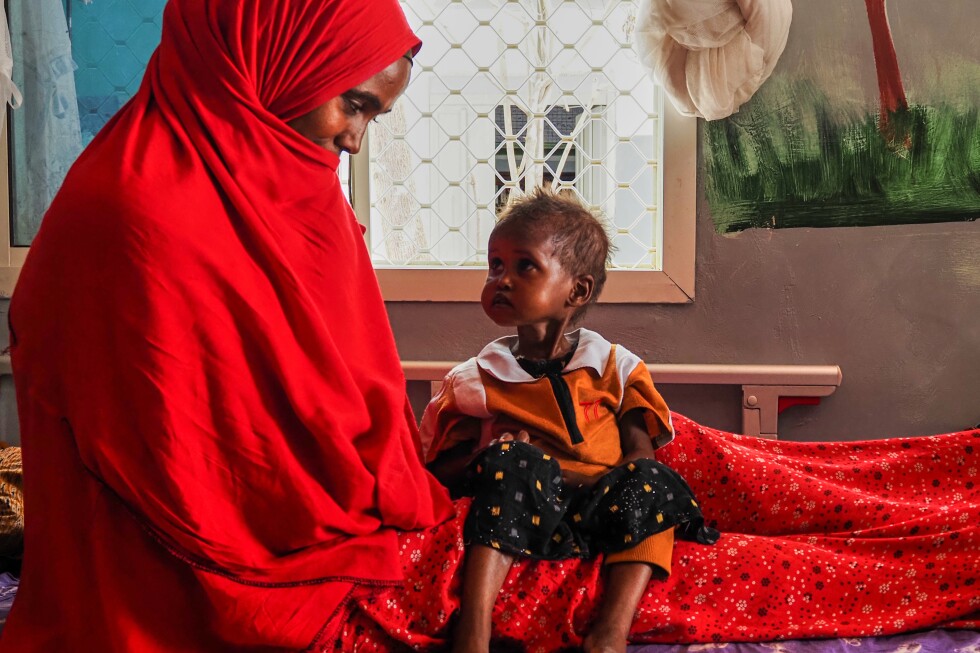
    A groundbreaking report from Médecins Sans Frontières (MSF) exposes sexual violence as an entrenched and systematic weapon within Sudan’s ongoing civil conflict, persisting even in regions distant from active combat zones. The medical charity’s comprehensive analysis, drawing from 3,396 victim testimonies across North and South Darfur between January 2024 and November 2025, reveals a harrowing landscape of brutality where rape has become normalized.

    Armed men, predominantly identified as fighters from the paramilitary Rapid Support Forces (RSF), are cited as the primary perpetrators. The report characterizes sexual assault as a ‘defining feature’ of the conflict, frequently accompanied by extreme violence, humiliation, and the murder of relatives. Particularly shocking accounts emerged following the RSF’s capture of el-Fasher city and displacement camps like Zamzam and Abu Shouk in October, events MSF describes as unfolding ‘the most unimaginable brutality.’

    A critical finding is that this violence does not subside when fighting moves elsewhere. In South Darfur, an area now far from the front lines, sexual assault remains ‘part of everyday life.’ Over 1,300 survivors (68% of whom identified armed assailants) reported being attacked while performing daily subsistence activities like collecting firewood, fetching water, or farming. ‘Every day, when people go to the market, there are four or five cases of rape,’ a 40-year-old woman testified.

    The report underscores a disturbing ethnic dimension, with non-Arab communities such as the Zaghawa, Massalit, and Fur being ‘systematically targeted.’ This pattern is rooted in Darfur’s long history of conflict and is sustained by a heavily militarized environment and a deep-seated culture of impunity. The data also reveals the victimization of children, with one in five survivors in South Darfur being under 18, including 41 children under the age of five.

    MSF emphasizes that its data represents only a fraction of the true scale, citing immense barriers to reporting and care, including stigma, ongoing insecurity, and the collapse of protection services. The charity concludes that the humanitarian response has catastrophically failed survivors and demands urgent accountability and action to address this pervasive crisis.

  • Chee ‘Max’ Chong and Angi Liaw: Melbourne couple on trial accused of keeping woman as slave

    Chee ‘Max’ Chong and Angi Liaw: Melbourne couple on trial accused of keeping woman as slave

    A disturbing case of alleged modern-day slavery has unfolded in Melbourne’s County Court, where a married couple stands accused of subjecting a woman to brutal physical abuse and severe living restrictions within their suburban residence. Chee Kit ‘Max’ Chong and Angi Yeh Ling Liaw have pleaded not guilty to slavery-related charges following accusations they held a 61-year-old woman in servitude for nine months in 2022.

    According to prosecutor Shaun Ginsbourg SC, the Malaysian-born couple allegedly employed beatings, sleep deprivation, and food restrictions as punishment mechanisms against the woman, who cannot be named for legal reasons. The court heard how the victim’s circumstances dramatically deteriorated after initially developing a mother-son relationship with Mr. Chong in Malaysia dating back to 2015.

    The prosecution outlined a pattern of financial exploitation beginning in Malaysia, where the woman—formerly a pastor at Mr. Chong’s church—reportedly provided substantial financial support to the defendant, including funds obtained from her family and congregation members. This financial dynamic continued after the couple relocated to Melbourne in 2017 and invited the woman to join them.

    The situation allegedly turned exploitative in early 2022 when the woman moved into the couple’s Point Cook home to assist with their newborn child. Prosecutors claim Mr. Chong subsequently fabricated credit card issues and demanded she work off supposed debts, transforming her role from helper to captive.

    The woman, who has since died from unrelated causes, described her status as: “He’s a master, I’m a maid. I’m a helper only.” Court documents detail how she was forced to perform domestic chores including cooking, cleaning, and massaging Mr. Chong’s legs, while allegedly being deprived of proper sleeping arrangements—relegated to stairs or the garage—and having her movements and communications severely restricted.

    The case reached crisis point on October 7, 2022, when the woman escaped and presented at St Vincent’s Hospital with extensive injuries including severe ear swelling, foot lacerations, leg inflammation, and signs of malnutrition. Medical staff alerted federal police after hearing allegations of systematic abuse and threats involving immigration authorities.

    Defense attorneys for the couple presented contrasting narratives, describing the woman as a willingly accommodated homeless person whom they supported financially. Barrister Diana Price questioned whether the woman’s household contributions exceeded normal family dynamics, while Daniel Gurvich KC representing Ms. Liaw argued insufficient evidence existed to prove intentional involvement in slavery offenses.

    The trial before Judge Michael Cahill is anticipated to extend over several weeks as jurors assess conflicting accounts regarding one of Melbourne’s most severe alleged modern slavery cases.

  • Ghana sack manager Addo, 72 days before World Cup

    Ghana sack manager Addo, 72 days before World Cup

    In a decisive move just 72 days before the commencement of the 2026 FIFA World Cup, the Ghana Football Association has terminated the contract of national team manager Otto Addo. This abrupt dismissal comes immediately following a series of disappointing international friendly performances, including a 2-1 defeat against Germany in Stuttgart and a devastating 5-1 loss to Austria in Vienna.

    The Black Stars, featuring prominent Premier League talents such as Manchester City’s Antoine Semenyo and Tottenham’s Mohammed Kudus, have encountered significant challenges under Addo’s leadership. The team’s struggles culminated in their failure to qualify for the 2025 Africa Cup of Nations tournament, compounding concerns about their competitive readiness.

    Ghana’s national squad currently endures a four-match losing streak, raising serious questions about their prospects in the upcoming World Cup where they face England, Croatia, and Panama in Group stage matches. The Football Association’s statement confirmed the immediate nature of Addo’s departure and indicated that a new technical direction for the team would be announced shortly.

    Addo, born in Germany but representing Ghana internationally with 15 caps during his playing career, had begun his second tenure as national team manager in March 2024. His dismissal occurs at a critical juncture as Ghana prepares for their World Cup opener against Panama on June 18th, followed by crucial matches against England on June 23rd and Croatia on June 27th.

    The 2026 World Cup, jointly hosted by Canada, Mexico, and the United States, will run from June 11th to July 19th, presenting Ghana with formidable challenges as they seek to regain competitive form under new leadership.

  • ABC issue new pay offer after historic walkout

    ABC issue new pay offer after historic walkout

    In a significant development following the first major industrial action in two decades, the Australian Broadcasting Corporation has presented a revised remuneration package to its workforce. This move comes precisely one week after approximately 2,000 employees staged a 24-hour walkout, creating substantial disruptions to regular broadcasting schedules.

    The unprecedented labor action emerged from stalled negotiations concerning compensation structures, working conditions, and the implementation of artificial intelligence technologies within the national broadcaster. The breakdown in discussions prompted ABC Managing Director Hugh Marks to convene emergency meetings with representatives from both the Media, Entertainment, and Arts Alliance and the Community and Public Sector Union under the mediation of the Fair Work Commission.

    The newly proposed agreement, unveiled on Tuesday, outlines a comprehensive compensation package featuring a 4% salary increase in the initial year, followed by 3.25% increments in both subsequent years. Notably, the offer includes retroactive payments effective from the first full pay period following October 1, 2025. Beyond monetary adjustments, the proposal establishes clearer career progression mechanisms between pay grades, introduces performance-based incentive bonuses, preserves existing promotion protocols, and enhances leave benefits.

    The industrial action last week resulted in widespread programming alterations, with the ABC’s 24-hour news channel unexpectedly airing BBC content instead of its customary domestic coverage. This disruption underscored the critical nature of the labor dispute, which had intensified after unions dismissed an earlier proposal deemed insufficient in addressing job security concerns and compensation requirements.

    Union representatives will now commence consultation processes with their membership bases to determine whether the revised terms meet their collective expectations. The outcome of these deliberations will ultimately decide whether the proposed agreement receives endorsement or whether further industrial measures might be contemplated.

  • Japan deploys its first long-range missiles

    Japan deploys its first long-range missiles

    Japan has officially operationalized its inaugural long-range missile system at Camp Kengun in Kumamoto prefecture, marking a transformative moment in the nation’s defense strategy. The upgraded Type-12 land-to-ship missiles, manufactured by Mitsubishi Heavy Industries, now possess an extended operational range of approximately 1,000 kilometers (620 miles)—a fivefold increase from their previous capability.

    Defense Minister Shinjiro Koizumi characterized the deployment as essential to Japan’s national security, stating that the system significantly enhances the country’s deterrence and response capabilities amid what he described as ‘the most severe and complex security environment in the postwar era.’ The new missiles provide Japan with standoff strike capacity, enabling preemptive targeting of enemy bases from considerable distances.

    Simultaneously, Japan deployed hypersonic glide vehicles at Camp Fuji in Shizuoka prefecture, with additional missile installations planned across Hokkaido, Miyazaki, and other locations by March 2028. The nation further anticipates integrating U.S.-manufactured Tomahawk cruise missiles, with a remarkable 1,600-kilometer range, aboard multiple destroyers beginning later this year.

    This strategic pivot occurs against mounting regional tensions, particularly concerning China’s military expansion. Recent incidents include the simultaneous operation of two Chinese aircraft carriers near Japanese territorial waters—an unprecedented development that prompted Tokyo to establish a specialized office monitoring Chinese Pacific activities.

    The deployment has provoked domestic opposition, with residents near Camp Kengun protesting the installation, citing increased security risks and potential for regional escalation. These concerns highlight the ongoing tension between Japan’s evolving security requirements and its longstanding pacifist constitutional principles.

  • ‘Like a horror’: Gross scenes after $2m Sydney home left trashed, cleaners require hazmat suit for work

    ‘Like a horror’: Gross scenes after $2m Sydney home left trashed, cleaners require hazmat suit for work

    A luxury property in Sydney’s affluent Baulkham Hills district has been transformed into a scene of devastation following the eviction of tenants who allegedly avoided property inspections for several months. The $2 million home, located in the city’s northwest, sustained such extensive damage that professional cleaning crews required full hazardous materials protection to address the contamination.

    Visual documentation obtained by 7News reveals unprecedented levels of destruction throughout the residence, with waste and debris rendering the property virtually unrecognizable. Ashleigh Partsch-Isaako, the professional cleaner contracted for the restoration, described the scene as ‘horrific’ and unlike anything previously encountered in her career.

    The severity of the situation necessitated complete protective gear, including hazmat suits and respiratory masks, to shield workers from biological hazards and overpowering odors permeating the residence. The Tasmanian-based property owners have already invested $4,000 in preliminary cleaning efforts, with comprehensive restoration work now pending.

    Leo Patterson Ross, CEO of the Tenants’ Union of NSW, provided contextual analysis regarding rental property investments, noting that many Australians underestimate the associated risks when entering the housing market. He further indicated that the former tenants would likely face significant challenges securing future accommodation due to this incident being recorded on their rental history.

    The case highlights ongoing tensions within Australia’s rental market, where extreme instances of property damage create substantial financial and emotional burdens for property investors while raising questions about tenant screening processes and legal protections for both parties involved in rental agreements.

  • ASX suffers worst month since 2022 despite late Trump-inspired rally

    ASX suffers worst month since 2022 despite late Trump-inspired rally

    Australia’s financial markets experienced their most severe monthly downturn in four years during March, with the benchmark ASX 200 plummeting 7.9% amid mounting concerns over potential interest rate increases. Despite a modest recovery rally on Tuesday that saw the index gain 20.80 points (0.25%) to close at 8481.80, the market registered its most substantial monthly decline since June 2022.

    The partial market recovery emerged following reports that former US President Donald Trump had indicated willingness to de-escalate military operations against Iran, even if the strategic Strait of Hormuz remains partially closed. This geopolitical development triggered a significant drop in oil prices, which fell over $4 to approximately $107 per barrel.

    Market analysts highlighted concerning concentration risks within the Australian equities landscape. Arian Neiron, CEO and Managing Director of VanEck, noted that “a relatively small group of large companies can do an outsized amount of damage when sentiment turns,” particularly evident during the recent sell-off linked to Middle Eastern tensions.

    Sector performance revealed mixed results, with eight of eleven sectors finishing higher. Information technology led the gains, followed by telecommunications and consumer discretionary stocks. Notable performers included WiseTech Global (+4.08%), Xero (+6.55%), and Technology One Limited (+1.40%).

    The Reserve Bank’s monetary policy minutes introduced additional uncertainty, with officials acknowledging limited predictability regarding future rate movements due to ongoing Middle Eastern conflicts. eToro market analyst Josh Gilbert characterized this admission as “a rare level of frankness from the RBA,” suggesting the central bank is “flying somewhat blind” amid current uncertainties. Markets are currently pricing in three additional rate hikes by year’s end.

    Individual companies faced diverse fortunes: ARN shares plunged 18.97% following legal disputes involving prominent media personality Jackie O, while Koala, an online mattress retailer, enjoyed an 11.80% surge during its ASX debut.