作者: admin

  • Iran fires missiles across Middle East as Trump threatens oil hub

    Iran fires missiles across Middle East as Trump threatens oil hub

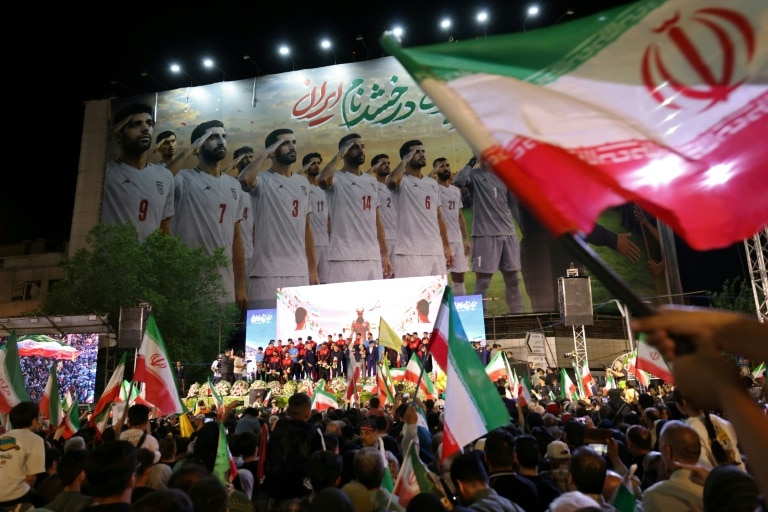
    The Middle East conflict entered a dangerous new phase on Tuesday as Iran launched cross-border missile attacks while experiencing fresh explosions in its capital. This escalation occurred shortly after U.S. President Donald Trump issued a stark warning targeting Iran’s critical oil infrastructure, including export terminals, power stations, and desalination facilities.

    Israeli Prime Minister Benjamin Netanyahu, coordinating with the U.S. administration, reported achieving over half of his military objectives while refusing to establish a definitive timeline for operations that have already triggered a month-long regional war and disrupted global markets. Air raid sirens sounded in Jerusalem as Israel’s military responded to incoming Iranian missiles, while Iranian state media documented new explosions in Tehran causing partial power outages across the capital.

    The conflict expanded to southern Lebanon, where Israel confirmed four additional military casualties in clashes with Iranian-backed Hezbollah forces. Prior to the Tehran strikes, Israel issued a public warning via social media platform X alerting residents of western districts about impending attacks on military infrastructure.

    Iran simultaneously launched missile salvos against Gulf nations it accuses of facilitating U.S. strikes. In Dubai, four civilians sustained injuries from falling debris of intercepted projectiles, while an Iranian attack ignited fires aboard a Kuwaiti oil tanker in port. Saudi authorities reported intercepting eight ballistic missiles hours after Iran’s top diplomat urged Riyadh to expel U.S. forces from the region.

    President Trump presented an ultimatum demanding Iran agree to a war-ending deal that would reopen the strategically vital Strait of Hormuz shipping lane, threatening otherwise to destroy Iran’s electrical grid, oil wells, and Kharg Island facilities. However, conflicting reports suggest the administration might accept a resolution without full strait access, potentially strengthening Tehran’s control over the critical waterway.

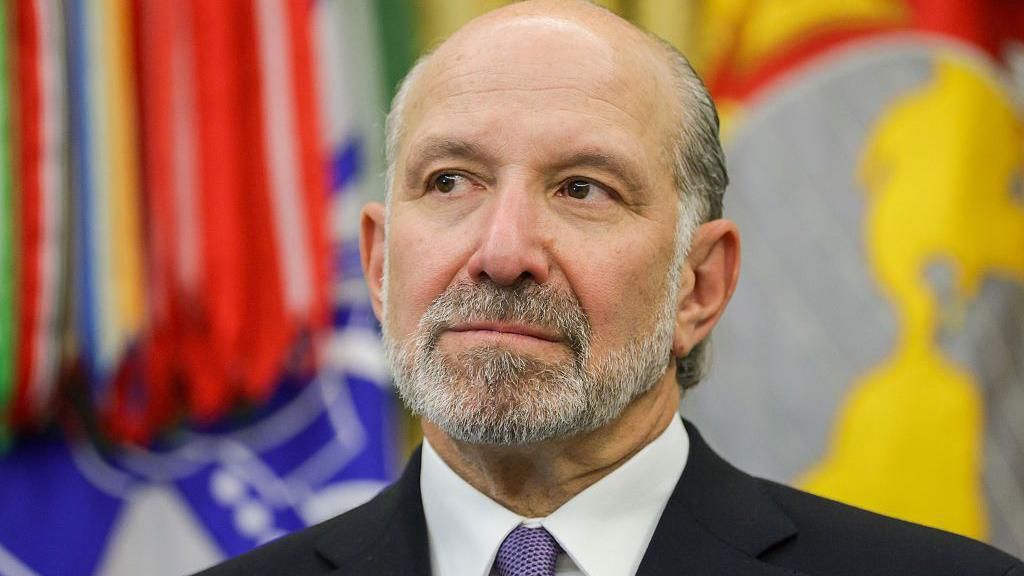
    In response, an Iranian parliamentary committee voted to impose tolls on vessels transiting the strait—which handles twenty percent of global oil shipments—while implementing complete bans on U.S. and Israeli shipping. Secretary of State Marco Rubio condemned this move as setting “an incredible precedent” for seizing international waterways and discussed forming a coalition to counter Iranian control.

    Diplomatic efforts intensified as Pakistani Foreign Minister Ishaq Dar prepared to meet Chinese counterpart Wang Yi following weekend consultations with Saudi, Egyptian, and Turkish counterparts. Pakistan offered to host U.S.-Iran talks in coming days, though Iranian officials consistently denied any direct negotiations with Washington.

    The human impact deepened in conflict zones, with Tehran residents describing lives suspended between momentary normality and the grim reality of wartime existence. On the Lebanese front, UN peacekeeping forces suffered casualties with two Indonesian peacekeepers killed in vehicle explosions of undetermined origin, prompting French calls for an emergency UN Security Council meeting.

    G7 economic ministers convened in Paris to address the war’s consequences as market analysts warned that ground operations or expanded Iranian retaliation could drive oil prices to historic levels unseen since the 2008 commodity boom. Further complicating matters, Yemen’s Houthi rebels launched missiles and drones toward Israel, threatening Red Sea shipping routes in addition to Gulf maritime security.

  • US used new ballistic missile in strike that killed teens in Iran sports hall: Report

    US used new ballistic missile in strike that killed teens in Iran sports hall: Report

    A previously combat-untested US-manufactured ballistic missile struck civilian facilities in southern Iran during the opening phase of recent US-Israeli military operations, according to a New York Times investigation. The Precision Strike Missile (PrSM) impacted a sports complex and elementary school in Lamerd on February 28, causing significant casualties.

    Forensic analysis of the damage patterns indicates the short-range ballistic weapon functioned as designed, detonating above its targets and dispersing tungsten pellets across wide areas. Military experts consulted by the Times confirmed that verified video evidence of the explosions corresponds with the PrSM’s documented blast characteristics.

    Iran’s state media reported at least 21 fatalities from the strikes, with UN representative Amir Saeid Iravani noting the sports hall was actively occupied by a girls’ volleyball team during the attack. Additional reporting described chaotic scenes as young athletes underwent training when the missile struck.

    The Times investigation could not determine whether the civilian targeting resulted from intentional action, targeting error, or technical malfunction attributable to the weapon’s battlefield debut. Journalists noted the civilian nature of both structures was clearly identifiable on major digital mapping platforms.

    In a related development, Pentagon investigators confirmed US responsibility for a separate strike on a girls’ school in Minab that killed 165 people, predominantly children aged 7-12. This attack employed a Tomahawk missile, though previous administration officials attempted to deflect responsibility through inaccurate claims about Iranian weapons capabilities.

    The PrSM represents advanced military technology designed to replace the Army Tactical Missile System, featuring ground-launch capability and precision targeting. Conflict casualty figures provided by the International Federation of Red Cross and Red Crescent Societies indicate approximately 1,900 deaths and 20,000 injuries in Iran since hostilities commenced.

  • Round five teams: Kieran Foran resists the urge to pick Joey Walsh as Brandon Smith’s return from injury is delayed

    Round five teams: Kieran Foran resists the urge to pick Joey Walsh as Brandon Smith’s return from injury is delayed

    The National Rugby League (NRL) landscape experienced significant shifts this week as interim Manly Sea Eagles coach Kieran Foran made a decisive team selection, opting against promoting young talent Joey Walsh to the halves despite mounting fan pressure. This development follows the club’s recent dismissal of head coach Anthony Seibold amid a winless start to the season with three consecutive home losses.

    Sea Eagles captain Tom Trbojevic advocated for patience regarding Walsh’s development, stating, “Joey’s going to be at this club for a long time and be a very, very successful first grade footy player for Manly. But for now, I think he needs to be developed into that player… he will get his time to play.”

    Across the league, several clubs faced substantial lineup challenges due to injuries and suspensions. The Warriors suffered a major setback with inspirational forward Mitch Barnett ruled out indefinitely after breaking his right thumb just two games following recovery from a serious knee injury.

    The Bulldogs maintained their halves pairing of Matt Burton and Lachlan Galvin, with Stephen Crichton remaining at left center. Meanwhile, the Rabbitohs received a boost with Campbell Graham’s return from injury, though Brandon Smith continues recovering from a calf issue.

    Notable roster changes include:
    – Broncos welcoming back powerhouse prop Payne Haas for their clash against Titans
    – Sharks naming Briton Nikora in reserves after he missed the Canberra trip with broken nose
    – Wests Tigers maintaining momentum after their big win in New Zealand
    – Eels naming Joash Papalii at fullback to replace injured Isaiah Iongi
    – Panthers facing Storm with Freddy Lussick replacing suspended Mitch Kenny at hooker
    – Dragons starting Lyhkan King-Togia at five-eighth for injured Kyle Flanagan

    The most concerning development emerged from the Bulldogs camp, where veteran forward Tui Kamikamica suffered a suspected stroke, prompting the club to name a six-man bench including Lazarus Vaalepu, Jack Hetherington and Davvy Moale.

  • Mongolia names new prime minister in bid to end legislative deadlock

    Mongolia names new prime minister in bid to end legislative deadlock

    ULAANBAATAR, Mongolia — Mongolia’s parliament has confirmed Uchral Nyam-Osor as the nation’s third prime minister within a year, marking a critical move to resolve legislative gridlock amid growing economic challenges facing the resource-dependent, landlocked country.

    The 39-year-old former Digital Development and Communications Minister secured overwhelming parliamentary support with 88 votes from 107 lawmakers present (82.2%) during Monday night’s session. His appointment follows the resignation of predecessor Zandanshatar Gombojav, who stepped down after just nine months in office amid corruption allegations against one of his senior ministers.

    Uchral, who previously gained public recognition as hip-hop artist ‘Timon’ before entering politics, immediately called for political unity in his address to lawmakers. ‘While other nations unite to confront crises, we cannot afford internal disputes that weaken our economy,’ he stated, acknowledging both external pressures and self-inflicted political challenges.

    The new prime minister brings a reform-oriented agenda focused on modernizing Mongolia’s regulatory framework, particularly streamlining Soviet-era permitting systems and advancing digital governance initiatives. His background in promoting transparency reforms aligns with urgent needs to address foreign investor concerns regarding political instability, frequent policy shifts, and regulatory unpredictability.

    Uchral emerges as a compromise figure between factions within the ruling Mongolian People’s Party—those aligned with the president and supporters of former Prime Minister Oyun-Erdene Luvsannamsrai, who resigned last June after losing a confidence vote. The appointment resolves a parliamentary crisis that had paralyzed legislative proceedings due to opposition boycotts and ruling party infighting.

  • Hindu devotional clubbing sways India’s youth

    Hindu devotional clubbing sways India’s youth

    Across India’s urban landscapes, a cultural phenomenon is transforming traditional worship into a vibrant nighttime experience. ‘Bhajan clubbing’ has emerged as an unexpected fusion of ancient Hindu devotional songs and contemporary concert energy, drawing thousands of young professionals to spiritual gatherings that pulse with electric guitars and powerful drumbeats.

    In New Delhi’s suburbs, venues like the ChaiLeela cafe regularly host these innovative events where IT professionals, nuclear physicists, and doctors sway to rhythmic reinterpretations of songs praising deity Krishna. The atmosphere crackles with spiritual energy as modern instrumentation elevates centuries-old bhajans into immersive musical experiences.

    This movement represents more than musical innovation—it’s a cultural bridge connecting millennials and Gen Z with their spiritual heritage through mediums they understand. March 2026 witnessed at least five major devotional concerts across the capital, with attendance reaching tens of thousands. The 16th-century Purana Qila fort recently hosted approximately 7,000 devotees in an event that resembled a rave more than traditional religious gathering.

    Prime Minister Narendra Modi has endorsed this trend, recognizing in his weekly radio broadcast how bhajan clubbing ‘incorporates the spirit of devotion into the youth’s experiences and lifestyles.’ The movement has gained political support, with Delhi Chief Minister Rekha Gupta from Modi’s party introducing a massive devotional show at Jawaharlal Nehru Stadium.

    Organizers emphasize the alcohol-free nature of these events, offering young people an alternative to conventional nightlife. ‘We want the youth to be high on spirituality, not spirits,’ stated Nikunj Gupta, organizer of the Purana Qila festival. This approach has resonated with conservative Hindus while providing socially acceptable entertainment options.

    The phenomenon reflects broader cultural shifts in India, where public expressions of Hindu identity are experiencing revival. The movement has transcended national borders, with neighboring Nepal hosting bhajan club nights attracting over 3,000 participants. Organizers maintain the essential spiritual core while delivering it through modern musical arrangements that appeal to younger demographics.

    Attendees report multiple benefits—from spiritual connection to national pride and psychological calm. The events successfully merge traditional devotion with contemporary entertainment values, creating a unique cultural space that respects religious traditions while embracing modern expression.

  • The personal items the Artemis II crew are taking to the Moon

    The personal items the Artemis II crew are taking to the Moon

    In an unprecedented celestial endeavor, NASA’s Artemis II mission prepares to launch four exceptional astronauts on humanity’s first lunar orbital journey in over 50 years. The diverse crew comprises Commander Reid Wiseman, Victor Glover, Christina Koch, and Jeremy Hansen from the Canadian Space Agency, representing a new era of international space collaboration.

    Commander Wiseman, a seasoned US Navy test pilot and veteran of Expedition 40 aboard the International Space Station, brings profound leadership experience to the mission. Beyond his technical expertise, Wiseman embodies resilience as a single parent to two teenage daughters following the tragic loss of his wife to cancer in 2020. He openly discusses with his children the realities of spaceflight risks, emphasizing the importance of preparedness for life’s uncertainties.

    Christina Koch marks a historic milestone as the first woman destined to travel to the Moon. An accomplished engineer and physicist, Koch already holds the record for the longest single spaceflight by a woman (328 days aboard the ISS in 2019) and participated in the first all-female spacewalk. Her inspiration stems from childhood exposure to the iconic Apollo 8 Earthrise photograph, which revealed the profound human element behind space exploration.

    Jeremy Hansen, making history as the first non-American lunar traveler, represents Canada’s growing role in space exploration. The former Royal Canadian Air Force fighter pilot and physicist has played crucial roles in astronaut training at NASA’s Johnson Space Center. Hansen’s approach to mission preparation includes transparent conversations with his family about technical aspects and safety protocols, demystifying the complexities of space travel.

    Victor Glover, set to become the first Black astronaut to journey to the Moon, brings impressive credentials as a former Navy fighter pilot and test pilot with three master’s degrees. His previous experience as pilot of NASA’s SpaceX Crew-1 mission and Expedition 64 aboard the ISS provides invaluable practical knowledge. Glover’s preparation involves studying original Gemini and Apollo documents to extract timeless engineering wisdom from earlier space missions.

    The Artemis II mission represents more than technological achievement—it embodies human curiosity, international cooperation, and personal sacrifice. Each astronaut plans to carry meaningful personal items, from handwritten notes and family pendants to historical artifacts, maintaining tangible connections to Earth during their groundbreaking journey around the Moon.

  • Rescuers find 21 people on raft drifting in Indonesian waters after their boat sinks

    Rescuers find 21 people on raft drifting in Indonesian waters after their boat sinks

    Indonesian search and rescue teams successfully located and saved all 21 passengers from a distressed raft on Tuesday morning, approximately 24 hours after their vessel succumbed to violent sea conditions. The operation concluded without casualties after initial reports indicated 27 individuals were missing.

    The incident occurred when the Nazila 05, a dual-purpose vessel utilized for both tourism and fishing operations, encountered severe weather while traveling from Taliabu Island in North Maluku province to Kema in North Sulawesi. According to official statements from Muhammad Rizal, head of Palu’s search and rescue office, the captain reported structural failure as massive waves shattered the bow, compelling the entire crew to evacuate to a longboat before the ship foundered.

    Survivors, predominantly fishing crew members, were discovered approximately 46 kilometers (29 miles) from the sinking location after tying themselves to a raft for safety. The national rescue agency Basarnas coordinated the response using two dedicated vessels alongside assistance from local fishing boats. All rescued individuals are being transported to the nearby city of Gorontalo for medical evaluation and reunification with families.

    This successful outcome highlights both the perils and preparedness within Indonesia’s maritime infrastructure. As the world’s largest archipelago nation with over 17,000 islands, maritime transportation remains essential yet frequently challenged by safety compliance issues and overcrowding practices that contribute to regular aquatic emergencies.

  • 18-20 year olds to be granted adult wages after more than six months work in key industries

    18-20 year olds to be granted adult wages after more than six months work in key industries

    In a groundbreaking ruling that promises to reshape the Australian youth employment landscape, the Fair Work Commission has mandated the gradual elimination of junior pay rates for thousands of young workers. The decision specifically targets employees aged 18-20 who have completed more than six months of service in three critical industries: fast food, general retail, and pharmacy sectors.

    The phased implementation, scheduled over a four-year timeline, will guarantee eligible young workers full adult wage parity—a significant departure from previous compensation structures. This transformative policy shift directly addresses what labor advocates have long criticized as systemic age-based wage discrimination.

    With statistical data revealing the median age of fast food workers stands at 18 years, the economic implications are substantial. These sectors collectively employ over 1.5 million Australians, with a disproportionately high concentration of workers under 21 facing cost-of-living pressures identical to their older counterparts.

    The landmark decision emerged from the persistent ‘adult age, adult wage’ campaign championed by the Shop, Distributive and Allied Employees Association (SDA). The union hailed the ruling as a monumental advancement for workers’ rights, drawing historical parallels to the introduction of gender pay equity in the 1970s.

    SDA National Secretary Gerard Dwyer emphasized the societal significance: ‘Eighteen-year-olds are legally recognized adults who vote, drive, and serve their country. They face identical financial responsibilities—from rent to transportation costs—without age-based discounts. This ruling finally acknowledges their equal economic value in the workplace.’

    While celebrating the principle established, union representatives indicated they would advocate for accelerated implementation timelines, noting the reform was overdue for young adults who have long contributed fully to their workplaces while receiving diminished compensation.

  • King Charles should meet Epstein victims, US lawmaker says

    King Charles should meet Epstein victims, US lawmaker says

    A prominent US legislator has formally requested that King Charles III engage with survivors of Jeffrey Epstein’s sexual abuse network during the monarch’s anticipated visit to the United States later this month. Although Buckingham Palace has not officially confirmed the royal itinerary, multiple sources indicate the King and Queen Camilla are planning diplomatic engagements in Washington around late April.

    Democratic Congressman Ro Khanna, instrumental in compelling the Justice Department to release sealed Epstein documents through legislative action last year, addressed the British sovereign in a detailed letter dated Monday. The California representative emphasized the transnational nature of Epstein’s criminal operations, noting the network’s “significant ties to the United Kingdom through Ghislaine Maxwell, through Epstein’s relationships with British public figures, and through the social and political circles in which he operated.”

    Khanna’s correspondence stressed that these international connections “raise broader questions about how Epstein was able to maintain influence, credibility, and protection across borders for so long.” The congressman specifically referenced ongoing Congressional efforts to obtain testimony from the King’s brother, Andrew Mountbatten-Windsor, whose royal titles were revoked in 2022 following scrutiny of his associations with the convicted sex offender. Despite congressional subpoenas, the Duke has not provided testimony to US investigators and maintains his complete innocence regarding any wrongdoing.

    The potential royal visit would mark significant diplomatic symbolism ahead of July’s 250th anniversary commemorations of the American Declaration of Independence. Preliminary schedules suggest the King would meet with former President Donald Trump and potentially address a joint session of Congress during the Washington stop.

    Buckingham Palace has previously stated that the monarch’s “sympathies have been, and remain with, the victims of any and all forms of abuse,” while also confirming the Royal Family’s readiness to support official investigations. Recent justice department document releases have included photographs showing Mountbatten-Windsor with Epstein and in compromising positions with anonymized individuals, though the former prince reached an out-of-court settlement with primary accuser Virginia Giuffre in 2022 without admitting liability.

  • Israeli Knesset passes law to execute Palestinians for ‘acts of terrorism’

    Israeli Knesset passes law to execute Palestinians for ‘acts of terrorism’

    Israel’s parliament, the Knesset, has enacted a highly contentious death penalty statute that specifically applies to Palestinians in the occupied West Bank, drawing immediate condemnation from human rights organizations and legal experts. The legislation, passed on Monday, establishes two distinct legal pathways for capital punishment based on national identity, making death sentences the default penalty for Palestinians tried in military courts.

    Suhad Bishara, Legal Director at Adalah—a Palestinian-run legal center—denounced the legislation as institutionalizing ‘state-sanctioned, cold-blooded killing of individuals who pose no threat whatsoever.’ Bishara emphasized that the law ‘exclusively targets Palestinians, violating the fundamental principle of equality and prohibition on racial discrimination.’

    The Association for Civil Rights in Israel has filed a petition challenging the law’s validity, citing dual constitutional and jurisdictional concerns. The organization contends that the Knesset lacks legislative authority over the West Bank, where Israel holds no sovereignty under international law. Furthermore, they argue the statute violates protected rights under Israel’s Basic Law: Human Dignity and Liberty, including the right to life, human dignity, due process, and equality.

    The legislation creates concerning procedural mechanisms allowing executions by hanging to be conducted covertly while imposing near-total isolation on condemned prisoners. Notably, the law specifies capital punishment for killings categorized as ‘acts of terrorism,’ effectively exempting Israeli citizens convicted of murder.

    International legal experts warn this legislative move represents a de facto annexation of the West Bank, as occupying powers cannot generally apply domestic laws to occupied territories under international law. Israel gained control of the West Bank during the 1967 War, and the territory remains classified as occupied under international statutes.

    Adalah has announced plans to petition Israel’s Supreme Court against the legislation, setting the stage for a significant constitutional challenge that will test the boundaries of Israel’s legal authority in occupied territories.