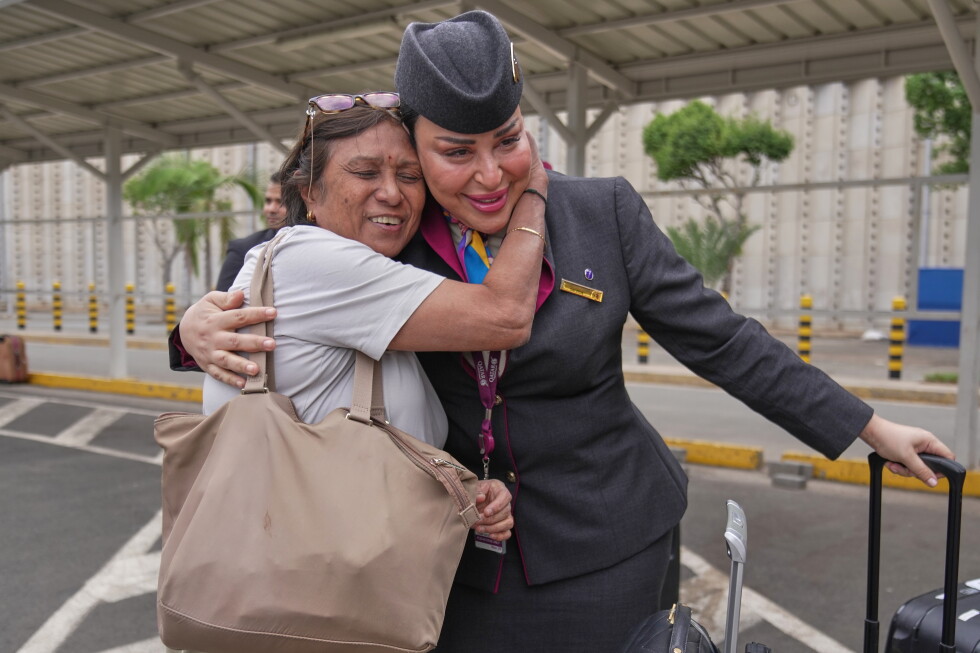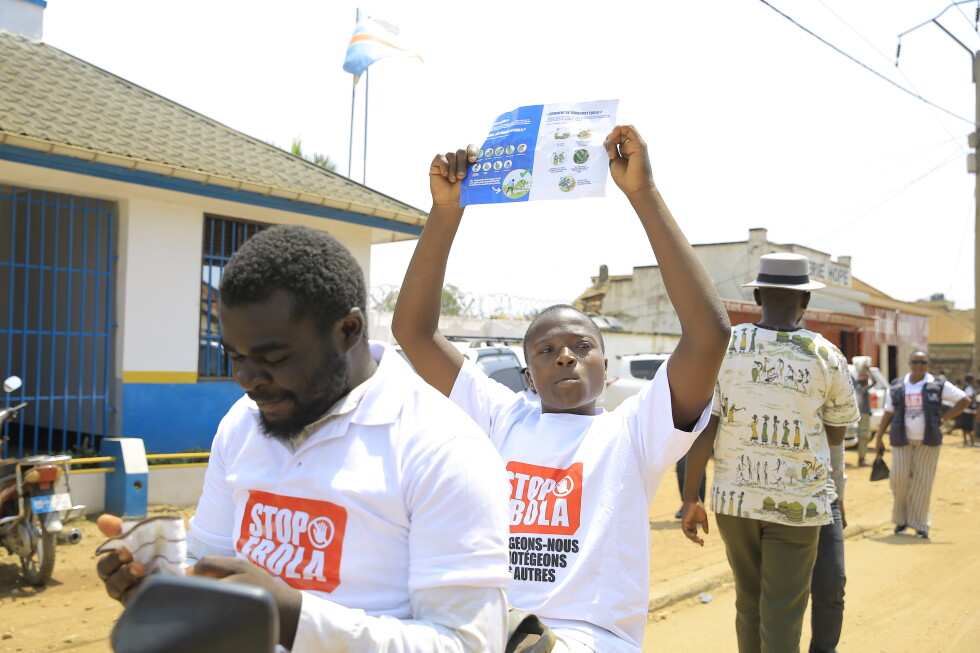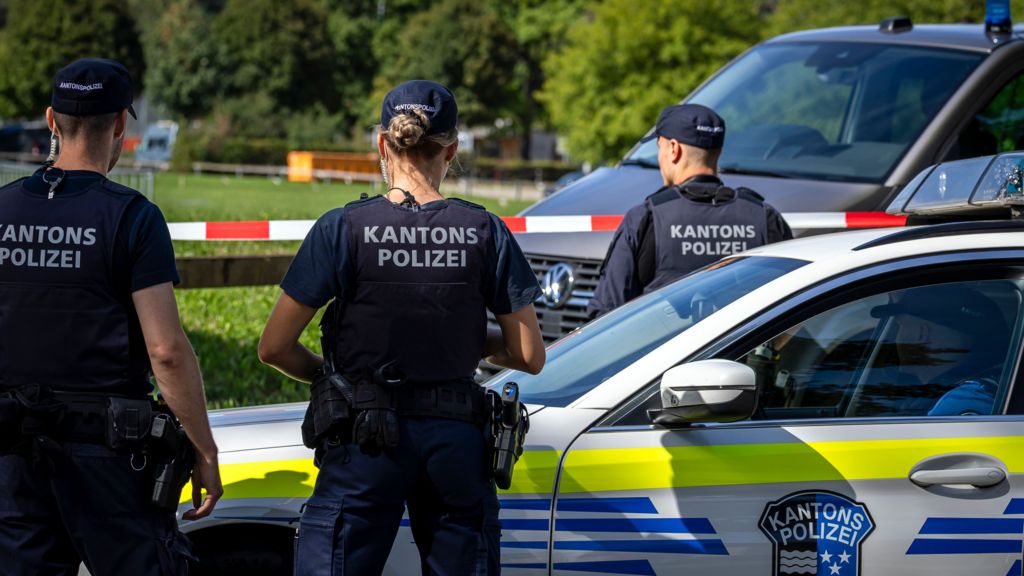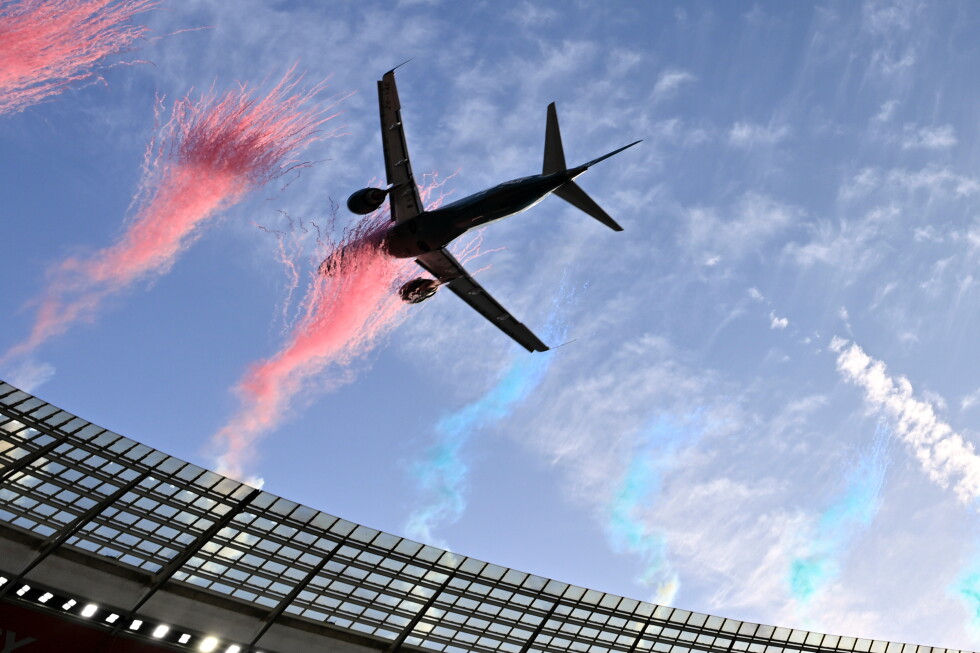
After more than three decades since the United States last welcomed the FIFA World Cup, the world’s most-watched sporting spectacle is returning to North American soil this summer, co-hosted jointly by the US, Canada and Mexico. As the kickoff draws near, organizers and local communities are navigating a range of pre-tournament challenges, from lingering geopolitical tensions and widespread frustration over strict visa rules to sticker shock from record-high ticket prices. At the top of many minds remains one pressing question: is the United States truly prepared to shoulder the pressure of co-hosting an event of this unprecedented scale?
作者: admin
-

Two reportedly killed as women take part in rare protest in Afghanistan
In western Afghanistan’s Herat city, a rare public demonstration against the Taliban’s recent mass detention of women accused of violating hardline Islamic dress rules has ended in chaos, with conflicting accounts of violence that have drawn international condemnation.
The protest unfolded earlier this month, days after local Taliban authorities launched a new crackdown on women perceived to be failing to comply with mandatory hijab regulations. The enforcement push, announced publicly on Friday, saw morality police from the Ministry for Propagation of Virtue and Prevention of Vice begin stopping vehicles and patrolling public spaces from Saturday onward, checking women’s compliance with the dress code. Multiple eyewitnesses confirmed to the BBC that they had directly observed women being taken into custody for non-compliance, though local Herat government officials have dismissed reports of dozens of arrests as false rumor.
Both men and women joined the street demonstration to oppose the detentions, in one of the most high-profile public challenges to Taliban rule since the group retook full control of Afghanistan in August 2021. Witnesses and participating protesters allege that Taliban security forces responded with excessive force, deploying batons, whips, and live ammunition to break up the gathering. One protester told AFP that officers fired shots into the air to scare crowds, while a press photographer on the scene confirmed seeing security forces strike demonstrators and fire weapons toward the assembled crowd. “A significant number of people were injured” based on his direct observation, the photographer stated, adding that the incident left local residents “extremely frightened.”
Videos circulated widely on social media in the aftermath of the crackdown, with audio that clearly captures the sound of gunfire and women screaming in distress as they plead for security forces to stop beating demonstrators. In one viral clip, protesters can be heard chanting three core demands: “education, work, freedom.”
Conflicting accounts of casualties have since emerged. Local medics told the BBC that two people were killed in the incident, though they did not confirm the cause of death, and multiple others were left wounded. Taliban authorities have pushed back on these claims: Herat Police spokesperson Sayed Masoud Hosseini denied any fatalities occurred, while acknowledging that officers had intervened in the protest to “ensure security and maintain public order.” Hosseini argued that the demonstration had “disturbed public order” and claimed protesters were “creating tension under the pretext of protesting issues related to the observance of hijab, which is considered a divine obligation.” The BBC has not been able to independently verify the conflicting claims of violence and casualties.
The incident has drawn immediate pushback from the international human rights community. Richard Bennett, the United Nations special rapporteur tasked with monitoring human rights conditions in Afghanistan, posted on social platform X that he was “alarmed by excessive use of force against seemingly peaceful protesters in Herat,” calling for all those responsible for the violence to be “held accountable.”
Public opposition to Taliban policy, particularly demonstrations led by women, has been extremely rare over the three years since the group returned to power. Early, small-scale attempts by women to protest the sweeping restrictions imposed on their access to education, employment, and public life gradually died out after harsh crackdowns: multiple women told the BBC they were intimidated into silence after experiencing beatings, arbitrary detention, verbal abuse, and even death threats including threats of execution by stoning. The mandatory hijab rule, imposed on all women across Afghanistan in May 2022, is one of dozens of restrictive policies that have rolled back decades of progress on Afghan women’s rights and access to public life. Local residents report that since the new crackdown began in Herat, public markets that once drew large numbers of female shoppers have been left largely empty, as women fear leaving their homes to avoid arbitrary arrest.
-

Pope Leo XIV met Bad Bunny in Madrid on Monday: Vatican
The Vatican has officially confirmed an unexpected, headline-grabbing meeting between Pope Leo XIV and Puerto Rican pop sensation Bad Bunny in the Spanish capital of Madrid this week. The brief encounter took place on Monday, while Pope Leo was in the middle of a high-profile state visit to the historically Catholic nation. Vatican spokesperson Matteo Bruni confirmed the news to reporters on Tuesday, clarifying details of the unplanned interaction. Bruni stated that Bad Bunny was accompanied by his family and a small group of associates when Pope Leo greeted the gathering shortly before departing Madrid’s Santiago Bernabéu Stadium, the iconic home ground of Real Football Club Madrid. Approximately 80,000 devotees had packed into the venue that day for a major gathering between the pontiff and Madrid’s diocesan Catholic community, marking the third day of his five-day trip to Spain.
The timing of the meeting was a striking coincidence: Bad Bunny is currently in Madrid wrapping up a string of sold-out shows at the Metropolitano Stadium, home to Real Madrid’s cross-city rival Atletico Madrid, as part of his wildly successful *Debi Tirar Mas Fotos* (I Should Have Taken More Photos) world tour. According to local Spanish media reports, representatives from both the papal delegation and Bad Bunny’s team are still working to identify the appropriate moment to release the official photographs captured during the meeting.
The overlapping visits have sparked discussion among cultural observers about shifting religious and cultural trends in Spain, where rates of traditional religious observance have fallen steadily over the past several decades. Many analysts note that modern young people in the country often navigate a tension between long-held spiritual ties and the pull of mainstream secular pop culture. Ahead of his arrival in Madrid, Pope Leo addressed this very dynamic while speaking to reporters aboard his flight to the capital on Saturday. The pontiff said he was encouraged by recent reports showing growing curiosity about the Catholic Church among young Spaniards, adding that he viewed the overlapping events as a meaningful reflection of modern life. “I think many will see Bad Bunny. But I think there will also be a few here to see the pope. And that says something,” the pontiff remarked, framing the simultaneous cultural moments as a reflection of the diverse priorities of contemporary youth.
-

AP Interview: Albania’s leader defends Kushner-linked luxury development
Mass public demonstrations and competing investigations have failed to shift the Albanian government’s commitment to a high-end coastal development project tied to Jared Kushner, son-in-law of former U.S. President Donald Trump, Albanian Prime Minister Edi Rama confirmed in an exclusive interview with the Associated Press this week.
The controversial multi-component project, which plans to build luxury hotels, private apartments, upscale villas, and a superyacht marina, has drawn thousands of daily protesters to the streets outside the prime minister’s office in central Tirana. Critics have raised urgent red flags over the project’s planned footprint: one section sits on the protected Narta Lagoon, a critical nature reserve for migratory wild birds, while the second smaller resort component is earmarked for Sazan, an uninhabited former Cold War-era communist military base untouched by large-scale development.
Rama has pushed back hard against environmental and public backlash, framing widespread opposition as a product of amplified misinformation and manipulated half-truths. He noted that the project originated from an unexpected chance encounter: Kushner and his wife Ivanka Trump stopped to refuel their yacht in the Albanian port of Durres during a trip to Montenegro, where they praised the nation’s natural scenery at a dinner with Rama. Months later, the pair reconnected at the World Economic Forum in Davos, where Kushner formally expressed interest in investing in Albania’s growing tourism sector. An investment firm affiliated with Kushner has since been granted special investor status by Albanian regulators.
Despite heavy machinery already arriving on site to clear vegetation, build access roads, and install fencing in the protected reserve starting in late May, Rama maintains the project remains in the preliminary planning stage. He stressed that no formal environmental impact assessment has been launched because the final blueprints are still being refined by international architects and environmental specialists. The prime minister pushed back on claims the government is disregarding ecological protections, pointing to his administration’s existing conservation wins including a 10-year national hunting moratorium that helped restore flamboyingo populations and other native wildlife across the country.
For the Albanian government, the project represents far more than a private investment: it is framed as a transformative step for the small former communist nation, which has spent decades working to raise its international profile, attract high-value foreign capital, and expand its nascent luxury tourism sector as it pursues official European Union membership. Rama argued the project signals a landmark shift for Albania, moving it from a nation largely overlooked by global investors to a top destination for large-scale international capital.
When asked directly if he would consider stepping back from the controversial plan, Rama rejected the possibility outright, responding simply, “Step back from what?” Critics have raised multiple red flags beyond environmental harm, however: Albania’s national anti-corruption agency has already opened an investigation into the project, amid competing legal claims over the privatization of the project’s land. While the government asserts the acreage is now privately owned, opposing parties have challenged the legitimacy of the original privatization process.
Rama acknowledged that much of the current backlash has been amplified by outside influences, pointing to a long-running pattern of cyber interference from Iran, which Albania has repeatedly accused of orchestrating hacking campaigns against the country’s digital infrastructure in retaliation for Albania hosting a major Iranian opposition group. Tehran has consistently denied these allegations. The prime minister was careful to clarify that he does not accuse individual, grassroots protesters of being foreign agents, but said bad-faith foreign manipulation has inflated public anger and spread distorted claims about the project.
-

Bangladesh beat Australia for first time in 21 years
It was a day for the history books at Mirpur’s Shere Bangla National Stadium, as Bangladesh pulled off one of the biggest upsets in recent one-day international cricket, securing their first victory over Australia in 21 years with a commanding 86-run win via the Duckworth-Lewis-Stern method in the opening match of their three-match series.
Heading into the contest, Bangladesh carried the weight of a devastating 14-match losing streak against Australia, with their only previous ODI win against the cricketing powerhouse coming back in 2005 during a tri-series in Cardiff, Wales. That 18-year gap (updated to 21 years by the time of this 2025 fixture) made Wednesday’s result all the more remarkable for the underdog side.
Bangladesh won the toss and elected to bat first, posting a competitive total of 284 for 8 off their full 50 overs. The standout performance of the innings came from all-rounder Mosaddek Hossain, who scored an unbeaten 86 – and he had plenty of help from Australia’s sloppy fielding, which dropped six catching chances throughout the innings, four of which came when Mosaddek was at the crease, gifting him multiple reprieves that allowed him to build his match-changing knock.
In reply, Australia got off to a disastrous start, losing opener Matt Short to the very first ball of the innings, followed quickly by the wicket of star batter Marnus Labuschagne to leave the tourists reeling at 2 wickets for just 2 runs. Playing without several of their first-team regulars for this tour, Australia struggled to recover from the early collapse. Wicketkeeper Alex Carey contributed 47, and all-rounder Cameron Green hit an unbeaten 52, but the side could only limp to 191 for 9 before an incoming storm forced an early end to play.
Bangladesh’s bowling attack was dominant throughout the chase. Young pace bowler Nahid Rana was the pick of the bunch, taking 4 wickets for just 41 runs, including the key scalps of Carey and stand-in Australian captain Josh Inglis. Spinner Mosaddek, playing his first ODI for Bangladesh in four years, chipped in with 2 wickets for 37 runs to cap off a man-of-the-match performance with both bat and ball.
Beyond the bilateral series result, the contest carries wider implications for 2027 Cricket World Cup qualification, with ripple effects for third side England. Currently, England sit eighth in the ICC Men’s ODI Team Rankings, Bangladesh ninth, and the West Indies 10th. Only the top nine ranked teams by September will earn automatic qualification for the 2027 tournament, and England faces a tough test against India in their upcoming ODI series in July, leaving the door open for Bangladesh to jump ahead and claim a direct spot if they continue their strong form. The second ODI of the three-match series will be held back at the Shere Bangla National Stadium this coming Thursday.
-

Israel’s Ben Gvir calls for arresting Lebanese ‘women and youth’ to pressure Hezbollah
Tensions across the Israel-Lebanon border have surged to new heights after a senior Israeli far-right minister publicly called for the abduction of Lebanese women and young people as a pressure tactic against the Hezbollah militant group, sparking fresh international condemnation over alleged violations of international humanitarian law.
National Security Minister Itamar Ben Gvir laid out the extreme proposal during a closed-door Israeli security cabinet meeting on Tuesday, a gathering where top officials uniformly backed a plan to expand ongoing military operations against Hezbollah in southern Lebanon. In remarks confirming his stance after the meeting, Ben Gvir argued for unorthodox strategies to weaken the group. “Let’s start thinking outside the box about Hezbollah,” he said, adding: “Conquering territory and killing many terrorists, but also arresting their women and youth and holding them in Israeli prisons. That is what hurts them the most.”
Ben Gvir’s proposal does not exist in a vacuum: records confirm that Israeli forces have already abducted dozens of unnamed Lebanese civilians since the 2024 cross-border war began, though the exact total remains undisclosed. These captives are among 1,316 people currently detained under Israel’s controversial 2002 “unlawful combatant” law, a statute originally crafted to enable indefinite, renewable detention of Lebanese individuals who fall outside Israeli formal jurisdiction. The law allows Israeli authorities to hold detainees without formal indictments, court-issued arrest warrants, or access to legal counsel. It also permits officials to withhold information about detainees’ whereabouts and conditions of detention, a practice leading global human rights organizations have labeled a blatant breach of binding international law. The current detainee population held under this law also includes hundreds of Palestinian people from Gaza and Syrian nationals.
Escalation of hostilities remains at the top of the Israeli government’s agenda, even after the United States announced a ceasefire agreement for Lebanon in mid-April. According to official statements from the security cabinet meeting, Israeli leaders have formally pushed to expand military strikes and dramatically increase defense allocations for the campaign against Hezbollah. Development Minister Yitzhak Wasserlauf called on Finance Minister Bezalel Smotrich to immediately unlock additional funding for military artillery and operations, a demand that received quick backing from Defense Minister Israel Katz. “The prime minister made an important decision to attack, and we must expand our armaments even further,” Katz said.
Lebanese officials have already documented the staggering human cost of unrelenting Israeli strikes that have continued despite the purported ceasefire. Lebanese Defense Minister Michel Menassa confirmed this week that Israeli forces have carried out roughly 3,500 separate attacks and hundreds of controlled explosions across Lebanese territory since the 17 April ceasefire was announced. The ongoing violence has displaced more than 1.2 million Lebanese people nationwide, according to official data. Lebanon’s health ministry reports that at least 3,637 people have been killed by Israeli forces since the latest large-scale assault began in March, with more than 800 of those deaths occurring after the mid-April ceasefire announcement. For its part, Hezbollah’s cross-border strikes have killed 34 Israelis since March, the majority of them active-duty soldiers, including 18 fatalities in the period following the 17 April truce announcement.
This report draws on independent on-the-ground reporting from Middle East Eye, a media organization specializing in original coverage of the Middle East, North Africa and adjacent regions.
-

EU orders Meta to restore WhatsApp access for rival AI chatbots
BRUSSELS – In a landmark move targeting Big Tech market power in the fast-expanding artificial intelligence sector, European Union antitrust regulators issued a mandatory interim order on Tuesday requiring Meta Platforms to reinstate full access to the WhatsApp platform for competing AI chatbot developers, a requirement that will stay in effect for the duration of an ongoing antitrust investigation into the tech giant’s restrictive business practices.
The European Commission, the EU’s 27-nation executive body and primary competition enforcement authority, framed the intervention as a proactive step to protect emerging competition in the AI assistant market before irreversible harm to market dynamics can occur. The regulator launched its investigation into Meta’s WhatsApp AI policies last year, after flagging concerns that the company had violated EU competition rules by blocking third-party AI developers from offering their own AI assistant services on the popular messaging platform, effectively locking the market for Meta’s in-house chatbot.
The probe centered on updated terms of service Meta rolled out for business customers that use AI-powered tools to engage with consumers via WhatsApp. After regulators raised objections, Meta attempted to resolve the investigation by offering to grant access to competitors for a fee. But the offer failed to allay regulatory concerns, with the Commission threatening in April to force Meta to allow free access for rival developers. Teresa Ribera, the Commission’s Executive Vice-President in charge of competition policy, told reporters Tuesday that Meta’s proposed pricing was so prohibitive that it remained “not economically sustainable for competitors” to operate on the platform.
Under the terms of the new order, Meta must open the paid WhatsApp Business platform to competing AI chatbot providers for no charge. The interim measure will remain in force until either the conclusion of the full antitrust investigation or June 2029, whichever comes first – the investigation currently has no set deadline for completion. Non-compliance with the order could expose Meta to heavy penalties, with fines reaching as high as 10% of the company’s global annual revenue.
Meta immediately announced it would challenge the order, calling the Commission’s decision an overreach of regulatory authority. “The European Commission has decided that OpenAI and some of the largest companies in the world can use the paid-for WhatsApp Business product for free,” the company said in an official statement. “This is regulatory overreach subsidized by the many European companies that pay.”
Tuesday’s action marks a notable shift in the Commission’s approach to Big Tech antitrust enforcement. For years, the regulator faced widespread criticism that its multi-year investigations into major tech platforms moved far too slowly to curb abusive market power, allowing anti-competitive practices to become entrenched before regulators could intervene. In response, the Commission has increasingly turned to interim measures in fast-moving markets where consumer and competitive harm can accumulate rapidly. Ribera emphasized that this urgency is particularly warranted in the AI sector, which is evolving at an unprecedented pace.
“AI markets are developing exceptionally fast, and AI assistants are expected to become an important way for consumers all across Europe to access and use AI,” Ribera said. “Therefore, when the damage can happen quickly and there is a risk of companies being forced to leave the market, we need to use our tools.”
-

Who is the Somali referee barred from entering the US for the World Cup?
For Omar Artan, a Somali referee who climbed from war-battered local neighbourhood pitches to the cusp of football’s grandest stage, the 2026 FIFA World Cup was supposed to be the crowning achievement of a remarkable career. It was set to be a moment of national pride: Artan, 34, would become the first Somali to ever serve in an on-pitch role at the World Cup finals, a beacon of hope for a young generation in a country fractured by decades of conflict. But that dream has been shattered, after U.S. border officials denied Artan entry into the country despite him holding a valid diplomatic passport and approved single-entry visa.
Artan’s journey to the World Cup officiating panel is one of relentless grit against overwhelming odds. His playing career came to an early end following a leg injury, and he first picked up a referee’s whistle by accident: during a chaotic local match in Mogadishu, a dispute over the original official led both teams to ask Artan to step in. He accepted the role, and quickly carved out a space for himself in Somali football, honing his skills in informal and semi-organized fixtures at a time when the country’s football institutions operated with almost no structure or international support.
A formative figure in Artan’s early career was Osman Jama Dirac, the former head of refereeing in Somalia, who provided not just technical coaching but also personal support to up-and-coming officials. “He was like a father to us,” Artan recalled of Dirac, who was killed in 2017, just as Artan was on the cusp of breaking into international officiating. “He was preparing me to become an international [referee]. He would have been proud to see a Somali reaching this level.”
Artan earned his place on the FIFA listed referees roster in 2018, and steadily rose through the ranks of African continental football. In 2024, he made history as the first Somali to referee a match at the Africa Cup of Nations (Afcon), and by November of that year, the Confederation of African Football (CAF) named him the top male referee on the continent. He capped off this run by officiating the second leg of the 2025 African Champions League final, and in April 2026, FIFA included him in the 52-referee panel for the 2026 World Cup – a milestone celebrated by Somalia’s president Hassan Mohamud, who hailed Artan as “a symbol of inspiration for the new generation of Somalis.”
In the months leading up to the tournament, Artan threw himself into rigorous preparation, training daily to meet the physical, mental and technical standards required of a World Cup referee. “Preparation for the World Cup is not small work… physically, mentally, and in knowledge,” he explained before departing. “In World Cup football you are dealing with world-class referees at the highest level. You have to reach that standard and stay there.”
Artan traveled to the U.S. via Istanbul, Turkey, to attend the mandatory pre-tournament referee seminar hosted at FIFA’s Miami training hub – a requirement for all on-pitch officials, even those who would later officiate matches held in co-host nations Canada and Mexico. But upon his arrival in Miami, Artan ran into immigration barriers tied to a travel restriction policy first introduced by the Donald Trump administration, which lists Somalia as a restricted country.
Artan told the New York Times he was held for questioning by border officials for 11 hours, with much of the interrogation focused on the Somali militant group al-Shabab. Ultimately, he was denied entry over unspecified “vetting concerns” and placed on a flight back to Turkey, where he currently remains, and is expected to return to Mogadishu this Wednesday.
In a statement to the BBC, the U.S. State Department defended its process, noting it welcomes “legitimate travellers” to the World Cup and adjudicates each visa application individually “after rigorous review and thorough vetting,” with “national security and public safety” cited as core considerations.
FIFA has confirmed it is unable to intervene in the case, as immigration and visa decisions fall exclusively under the authority of host nation governments. “FIFA is not involved in host country immigration processes, including visa adjudications, and has been informed by authorities that Mr Artan’s status will not be changed at present,” the global governing body said in a Monday statement. “A host government ultimately determines who receives a visa and who is admitted into their country.”
The Somali government has launched diplomatic efforts to reverse the decision, but current indications suggest Artan will not take part in the 2026 tournament. Artan has responded to the setback with measured grace, expressing gratitude for the outpouring of support from the global football community and reaffirming his commitment to his refereeing career. “I would like to thank FIFA and CAF for all their support and I promise to keep my refereeing levels up as I concentrate on the future,” he told Reuters. “I wish my colleagues all the best success during the World Cup and I look forward to joining them again in future competitions.”
Six referees from Africa will still take part in the 2026 World Cup, which kicks off Thursday and runs through July 19, representing Algeria, Egypt, Gabon, Mauritania, Morocco and South Africa. But for Artan and Somalia, what was set to be a groundbreaking, hope-filled milestone has been cut short by U.S. immigration policy.
-

Scrapping of Franco-German fighter jet leaves allies at odds on defence future
Europe’s high-profile ambition to build a homegrown next-generation fighter jet as a cornerstone of independent collective defence has collapsed after Germany formally pulled out of the flagship joint programme with France, throwing into doubt the future of European military cooperation at a moment of heightened geopolitical tension.
Once hailed as a landmark demonstration of Europe’s ability to pursue unified strategic action and reduce dependence on uncertain outside allies, the next-generation fighter component of the wider Future Combat Air System (FCAS) initiative has instead become a stark symbol of intractable Franco-German discord. The termination of the project comes as transatlantic relations remain strained, and Russia continues its full-scale military aggression against Ukraine, creating a geopolitical context that makes the breakdown of the partnership particularly consequential for European security.
First conceived in 2017 during the joint leadership of former German Chancellor Angela Merkel and newly elected French President Emmanuel Macron, the FCAS programme was designed from its inception to reset Franco-German relations, pool limited European defence budgets, and advance the goal of a sovereign European defence posture. At the programme’s launch, Macron framed the effort as a peaceful, carefully planned revolution for European security, a vision aligned with his longstanding push for European strategic autonomy to reduce reliance on potentially unreliable international partners.
The broader FCAS initiative includes multiple interconnected components, from advanced jet engines and next-generation sensor systems to a shared digital “combat cloud” intelligence network, but the manned next-generation fighter jet always remained the programme’s centrepiece. Spain joined the partnership after its founding, with Germany’s defence interests represented by aerospace giant Airbus, while France’s defence sector was led by iconic aircraft manufacturer Dassault Aviation.
According to German officials, core non-fighter elements of the FCAS programme will continue forward, though details of what that ongoing collaboration will look like remain unclear. What is well-documented, however, is the steady escalation of disagreements that ultimately sank the fighter jet project: rifts emerged over leadership of the programme, the distribution of development work, and fundamental differing design requirements between the two nations.
Prominent German defence analyst Nico Lange has pinned the primary responsibility for the collapse on Dassault Aviation, noting that the French firm pushed aggressively for a leading role that German industry was unwilling to cede. “FCAS is not synonymous with European defence… there will be many other good projects,” Lange noted in a post on social media platform X. Dassault Aviation has not yet issued a public comment on the termination.
Beyond industrial disputes, there were deep mismatches in what each country needed from the new jet. Royal United Services Institute (Rusi) air power analyst Christoph Bergs explained that France sought a small, lightweight aircraft capable of operating from the country’s Charles de Gaulle aircraft carrier, while Germany prioritized a larger jet built to establish dominant air superiority.
Shifts in Germany’s defence policy also changed the negotiating dynamic significantly. Following Russia’s 2022 full-scale invasion of Ukraine and years of pressure from former U.S. President Donald Trump for European nations to increase their own defence spending, Germany made a dramatic U-turn from its decades-long posture of relatively restrained defence investment, approving a massive 100 billion euro special defence fund. This increase in domestic resources left German industry far less willing to make concessions that it viewed as misaligned with its national interests, Bergs explained.
By early 2025, the head of Germany’s ruling Christian Democratic Union, Chancellor Friedrich Merz, had become an open critic of the programme, publicly questioning whether a costly manned fighter jet would even be necessary 20 years from now amid rapid advances in uncrewed aerial technology. A summit meeting between Merz and Macron last week proved to be the final turning point: Merz proposed ending work on the fighter jet component, and the two leaders reached a shared conclusion that the involved industrial partners could not bridge their differences.
Germany publicly announced the decision on Monday, while the Élysée Palace’s subsequent statement conveyed clear disappointment. “The leaders expressed regret that the industries involved hadn’t been able to make it work,” the statement read. The French presidency added that Paris remains committed to Franco-German defence and security cooperation, framing it as essential for both nations and their European partners.
While Bergs described the timing of the collapse as deeply inopportune against the backdrop of ongoing war in Europe and tense transatlantic relations, he also noted that the termination creates an opening for participating nations to reassess their defence priorities in light of rapid technological advances that have reshaped air power since the programme was first launched in 2017.
-

Air Canada pilot accused of flying without correct licence
A major scandal has erupted in Canadian commercial aviation after authorities revealed a former Air Canada captain allegedly operated thousands of commercial flights carrying passengers while lacking a mandatory top-tier flying credential required for his role. According to official and airline statements, the pilot did hold a valid basic pilot licence, but failed to secure the critical Airline Transport Pilot Permit – a mandatory qualification that all promoted captains must obtain by passing a rigorous sequence of written and practical assessments. Air Canada confirmed that as soon as internal oversight processes uncovered the discrepancy, the pilot was immediately removed from all active flight duties, and the airline proactively reported the entire incident to Canada’s national civil aviation regulator, Transport Canada. To reassure the traveling public, the carrier emphasized that at no point was passenger safety compromised. All Air Canada pilots, including the accused individual, undergo mandatory standardized competency assessments every six months to confirm they meet all flight proficiency requirements, the airline added. Stressing that it treats regulatory non-compliance issues with the highest degree of seriousness, Air Canada also noted that it launched a full company-wide audit of all active pilots’ credentials following the discovery. The audit, which has now been completed, found no other instances of missing or invalid certification across the airline’s pilot corps. According to a report from ABC News, which cited unnamed official sources, the ex-Air Canada pilot has been arrested on fraud-linked criminal charges, and was subsequently released from custody to await upcoming legal proceedings. Neither Canadian law enforcement officials nor Air Canada have released the name of the accused pilot, nor have they disclosed the full details of the specific criminal charges he is facing. The BBC has confirmed it reached out to Air Canada to request additional comment on the ongoing case. The incident has sparked renewed questions about pilot credential verification processes in Canadian commercial aviation, even as Air Canada moved quickly to contain potential public concern over safety standards.