BRUSSELS – In a landmark move targeting Big Tech market power in the fast-expanding artificial intelligence sector, European Union antitrust regulators issued a mandatory interim order on Tuesday requiring Meta Platforms to reinstate full access to the WhatsApp platform for competing AI chatbot developers, a requirement that will stay in effect for the duration of an ongoing antitrust investigation into the tech giant’s restrictive business practices.
The European Commission, the EU’s 27-nation executive body and primary competition enforcement authority, framed the intervention as a proactive step to protect emerging competition in the AI assistant market before irreversible harm to market dynamics can occur. The regulator launched its investigation into Meta’s WhatsApp AI policies last year, after flagging concerns that the company had violated EU competition rules by blocking third-party AI developers from offering their own AI assistant services on the popular messaging platform, effectively locking the market for Meta’s in-house chatbot.
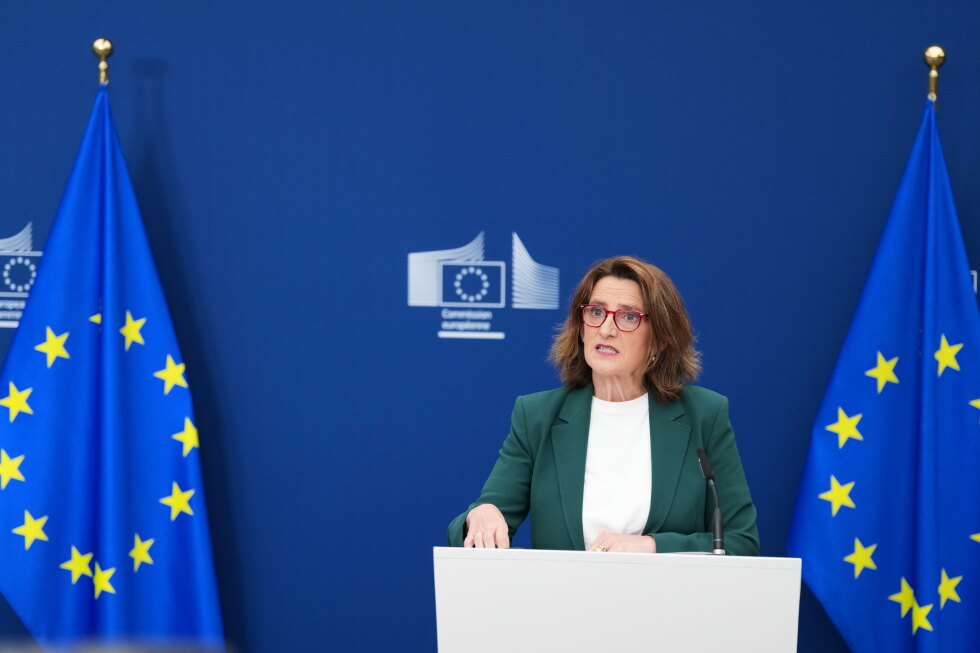
The probe centered on updated terms of service Meta rolled out for business customers that use AI-powered tools to engage with consumers via WhatsApp. After regulators raised objections, Meta attempted to resolve the investigation by offering to grant access to competitors for a fee. But the offer failed to allay regulatory concerns, with the Commission threatening in April to force Meta to allow free access for rival developers. Teresa Ribera, the Commission’s Executive Vice-President in charge of competition policy, told reporters Tuesday that Meta’s proposed pricing was so prohibitive that it remained “not economically sustainable for competitors” to operate on the platform.
Under the terms of the new order, Meta must open the paid WhatsApp Business platform to competing AI chatbot providers for no charge. The interim measure will remain in force until either the conclusion of the full antitrust investigation or June 2029, whichever comes first – the investigation currently has no set deadline for completion. Non-compliance with the order could expose Meta to heavy penalties, with fines reaching as high as 10% of the company’s global annual revenue.
Meta immediately announced it would challenge the order, calling the Commission’s decision an overreach of regulatory authority. “The European Commission has decided that OpenAI and some of the largest companies in the world can use the paid-for WhatsApp Business product for free,” the company said in an official statement. “This is regulatory overreach subsidized by the many European companies that pay.”
Tuesday’s action marks a notable shift in the Commission’s approach to Big Tech antitrust enforcement. For years, the regulator faced widespread criticism that its multi-year investigations into major tech platforms moved far too slowly to curb abusive market power, allowing anti-competitive practices to become entrenched before regulators could intervene. In response, the Commission has increasingly turned to interim measures in fast-moving markets where consumer and competitive harm can accumulate rapidly. Ribera emphasized that this urgency is particularly warranted in the AI sector, which is evolving at an unprecedented pace.
“AI markets are developing exceptionally fast, and AI assistants are expected to become an important way for consumers all across Europe to access and use AI,” Ribera said. “Therefore, when the damage can happen quickly and there is a risk of companies being forced to leave the market, we need to use our tools.”