作者: admin

  • EU strikes migration deal for more deportations and detention centers abroad

    EU strikes migration deal for more deportations and detention centers abroad

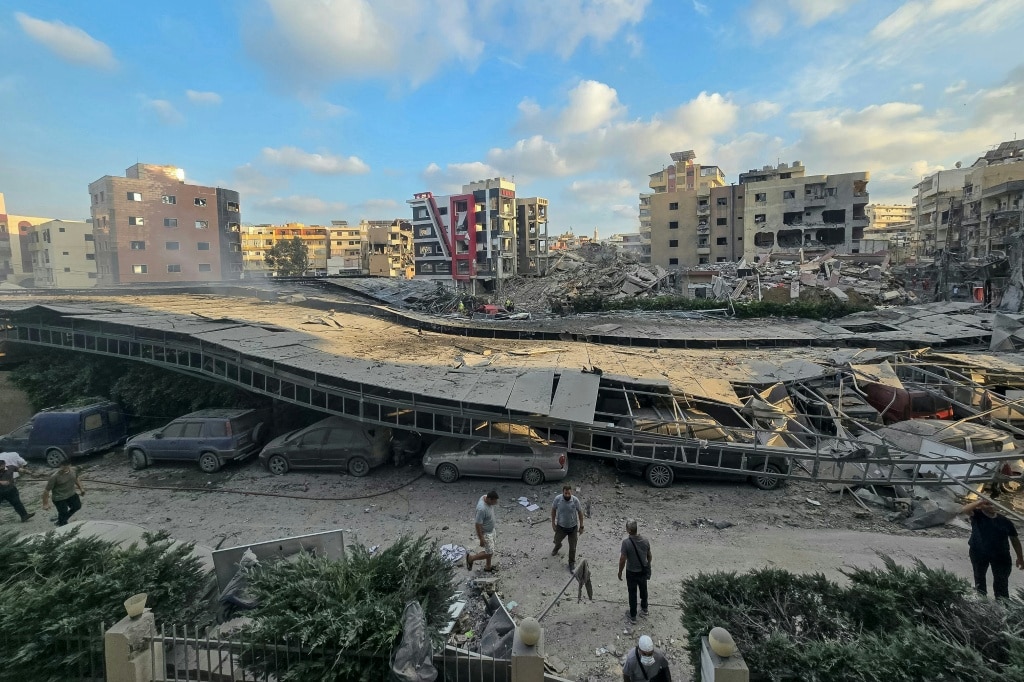
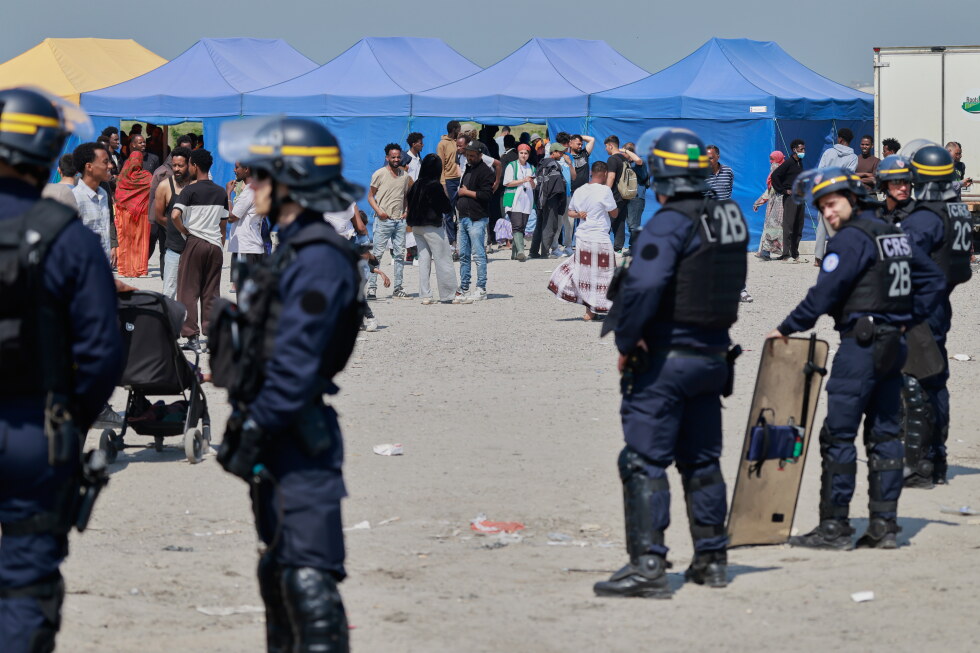
    BRUSSELS – After months of tense negotiations and heated political debate, the European Union has finalized a sweeping overhaul of its bloc-wide migration policy, a landmark legislative change that prioritizes accelerated deportations and authorizes controversial off-shore migrant detention centers – changes that human rights advocates warn mirror the hardline, restrictive immigration agenda pushed by former U.S. President Donald Trump.

    The provisional policy agreement was reached Monday evening during closed-door trilogue negotiations between the EU’s three core governing institutions: the European Commission, the European Council, and the European Parliament. Cyprus, which currently holds the bloc’s rotating presidency, has spearheaded the push for the new rules. Nicholas Ioannides, Cyprus’ deputy migration minister, framed the overhaul as a long-overdue correction to the EU’s fragmented existing migration framework, noting that “the new regulation will speed up the return process and increase returns of persons who have no legal right to stay in the EU.”

    The agreement will now move to full votes by the European Parliament and EU member state leaders, where swift approval is widely expected given the shifting political landscape across the bloc. Once enacted, the rules will allow individual EU countries to negotiate bilateral agreements with non-EU nations, primarily in Africa, to construct and operate off-shore “return hubs” – purpose-built detention centers for migrants facing deportation. At least five member states, including Germany, Austria, the Netherlands, Denmark and Greece, have already confirmed they are in early talks with potential third-party host countries, modeling the arrangements after Italy’s existing controversial migration detention deal with Albania.

    The policy shift comes after a marked rightward political shift across the EU, following far-right and anti-immigration parties gaining power in multiple member states in 2024. European Commission President Ursula von der Leyen, whose center-right European People’s Party has allied with anti-immigration factions to advance the reforms, has argued the new measures are necessary to prevent a repeat of the 2015 refugee crisis, when more than 1 million asylum seekers, most fleeing Syria’s civil war, arrived in the bloc. Ongoing irregular migration driven by conflict and poverty across Africa and the Middle East has fueled anti-immigrant sentiment across the continent, a political shift that mirrors the anti-immigration momentum that drove a conservative “red wave” in U.S. 2024 elections.

    Critics of the reform have been quick to condemn the changes, drawing direct comparisons to the Trump administration’s restrictive immigration strategy, which included secretive bilateral deals to deport migrants to third countries that were not their nations of origin. The United Kingdom’s similar plan to deport migrants to Rwanda was ultimately scrapped by the new ruling government after becoming tied up in protracted legal challenges, a precedent critics argue the EU is ignoring.

    Silvia Carter, a spokesperson for the Brussels-based Platform for International Cooperation on Undocumented Migrants, called the new framework a purpose-built punitive system, stating that “the Regulation is going to create a draconian detention and deportation machine.” She added, “Across the Atlantic, we see the violence and fear created by ICE’s brutal immigration enforcement. Europe should be learning from the harms of that model, not building its own version of it.”

    French Green Party lawmaker Mélissa Camara, who opposed the agreement, described it as a devastating step backward for human rights in Europe. “Center-right political groups allied with the far-right to overcome opposition from centrist and left-wing parties,” Camara said. “The legalization of return hubs outside the European Union, the green light for the detention of minors, home visits inspired by ICE practices: the legal arsenal serving a xenophobic ideology is now complete.”

    Major international migrant advocacy groups have echoed these concerns, warning the new rules will erode long-standing human rights protections enshrined in the EU Charter of Fundamental Rights and expose vulnerable migrants to severe harm. Marta Welander, a spokesperson for the International Rescue Committee, outlined the far-reaching risks of the policy shift: “This deal will give governments much broader powers to detain and deport people. It looks set to normalize immigration raids, expand the use of detention in prison-like facilities outside EU territory that are essentially legal black holes, and increase the risk of people being deported to countries where they could face persecution, torture or worse.”

    Follow AP’s full coverage of global migration developments at https://apnews.com/hub/migration.
  • Border, peace, democracy: Myanmar president’s India visit is closely watched

    Border, peace, democracy: Myanmar president’s India visit is closely watched

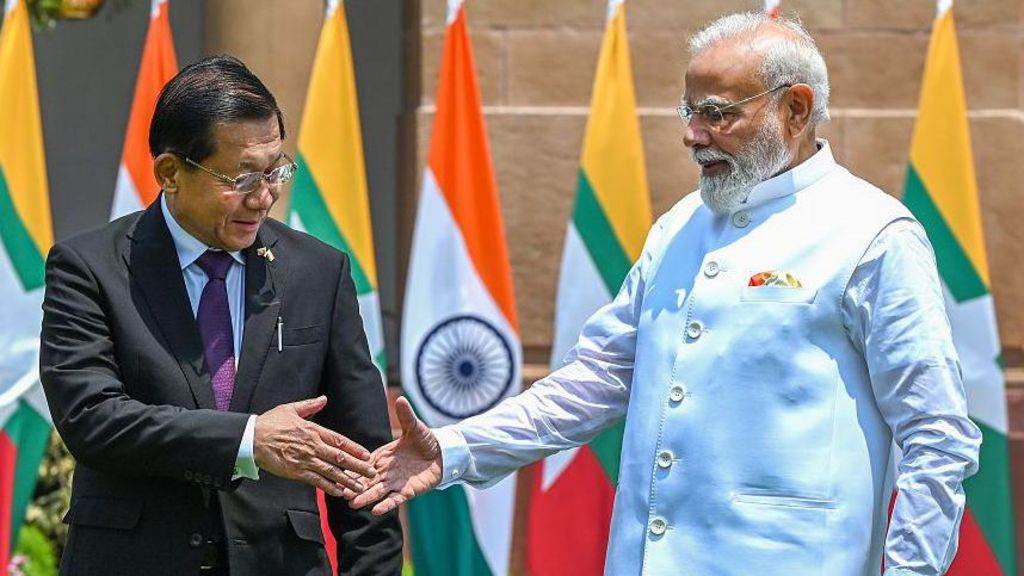
    In a high-stakes diplomatic meeting that has drawn widespread international attention, Myanmar President Min Aung Hlaing held official talks with Indian Prime Minister Narendra Modi in New Delhi on Monday, kicking off a five-day official visit focused on advancing bilateral cooperation across critical sectors ranging from trade and cross-border connectivity to border security and defense cooperation. This meeting marks a historic milestone: it is Min Aung Hlaing’s first foreign trip since he was sworn in as president in April 2026, following a military-backed election that sparked global criticism, and comes five years after the 2021 military coup that plunged Myanmar into a protracted civil conflict. Regional and global powers are closely watching the visit to gauge how key regional players will engage with Myanmar’s military-led administration amid ongoing domestic unrest.

    Geography has long bound the fates of India and Myanmar together: the two neighbors share a 1,643-kilometer land border, and political and security developments in Myanmar have direct and immediate impacts on India, particularly its vulnerable northeastern states, where local security, cross-border migration and informal trade are deeply interconnected with events across the border. The current crisis in Myanmar traces back to February 2021, when Min Aung Hlaing, then serving as commander-in-chief of the Myanmar Armed Forces, ousted the democratically elected government of Aung San Suu Kyi, just weeks after her National League for Democracy secured a landslide victory in general elections. The military takeover triggered mass nationwide pro-democracy protests that quickly escalated into an organized armed resistance movement, igniting a civil conflict that has killed more than 10,000 people, displaced millions more, and left large swathes of Myanmar outside the control of the military government. The violence has spilled across the border into India, with thousands of refugees, most from Myanmar’s persecuted Chin ethnic minority, fleeing to the Indian states of Mizoram and Manipur to escape the fighting.

    Between December 2025 and January 2026, the military-backed government held a national election, which resulted in an overwhelming victory for pro-military parties. The vote was heavily criticized by the international community, as major opposition parties were barred from running, and millions of voters in conflict-affected regions were unable to cast ballots. Following the election, a military-dominated parliament elected Min Aung Hlaing to the presidency in April 2026. Myanmar’s authorities frame the election as a critical step toward a return to civilian rule, but opposition groups, Western governments and independent international observers have rejected the vote as unfair, arguing it does nothing to loosen the military’s stranglehold on power. Despite this, Min Aung Hlaing has maintained that the election was free and transparent. Before this post-inauguration visit to India, Min Aung Hlaing had traveled to China and Russia for diplomatic meetings in the period between the 2021 coup and his presidential election. The last official visit by an Indian prime minister to Myanmar took place in 2017.

    In a press briefing following the meeting, Indian Foreign Secretary Vikram Misri confirmed that the talks between Modi and Min Aung Hlaing covered the full scope of Myanmar’s domestic political situation, alongside bilateral priorities. Misri noted that Prime Minister Modi raised broad concerns about democratic progress in Myanmar, and the two leaders also discussed the case of Aung San Suu Kyi, who remains under strict house arrest five years after the coup. Misri reaffirmed India’s long-standing position: Delhi remains committed to supporting lasting peace and an inclusive political dialogue that brings all of Myanmar’s stakeholders to the table, arguing that sustained diplomatic engagement, rather than international disengagement, is the only viable path to meaningful progress.

    A joint statement published by Myanmar’s state-run *Global New Light of Myanmar* newspaper outlined that both sides emphasized the urgent need to prevent the misuse of border territory for activities that threaten either nation’s security interests. Min Aung Hlaing reaffirmed Myanmar’s formal assurance that it would not allow its territory to be used to launch operations against India, while Modi reaffirmed India’s unwavering support for Myanmar’s sovereignty and territorial integrity.

    The Myanmar leader arrived in India on May 30, and kicked off his visit with a trip to the sacred Buddhist site of Bodh Gaya, where he offered prayers at the Mahabodhi Temple, the site revered as the place where Buddha attained enlightenment. After the official talks in New Delhi, Min Aung Hlaing traveled to Mumbai to meet with Indian business leaders, with the goal of attracting new foreign investment and expanding bilateral trade between the two nations.

    Regional analysts widely view the visit as a landmark moment for Myanmar’s military leadership, which has sought to expand its diplomatic engagement after years of international isolation and criticism following the 2021 coup. Rajiv Bhatia, a former Indian ambassador to Myanmar, told reporters that the meeting represents a major diplomatic win for Nay Pyi Taw, as it grants formal validation to Min Aung Hlaing’s presidency from the world’s largest democracy. Gautam Mukhopadhaya, another former Indian ambassador to Myanmar, added that the visit is part of Min Aung Hlaing’s broader strategy to build greater regional and international legitimacy as a newly elected head of state.

    For India, the meeting underscores a long-standing strategic calculation: India’s core national interests in Myanmar outweigh any concerns about the character of the country’s military-led government. Analysts outline that India has three primary strategic priorities in its relationship with Myanmar: maintaining stability along its sensitive northeastern border, advancing its Act East Policy aimed at deepening economic and security ties with Southeast Asia, and balancing the growing influence of China in the country. Myanmar holds a unique place in India’s regional strategy: it is the only member of the Association of Southeast Asian Nations (ASEAN) that shares a land border with India, making it a critical gateway for Indian engagement with the bloc. Bhatia notes that the visit could have a positive ripple effect across ASEAN, as member states work to develop a unified approach to the ongoing Myanmar crisis.

    The talks also come amid intensifying great power competition between India and China in the Indo-Pacific, with Myanmar emerging as a key strategic battleground. Myanmar provides China with direct access to the Bay of Bengal, allowing Beijing to reduce its reliance on the Strait of Malacca for critical trade and energy supplies. Mukhopadhaya notes that since 2017, China has steadily expanded its influence in Myanmar and has become increasingly open about its support for the country’s military leadership, in pursuit of its own strategic and economic goals.

    Min Aung Hlaing’s visit to India also takes place against a shifting backdrop of Myanmar’s relations with Western nations. After the 2021 coup, the United States and many of its allies imposed sweeping economic sanctions on Myanmar’s military leadership. But according to Mukhopadhaya, the second Trump administration has shown little interest in engaging with Myanmar, and has suspended most foreign assistance to the country, including funding for Myanmar refugees and pro-democracy opposition groups. Bhatia added that the Quad security grouping — made up of the United States, India, Japan and Australia — shares a common goal of restoring stability to Myanmar, creating an opening for engagement with the country’s new leadership.

    The ongoing civil conflict has already reshaped the security dynamic along the India-Myanmar border. In recent months, the Myanmar military has regained ground from resistance forces in the country’s eastern and northern regions, and has increasingly focused its attention on securing its western border with India. Mukhopadhaya argues that it is highly likely the Myanmar government will seek greater security cooperation with India to crack down on anti-military resistance groups operating near the border. Ultimately, Bhatia noted, India’s core goal is to see a stable, unified Myanmar emerge from the conflict, and a Myanmar that maintains its strategic independence amid great power competition. “Clearly, a more independent Myanmar is what India is looking for,” Bhatia added.

  • Israel, Hezbollah exchange fire after Trump announcement

    Israel, Hezbollah exchange fire after Trump announcement

    Just hours after U.S. President Donald Trump announced a surprise bilateral ceasefire agreement between Israel and the Iran-backed militant group Hezbollah, heavy fighting erupted across the Israel-Lebanon border on Tuesday, derailing hopes for a quick end to months of escalating violence.

    The sudden resumption of hostilities came as both sides remained publicly divided over the terms of the deal Trump claimed to have brokered. Per Lebanese official sources, the draft agreement outlines that Hezbollah would halt all cross-border fire into northern Israel, while Israel would end its airstrikes on southern Beirut – a decades-long stronghold of the militant movement. The Lebanese presidency issued an official statement confirming the terms, noting that negotiators would work to expand the truce to cover all Lebanese territory, and the Lebanese embassy in Washington earlier claimed Hezbollah had accepted the U.S. proposal. However, the militant group has never issued an official confirmation of its acceptance of the deal.

    Trump doubled down on his ceasefire push in a post to his Truth Social platform, saying he “hopefully” the two sides would end their conflict “for ETERNITY!” He also claimed that no Israeli troops would enter Beirut, and that any Israeli forces en route to the capital had already been turned back, following what he called a “very productive” call with Israeli Prime Minister Benjamin Netanyahu. But unconfirmed reporting from Axios contradicted this public posture, revealing that Trump privately called Netanyahu “fucking crazy” in off-air remarks, accusing the Israeli leader of putting planned peace talks between the U.S. and Iran at risk. Trump also claimed he held a productive call with Hezbollah representatives through intermediaries, saying both sides had agreed to a full halt to hostilities.

    The renewed violence erupted against a backdrop of months of escalating conflict that has already pushed the region to the brink of a wider war. Following the killing of Iran’s supreme leader, Hezbollah opened its front against Israel on March 2, launching widespread rocket attacks. In recent weeks, Israeli forces mounted their deepest ground incursion into Lebanese territory in more than two decades, carrying out waves of heavy aerial bombardment across southern Lebanon and issuing explicit threats to strike southern Beirut’s densely populated suburbs. That threat sent thousands of local residents fleeing the area this week, with massive traffic jams clogging routes leading out of the suburbs toward central Beirut, according to on-the-ground reporting from Agence France-Presse.

    By Tuesday afternoon, multiple official sources confirmed that hostilities had resumed. The Israeli military announced its air defense systems intercepted two projectiles launched from Lebanon into northern Israel, shortly after the Lebanese National News Agency reported fresh Israeli airstrikes targeting multiple locations in southern Lebanon. Netanyahu confirmed in his call with Trump that Israel would continue to strike terrorist targets in Beirut if Hezbollah did not end its attacks on Israeli towns and civilians.

    The latest clash also comes as the fourth round of U.S.-hosted direct negotiations between Israeli and Lebanese military delegations is set to open this Wednesday, following preliminary security talks held last week. A previous truce brokered in April has been almost entirely ignored, with both sides accusing each other of daily violations that justify retaliatory strikes. The human cost of the conflict has mounted sharply: Lebanon’s health ministry reports that at least 3,433 people have been killed in Israeli attacks across Lebanon since March 2, while the Israeli military confirmed two additional soldier deaths in southern Lebanon this week, bringing the total Israeli military fatalities to 27 since the start of the current escalation.

    International actors have moved quickly to call for restraint. Stephane Dujarric, spokesperson for United Nations Secretary-General Antonio Guterres, released a statement urging all parties to respect a cessation of hostilities. In a confidential report to the UN Security Council obtained by AFP, Guterres also recommended that the UN Interim Force in Lebanon (UNIFIL) peacekeeping mission have its mandate extended when it expires at the end of the year, warning that a withdrawal would create a dangerous security vacuum. French Foreign Minister Jean-Noel Barrot also issued a statement Tuesday saying nothing could justify Israeli forces maintaining their presence deep inside Lebanese territory, a reference to Israel’s seizure of the strategic Beaufort Castle (locally called Qalaat al-Chakif) over the weekend. The castle, which holds commanding views over most of southern Lebanon, was used as an Israeli military base during Israel’s 22-year occupation of southern Lebanon that ended in 2000.

    Tehran, which has long provided financial and military support to Hezbollah, has insisted that Lebanon must be included in any final peace deal between Iran and the U.S. But Iran’s state-owned Tasnim News Agency reported this week that Tehran has suspended all diplomatic talks with Washington in response to Israel’s ongoing offensive in Lebanon, raising new doubts about the prospect of a wider regional de-escalation. For ordinary residents caught in the crossfire, the cycle of hope and violence has become a familiar pattern. Hadi, a 24-year-old resident of southern Beirut, told AFP he had dared to hope for a period of stability after Trump’s announcement, but “that feeling did not last long.”

  • Watch: Explosion at fireworks factory in Malta

    Watch: Explosion at fireworks factory in Malta

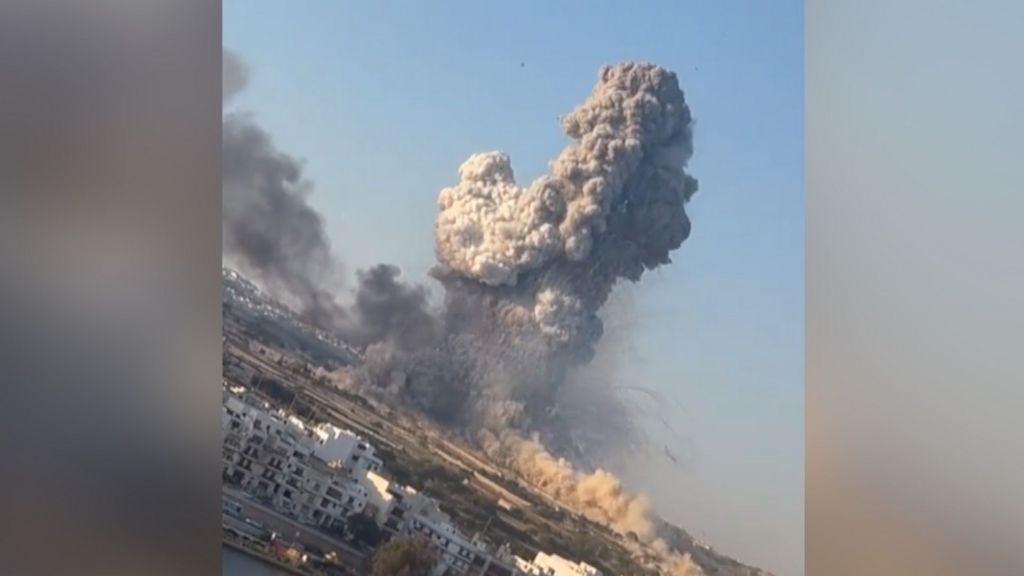
    A sudden explosion has ripped through a fireworks factory located in Malta, leaving two people with physical harm, local emergency responders confirmed Thursday. The two male victims of the blast were rapidly evacuated from the accident site and transported to a nearby hospital for urgent medical assessment and treatment. According to early health updates from hospital authorities, the injuries sustained by the pair are classified as minor, meaning there is no immediate threat to their lives. Emergency services have not yet released further details on what triggered the explosion, including whether any foul play was involved or if it stemmed from a workplace safety incident. Local regulators have launched a preliminary investigation into the accident to determine its root cause and assess whether any safety protocols were violated at the facility. The incident has once again drawn public attention to the importance of strict safety enforcement in the dangerous fireworks production industry, where even small lapses in procedure can lead to devastating consequences.

  • Tesla, Polestar sales hit all-time monthly high in May as Aussie buyers ditch petrol cars in record numbers

    Tesla, Polestar sales hit all-time monthly high in May as Aussie buyers ditch petrol cars in record numbers

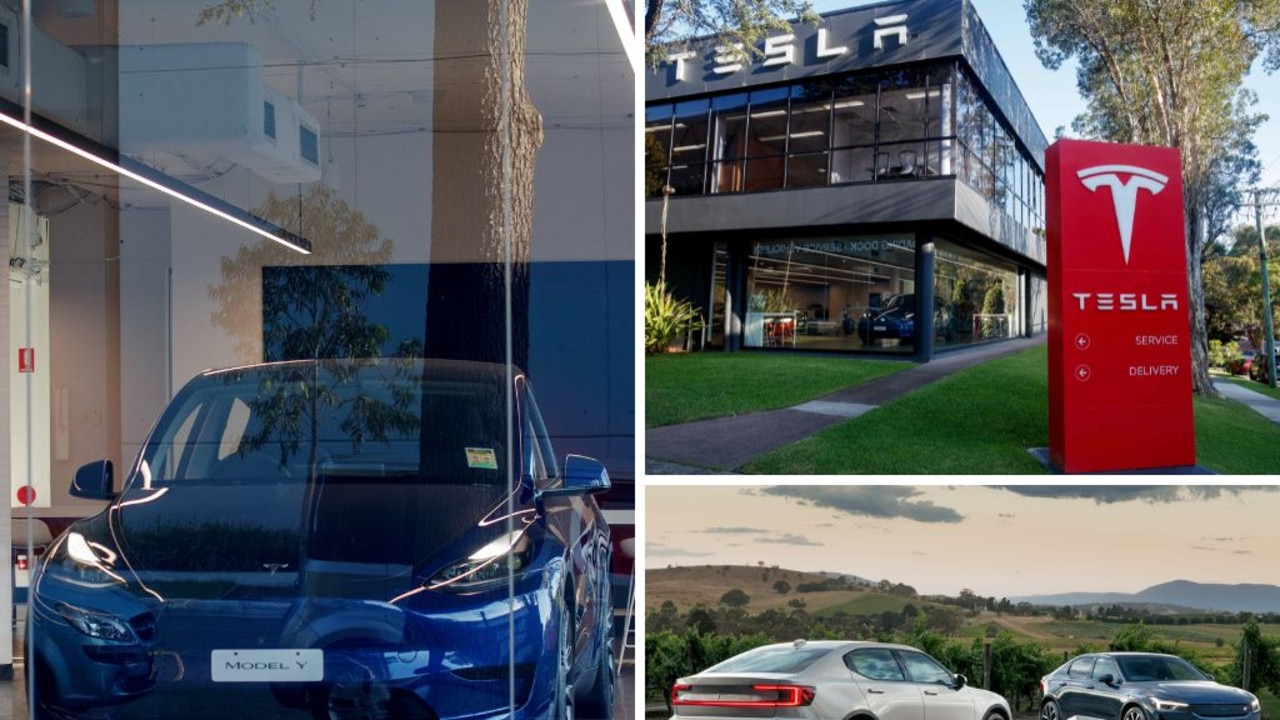
    Australia’s electric vehicle market has passed a historic milestone, with two leading automakers posting record monthly deliveries in May 2026 as skyrocketing petrol prices push thousands of drivers to abandon fossil fuel-powered cars. New data from the Electric Vehicle Council (EVC) confirms that combined deliveries from industry leader Tesla and premium Swedish brand Polestar reached 6,681 units for the month – the highest monthly total for the two brands ever recorded in the country.

    Tesla dominated the historic results, delivering 6,433 battery electric vehicles alone. This figure marks the highest single-month sales total for any brand in the EVC’s entire dataset, outstripping the automaker’s previous record of 6,017 units set in March 2024. The Tesla Model Y alone accounted for 84% of the combined Tesla-Polestar total, with 5,605 deliveries in May.

    Compared to April 2026, the two brands’ combined sales surged 358%, while they jumped 61.4% against May 2025 figures. Year-to-date sales for the two brands hit 15,866 units by the end of May, representing 52.7% growth over the same period in 2025.

    Polestar, which launched in Australia in 2021 and has delivered roughly 8,500 vehicles to local customers to date, also contributed to the record. The brand notched 14% year-to-date growth by the end of May, with its Polestar 4 crossover leading performance with 39.6% year-to-date growth over 2025. Polestar Australia Managing Director Scott Maynard noted that strong consumer inquiry remained sustained through the month, and the brand is preparing for further expansion with upcoming launches of the updated Polestar 2 and Polestar 3 models.

    Industry leaders attribute this unprecedented growth to a perfect storm of financial pressure on petrol car owners, driven by global and domestic market factors. Geopolitical tension between the U.S. and Iran has disrupted global oil markets, with a ongoing maritime blockade of the Strait of Hormuz – one of the world’s most critical oil shipping chokepoints – pushing global crude prices to near $100 a barrel, translating to pain at Australian petrol bowsers. Compounding this pressure, the Australian federal government’s temporary 26-cent per litre fuel excise cut is set to expire on June 30, with drivers bracing for an immediate sharp price jump when the full 53-cent per litre excise is reinstated.

    “Tesla’s record-breaking 6433 sales in a single month, the highest ever recorded in the Electric Vehicle Council’s dataset, shows more Australians are choosing electric,” EVC chief executive Julie Delvecchio said. “When fuel prices hurt, people look for alternatives. Electric vehicles offer exactly that, no trips to the servo, no price spikes at the pump, savings of around $3000 a year.”

    Tesla’s Australia and New Zealand Country Director Thom Drew linked the milestone to sustained consumer demand and the brand’s targeted product strategy for the local market. “This is not an isolated result. It reflects our sustained commitment to delivering world-class electric vehicles and an ownership experience that continues to raise the bar for the industry,” Drew said. “As the EV segment continues to mature and expand, Tesla remains at the forefront, not by chance, but by design.”

    Geographically, Australia’s eastern seaboard is leading the national transition to electric transport. Queensland posted the strongest year-to-date growth at 65.1%, followed closely by New South Wales at 63.3% and Victoria at 61.9%.

    Broader industry data from VFACTS confirms that EVs now hold a 16.4% share of all new car sales across Australia – meaning roughly one in every six new cars purchased in the country is now fully electric. Delvecchio noted that the record sales confirm a broader shift in consumer preference, as Australians increasingly prioritize vehicles that fit their lifestyle, perform reliably, and cut long-term motoring costs.

    “We know Australians buy cars that save them money, suit their lifestyle and perform well,” Delvecchio said. “Record EV sales suggest more Australians are finding electric vehicles tick all three boxes.”

  • Kenyan president defends US Ebola quarantine center amid protests

    Kenyan president defends US Ebola quarantine center amid protests

    NAIROBI, Kenya – A heated public and legal debate has erupted over a planned U.S.-funded Ebola quarantine facility at Kenya’s Laikipia Air Base, drawing pushback from local activists and a court suspension even as President William Ruto has publicly defended the cross-border health partnership for the first time.

    Ruto, speaking publicly on the issue for the first time on Monday evening, framed the project as a logical extension of decades of health-focused bilateral cooperation between Washington and Nairobi. He confirmed that the Laikipia site is only one of 24 Ebola preparedness facilities developed across the country under the partnership, which includes a $13 million U.S. investment in regional outbreak response. He noted that he approved the request — first made during the Trump administration — out of long-standing mutual trust between the two nations.

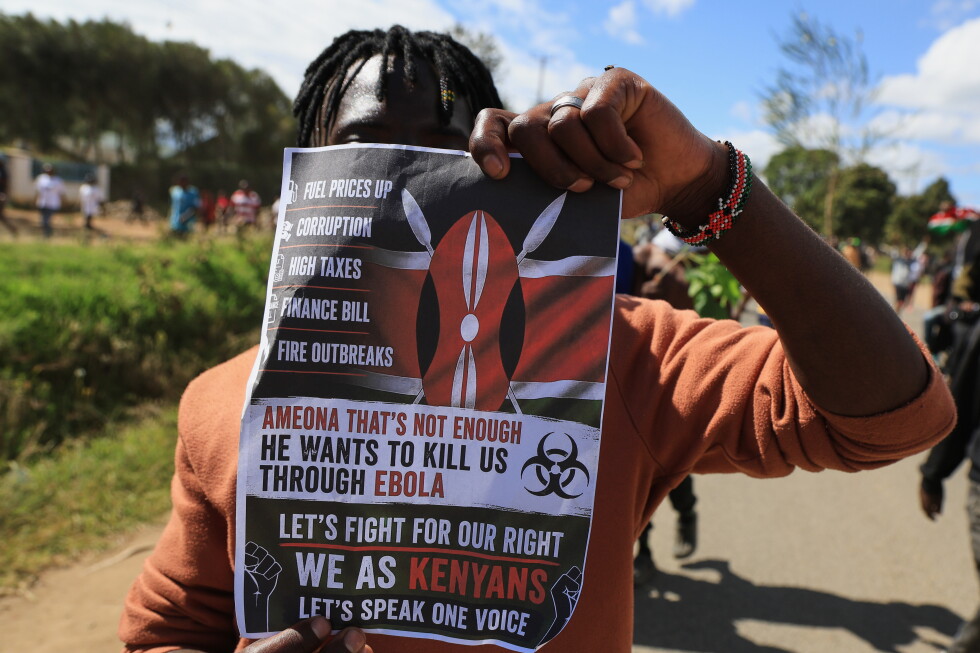
    The project sparked widespread public anger among Kenyans last week after U.S. officials clarified that any American Ebola patients treated under the program would not be repatriated to the United States, and would instead be held and treated exclusively at the Kenyan facility. The Law Society of Kenya and constitutional advocacy group Katiba Institute quickly filed a legal challenge to the plan, arguing that Kenya’s already overstretched, fragile public health system lacks the capacity to safely manage foreign Ebola patients.

    Kenya’s High Court acted swiftly on the challenge, first issuing an order suspending facility construction and the entry of foreign patients last Friday, before extending that blocking order this Tuesday. Despite the legal pause and widespread public protests against the project, Ruto struck a confident tone in his address, pushing back against critics by emphasizing that all 24 facilities, including the Laikipia site, would be available to treat Kenyan patients if a domestic Ebola outbreak occurs.

    “We are a responsible government. We know what we are doing. People should relax,” Ruto said. “Politicians should avoid reckless, unnecessary talk that doesn’t mean anything.”

    The debate over the quarantine facility comes as Kenya navigates a series of concurrent domestic crises, including recent deadly civil unrest linked to sky-high fuel prices, a tragic dormitory fire that killed 16 schoolgirls, and widespread public frustration over the cost of living. Ebola outbreaks across central Africa have raised regional preparedness concerns in recent years, turning this infrastructure project into a flashpoint over sovereignty, public health capacity, and bilateral cooperation.

  • Australian sharemarket slips as wage hike and Middle East uncertainty rattle investors

    Australian sharemarket slips as wage hike and Middle East uncertainty rattle investors

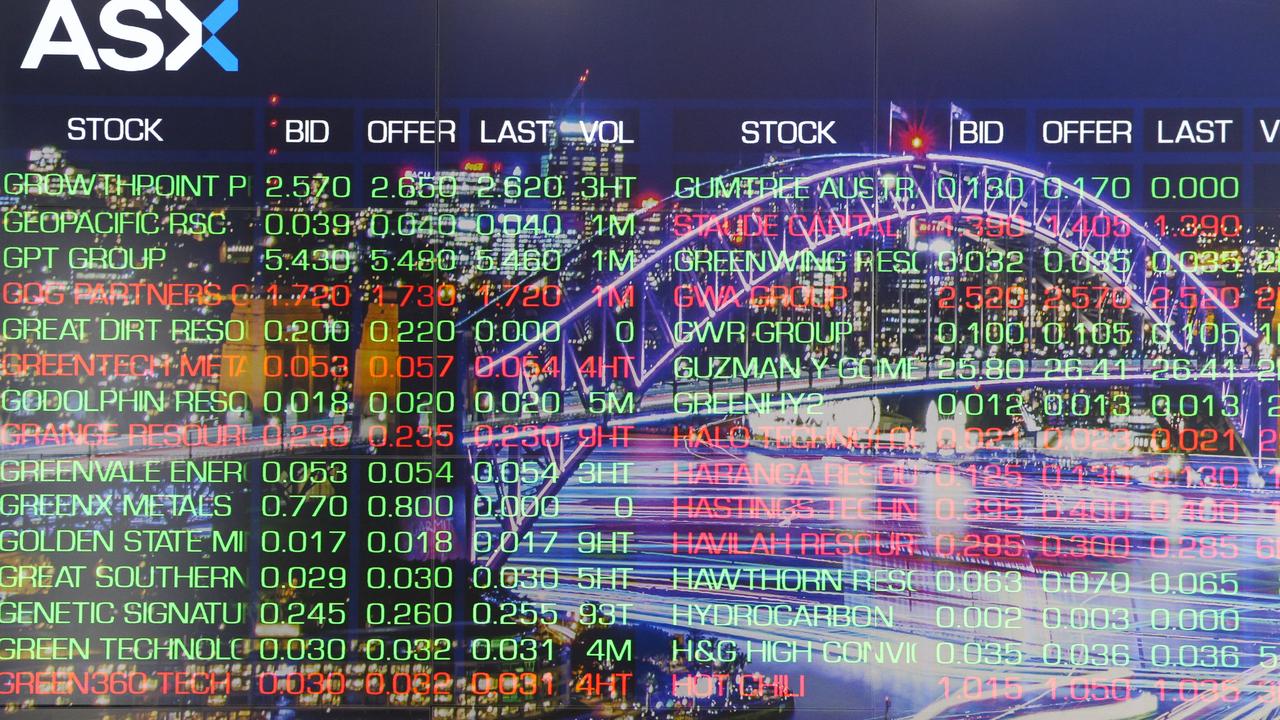
    Australia’s benchmark sharemarket delivered a rollercoaster trading session on Tuesday, closing with modest losses after a dramatic late recovery that erased most of an early 100-point drop, as conflicting geopolitical developments out of the Middle East and a larger-than-expected minimum wage hike created widespread uncertainty among investors.

    The ASX 200, Australia’s primary blue-chip index, finished the day down 20.60 points, or 0.24%, to settle at 8708.80. The broader All Ordinaries index fared slightly better, slipping just 3.80 points, or 0.04%, to close at 8966, a near-flat finish. The Australian dollar edged slightly higher, gaining 0.15% to trade at 71.75 US cents by market close.

    For market observers, the day’s wild swings were far from unusual. IG market analyst Tony Sycamore noted that Tuesday’s triple-digit intraday range marked the third such extreme shift in the past four trading sessions, and the ninth in just one month. “This is a clear sign of a market grappling for direction, primarily stuck within a stubborn 8500 to 8700 range,” Sycamore explained. The afternoon turnaround, he added, received partial support from U.S. President Donald Trump’s remarks downplaying rising geopolitical tensions that flared up over the weekend.

    Geopolitical volatility stemmed from mixed signals over a potential Middle East peace deal. While Trump posted on Truth Social that ceasefire talks between Israel and Hezbollah were “progressing”, and that a deal to extend the truce and reopen the strategically critical Strait of Hormuz could be reached within the next week, Iran pushed back against the prospect, threatening to suspend diplomatic relations and close the key shipping lane. The conflicting updates kept investors on edge through the first half of the trading day.

    Against this backdrop of macro uncertainty, the technology sector emerged as the clear outlier, driving the afternoon market recovery. The entire tech sector rallied 4.71% for the day, with standout gains from leading domestic tech names. Accounting software provider Xero climbed 7.47% to close at $87 per share, logistics tech firm WiseTech Global jumped 7.8% to settle at $42.23, and consumer safety tech company Life360 notched a 13.25% gain to reach $23.07 per share. Several other individual companies also posted strong gains on new contract wins: infrastructure firm SRG Global surged 16.56% to $3.66 after announcing $1.85 billion in new contracts spanning water, defence, energy, health and education; defence technology provider DroneShield gained 3.55% to $3.21 on a $24.9 million U.S. government contract; and medical imaging firm Pro Medicus rose an additional 10.81% to $160.08 following Monday’s announcement of a five-year contract with U.S.-based Visage Imaging.

    Offsetting these tech gains were broad declines across seven of the ASX’s 11 sectors. Healthcare stocks bore the brunt of the selling: biotech giant CSL fell 1.74% to $92.56, Sigma Healthcare dropped 1.71% to $2.87, and medical device maker ResMed slid 2.07% to $26.02.

    Retail and banking stocks also slumped after Australia’s Fair Work Commission announced a 4.75% minimum wage increase for the nation’s lowest-paid workers. The pay bump came in above current annual inflation of 4.2% and baseline national wage growth of 3.3%, stoking fears that higher labor costs will push inflation higher and force the Reserve Bank of Australia (RBA) to implement additional interest rate hikes sooner than expected.

    Major domestic retailers felt the selloff immediately: Woolworths fell 1.85% to $34.41, Coles dropped 0.74% to $21.55, and hospitality group Endeavour Group slid 1.73% to $28.40.

    AMP economist My Bui explained that while the wage adjustment was a reasonable move to prevent low-income workers from facing negative real wage growth, its broad impact across the Australian workforce could put sustained upward pressure on inflation. As a result, AMP has updated its interest rate forecast to predict a third RBA rate hike as early as November, pushing the peak cash rate for this cycle to 4.85%. Bui added that there is even a risk the hike could come sooner, in June rather than August. Prior to Tuesday’s minimum wage announcement, AMP had projected the next rate hike would not occur until August 2026.

    Despite the overall negative close, investors found some reassurance in the market’s ability to recover from early losses, with the 100-point afternoon rebound turning what looked set to be a sharp drop into a modest decline by the closing bell.

  • Social Democrat Frederiksen set to start third term as Denmark’s prime minister

    Social Democrat Frederiksen set to start third term as Denmark’s prime minister

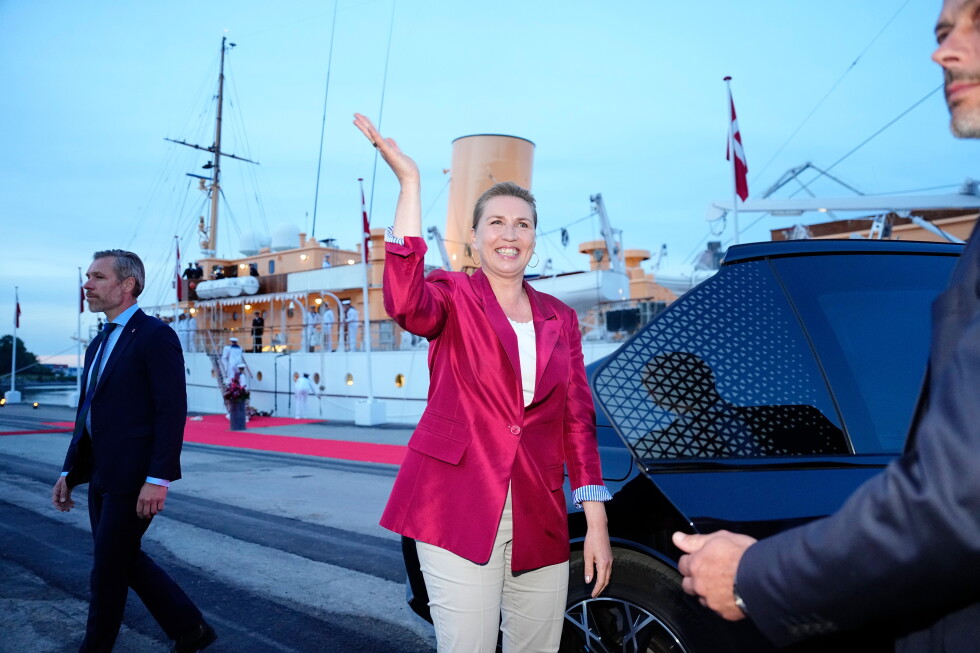
    After two months of intensive post-election negotiations, Danish Social Democrat leader Mette Frederiksen has finalized a four-party center-left coalition government, clearing the way for her to start a third term as Denmark’s prime minister.

    The Danish Royal House confirmed Monday that the new administration will bring together Frederiksen’s Social Democratic Party, outgoing Foreign Minister Lars Løkke Rasmussen’s centrist Moderate Party, the Green Left (SF) and the Danish Social Liberal Party. In remarks Monday evening, Frederiksen outlined the coalition’s guiding mission, saying the government will govern “for the people of Denmark, for the generations to come and for the animals.”

    The path to this new government began when Frederiksen called an early general election in February. The snap vote was called amid a high-profile diplomatic standoff with former U.S. President Donald Trump over Greenland, the semi-autonomous territory within the Danish Kingdom, where Frederiksen’s straight-talking public response to Trump’s claims on the Arctic island was widely expected to give her party a popularity boost.

    When the final votes were counted in March, however, neither the left-leaning nor right-leaning political bloc secured a majority in Denmark’s 179-seat parliament. This outcome is not unusual for the Nordic nation’s proportional representation system, which almost always requires multi-party coalition negotiations to form a working government. Two initial attempts to form a government — one led by Frederiksen and a second bid by former Defense Minister Troels Lund Poulsen, who aimed to build a center-right administration — fell through before the final four-party center-left deal was reached.

    The 48-year-old prime minister, who has led the EU and NATO member state since mid-2019, saw her party take 36 seats in the latest election, a drop of 12 seats from the 2022 general election. A center-left politician with conservative positions on some key policy issues, Frederiksen has built an international profile for her unwavering support for Ukraine amid Russia’s ongoing full-scale invasion, alongside a strict approach to migration policy.

    Amid growing pressure from right-wing parties and warnings of potential increased migration flows linked to regional tensions involving Iran, Frederiksen put forward new migration proposals this year. These include a planned “emergency brake” on new asylum claims and stricter oversight of undocumented migrants convicted of criminal activity. Her outgoing administration already introduced a policy to deport foreign nationals sentenced to at least one year in prison for serious offenses.

    While Frederiksen’s popularity dipped during her second term amid a sharp nationwide rise in the cost of living, the diplomatic standoff with Trump over Greenland ultimately gave her approval ratings a significant boost. The crisis erupted when Trump pushed for U.S. control over the large Arctic island, followed by a short-lived threat in January to impose tariffs on European nations that opposed his position. Frederiksen drew a hard line in response, warning that a U.S. takeover of Greenland would lead to the collapse of the NATO alliance.

    Despite dominating the political agenda and government resources in the first months of the year, Greenland ultimately did not emerge as a major campaign issue, as all major Danish parties share broad consensus on the territory’s status within the kingdom. After Trump backed down from his tariff threat, Denmark, the U.S. and Greenland launched technical negotiations to develop a new Arctic security partnership, and the crisis has since faded from public focus. Instead, core domestic issues — including rising living costs, pension reform and a proposed national wealth tax — became the central talking points of the election campaign.

    Full policy priorities for the new coalition will be officially unveiled Tuesday, with the full list of incoming government ministers scheduled to be announced Wednesday.

  • Albanese government allocated almost $9m to defend CFMEU administrators, hearing told

    Albanese government allocated almost $9m to defend CFMEU administrators, hearing told

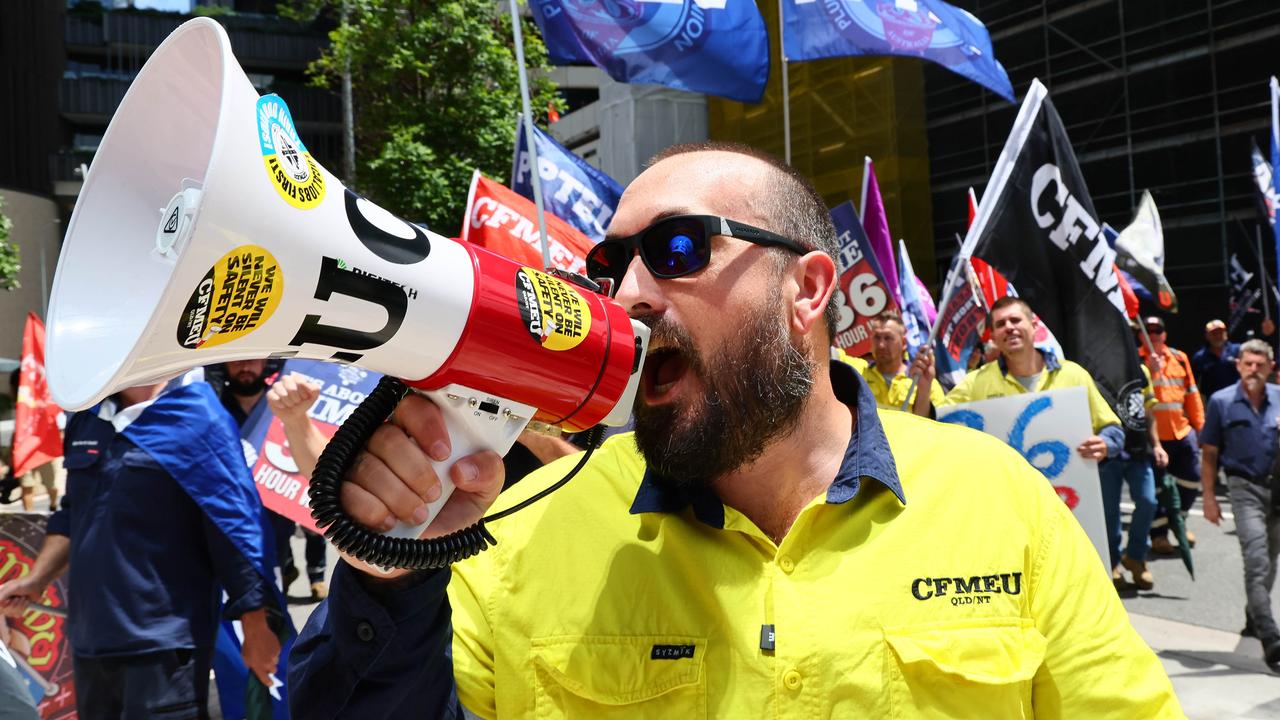
    The full scale of taxpayer spending on personal security for administrators of Australia’s powerful Construction, Forestry, Maritime, Mining and Energy Union (CFMEU) has been laid bare at a Senate estimates hearing, with total expenditures reaching almost $9 million amid credible death threats linked to organized crime networks.

    The disclosure on Tuesday laid out how public funds have been earmarked to protect two successive government-appointed administrators brought in to clean up the union after it was placed into voluntary administration in late 2024 over widespread allegations of organized crime infiltration.

    Michael Crosby, a former New South Wales union official who took over the administrator role last month, has been allocated $5.3 million over the next two years in the 2026-27 federal budget to cover 24/7 protective security services, officials told the hearing. His predecessor, Mark Irving, who held the position for just 20 months, received approximately $3.8 million in cumulative budget allocations for his personal safety.

    Australian Federal Police (AFP) assessments have confirmed that death threats against Irving were not only credible, but came from actors with both the means and motive to carry out the attacks, senior officials confirmed. Most threats did not originate from rank-and-file CFMEU members, instead coming from external organized crime groups that had previously operated illegal networks within the union. As of March 31, the AFP is running three active investigations into unlawful activity across the building and construction sector, and has already secured a number of high-profile arrests linked to the probes.

    The hearing also revealed that Environment Minister Murray Watt received close personal protection for an undisclosed period of time amid the ongoing tensions. Watt declined to share further details about his security arrangements in the public forum, noting that disclosing such information posed unnecessary safety risks. ACTU Secretary Sally McManus also received targeted security provision, but government officials confirmed that those costs were not covered by public funds.

    Watt, who defended the decision to draw on taxpayer funds rather than passing costs to CFMEU members, argued that the government carried a core responsibility to protect administrators appointed under federal legislation. The government’s move to place the CFMEU into administration disrupted the illegal business models of criminal networks and corrupt actors, many of whom held ties to both rogue union officials and unethical building employers, he explained.

    Pressed on why the CFMEU or its membership do not cover the security costs, Watt pushed back against alternative funding models. He questioned whether it would be fair to pass the costs to either construction workers (as CFMEU members) or to the broader industry of building employers, pointing out that the cleanup of criminal infiltration is a public responsibility mandated by the Australian Parliament. “Given the parliament had set up this administration scheme, there was a responsibility on government to pay for the personal protection of the person who took on that role from threats being made from outside the union,” Watt said.

  • Pay workers ‘as much as possible’, Nvidia’s Huang says

    Pay workers ‘as much as possible’, Nvidia’s Huang says

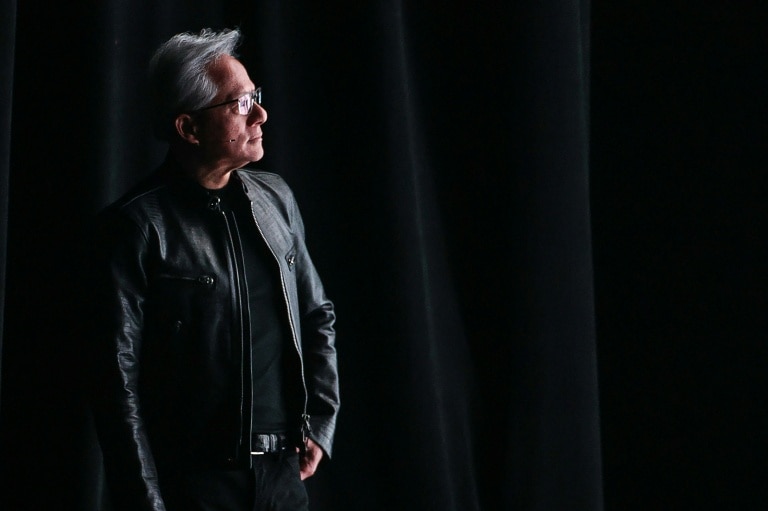
    As the global tech industry gathers in Taipei for the 2026 edition of Computex, one of the world’s largest annual technology trade shows, Nvidia chief executive Jensen Huang has sparked industry-wide discussion with comments on worker compensation, just days ahead of his planned trip to South Korea. Huang’s remarks came in response to questions about a recent high-profile labor dispute at Samsung Electronics, where a looming strike by the company’s union was only avoided after leadership struck a last-minute bonus agreement with staff.