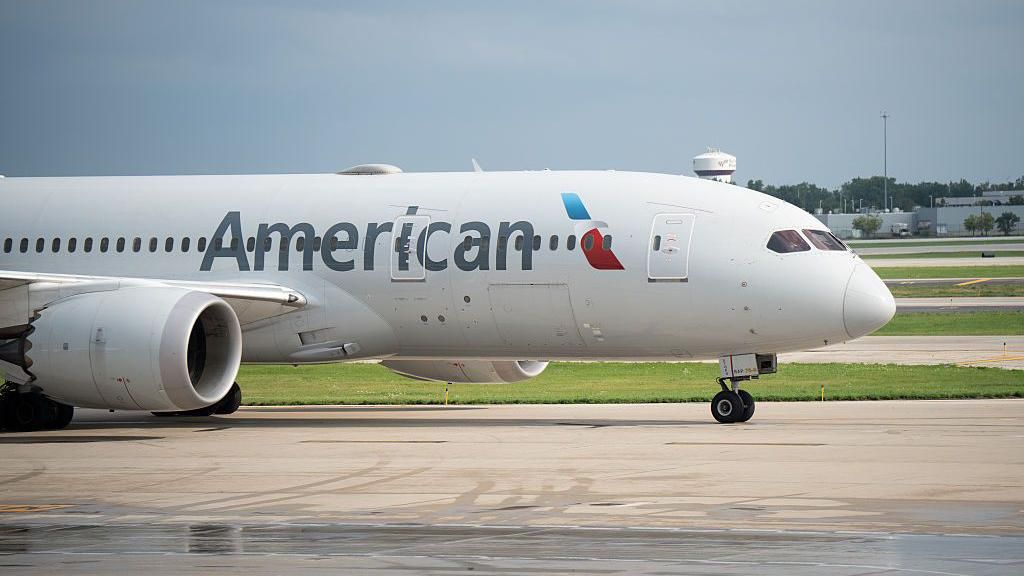
Almost seven years after removing seatback televisions from all its U.S. domestic flights, American Airlines has announced a major course correction: the carrier will restore built-in seatback displays across its entire domestic fleet, alongside an expansion of premium seating offerings.
The shift marks a full reversal of a cost-cutting efficiency strategy the airline rolled out throughout the 2010s. At the time, American Airlines argued that most travelers preferred to stream personal entertainment via their own smartphones, tablets, or laptops. Removing the heavy built-in screens also cut aircraft fuel consumption and reduced long-term maintenance costs, priorities for carriers chasing operational efficiency in a tight-margin industry.
But the decision quickly sparked widespread passenger frustration that persisted for years. Frequent flyers repeatedly complained that relying on personal devices created a host of avoidable problems: drained batteries mid-flight, awkward cramped viewing angles, and inconsistent in-flight Wi-Fi that interrupted streaming content. The strategy also left American Airlines out of step with key competitors, who have taken the opposite approach in recent years. Rival Delta and United have poured investment into upgraded onboard entertainment to elevate their premium cabin experiences, while low-cost carrier JetBlue has retained seatback screens as a standard customer perk all along. Industry analysts note these competing choices have reshaped passenger expectations, repositioning seatback displays from an unnecessary luxury to a baseline expected amenity on most U.S. commercial flights.
The restoration forms part of a broader cabin modernization investment American Airlines unveiled this week. The airline says the upgrades are designed to improve the overall customer travel experience while also driving higher revenue, a goal that comes as major U.S. carriers work to stabilize passenger demand in a cooling post-pandemic travel market.
Advancements in display technology have also made the reversal feasible for the airline. Modern seatback screens are far lighter, use less power, and have lower upfront installation and maintenance costs than the models American Airlines removed years ago, making the investment far more justifiable for carriers today. American Airlines plans to begin rolling out the new displays immediately, with full installation across its domestic Boeing 737 and Airbus A320-family jets expected to be completed by the early 2030s.
Raymond James industry analyst Savanthi Syth told the BBC that strategic positioning plays a key role in how quickly airlines roll out new customer amenities. Syth noted that Delta, which was the first major U.S. carrier to introduce a basic economy fare, has continued to roll out new customer offerings steadily, putting it further along in its commercial product development than many peers. For American Airlines, the decision to restore seatback screens reflects a push to stay competitive in an increasingly crowded market, betting that improved and more reliable onboard amenities will help the carrier win over both leisure and business travelers, while retaining appeal for budget-conscious passengers who still expect core in-flight comforts.