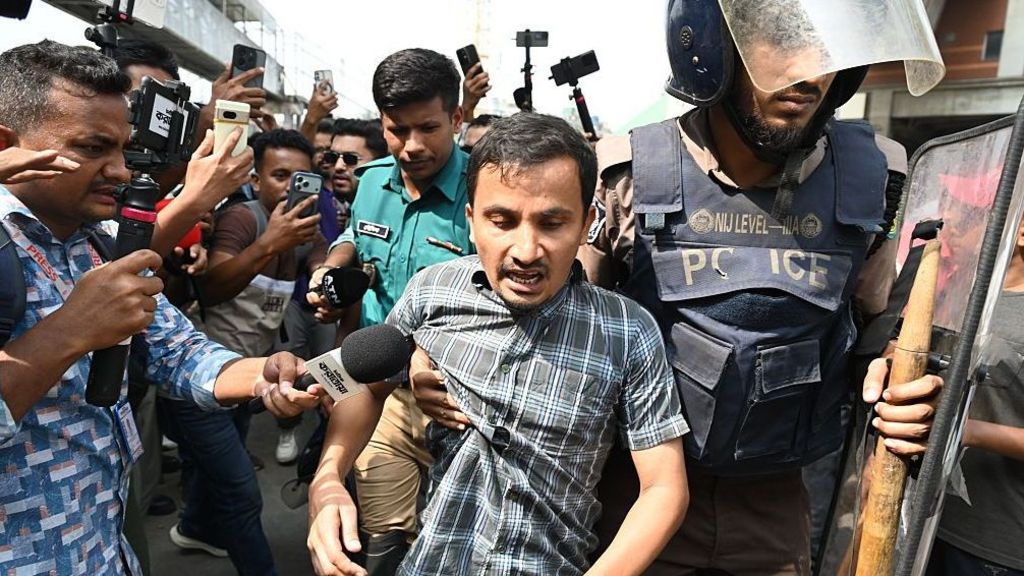
A wave of labour unrest across Bangladesh’s critical textile manufacturing sector has escalated into violent clashes, prompting hundreds of garment facilities to suspend operations amid widespread worker demands for sharply higher pay. For several consecutive days, demonstrations led by four million low-wage garment employees have roiled industrial zones in and around the capital Dhaka, including key production hubs of Ashulia, Gazipur and Narayanganj. Tensions boiled over on Sunday, when crowds of disgruntled workers blocked major thoroughfares, vandalised factory premises, set multiple vehicles ablaze, and engaged in direct confrontations with law enforcement. Police deployed tear gas to break up unruly gatherings, and confirmed that dozens of demonstrators were taken into custody over the weekend. As of Monday, Dhaka police Deputy Commissioner Mohidul Islam reported at least 29 additional arrests, warning that all individuals accused of creating an unstable environment at manufacturing sites would face full legal consequences. The core grievance driving the unrest is a call for a mandatory minimum monthly wage of 30,000 taka (equivalent to $242 USD or £180 GBP), more than double the current baseline salary of roughly 13,000 taka ($105 USD, £78 GBP) that most garment workers currently earn. Employees argue that soaring cost of living for basic necessities including food, cooking gas, electricity and residential rent has rendered their existing pay insufficient to cover even basic household expenses. One female worker told BBC Bangla that alongside wage hikes, the government must intervene to prevent unregulated rent increases from landlords and keep essential commodity prices affordable. 28-year-old factory employee Mamun echoed this sentiment to AFP, stating that policymakers must either curb surging living costs or adjust wages to match real-world expenses. As the world’s second-largest garment exporter behind China, Bangladesh’s $40 billion annual apparel industry makes up roughly 10% of the nation’s total GDP, and supplies finished products to a roster of major global retail brands including H&M, Primark and Uniqlo. State news agency BSS has flagged widespread industry concerns that extended work stoppages and ongoing unrest could disrupt supply chains and delay order fulfilment for international buyers. In response to the escalating crisis, the Bangladeshi government announced on Sunday that a dedicated formal wage review board had been established to assess worker compensation standards, and Prime Minister Tarique Rahman convened an emergency cabinet meeting to coordinate a response to the unrest. Despite these official overtures, demonstrations persisted through Monday, with 670 factories confirmed to have suspended operations that day, and hundreds more scheduled to remain closed on Tuesday. Home minister Salahuddin Ahmed issued public warnings of punitive action against groups he claimed were attempting to destabilise the country under the guise of labour advocacy, and authorities have publicly accused the banned Awami League party, affiliated with former national leader Sheikh Hasina, of exploiting the protests to incite widespread violence, though no supporting evidence for this allegation has been released. Separately, Babul Akhter, a worker representative seated on the new wage board, issued a public appeal to striking employees to return to their posts, assuring them he would advocate vigorously for fair, living wages and urging them not to be swayed by outside incitement.