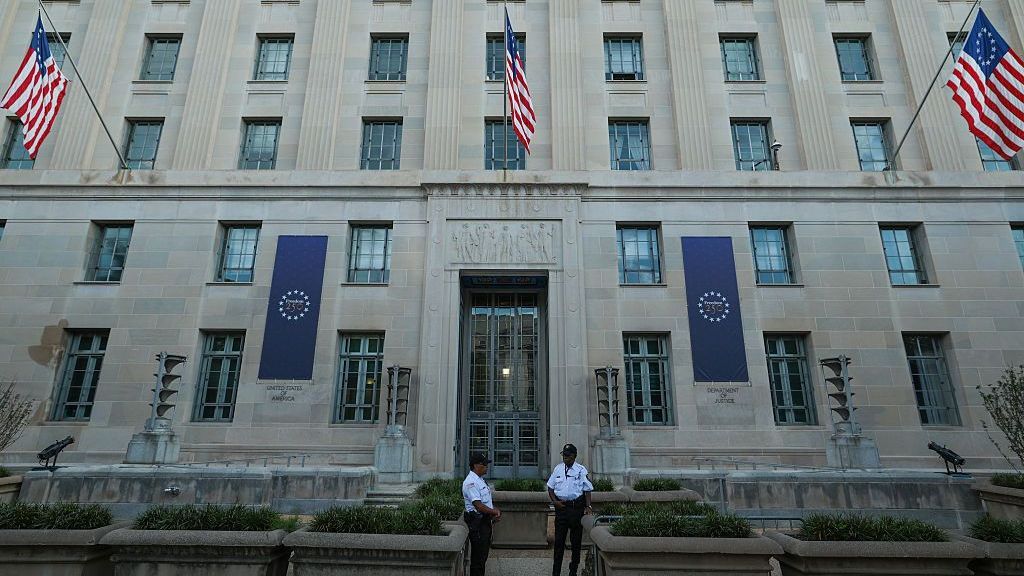
In an unprecedented legal milestone, a 47-year-old Afghan woman who held legal permanent residency in Texas has been deported from the United States, marking the first time the rarely used, secretive Alien Terrorist Removal Court (ATRC) has been invoked for an active case.
Nazira Haji Zada, a resident of Fort Worth, Texas, ultimately chose to voluntarily depart the U.S. rather than continue contesting her case before the specialized court, according to statements from both the U.S. Department of Justice (DOJ) and her legal defense team.
Established by federal legislation in 1996, the ATRC was designed to handle deportation cases involving non-citizens accused of terrorism ties when evidence against them is classified and tied to national security concerns. Before this July proceeding, the court had never adjudicated a single case in its nearly 30-year history.
Haji Zada, an Afghanistan national, has never been criminally charged with any offense in the U.S. However, federal prosecutors have already secured convictions for her son Abdullah Haji Zada and son-in-law Nasir Ahmad Tawhed on terrorism-related charges. The pair were found guilty of plotting a mass shooting on the 2024 U.S. Election Day, inspired by the Islamic State group. Prosecutors have labeled Nazira Haji Zada the “matriarch” of the extremist cell, alleging she was responsible for radicalizing her family members to support terrorist activities.
In an official statement released Friday, the DOJ confirmed that Haji Zada “conceded that she is an alien terrorist and waived appeal of the removal order, terminating her previous [immigration] status.” U.S. Attorney General Todd Blanche framed the outcome as a major success for U.S. national security. “This landmark case, resulting in the prompt removal of this alien terrorist to her country of origin, is a win for national security and the rule of law,” Blanche said. “Those who support and condone terrorism should not be living in the United States, and this first-ever case before the ATRC shows how the Department will use every tool at its disposal to protect our country.”
But Haji Zada’s court-appointed defense attorneys have raised sharp constitutional objections to the proceedings, arguing that the use of the secret court violated her Fifth Amendment right to due process under the U.S. Constitution. A core issue of contention is that defense counsel were denied access to the classified evidence prosecutors used to build their case against their client.
In a statement provided to *The Washington Post*, public defenders Matthew Farley and Mary Manning Petras emphasized that their client’s decision to consent to deportation should not be interpreted as validation of the ATRC’s authority. “Dragging lawful permanent residents into court but refusing to show them or their attorneys the evidence that will be used against them is a plain violation of due process,” they said. “We are confident that the Alien Terrorist Removal Court will be struck down as unconstitutional as soon as a judge is asked to address the issue.”