Last week, catastrophic flash floods swept through river valleys across Nepal, triggering a deadly collapse at a hydropower construction tunnel along the Trishuli River that left hundreds of workers missing and thousands dead. In harrowing first-person interviews with the BBC, surviving workers have shared their accounts of the terrifying moments that unfolded when river water breached the tunnel they were building.
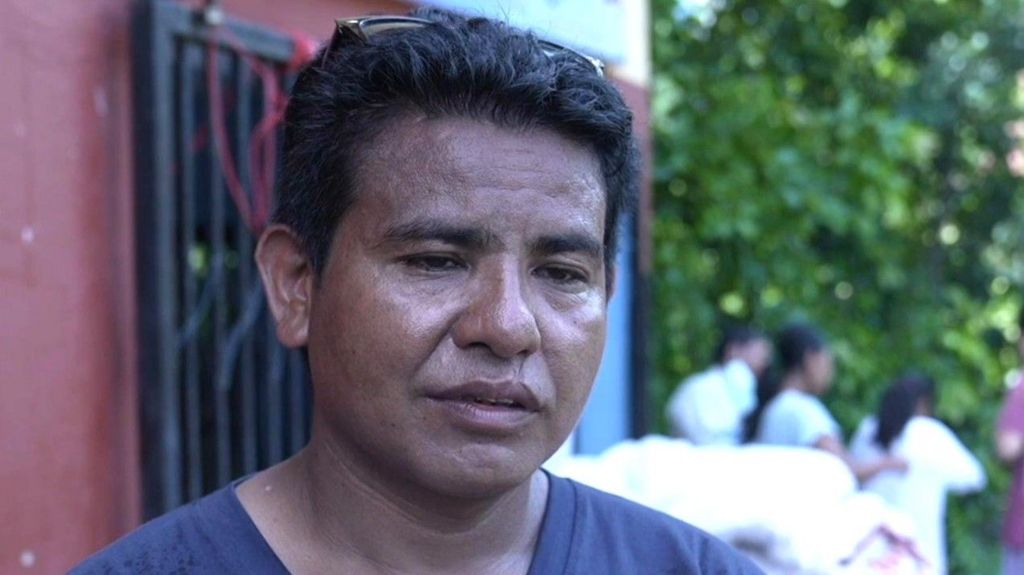
Pemba Dundu Tamang, one of the workers who narrowly escaped the rushing floodwaters, was part of a 30-person crew pouring concrete lining inside the tunnel when the disaster struck. The first sign of trouble, he recalled, was an unexpected, violent gust of wind that ripped through the tunnel, sending splintered plywood flying through the air and shaking loose large construction equipment. Outside the tunnel mouth, nearby riverside homes had already been torn from their foundations and swept away by the surging water.
“I ran toward the tunnel entrance,” Tamang described. “The water was chasing behind me and I was running ahead of it.” For 20 minutes, he fled uphill, with the deluge nipping at his heels, until he emerged from the tunnel disoriented and numb with shock. By the time he reached safety, the devastating reality of what he had lost began to sink in.
Tamang lost six members of his family—including his mother, older brother, sister-in-law, and three young nieces and nephews—who were staying at their riverside home when the flood hit. Only his wife, son, and one nephew survived the disaster. His colleague Itha Ghale suffered an equal loss, losing eight family members including his mother and eldest daughter; only Ghale, his wife, and three sons survived. “I feel life is meaningless now. Surviving feels miserable. I do not know where to eat or where to go,” Tamang said. “The dead are at peace. It is those of us who survived who suffer.”
Beyond the personal toll on these workers, the disaster has brought widespread devastation across Nepal. Official counts put the national death toll at more than 1,000, with roughly 4,000 people still unaccounted for. Hundreds of the missing are hydropower workers like Tamang, who were employed across a sprawling network of construction tunnels for hydropower projects running along the Trishuli River, which generates over 99% of Nepal’s total electricity supply.
Tamang and Ghale were working on the Upper Trishuli 3B Hydropower Project, a major facility scheduled to come online in 2027 that was designed to reuse water from an upstream plant to add additional capacity to Nepal’s national energy grid. Around 50 to 60 workers escaped the tunnel with Tamang, but dozens more remain trapped inside, he said.
Nepal’s military has launched a large-scale search-and-rescue operation across the affected region, with crews pumping air into submerged and blocked tunnels to sustain any potential survivors still trapped. Soldiers have also been assigned to recover bodies and implement public health measures to prevent the spread of waterborne disease in the flood aftermath. “We are focused on search-and-rescue efforts at the tunnels, our work is continuing,” Nepal Army spokesman Raja Ram Basnet told AFP.
International teams of specialists from China, India, and Nepal are also on-site, operating heavy excavators and clearing tonnes of debris to reach trapped workers at multiple hydropower construction sites. Tamang, who took shelter in the nearby village of Shanti Bazar for two days before military rescuers reached him, says he holds out hope for the colleagues still trapped. “There are probably still some survivors inside. I would be happy if they were rescued quickly,” he said. “I know many people who are still trapped there.”
The disaster has also sparked new discussion about disaster preparedness in Nepal’s mountainous, flood-prone river valleys. A new analysis by an international coalition of mountain hazard experts—including researchers from the Asian Mountain Academic Alliance, the Stimson Centre, and China’s Institute of Mountain Hazards and Environment—found clear warning signs of impending instability in the upstream glacier in the days before the flood triggered the disaster.
Satellite imagery captured before the event showed the glacier surface was accelerating, meltwater had changed to a sediment-heavy brown colour, and a large crack was forming in the surrounding rock—all clear indicators that a collapse and downstream flood was imminent. While the avalanche that triggered the flood moved too quickly to warn communities immediately upstream, experts say a functioning early warning system would have given 10 minutes or more of warning to downstream communities and construction sites—time that could have saved hundreds of lives. Tamang echoed this assessment, saying more lives could have been saved if adequate emergency resources had been in place before the flood hit.
As the search continues for missing workers and flood victims, survivors like Tamang are left grappling with the loss of their families and uncertain futures. Many, including Tamang, fear that if the damaged hydropower projects are shuttered indefinitely, they will be left without work and unable to feed their surviving families. “If things continue like this, we will go hungry,” Tamang said. “Sometimes I feel it would have been better not to survive.”