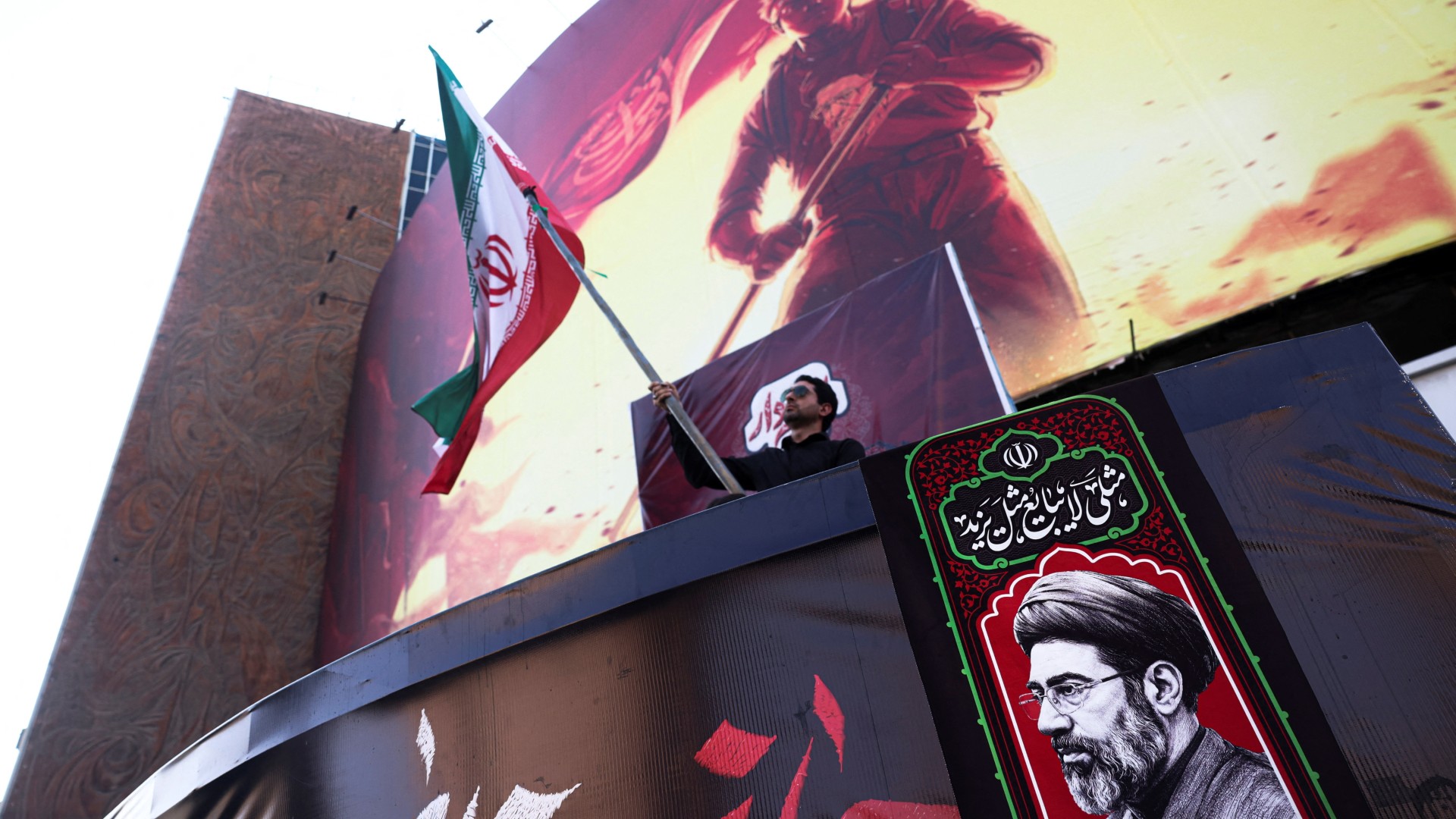
A dramatic escalation in regional geopolitical tensions across the Middle East took shape on Monday, as a top Islamic Revolutionary Guard Corps (IRGC) official announced Iran is preparing to shift its long-held military posture from defensive to offensive, warning global adversaries to prepare for unexpected strategic moves.
Yadollah Javani, head of the IRGC’s political bureau, stated in an interview with Iranian state media Monday morning that Iran will never be caught off-guard by enemy aggression. “Instead, it is the enemy that must anticipate strategic surprises,” Javani emphasized. He added that all necessary measures to defend Iran’s territorial integrity, maintain national security, and neutralize hostile threats will be carried out at the moment Iran deems appropriate.
Javani’s stark warning coincided with a dramatic, unforeseen slowdown in commercial shipping traffic through the Strait of Hormuz, the world’s most critical energy chokepoint that carries roughly one-fifth of global oil and liquefied natural gas supplies. New ship tracking data compiled by analytics firm Kpler shows that just five commodity-carrying vessels passed through the strait on Saturday, with zero recorded transits on Sunday. This marks a massive drop from the previous weekend, when 31 vessels completed transits through the waterway.
Amid the shipping disruptions, Iran continued joint negotiations with Oman on Monday to design a new secure maritime transit corridor through the strait. Iranian foreign ministry spokesman Esmaeil Baghaei pinned the recent security complications and delays on aggressive military activity by the United States and Israel, noting that talks have stretched longer than initially anticipated due to ongoing geopolitical unrest. “The issue is inherently complex,” Baghaei added. The proposed new mechanism is designed to protect the sovereign rights and economic interests of both Iran and Oman, while upholding guaranteed safe passage for all commercial shipping traffic transiting the strait. According to Baghaei, this framework marks the first initiative that simultaneously safeguards the sovereignty of the two coastal nations and ensures unimpeded movement for global commercial vessels. Intensive negotiations are still underway to finalize a joint official statement, he confirmed.
Baghaei also used Monday’s press briefing to formally disavow a 60-day timeline outlined in a June 17 memorandum of understanding between Tehran and Washington, accusing the U.S. of violating the terms of the agreement within weeks of it being signed. “There is no provision in the memorandum of understanding referring to a ‘60-day deadline’, and the Islamic Republic of Iran never formulates its policies under pressure, ultimatums or time limits,” Baghaei stated. He clarified that the original text only referenced a 60-day window for talks on U.S. sanctions relief and the Iranian nuclear program, with an option to extend the period if no breakthrough was reached. However, he said “gross and widespread” U.S. violations of the agreement prevented talks from ever launching, making the 60-day timeline “entirely moot.”
In a separate development overnight Sunday, two Iranian drones targeted the office of Iraq’s Kurdistan regional Prime Minister Masrour Barzani and the private residence of the autonomous region’s intelligence chief, local authorities confirmed Monday. Barzani confirmed the attack in a post on the social platform X, noting that counterterrorism investigators had verified that his personal office and the intelligence chief’s home were struck. “This is a dangerous escalation and a direct threat to the security and stability of the Kurdistan region,” Barzani wrote. The regional counterterrorism directorate added that no casualties were reported in the strikes. This attack is part of a broader pattern of aggression: since February 2024, when cross-border hostilities intensified, the Kurdistan region— which hosts U.S. military personnel, international energy companies, and exiled Iranian opposition groups— has faced more than 1,000 attacks from Tehran and Iran-aligned armed groups operating inside Iraq.
On the environmental front, Baghaei blamed decades of U.S. military intervention and warfare in the region for widespread pollution in Persian Gulf waters, following recent reports of multiple large oil spills. “This environmental damage stems from the US military presence and the wars it has waged in the region over the past five decades,” Baghaei said Monday, adding that harm to the marine ecosystems of the Persian Gulf and Sea of Oman is not limited to current ongoing conflicts. He called for the U.S. to be held legally and financially accountable, estimating total environmental damage at trillions of dollars. The comments come one week after Iran demanded compensation for an oil slick that reached protected beaches and a sensitive mangrove forest on Qeshm Island. Initial investigations pointed to a foreign bulk carrier as the source of the spill, which Iranian officials have confirmed is now completely cleaned up.
In a final diplomatic standoff, Baghaei confirmed that Iran will continue to classify three missing Iranian pilots as prisoners held by Qatar, despite repeated denials from Doha, until full clarity is provided on their fate. Tehran claims the pilots went missing during a March 2 operation targeting the U.S. Al Udeid Air Base in Qatar. On Saturday, Iranian authorities publicly alleged for the first time that the three had been captured by Qatari forces, after months of stating that one pilot had been killed and three others remained unaccounted for. “Until the pilots’ situation is clarified, we consider them prisoners and will spare no effort to shed light on their fate,” Baghaei said. Qatar denies holding the airmen, and says it extended an invitation to Iranian officials in April to receive a full briefing on search and rescue operations, which Tehran has not yet accepted. Last month, Iran’s military announced it had recovered the body of pilot Majid Kazemi, who it confirms was killed in the attack on Al Udeid, the largest U.S. military base in the Middle East that hosts forward command for U.S. Central Command and American air and special operations units. In early March, Qatar’s defense ministry announced it had shot down two Iranian Su-24 bombers, though it has not confirmed these were the same aircraft involved in the March 2 operation.