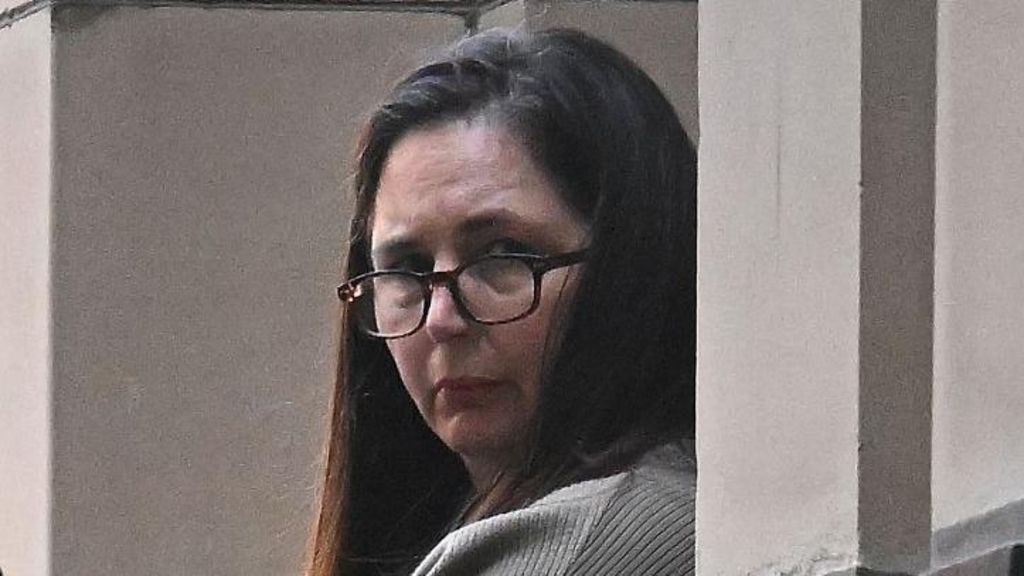
One year after one of Australia’s most sensational criminal trials concluded with a life sentence, the so-called “mushroom murder” case has reclaimed national headlines, as the perpetrator seeks to overturn her conviction and prosecutors push for a far harsher penalty.
In September 2024, 51-year-old Erin Patterson was sentenced to life in prison after being found guilty of murdering three family members and attempting to kill a fourth by serving a lunch laced with toxic death cap mushrooms at her Leongatha, Victoria home in 2023. The victims were Patterson’s 70-year-old in-laws Don and Gail Patterson, and Gail’s 66-year-old sister Heather Wilkinson, all of whom died within days of eating the poisoned beef Wellington Patterson prepared individually for each guest. Heather’s husband Ian Wilkinson, a local pastor, survived after weeks of intensive care but continues to live with long-term health complications linked to the poisoning. Patterson’s estranged husband Simon Patterson, who had claimed his wife repeatedly tried to poison him over multiple years, had been expected to attend the lunch but canceled at the last minute; post-trial disclosures revealed he once fell into a coma after eating one of Patterson’s meals, required emergency surgery to remove a large section of his bowel, and was given last rites twice by medical staff who did not expect him to survive.
Throughout the original trial, Patterson maintained her innocence, arguing the deaths were a tragic accident caused by misidentification of wild mushrooms she foraged as a hobby. She claimed her inconsistent statements and attempts to dispose of evidence after the lunch stemmed only from panic over being wrongfully blamed for the deaths. Now, from the maximum-security Dame Phyllis Frost Centre on Melbourne’s outskirts where she is serving her sentence, Patterson is appealing her conviction via video link, arguing she was denied a fair trial on seven separate grounds.
Her legal team argues multiple pieces of prejudicial evidence that should never have been presented to the jury were allowed, including mobile phone tracking data showing Patterson traveled to areas where death cap mushrooms grow, and social media messages from Patterson to Facebook contacts where she ranted negatively about her estranged husband and in-laws, calling Simon a “deadbeat”. The defense adds that exculpatory evidence supporting the accident claim — including photos documenting Patterson’s long-time mushroom foraging hobby — was wrongfully excluded from trial.
Patterson’s team also level criticism at the prosecution’s conduct: they say prosecutors were inconsistent about their argument for motive, opening the trial by declining to name a specific motive before implying one during closing arguments. They also label the five-day cross-examination of Patterson by lead prosecution barrister Nannette Rogers, which included repeated accusations of lying, as “unfair and oppressive”.
The most notable claim in the appeal, however, centers on a serious irregularity during jury deliberations. Due to intense media interest in the high-profile case, the jury was sequestered in supervised hotel accommodation during deliberations to prevent outside influence. But due to room shortages in the regional area surrounding the courthouse caused by the influx of reporters, the sequestered jury ended up staying in the same hotel as prosecution team members, a key police witness, and journalists covering the trial. While the original trial judge found no evidence of improper contact between the jury and those connected to the case, and no objections were raised during the trial, Patterson’s legal team says this mishap “fatally undermined” the integrity of the verdict, and requires the convictions to be thrown out and a new trial ordered, to uphold the principle that justice must both be done and be seen to be done.
Parallel to Patterson’s appeal against her conviction, prosecutors from the Victorian Department of Public Prosecutions are appealing her original sentence. The trial judge, Justice Christopher Beale, ruled that Patterson could apply for parole after serving 33 years of her life sentence, a decision informed by the fact that Patterson had already served 15 months in solitary confinement ahead of sentencing, and would likely remain in isolated conditions for years to come due to safety risks stemming from the high profile of her case. Prosecutors argue the 33-year minimum before parole eligibility is “manifestly inadequate” and that Patterson should spend the rest of her life behind bars with no chance of release.
Court of Appeal hearings for both appeals are now underway, presided over by three judges. A final decision will not be delivered immediately after the hearings conclude, with a ruling expected to take several months. If the court overturns Patterson’s conviction, she could either be acquitted or ordered to face a new trial. If prosecutors succeed in their sentence appeal, her minimum parole period could be extended beyond 33 years, or she could be re-sentenced to life imprisonment without the possibility of parole.