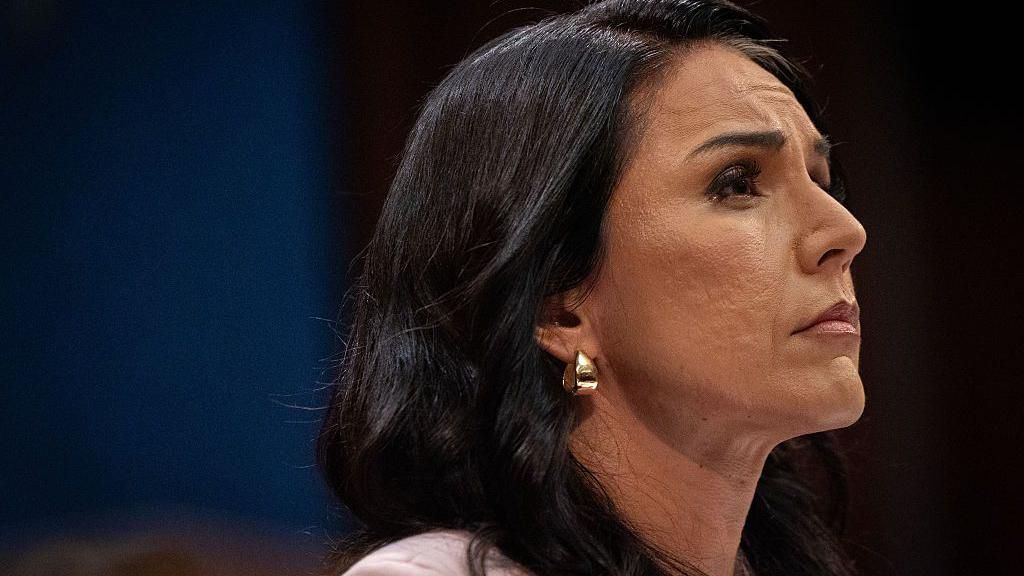
In a sudden announcement that has rippled through U.S. political and intelligence circles, former U.S. Director of National Intelligence Tulsi Gabbard has confirmed she will resign her post in the second Trump administration, citing an urgent personal crisis: her husband Abraham has recently been diagnosed with bone cancer.
The resignation, which will take full effect on June 30, was revealed through a resignation letter obtained by CBS News, a U.S. partner of the BBC. In the heartfelt correspondence, Gabbard emphasized the foundational role her husband has played in her public life. “His strength and love have sustained me through every challenge,” she wrote, adding that she could not in good conscience leave him to navigate his cancer treatment alone while fulfilling the relentless, time-intensive demands of leading the U.S. intelligence community. “I cannot ask him to face this fight alone while I continue in this demanding and time-consuming position,” Gabbard stated.
Following the official confirmation of the resignation, former President Donald Trump took to social media to publicly praise Gabbard’s service. The departing intelligence chief “has done an incredible job, and we will miss her,” Trump wrote, noting that Gabbard’s choice to prioritize her family’s health is both understandable and honorable. “She rightfully, wants to be with him, bringing him back to good health as they currently fight a tough battle together. I have no doubt he will soon be better than ever,” Trump added. To ensure a smooth transition, Trump announced that Aaron Lukas, the current principal deputy director of national intelligence, will assume the role of acting director once Gabbard departs at the end of June.
Gabbard’s tenure at the helm of U.S. intelligence was relatively short but marked by its place in a shifting U.S. foreign policy landscape. A steadfast supporter of Trump during his successful 2024 presidential comeback campaign, Gabbard was confirmed to the top intelligence post just weeks after Trump reclaimed the White House in 2025. As Director of National Intelligence, her core responsibilities included coordinating operations across 18 separate U.S. intelligence agencies and serving as the president’s primary advisor on all national security and intelligence matters, making her one of the most powerful figures in the U.S. national security apparatus.
Notably, Gabbard has remained largely out of the public eye in recent months, even as the Trump administration oversaw a series of high-stakes foreign policy actions: expanded military operations against Iran, increased diplomatic and economic pressure on Cuba, and the controversial removal of Venezuela’s sitting president. Her sudden departure from the role adds a new layer of uncertainty to the administration’s intelligence leadership as it continues to advance its aggressive global policy agenda.