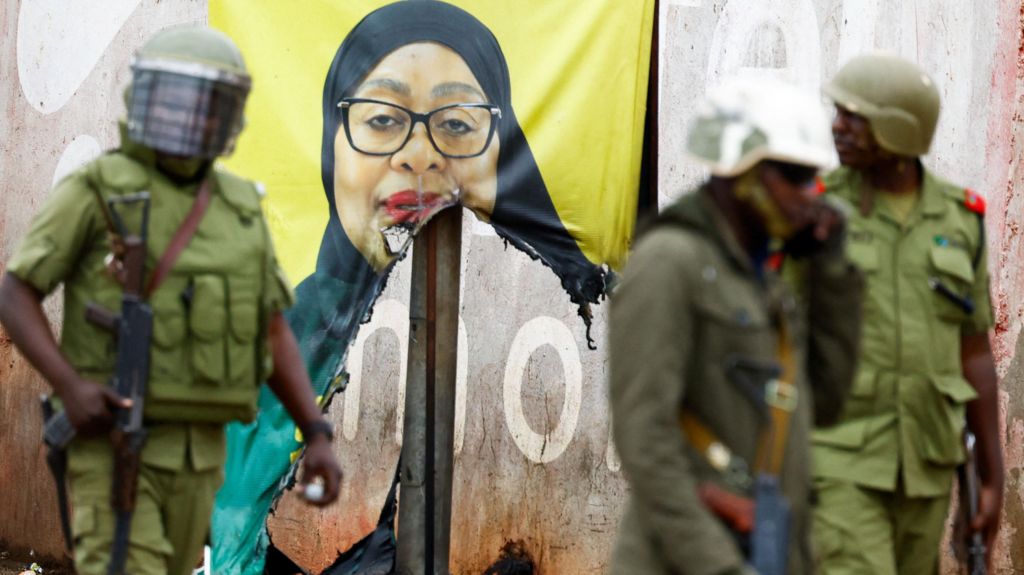
Weeks after the conclusion of Tanzania’s highly contested October presidential election, an official commission of inquiry has for the first time released a public death toll tied to the widespread post-election unrest that rocked the country: 518 people lost their lives to unnatural causes, commission chair Mohamed Chande Othman confirmed in his official presentation of the inquiry’s findings. Of the fatalities recorded, Othman noted, 490 were male, a stark demographic breakdown of the unrest that followed the presidential vote. The commission was launched by President Samia Suluhu Hassan on November 20, with a broad mandate to unpack the root causes of the violence, identify involved parties and their motives, assess the government’s response to the unrest, and outline policy recommendations to prevent similar future conflicts. Over the course of its investigation, the panel collected testimony and evidence from a wide range of stakeholders across Tanzania, including ordinary residents, victims of the violence, opposition political leaders, and national security agencies, holding some of its deliberations in closed, private sessions. In his findings, Othman avoided assigning direct blame for the 518 deaths, stopping short of naming responsible parties and instead calling for additional targeted investigations to clarify who perpetrated the fatal violence. The chair framed the unrest as the outcome of a mix of long-simmering structural issues and immediate post-election triggers. “We are dealing with both long-standing issues that have persisted over time and immediate triggers that ignited tensions on the ground,” Othman stated, adding that the commission attributes the unrest to a combination of economic, political, and social grievances. These included public demands for broader political reform, widespread youth unemployment, and what the report described as “lack of patriotism” among dissident groups. The inquiry concluded that politicians and activist organizers leveraged these existing frustrations to mobilize citizens to join post-election protests, and that the demonstrations themselves were neither peaceful nor legal, meaning they did not qualify for standard legal protections. The election outcome that sparked the unrest remains deeply contested: President Samia was officially declared the winner of the October 29 presidential vote, securing a landslide 98% of the vote, a result the country’s opposition parties immediately dismissed as a “mockery” of democratic process. The president has repeatedly defended the election as free, fair, and fully transparent. In response to the unrest, Samia has blamed foreign actors for instigating the violence, framing it as part of a coordinated plot to overthrow her democratically elected administration. Since the unrest unfolded, opposition parties and independent human rights organizations have repeatedly accused Tanzanian security forces of carrying out a brutal, lethal crackdown on anti-government protesters, a charge that has not been confirmed or refuted by the inquiry’s findings. Opposition leaders have already raised sharp questions about the credibility of the nine-member commission itself, noting that all members were directly appointed by President Samia. The opposition argues that this direct executive appointment strips the panel of the independence and impartiality required to fairly investigate violence tied to the administration, leaving key questions about accountability unresolved more than a year after the election. This death toll marks the first time that Tanzanian authorities have publicly confirmed the scale of fatalities from the post-election unrest, a long-awaited disclosure that comes amid ongoing domestic and international scrutiny of the country’s political climate.