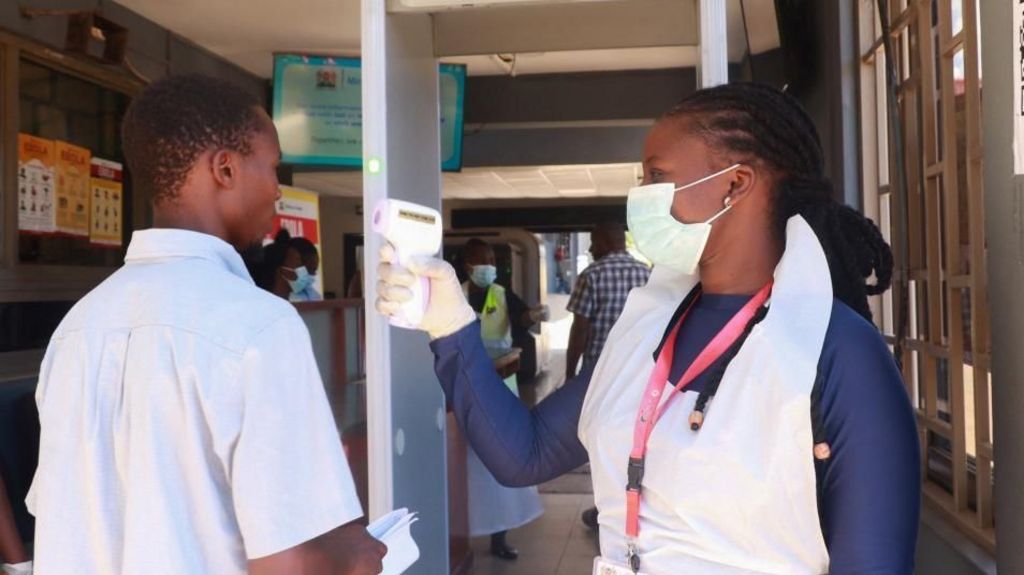
Kenya’s Ministry of Health has confirmed the country’s second Ebola-related fatality, marking a critical update to its first ever recorded outbreak of the viral disease. The 65-year-old deceased woman was an immediate close family contact of the outbreak’s first victim, a Congolese traveller who arrived in Nairobi after seeking treatment at multiple medical facilities across the Democratic Republic of Congo in September, and died on 5 October. The latest fatality had been placed under mandatory quarantine when she first developed symptoms on 13 October, health authorities verified. At present, seven additional Ebola patients are receiving dedicated care across two specialized isolation facilities in the country: three are remaining relatives of the initial index case, three are frontline healthcare workers, and one is a hospital cleaning staff member. The health ministry has stressed that all confirmed cases belong to a single, contained transmission cluster, with zero verified evidence of widespread community spread to date. This outbreak is part of a broader regional crisis that has claimed over 4,000 lives across Africa since Ebola resurfaced in the DRC in May, making it the second deadliest Ebola outbreak in global history. The strain circulating in this cluster is the rare Bundibugyo variant, for which no fully approved vaccine or targeted therapeutic treatment is yet available, though multiple clinical trials are currently ongoing. The International Rescue Committee, which has been collaborating with regional governments to curb transmission, warns that Kenya faces sustained, elevated risk of new imported cases given the DRC’s tally of more than 9,500 total infections. In response, Kenyan authorities have rolled out strict, multi-layered cross-border screening protocols covering travellers arriving from 10 high-risk nations: the DRC, Uganda, Tanzania, Rwanda, Burundi, Angola, Zambia, Ethiopia, South Sudan, and the Central African Republic. All inbound passengers from these countries must complete a digital health surveillance form prior to boarding their flights, and present a corresponding QR code to port health officials for verification upon arrival, while all aircraft originating in the high-risk zones are subject to enhanced disinfection and public health checks. Domestically, the government has launched a widespread public awareness campaign to educate residents on Ebola’s transmission risks, urging prompt reporting of any suspected symptoms and immediate medical care-seeking, alongside guidance on core preventive measures including frequent handwashing and avoiding unprotected close contact with visibly ill individuals. The U.S. State Department has issued an official travel advisory warning its citizens against non-essential travel to Kenya, while neighbouring states including Uganda, Ethiopia, and Somalia have activated their own national public health alert systems to prepare for potential imported cases. In a separate related development, Nigerian Health Minister Professor Ali Pate announced that the single confirmed Ebola case recorded in Nigeria appears to be genetically linked to the strain circulating in Kenya. Pate noted that there is no current evidence that the Kenyan index case travelled to Nigeria directly, though additional confirmatory testing is still underway to clarify transmission links. Investigators are exploring whether Nigeria’s single patient and Kenya’s first deceased case crossed paths at Uganda’s Entebbe International Airport earlier in October, as both are confirmed to have transited through the facility.