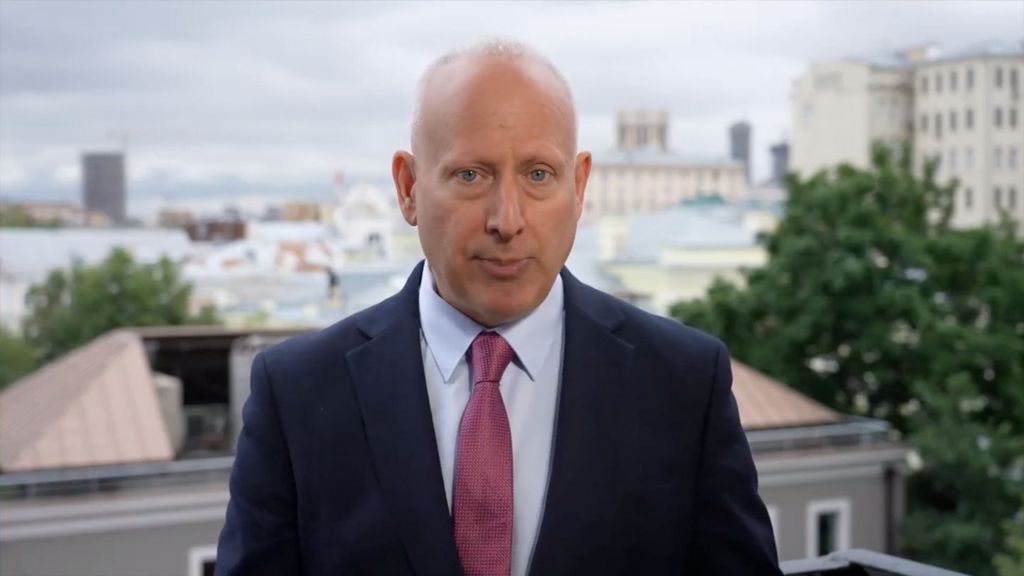
In recent weeks, repeated drone attacks launched by Ukrainian forces have raised urgent questions across global security circles: will Vladimir Putin opt to revise Russia’s long-standing military tactics in response to this escalating asymmetric pressure? As veteran international correspondent Steve Rosenberg explores, the growing frequency of these cross-border drone strikes has created a new strategic headache for the Kremlin, forcing senior Russian military and political leadership to weigh a range of potential responses.
For months, Ukrainian forces have leveraged relatively low-cost, agile drone technology to target critical infrastructure, military depots, and supply lines deep inside Russian territory, chipping away at Moscow’s logistical capabilities and forcing the Russian public to confront the reality of the conflict far from the front lines. These strikes have exploited gaps in Russia’s integrated air defense network, which was designed primarily to counter large, traditional manned aircraft and ballistic missiles rather than small, slow-moving unmanned aerial vehicles that can evade radar detection.
Rosenberg’s analysis outlines three broad potential paths Russia could take in the coming weeks. The first option is a significant escalation of long-range missile and drone strikes targeting Ukrainian energy infrastructure and military command centers, aiming to knock out Ukraine’s drone production and launch capabilities before the winter weather sets in. The second path involves a rapid overhaul of Russia’s domestic air defense systems, with a focus on deploying more mobile, short-range counter-drone technology to protect border regions and key strategic sites. The third, more provocative possibility is a broadening of Russian targeting of Ukrainian supply routes and Western weapons transfer hubs, in a bid to cut off the technology that enables these drone attacks.
Security analysts note that any change in Russian tactics will depend heavily on two key factors: the extent of damage caused by ongoing Ukrainian drone strikes in the coming weeks, and the level of political pressure Putin faces from domestic audiences, who have grown increasingly vocal about the failure to prevent cross-border attacks. While some hardline factions within Russia have already called for dramatic retaliation, more cautious military leaders warn that over-escalation could draw additional direct involvement from NATO, further stretching Russia’s overextended military resources.