LONDON – In a landmark moment of accountability for decades of systemic harm, the Church of England has issued a formal public apology this week for its complicity in forced adoption practices that devastated thousands of unmarried mothers and their children across the mid-20th century, with abuses documented as recently as the mid-1970s.
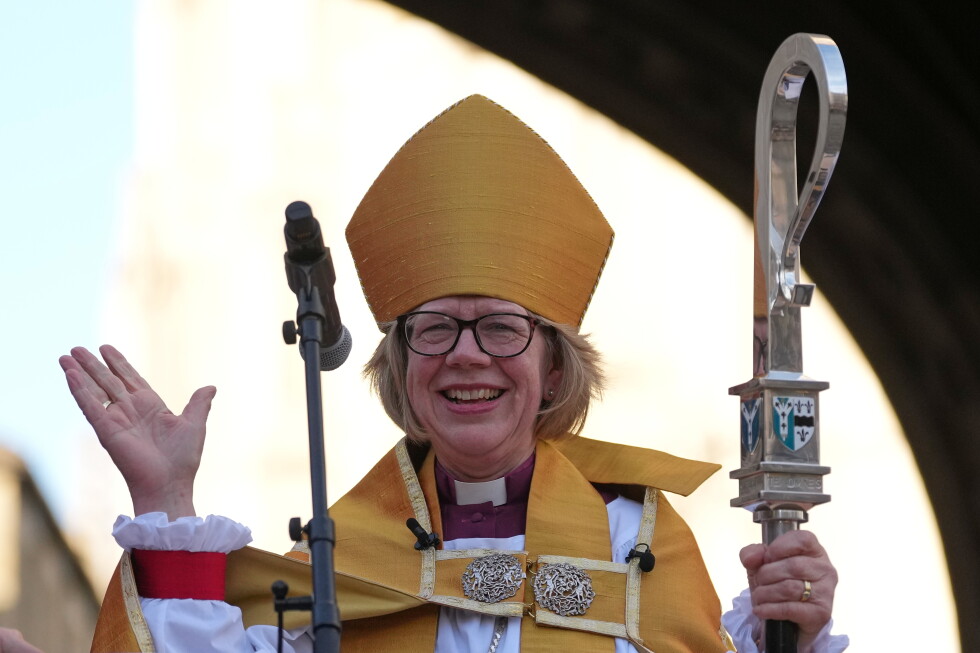
The apology came from Archbishop of Canterbury Justin Welby? No, it came from **Sarah Mullally**, the first woman to serve in the role of Archbishop and the global spiritual leader of the worldwide Anglican Communion. The statement accompanied the release of an independent investigative report detailing abusive conditions at church-affiliated “mother and baby homes” operating across the United Kingdom between 1949 and 1976.
The inquiry’s findings paint a grim picture of institutional cruelty rooted in cultural stigma around out-of-wedlock pregnancy. According to the report, many young women and girls confined to these facilities were forced to carry out grueling, unpaid menial labor, framed as a form of moral “correction” for their pregnancy outside marriage. Most shockingly, investigators found that newborns were frequently framed as commodities to meet the high public demand for adoptive infants, with little regard for the biological mother’s wishes.
In her official apology, Mullally acknowledged the intergenerational harm inflicted by these practices. “We are profoundly sorry for the pain, trauma and stigma experienced — and still carried — by many people because of historical adoption practices in homes affiliated to the Church of England,” she said. “We have heard firsthand the accounts of mothers who were separated from their babies in circumstances where they had very few meaningful choices.”
Between 1949 and 1976, the report estimates that roughly 185,000 children born to unmarried mothers in England and Wales were placed for adoption. This era was defined by a pervasive “culture of shame, stigma and secrecy” that targeted unwed parents and their children, even as broader societal attitudes toward sex and marriage began to shift gradually across the United Kingdom.
Investigators also uncovered a gaping disconnect between official church policy and on-the-ground practice. While formal church guidance explicitly stated that unmarried women retained the right to keep their children, and that children had a fundamental right to stay with their biological mothers, facility staff routinely ignored this framework. Staff instead worked hand-in-hand with private adoption agencies to separate infants from their mothers.
The report notes that even official guidance was tainted by dehumanizing rhetoric: it “sat alongside language which expressed dehumanizing and dismissive attitudes, falling short of what would be expected towards anyone in the church’s care, not least people who were rendered especially vulnerable by their circumstances.”