Five months into open hostilities between the United States and Iran, violence has flared once again in the Middle East after a brief lull, as the U.S. military confirmed it has launched new retaliatory strikes targeting Iran. The operation comes in direct response to what U.S. officials describe as an attempted surprise offensive against American personnel deployed across the Middle East.
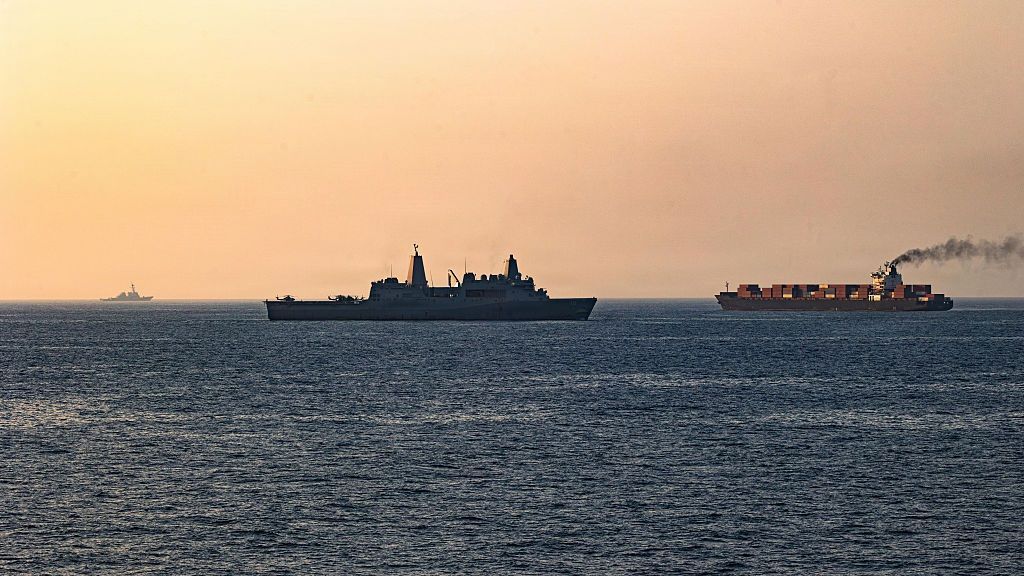
The U.S. Central Command (Centcom) announced the strikes via its official X account, framing the action as “a powerful response” to two separate Iranian attacks earlier this week: rocket and missile fire targeting U.S. military bases stationed in Jordan, and coordinated strikes on commercial and military vessels transiting the Strait of Hormuz, a critical global chokepoint for oil trade.
The escalation marks a sharp reversal of just days of relative calm, when both sides paused offensive operations amid unconfirmed reports that diplomatic talks had resumed to explore a potential negotiated settlement to the months-long conflict. Former U.S. President Donald Trump, who led the initial U.S. strikes alongside Israel against Iran back in February, publicly claimed the negotiations were “very friendly” — a claim Iranian officials in Tehran immediately rejected, denying any diplomatic discussions were taking place with U.S. representatives.
This new wave of hostilities comes just one day after the conflict expanded in a new direction: the first publicly disclosed joint military strike operation by the U.S. and Saudi Arabia, which targeted Iranian-backed proxy militia groups operating in northern Iraq. Ahead of Wednesday’s announced strikes against Iran itself, Trump — who currently serves as U.S. president — reiterated his promise to respond forcefully to Tuesday’s attempted attack on American troops.
Speaking to reporters at the White House on Wednesday afternoon, Trump made clear the scope of the impending operation, saying: “We’re going to be hitting them very hard because it’s our turn to hit them. They know it’s coming. They asked us not to do it.”
When the U.S. and Israel first launched large-scale military strikes on Iran in February, Trump publicly predicted the conflict would conclude in a matter of weeks. Five months later, the war continues with no clear diplomatic or military end in sight, raising regional and global fears of wider conflict that could disrupt global energy supplies and draw more regional powers into open hostilities.