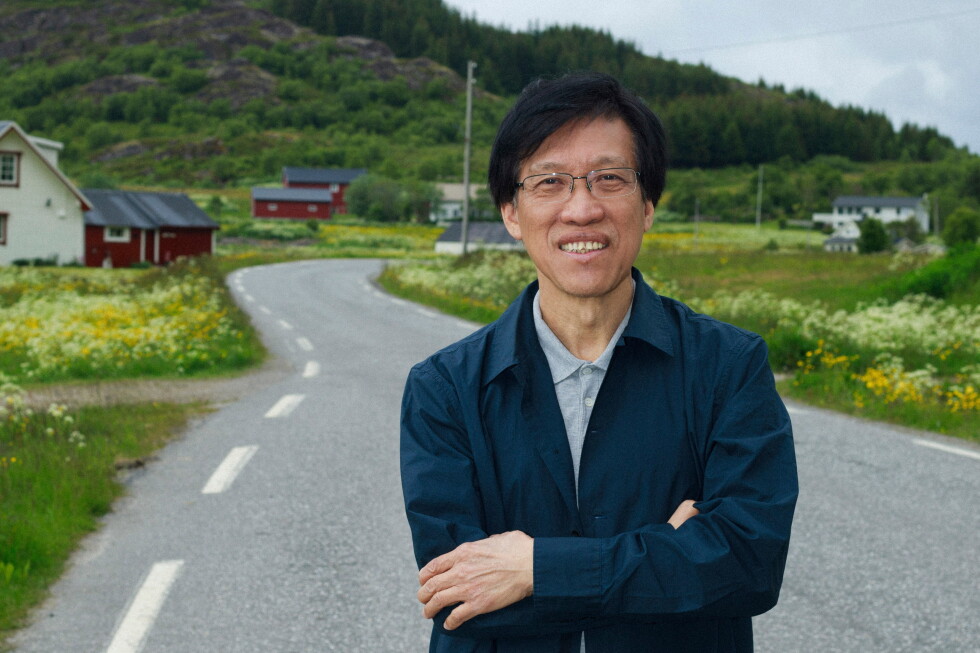
It has been 12 months since former Macao pro-democracy legislator Au Kam San was taken into custody in July 2025, a landmark arrest that marked the first public use of the region’s 16-year-old national security law. Today, nearly all details of his case remain hidden from public view, and even Au’s own daughter has been barred from meaningful access to the legal process, drawing sharp new scrutiny of how Beijing is expanding its crackdown on dissent across China’s special administrative regions.
A former Portuguese trading port that reverted to Chinese control in 1999, Macao operates under the “one country, two systems” framework, mirroring the structure of neighboring Hong Kong. Long known globally as a major casino and tourism hub, Macao has never seen the large-scale pro-democracy activism that shaped Hong Kong’s recent political landscape. Au, a 69-year-old who stepped down from his lawmaker seat in 2021 from a legislature dominated by Beijing-aligned loyalists, remained one of the few public voices willing to criticize government policy and political trends through social media and public interviews—criticisms that observers widely describe as mild.
When police took Au into custody last year, they leveled a series of national security charges against him: colluding with unspecified anti-China organizations based outside Macao, distributing false and seditious materials online and abroad, and repeatedly supplying misleading information to foreign entities and their affiliated media outlets to incite hatred against Beijing and the Macao regional government. On July 2 of this year, a court upheld the full indictment, labeling Au the primary perpetrator of multiple offenses including subversion of state power, breach of national confidentiality, and colluding with overseas groups to carry out acts that threaten national security. A conviction on all counts could carry a maximum sentence of 30 years in prison.
From the moment of his arrest, Au has been held under conditions that have sparked widespread concern over the fairness of his upcoming trial. Most critically, his family has been blocked from providing a legal representative of their own choosing. Au’s daughter, Au Hon I, who resides in London, says the family’s independently selected lawyer was denied access to her father in detention, and authorities ultimately forced the appointment of a court-approved lawyer, a decision the court justified citing a binding opinion from Macao’s national security committee, which is chaired by Macao’s Chief Executive Sam Hou Fai. The court has claimed that Au’s legal rights have been fully protected under Macao law, but the younger Au rejects that assertion.
“For almost a year my family could not speak with my father as he was kept in cruel incommunicado detention,” Au Hon I told the Associated Press. “Now we are still unable to speak to him about his case nor provide him with a lawyer so he can properly fight his case.”
Authorities also seized books from Au Kam San’s home connected to the 1989 Tiananmen Square pro-democracy movement, according to the family. The preliminary hearing held in July was closed to the public, as permitted under Macao law when national security interests are deemed to be at risk, and no public trial date has been announced. The Macao government has not responded to requests for comment on the case.
Notably, Au Kam San has also been cut off from any direct contact with his family. Even as he maintained unwavering faith in Macao’s justice system before his arrest, that system has now left him isolated, his daughter says. “He always believed in the justice system of Macao. He believed it so much that he feels that he will be protected by the very own justice system that is putting him in where he is right now,” Au Hon I said.
Au’s case has drawn comparisons to the broad national security crackdown in Hong Kong, where Beijing imposed a sweeping national security law in 2020 that has led to more than 400 arrests and over 180 convictions. Critics, however, note that Au’s treatment is in many ways more restrictive than even the highest-profile cases in Hong Kong. For example, Jimmy Lai, the former Hong Kong media mogul and pro-democracy activist who was sentenced to 20 years in prison on national security charges, was allowed family visits shortly after his detention and was permitted to select his own legal representation, even after a requested British lawyer was blocked from the case.
“It’s much worse than Hong Kong,” Au Hon I said of her father’s case.
Michael Polak, a British barrister representing Au’s family internationally, confirmed that Au Kam San holds dual Chinese and Portuguese citizenship, and the Portuguese consulate in Macao requested consular access to him, a request that was ultimately denied. This mirrors the case of Lai, a British citizen who was also denied British consular access, as China does not recognize dual nationality for its citizens. Polak has called on the Portuguese government and European Union to publicly condemn the case, and the EU has already issued a statement arguing that the denial of due process violates Au’s fundamental rights, noting that it continues to raise concerns directly with Macao authorities.
Legal analysts who study the two special administrative regions say the differing treatment of Au reflects deeper structural differences between Hong Kong and Macao’s legal systems. Under Macao’s rules, all lawyers seeking to represent defendants in national security cases must receive approval from a designated judge, and all requests are vetted by the national security committee. Jorge Menezes, a Portuguese lawyer with decades of experience practicing in Macao, notes that while Hong Kong’s national security crackdown has been more high-profile, Hong Kong’s judiciary still retains a stronger tradition of judicial independence, and its legal community has a far more active culture of defending civil liberties. In Macao, by contrast, judges are less independent, and lawyers rarely take on high-profile civil rights cases, creating what Menezes calls “the land of silence.”
“The trial itself will be a farce,” Menezes said. “It’s a politically conducted trial.”
Urania Chiu, a law lecturer at Oxford Brookes University, says direct comparisons are complicated by the fact that Au’s case is the first of its kind under Macao’s 2009 national security law. Still, she points to the complete lack of public information around the proceedings and the barriers facing Au’s family as clear red flags. “What stands out is the complete secrecy that all of these procedures have been conducted in,” Chiu said.
For Au Hon I, the past year has taken an enormous personal and emotional toll. She says she is heartbroken that her father, who spent decades prioritizing the needs of his constituents and community, has been publicly portrayed as a villain. Before his arrest, Au Kam San told his daughter that if he ever ran into political trouble, she should focus on living her own life and not worry about him. But she has refused to abandon his case, even though the situation has forced her into exile.
“I don’t think it would be wise for me to set foot in Macao again, which is also very sad because I don’t know when I could ever see my dad again,” she said, weeping during the interview.