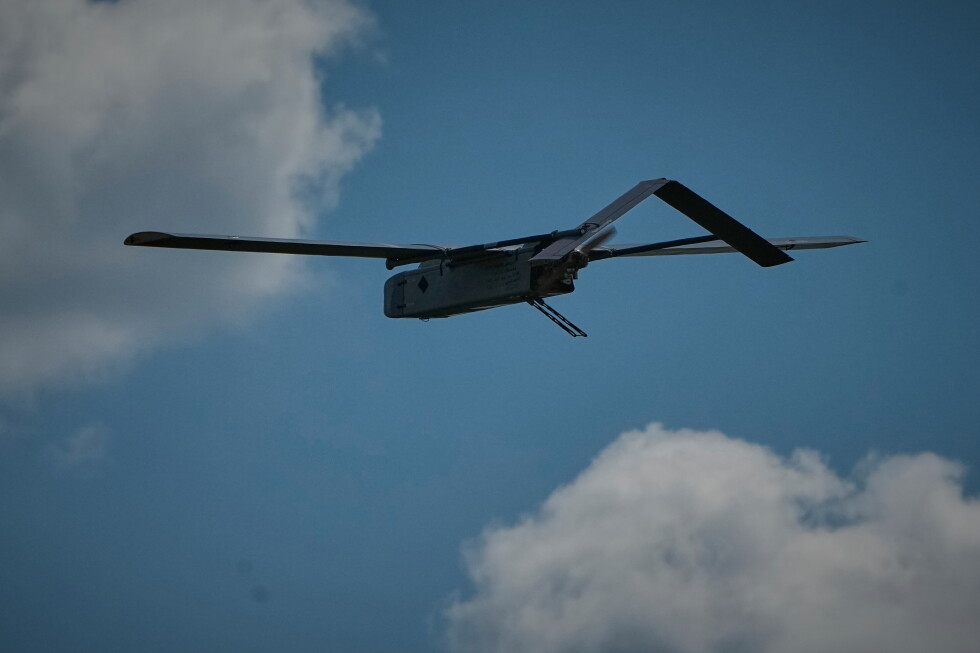
GENEVA — In a marked escalation of a years-long global campaign to curb unregulated weapons innovation, the United Nations and the International Committee of the Red Cross (ICRC) issued a renewed, high-urgency joint appeal on Tuesday for nations to enact targeted bans and restrictions on lethal autonomous weapons systems, more commonly referred to as “killer robots.” The organizations warned that unchecked advances in the field have pushed the risks posed by these weapons to dangerous new heights.
Three years after the two bodies first issued a formal appeal, and following decades of fragmented international negotiations on the issue, the latest statement stops short of demanding an immediate full, global ban. It acknowledges that development of these fully autonomous targeting systems is already actively underway across multiple states, while noting that no credible confirmation of their battlefield deployment has emerged to date. Even without active use, the groups argue, proactive protections for civilian populations are critical to prepare for a future where these weapons could enter active conflict.
Reading the joint statement on behalf of U.N. Secretary-General António Guterres and ICRC President Mirjana Spoljaric, U.N. Geneva spokesperson Alessandra Vellucci emphasized that the world is now perched on the edge of an irreversible ethical threshold. “We are now dangerously close to crossing a moral red line: The autonomous targeting of humans by machines,” Vellucci said.
“Today, we renew this call with even greater urgency,” the statement reads. “The fundamental concerns remain unchanged, but the risks have intensified.”
The two leading international humanitarian and policy bodies point to the breakneck pace of modern weapons development as a core driver of growing risk, noting that rapid technological innovation has stretched existing international governance frameworks to their breaking point. A growing gap has opened up between the cutting-edge capabilities of new weapons systems and the outdated regulatory guardrails meant to govern their use, the statement argues.
“Autonomous weapons systems are not part of a distant future — a race toward greater autonomy in weapons systems is already well underway,” the joint statement says.
The renewed appeal lands ahead of a pivotal round of negotiations set to convene in Geneva this coming November, where global delegates will discuss updates to the Convention on Conventional Weapons (CCW), the existing international agreement governing inhumane conventional weapons. The U.N. and ICRC frame the upcoming CCW conference as the most viable, accessible path forward to establish binding international legal rules that limit the development and deployment of fully autonomous weapons.
Decades of international discussions on curbing lethal autonomous weapons have so far failed to deliver enforceable, global limits on the technology. This latest push comes amid a wave of accelerated uncrewed and autonomous weapons innovation in ongoing conflicts around the world, from Ukraine and the Middle East to Sudan, where drones and semi-autonomous systems have already transformed modern battlefield tactics.
Notably, the appeal highlights that even the technical experts building these systems are sounding the alarm over unregulated development. “Scientists and engineers developing these systems have themselves raised the alarm,” the organizations said. “When the architects of this technology are calling for limits, states cannot afford to remain passive.”
Closing with a clear call for immediate action, the statement argues that 2024 must mark a turning point in global efforts to rein in this risky technology before the moral red line identified by the U.N. and ICRC is permanently crossed.