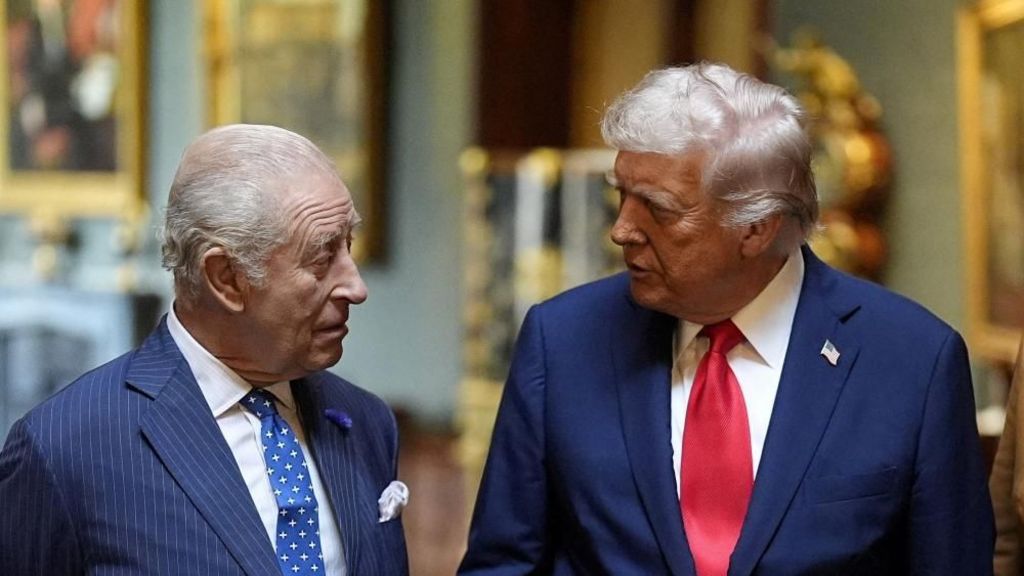
In an exclusive phone interview with the BBC that was first reported by Reuters, U.S. President Donald Trump has expressed confidence that next week’s landmark four-day state visit by King Charles III and Queen Camilla will go a long way toward mending any recent strains in the bilateral relationship between the United States and the United Kingdom.
When asked directly if the high-profile royal trip could help reset transatlantic ties, Trump offered an unreservedly positive response. “Absolutely. He’s fantastic. He’s a fantastic man. Absolutely the answer is yes,” the president told reporters, noting that he has built a long-standing personal rapport with the British monarch over many years. Calling Charles a brave and outstanding leader, Trump emphasized that the visit would without a doubt deliver positive outcomes for both nations.
The royal tour is scheduled to kick off this coming Monday, with the King and Queen set to hold a private audience with President Trump at the White House shortly after their arrival in Washington D.C. Beyond the bilateral meeting, King Charles will also deliver a historic address to a joint session of the U.S. Congress, a rare honor reserved for visiting heads of state and global leaders. After wrapping up two days of engagements in the U.S. capital, the royal couple will travel onward to New York, Virginia, and Bermuda before returning to the United Kingdom at the end of the trip. According to the UK Foreign Office, the visit is timed to coincide with the 250th anniversary of U.S. independence, and is designed to celebrate the deep, long-standing partnership between the two countries rooted in shared history, mutual prosperity, and collective security.
Beyond the royal visit, Trump also opened up about his tense relationship with UK Prime Minister Keir Starmer in the interview, conducted on Thursday. The two leaders have publicly clashed in recent weeks over multiple policy issues, most notably the ongoing conflict in Iran. Starmer has also faced growing domestic political pressure after his controversial appointment of Lord Mandelson as the new UK ambassador to the United States. Earlier this week, Trump took to his social platform Truth Social to slam the pick as “a really bad pick”, but added that Starmer still had “plenty of time to recover” his standing with the White House.
Clarifying that comment during the BBC interview, Trump outlined the conditions under which he believes the UK prime minister can repair relations: Starmer would need to open up further North Sea oil and gas extraction for development – a policy Trump has repeatedly pushed for – and enact much stricter immigration controls, which Trump argued are currently lacking. “If he opened the North Sea and if his immigration policies became strong, which right now they’re not, he can recover, but if he doesn’t, I don’t think he has a chance,” Trump said.
The president also addressed ongoing tensions over the Iran war, where he has openly criticized the UK and other U.S. allies for their limited level of military support. Starmer has repeatedly ruled out deploying UK troops to avoid expanding the conflict into a wider regional war. When asked why he had pushed allies to join the conflict, Trump pushed back on the idea that the U.S. needed additional military backing. “I didn’t need them at all but they should’ve been there. I didn’t need them, obviously,” he said. “We’ve wiped Iran’s military out. I didn’t need anybody. I wanted to see whether or not they would be involved,” Trump added, framing his repeated calls for allied support as “more of a test” of alliance commitments.
Finally, Trump addressed widespread international backlash over his controversial threat earlier this month, when he warned that “a whole civilisation will die tonight” unless Iran agreed to a negotiated settlement. The comment drew widespread global condemnation, including public criticism from the Pope and the United Nations Secretary-General, with many observers speculating the comment referred to a potential nuclear strike. When asked if the threat was referencing nuclear weapons, Trump did not directly answer, instead arguing that his hardline rhetoric was yielding results. “The other side is dying to make a deal. So whatever I’m saying or whatever I’m doing, it seems to be working very well,” he concluded.