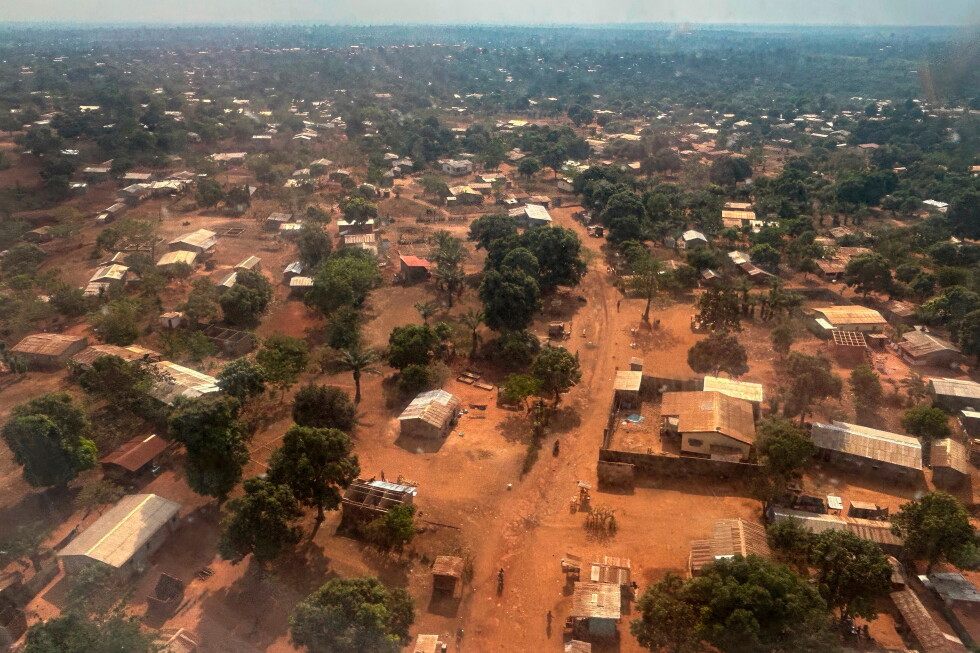
DAKAR, SENEGAL – A controversial U.S. deportation operation that landed in the Central African Republic’s capital of Bangui this past Saturday has drawn sharp criticism from immigration advocates and legal teams, after it emerged the flight carried a young Afghan man explicitly granted legal protection from deportation to his home country over documented Taliban persecution risks.
The 20-something Afghan was cleared for protection from expulsion to Afghanistan by a U.S. judge, after court records reviewed by the Associated Press confirmed his extended family had faced repeated targeted threats from the Taliban over his brothers’ work supporting U.S. military operations. Alma David, the man’s legal counsel, shared details of his family’s tragic history: one brother, a U.S.-trained pilot, was already killed by Taliban fighters, while a second brother currently resides in the U.S. after serving with the U.S.-aligned Afghan National Army that collapsed when the Taliban retook control of Afghanistan in 2021.
Savi Arvey, policy director for refugee and immigrant rights at the advocacy organization Human Rights First, confirmed Saturday’s flight carried 30+ deported people in total, beyond the at-risk Afghan. The group includes 11 other Afghans, 8 Iranians, and additional migrants from Nepal and Nicaragua.
This expulsion is not an isolated incident. Advocates have long documented that the controversial practice of third-country deportations – expelling migrants and asylum seekers to nations that are not their country of origin – has been in place since the Trump administration, when thousands of people were sent to more than 20 third countries under largely undisclosed agreements as part of a broader hardline immigration crackdown. Immigration legal experts warn the policy functions as a deliberate legal loophole, allowing U.S. authorities to indirectly return protected asylum seekers to danger by routing them through neutral countries. Saturday’s flight marks the second such deportation operation to the Central African Republic since June; the first flight carried 24 migrants, including an Iranian woman who also faced confirmed persecution risks in her home country.
The controversial operation comes amid a string of growing global migration crises, with multiple recent incidents of migrant deaths and hardened immigration policies across multiple continents making headlines alongside this expulsion.