A U.S. federal judge has cleared the way for the Trump administration to end Temporary Protected Status, a critical humanitarian immigration program, for approximately 5,000 Ethiopian nationals currently residing in the United States. This ruling marks the final step in the administration’s broader push to terminate TPS designations for more than a dozen countries, advancing its sweeping immigration enforcement agenda.
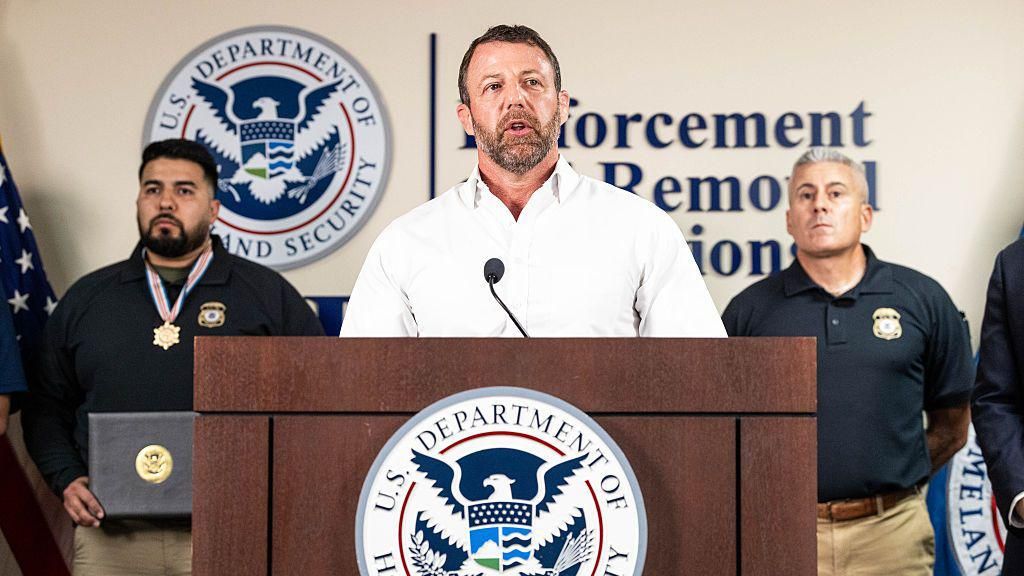
The decision by U.S. District Judge Brian Murphy reverses a prior temporary hold that had blocked the cancellation of Ethiopian TPS, and comes just months after the U.S. Supreme Court upheld similar terminations of TPS protections for thousands of immigrants from Haiti and Syria in June. Immediately following the ruling, the Department of Homeland Security issued a stark statement on social media platform X declaring that all immigrants whose TPS has been canceled are present in the country unlawfully, adding that they face only two outcomes: immediate voluntary departure or forced deportation. DHS General Counsel James Percival also celebrated the ruling in a separate post, confirming that all previously ordered TPS terminations are now fully in effect.
Temporary Protected Status is a longstanding humanitarian program that grants eligible immigrants from crisis-stricken nations temporary protection from deportation and formal authorization to work in the U.S. The designation is granted to people who have fled their home countries due to extraordinary, life-threatening circumstances such as large-scale armed conflict, natural disasters, and public health emergencies. Ethiopia was first added to the TPS program in 2022 by the Biden administration, following the outbreak of the brutal two-year Tigray war that killed hundreds of thousands of people and displaced millions more.
Today, nearly four years after the signing of the 2022 Pretoria peace agreement that formally ended the Tigray conflict, instability persists across Ethiopia. Recent weeks have seen renewed fighting and drone strikes in multiple regions of Tigray, as tensions between the Ethiopian federal government and Tigrayan regional leaders have escalated. Both sides have repeatedly accused one another of violating the terms of the Pretoria Agreement, and the TPLF, Tigray’s ruling political faction, has moved to reestablish its pre-war regional government while dissolving the interim administration appointed by Prime Minister Abiy Ahmed’s government. In turn, the federal government has accused Tigrayan leaders of colluding with neighboring Eritrea and the Sudanese military, raising widespread fears that Eritrea could reenter the conflict and spark broader regional instability. Beyond Tigray, Ethiopia also continues to face active armed insurgencies in Oromia and Amhara, its two most populous regions, leaving large swathes of the country facing ongoing violence and insecurity.
Despite this persistent crisis, DHS announced the termination of Ethiopian TPS last December under then-Secretary Kristi Noem, claiming that security conditions in Ethiopia had improved enough to no longer require the humanitarian protection. Prior to this, the administration had already ended TPS designations for multiple other nations, including Venezuela and Honduras.
Immigrant advocates and the Ethiopian plaintiffs who brought the lawsuit to block the termination have expressed deep disappointment and alarm over Murphy’s ruling, warning that the decision will put thousands of lives at grave risk. “The crisis in Ethiopia is still ongoing, and this decision puts the lives of thousands of Ethiopians living in the US at severe risk,” said Diana Konaté, deputy executive director for policy and advocacy at advocacy group African Communities Together, in comments to Reuters.
While Murphy dismissed a number of the legal claims raised by the plaintiffs in the lawsuit, he did allow challengers to move forward with litigation over one core allegation: that the Trump administration’s decision to terminate TPS for Ethiopians was motivated by illegal bias based on race or national origin, which would violate the U.S. Constitution. That legal challenge will continue even as the termination itself takes effect.