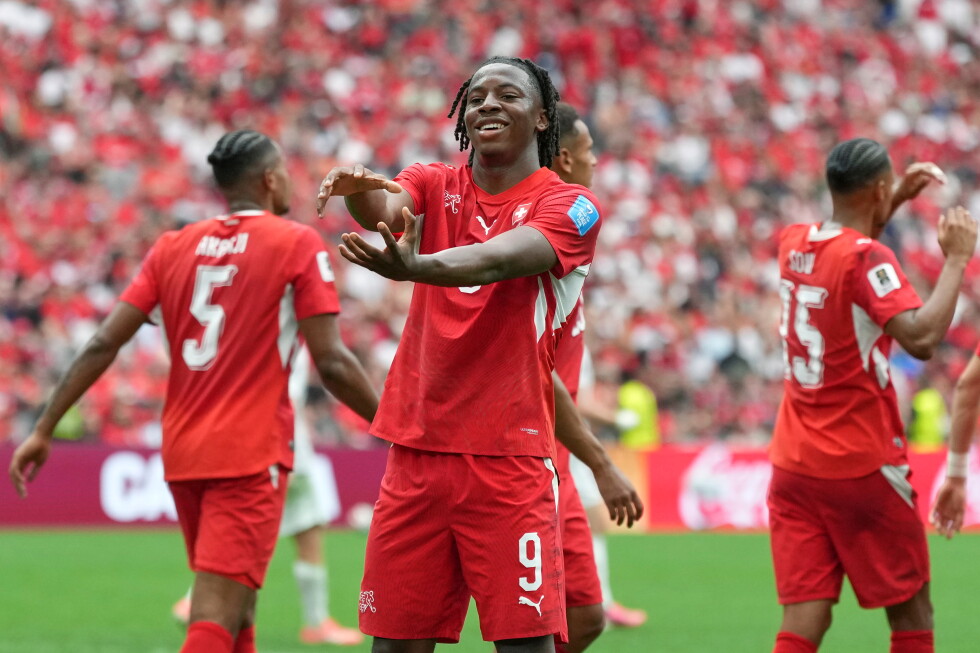
VANCOUVER, British Columbia – As Switzerland prepares for its must-win World Cup round of 16 matchup against Colombia on Tuesday, a sudden wave of training exits has thrown the European side’s preparations into last-minute uncertainty, with breakout tournament sensation Johan Manzambi among three key players who cut their Monday training session short. The Swiss national team confirmed that alongside Manzambi, starting midfielder Rubén Vargas and central midfielder Djibril Sow also left practice early, but offered no additional details on the nature of their issues or the severity of any possible injuries.
标签: South America
南美洲
-
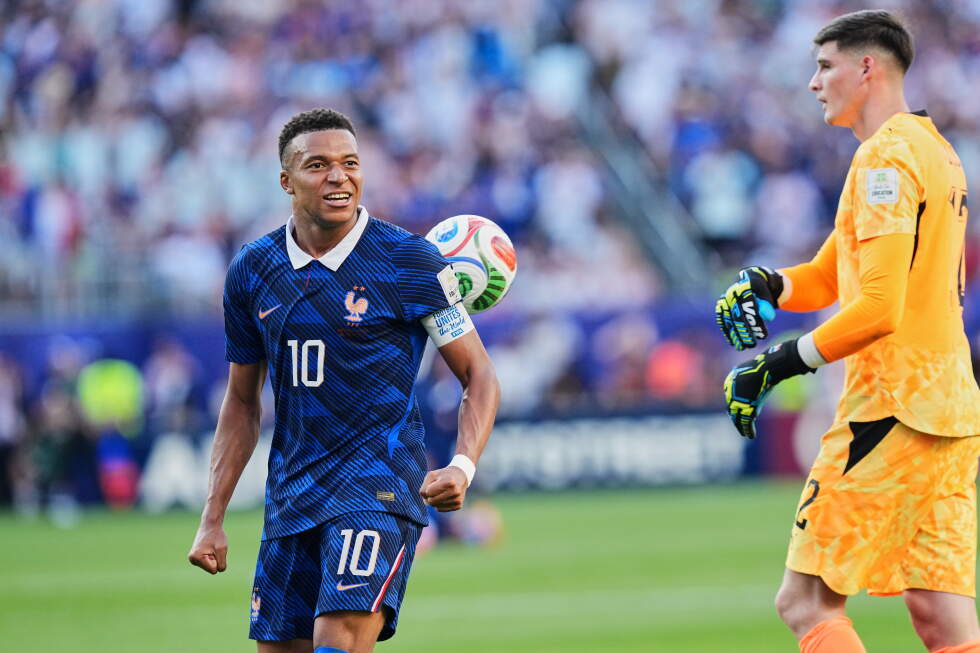
Mbappé condemns Paraguayan senator over racist remarks after World Cup match
In the wake of a controversial 2026 World Cup round of 16 match that saw France defeat Paraguay to secure a spot in the quarterfinals, a firestorm of global condemnation has erupted after a sitting Paraguayan senator made virulently racist comments targeting French captain Kylian Mbappé. Mbappé hit back at the lawmaker on Monday, delivering a scathing public rebuke that has drawn widespread international attention.
Celeste Amarilla, a senator representing Paraguay’s Liberal Radical Party, launched the racist attack on social media platform X shortly after Mbappé converted a match-winning penalty to secure France’s 1-0 win over Paraguay on Saturday. Her comments mocked the 25-year-old’s racial origins, childhood upbringing, educational background and physical appearance, in a post that quickly spread across global social media.
Mbappé did not stay silent in the face of the attack, posting a blunt response on his own X account that has been shared more than a million times as of Monday evening. He labeled Amarilla a “despicable woman” unfit to hold a seat in Paraguay’s national congress, noting that her reckless, openly bigoted comments had already overshadowed the historic World Cup run that the Paraguayan national team put together in this tournament.
“Through your recklessness and your brazen racism, the entire world has already forgotten the journey and the historic effort that your players accomplished during this World Cup,” Mbappé wrote.
Officials from both Paraguay and France have lined up to condemn Amarilla’s remarks, separating her views from official national positions. By mid-Monday, the Paraguayan government released an official statement disavowing the senator’s comments, saying they directly contradict the core values of peaceful coexistence and respect for human dignity that the South American nation officially upholds. The statement emphasized that Amarilla’s words do not represent the views of either the Paraguayan government or the Paraguayan people.
France’s top governing body for football, the French Football Federation (FFF), also issued a formal denunciation, calling Amarilla’s comments “utterly abhorrent” and “unacceptable.” The organization confirmed it would be referring the incident to French prosecutors for formal review. FFF president Philippe Diallo also extended condemnation to a second incident of anti-French racist rhetoric from former Paraguayan football star José Luis Chilavert, who referred to the entire French national squad as “a squad from Africa” ahead of Saturday’s match. Diallo noted that Chilavert, once a widely respected top goalkeeper, had now “fallen into disgrace” for his bigoted comments.
Marina Ferrari, France’s sports minister, also publicly expressed outrage over the incident, voicing unwavering support for Mbappé and the French national team. “By targeting Kylian Mbappé, the senator is attacking everything our captain embodies and everything our country stands for: liberty, equality and fraternity,” Ferrari wrote on X.
France’s assistant national team coach Guy Stéphan also added his voice to the chorus of condemnation on Monday, summing up the widespread reaction in three sharp words: “In three words, it’s indignant, abject, scandalous.”
As of Monday evening, The Associated Press has reached out to Amarilla via her social media channels to request a response to the widespread condemnation, but has not yet received a reply. France is set to continue its World Cup campaign this Thursday, when it will face Morocco in the tournament’s quarterfinal round.
-
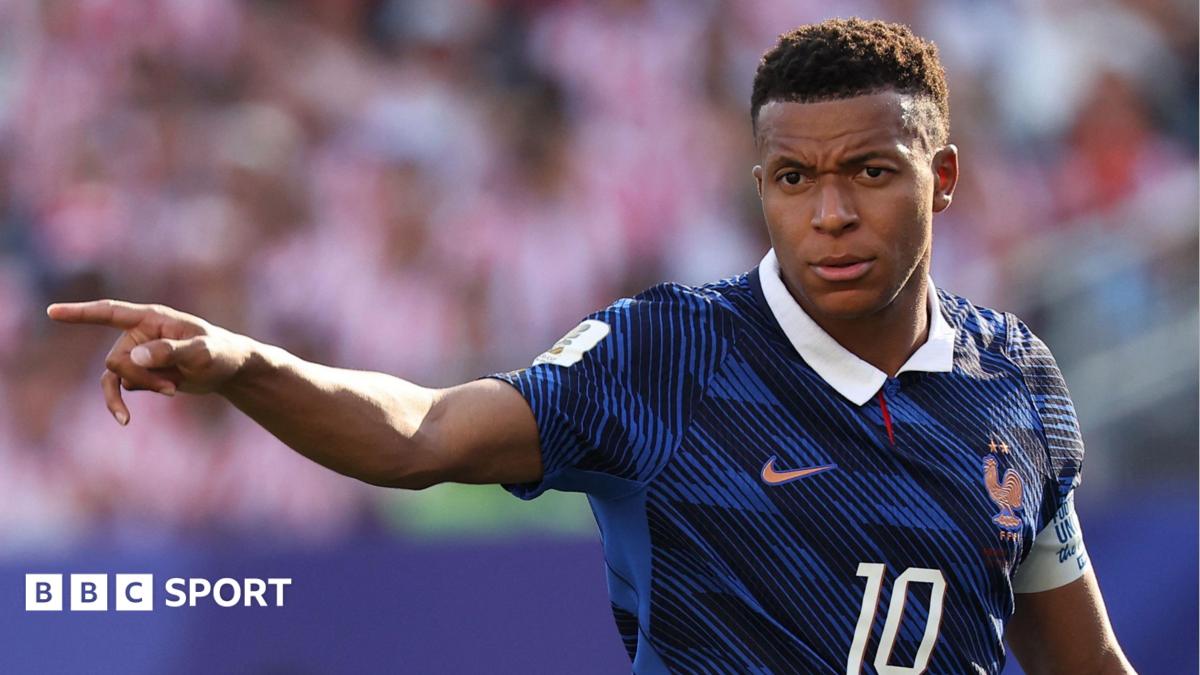
Mbappe condemns racist posts from Paraguay senator
In the wake of Paraguay’s last-16 World Cup exit at the hands of France, a firestorm of controversy has erupted over targeted racist remarks against French superstar forward Kylian Mbappe, drawing sharp condemnation from both the player and the French Football Federation (FFF).
Celeste Amarilla, a senator representing Paraguay’s Liberal Radical Party, took to social platform X to share mocking comments about Mbappe’s ethnic origin and educational background after France secured a narrow victory over the South American side. Mbappe, who scored the winning penalty in the match to punch France’s ticket to the quarter-finals, delivered a blistering public rebuke of the senator’s words.
Calling Amarilla a despicable figure completely unfit for public office, Mbappe emphasized that the senator does not represent the values of Paraguay itself — a nation whose players fought with honor and passion across the entire 2026 FIFA World Cup tournament. He argued that Amarilla’s reckless, open racism has overshadowed the historic achievements of the Paraguayan squad, turning global attention instead to the bigoted comments of an incompetent politician who has tarnished her country’s global reputation. Mbappe made clear he would not stand by to allow hatred and racism to spread unchallenged on the world stage.
The FFF has echoed Mbappe’s condemnation, announcing it will move forward with filing criminal charges against Amarilla, describing her remarks as utterly abhorrent and unacceptable. In an official statement, the governing body stressed that such comments are both criminal and morally reprehensible, requiring legal prosecution regardless of jurisdiction. The FFF has formally referred the matter to public prosecutors to initiate legal proceedings, noting that these racist insults target not just Mbappe, but the entire French nation represented by the national team. “These remarks bring shame upon those who make them and those who disseminate them,” the statement added.
Mbappe’s decisive penalty against Paraguay capped another strong tournament performance for the French forward, who entered the quarter-final stage of the 2026 World Cup tied as the tournament’s leading goal scorer with seven goals, level alongside Argentina’s Lionel Messi and Norway’s Erling Haaland. France was set to face Morocco in their quarter-final fixture in Boston just four days after the knockout win over Paraguay.
Amarilla’s comments are not an isolated incident, either: ahead of the France-Paraguay tie, former Paraguay goalkeeper Jose Luis Chilavert drew widespread criticism for his own racist comment, claiming the Paraguayan side was facing “a squad from Africa.” That remark also drew a fierce response from FFF president Philippe Diallo, who labeled Chilavert a disgrace to the sport. “I condemn in the strongest possible terms the racist remarks made by Jose Luis Chilavert against the French national team, which undermine the values of respect, fraternity, and diversity in our football,” Diallo said. “If he was once a great goalkeeper, this man has now fallen into disgrace.”
-
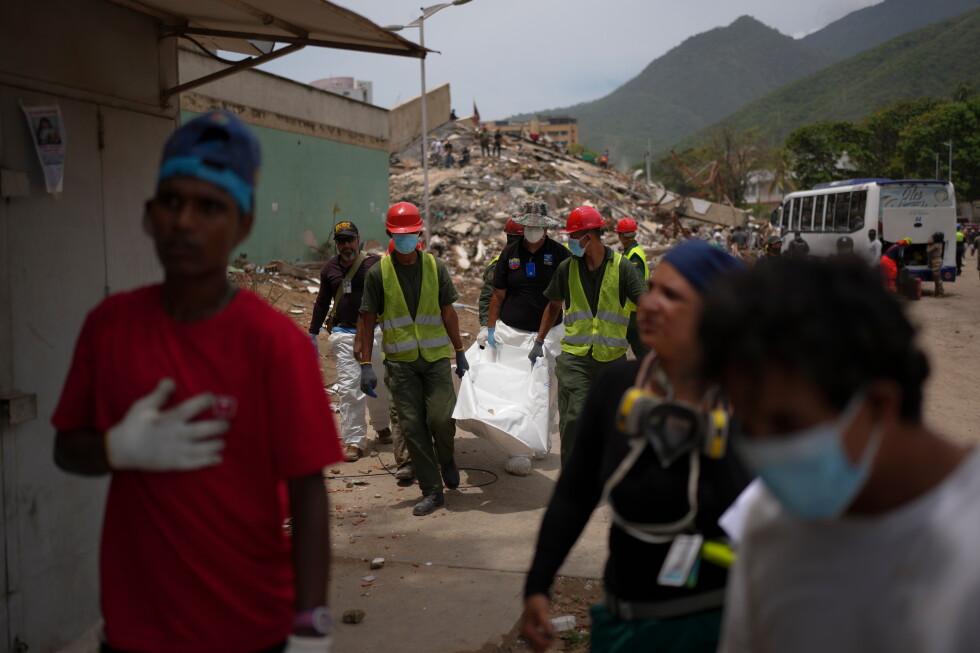
As quake rescue effort winds down, Venezuelans are left alone to recover their dead
Two weeks after twin earthquakes struck coastal Venezuela, leaving a trail of death and destruction, hundreds of grieving relatives are still forced to dig through collapsed buildings with their bare hands and basic tools, abandoned by state authorities who have failed to provide the heavy machinery and support needed to recover the remains of their missing loved ones.
The devastating back-to-back quakes that hit on June 24 toppled dozens of structures, including public high-rise housing blocks constructed under former socialist leader Hugo Chávez, and have officially claimed 3,342 lives, with another 16,740 people injured. But thousands more remain unaccounted for: more than 30,000 missing person reports have already been filed to an opposition-run database, a figure that far outpaces official government counts.
For 26-year-old Noel Márquez, the disaster has been marked by unending suffering and unmet need. Márquez was away at his girlfriend’s apartment when the 10-story building his entire family called home crumbled into rubble and ignited. Rushing back to the site, he called out for his mother, pregnant sister, grandparents and siblings, and only heard a response from his 17-year-old brother Leonel, whose legs were trapped beneath heavy concrete columns.
For hours, Márquez and his father — who also escaped being in the building that day — shouted through layers of wreckage to Leonel, listening as the teenager cried for help and gasped through thick, suffocating smoke while waiting for a government-provided crane to lift the crushing debris. The rescue equipment never arrived. Eventually, Leonel’s calls fell silent.
That agony, however, was only the beginning. Márquez said the worst horror came when he was left to untangle the remains of his family with nothing but a hand saw and his bare hands. He managed to cut through debris to retrieve the bodies of Leonel and his mother, but was forced to leave his eight-month pregnant sister, grandmother and other relatives trapped beneath the rubble — abandoning not just their bodies, but his last hope of giving them a proper, respectful burial.
“It’s unfair. It’s inhumane, everything that is happening,” Márquez said from the overcrowded makeshift morgue set up at La Guaira port. “We couldn’t get my brother out because we didn’t get a response from the state … and after 11 days, we are still requesting a crane.” Even a week after he delivered the recovered remains of his mother and grandfather to the morgue, Leonel’s body is still lost, he says — a loss he blames entirely on official negligence.
Márquez is far from alone in his grief and anger. Across the hardest-hit state of La Guaira, hundreds of survivors are facing the same gruesome, heartbreaking reality 12 days after the quakes. International rescue teams that arrived in the immediate aftermath have begun departing, quietly conceding that no additional survivors are likely to be found alive under the rubble. Local authorities have shifted their focus to securing temporary shelter for the more than 14,000 displaced people left homeless by the quakes, and have pivoted publicly from sharing dramatic rescue updates on social media to rolling out a national reconstruction initiative dubbed *Venezuela Reborn*.
But the pressing, horrific work of recovering the dead has fallen almost entirely to civilian family members, who say they have been abandoned by the state just as they were when they first begged for help to trap survivors in the hours after the quakes. Over the weekend, no government civil defense teams or security personnel were spotted assisting families digging through wreckage across La Guaira. Almost all the work is being done by civilians, using nothing but their hands or basic hand tools, with only occasional support from volunteer firefighters and the small remaining contingent of Mexican rescue workers who have not yet left the country.
William Gomez, a La Guaira-based firefighter, explained that the delay has made the recovery work even more grotesque. “It has been difficult because the bodies are already in an advanced state of decomposition, decomposed to such an extent that many times when we try to remove them, they fall apart,” he said.
Norely Rodríguez, who is searching for her 5-year-old daughter in the rubble, echoed the despair of many families. “I found her hand, but her torso is crushed,” she said. “I want to see if I can get her out whole.”
Yeikhary Urbina, who recovered the bodies of her mother and brother Saturday, trapped in an embrace under layers of concrete, said civilian families have been left to fend for themselves entirely. “We are the ones helping ourselves: our family. Nobody else helps us except for a few volunteers,” she said.
The disaster has reignited long-simmering anger over shoddy construction in the country’s public housing blocks, which were built for low-income families under Chávez’s administration. Multiple residents reported that they had complained for years about structural flaws in their high-rises, only to have their concerns ignored by authorities. When the quakes hit, dozens of these buildings collapsed completely, trapping hundreds inside.
Alexander, a 42-year-old police officer who asked to be identified only by his first name over fears of official retaliation, was shaking with fury as he recovered his 12-year-old daughter’s remains after 11 days of digging. He blamed the government for ignoring long-running warnings that his housing complex was structurally unsound, for failing to send rescue teams in time to save his wife and three daughters, and now for refusing to send heavy machinery to help him retrieve their bodies.
“Not a single person from the government was here,” he said, as he held the black plastic body bag containing his daughter’s decomposed but intact remains. “She was waiting for me to pull her out.”
For grieving families, the lack of support has turned an already catastrophic disaster into an ongoing trauma, with many still unable to lay their loved ones to rest, and left to confront the gruesome work of body recovery entirely on their own.
-
More than 1,000 arrested as part of global human trafficking crackdown
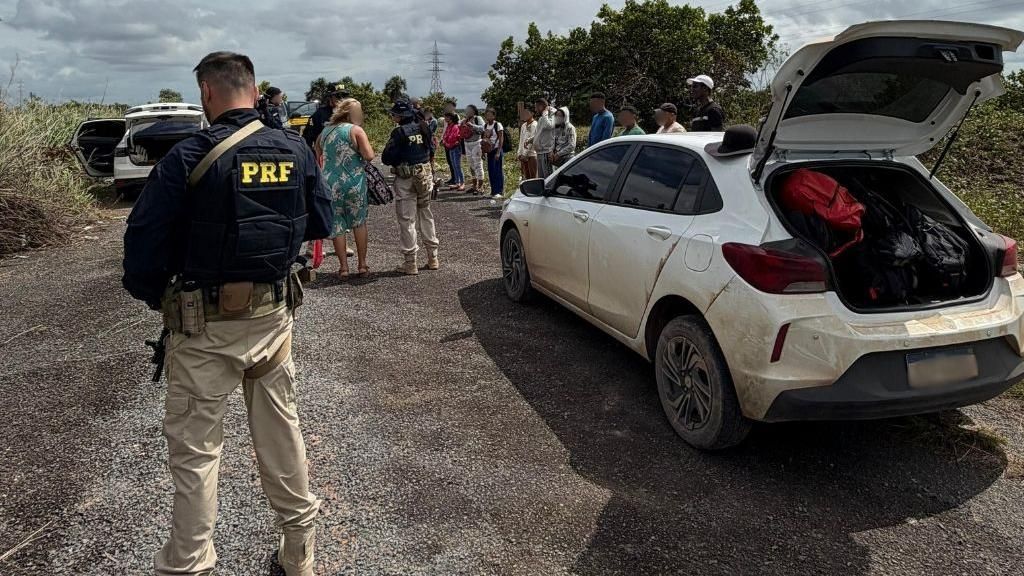
A coordinated international law enforcement sweep targeting the global human trafficking trade has resulted in more than 1,000 arrests and the identification of over 2,000 victims after a five-day operation spanning four continents. Spearheaded by Interpol, with support from Europol (the European Union’s law enforcement cooperation agency) and European border management body Frontex, Operation Global Chain brought 40,000 on-the-ground officers together across 59 countries in Africa, the Americas, Asia and Europe to dismantle criminal networks engaging in sexual exploitation, forced labor, coerced criminal activity and forced begging.
The operation, conducted between June 8 and 12, uncovered evolving smuggling routes and increasingly adaptive criminal tactics, Interpol officials confirmed. Among the major breakthroughs was the takedown of two high-profile criminal networks: one that trafficked victims to Cambodia to coerce them into participating in global online scam operations, and another that groomed underage girls through social media to force them into sex work across multiple European countries.
Official data from the operation reveals that 2,070 confirmed and potential victims were rescued, the overwhelming majority of whom are women. Around 10 percent of all identified child victims subjected to sexual exploitation came from the Americas, highlighting an alarming emerging trend of Latin American people being trafficked to Europe for forced labor. Of the 1,024 total arrests made, 334 were direct charges for human trafficking offenses, with the remaining 690 related to linked criminal activities. An additional 201 suspected traffickers were identified for further investigation, and Interpol has already issued global notices to track down at-large wanted persons of interest.
Local law enforcement agencies across participating nations carried out targeted actions tailored to regional trafficking patterns. In Brazil, Federal Patrols were deployed along the country’s open border regions, resulting in the identification of 406 victims of a transnational trafficking ring—83 Brazilian nationals and 323 foreign citizens—who were bound for Cambodia to be forced into online scam work. Across the border in Argentina, local police rescued two Bolivian children who had been held as forced labor in a local grocery store and arrested the traffickers responsible. Colombian authorities complemented enforcement action with an airport awareness campaign to warn travelers of the risk of fraudulent job offers that often lure victims into trafficking networks.
In Western Europe, Belgian law enforcement dismantled a cross-border trafficking ring that recruited victims through social media, held them captive, and forced them into prostitution across Belgium and neighboring France, resulting in 17 arrests. Officials note that 465 new ongoing investigations into unaddressed trafficking networks were launched as a direct outcome of the operation, and all identified victims have been transferred to national social protection and support services to aid their recovery.
Breaking down the types of exploitation uncovered by the sweep, Interpol confirmed that sexual exploitation accounts for the largest share of detected trafficking cases, followed by forced criminal activity at 20 percent, forced labor at 11 percent, and forced begging at 2 percent. Interpol Secretary General Valdecy Urquiza emphasized that human trafficking remains one of the most lucrative and widespread forms of organized transnational crime, generating billions of dollars in illicit annual revenue while inflicting irreversible, long-term harm on survivors.
Despite the scale of the ongoing challenge, Urquiza highlighted the operation’s outcome as a testament to cross-border collaboration. “These results demonstrate what can be achieved when countries work together to disrupt criminal networks and strengthen cooperation across regions,” he said.
-
‘It’s a very sad day’ – Mexican fans react to loss to England
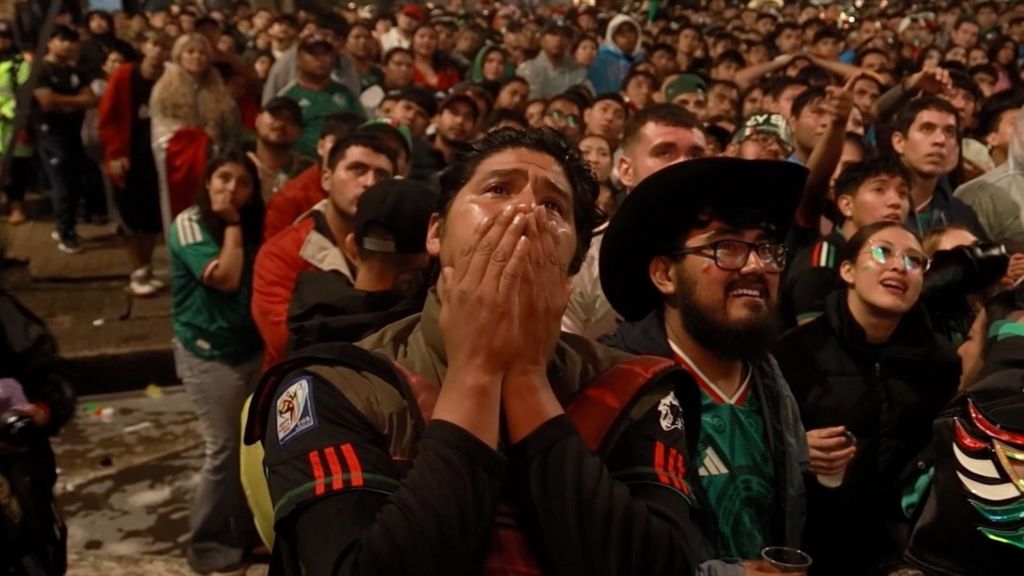
Mexico’s 202x FIFA World Cup journey came to a devastating close in front of a heartbroken home crowd in Mexico City, as the national side fell to a narrow 3-2 defeat against England. For supporters who filled the stadium with chants, colors, and unwavering hope throughout the tournament, the final whistle marked the end of a dream that had captivated the entire nation.\n\nFrom the opening kickoff, the match delivered relentless drama: both teams traded attacking blows, with Mexico mounting a fierce late comeback that came agonizingly short of forcing extra time. When the referee blew the final whistle, silence fell over sections of the stands before fans began to applaud their team’s effort, even through tears of disappointment.\n\nSpeaking to reporters outside the stadium after the match, multiple supporters described the result as a devastating blow. “It’s a very sad day for all of us,” one long-time fan told journalists, echoing the sentiment shared by thousands across the country. “We poured everything into supporting this team, and we believed we could pull off the win today. It’s hard to accept that our run is over.”\n\nDespite the heartbreak, many fans acknowledged the pride they felt in the national team’s performance throughout the tournament, highlighting the fighting spirit the squad showed until the final second of the match. Street gatherings that had been planned for a potential victory fizzled into quiet conversations, as fans processed the loss and looked ahead to the next edition of international football’s biggest competition.
-
How England used five mini games to beat Mexico
At a raucous, high-altitude Azteca Stadium in Mexico City, England delivered a masterclass in adaptive knockout football to secure a dramatic victory over Mexico and advance to the 2026 FIFA World Cup quarter-finals. From the opening whistle, the Three Lions faced a perfect storm of challenges: a partisan sell-out crowd, Mexico City’s thin mountain air, and a ferocious early pressing game from the host nation that left many pre-match analysts predicting an upset. What unfolded over 90 minutes proved why manager Thomas Tuchel holds a reputation as one of the world’s sharpest tactical minds, as England navigated five distinct phases of play to claim a win that will go down as one of their most impressive knockout tournament results.
Pre-match, Tuchel had adjusted his core philosophy of relentless high pressing to suit the conditions, urging his side to pick their moments carefully rather than expending valuable energy chasing every pass. That game plan was confirmed by assistant coach Anthony Barry at halftime, who explained the squad had prepared to absorb Mexico’s fast start. “We told the players the opening stretch up to the first water break would be difficult,” Barry said. “We knew we’d have to suffer, and that a 0-0 halftime score would be a great result.”
England stuck to the script, muting much of Mexico’s early momentum with a far more measured defensive shape than they had shown in their previous round win over DR Congo. When Mexico built play from their own defensive third, England added an extra man to their pressing line – one more than against DR Congo – with Harry Kane and Jude Bellingham leading the effort to cut off passing lanes. Midfielder Elliot Anderson adapted his role specifically to plug gaps, holding a deeper position close to England’s centre-backs rather than pushing high, to stop Mexico from playing quick outlet passes to open attackers. This adjustment would prove pivotal as the match unfolded.
When Mexico did manage to establish higher possession, England dropped into a disciplined mid-block, prioritizing protecting dangerous spaces over immediate ball recovery. Data highlighted this dramatic tactical shift: over England’s first four tournament games, they recovered possession in an average of 12.1 seconds after losing it. In the first half against Mexico, that average jumped to 37 seconds, with wingers Bukayo Saka, Anderson and Anthony Gordon regularly dropping back to form a compact five or six-man defensive line.
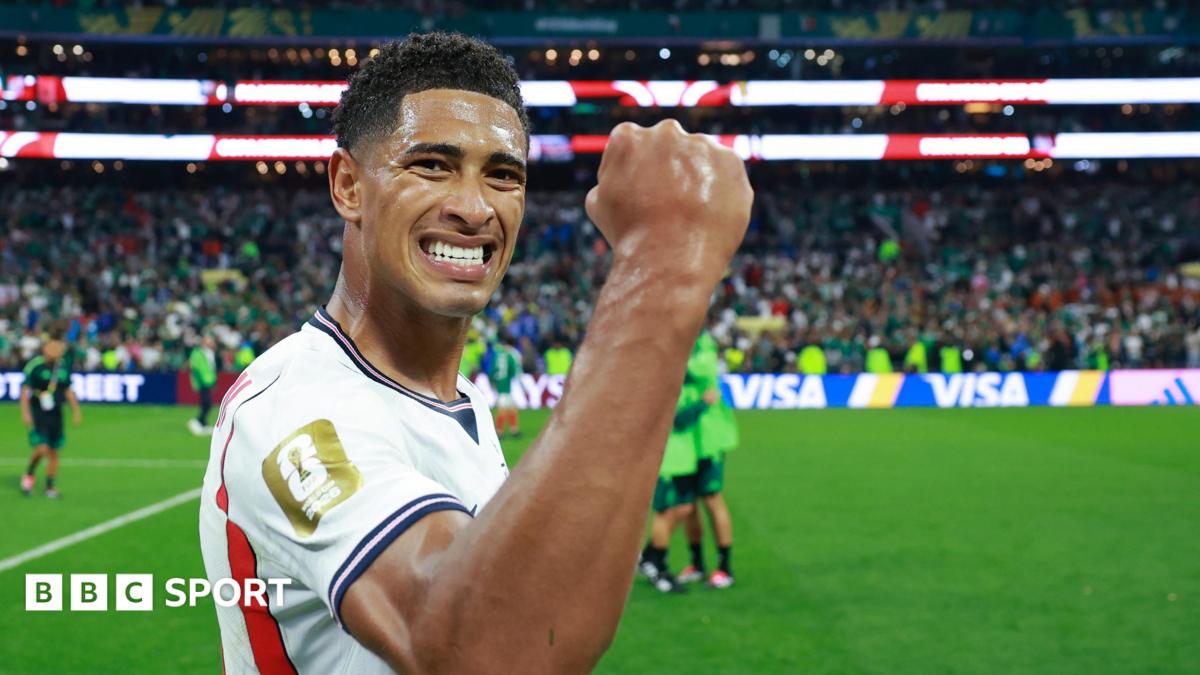
The closing minutes of the first half brought the first defining turning point of the game. As Mexico rotated their attack to stretch England, 17-year-old Gilberto Mora, playing out of his usual position on the left flank, failed to close down England goalkeeper Jordan Pickford as he prepared to clear. Pickford quickly found Declan Rice, who drove forward with the ball before playing a wide pass to Saka. Saka delivered a pinpoint cross to the far post, where the late-arriving Bellingham nodded home the opening goal.
Things went from bad to worse for Mexico immediately after the restart. England pressed hard from kick-off, and this time Anderson pushed forward to fill the space behind the pressing line, winning back possession to launch a second attack that ended with Bellingham scoring his second goal of the night, putting England 2-0 up ahead of halftime.
England emerged for the second half on the front foot, shifting to a higher pressing block with Saka and Gordon taking turns acting as the third forward in the high line. The bold tactical change opened the game up into an end-to-end thriller, but it also brought a major setback: when Bellingham chased down Mexico goalkeeper Raul Rangel out of position, he left England outnumbered at the back. Mexico left winger Julian Quinones dragged England right-back Jarell Quansah out of position, creating a gap that Mexico exploited. Quansah slid in late to challenge Jesus Gallardo, and was shown a red card, leaving England down to 10 men for the final hour of the contest.
Down a man, England navigated two more distinct phases of the match, first shifting to a 4-4-1 shape after John Stones replaced Saka, with Ezri Konsa moving to right-back. Sticking to a core Tuchel principle of drawing pressure deep before playing long balls into attacking runners, England created another chance when pacey forward Gordon won a penalty after running onto a long clearance.
But Mexico remained dangerous down their left flank, where Quinones’ constant movement dragged England defenders out of position, creating space for left-back Gallardo to deliver dangerous crosses. The hosts built dangerous passing triangles on their left side – a tactic mirroring England’s own approach through the tournament – that created space for Quinones to shoot, switch play, and deliver crosses, one of which led to Mexico being awarded a penalty of their own.
Tuchel once again adjusted his tactics during a second-half hydration break, bringing on Dan Burn and Djed Spence to form a five-man back line in a 5-3-1 shape. The three-man midfield of Bellingham, Rice and Gordon was picked for its relentless work rate and ability to cover large swathes of the pitch, while Burn, standing at 6-foot-7, provided the dominant aerial presence at the back post that England needed to deal with Mexico’s incoming crosses.
In the closing stages, Mexico manager Javier Aguirre made a substitution that played directly into England’s hands, replacing the versatile, dynamic Quinones with 6-foot-3 striker Guillermo Martinez, shifting the hosts to an entirely cross-heavy game plan. With England defending deep and well-equipped to clear incoming aerial balls, Mexico lost the varied attacking threat that had troubled them earlier, with every attack funnelled wide into hopeful crosses that England’s defence cleared comfortably.
The result capped off a masterclass in knockout football adaptability, a core requirement for tournament success. Playing with 10 men on hostile foreign soil, England’s carefully prepared tactics and ability to adjust mid-match saw them through to the final eight, proving the value of their squad depth and tactical flexibility ahead of their quarter-final tie.
-
Girl trapped in Venezuela quake ‘survived on ketchup and cheese’
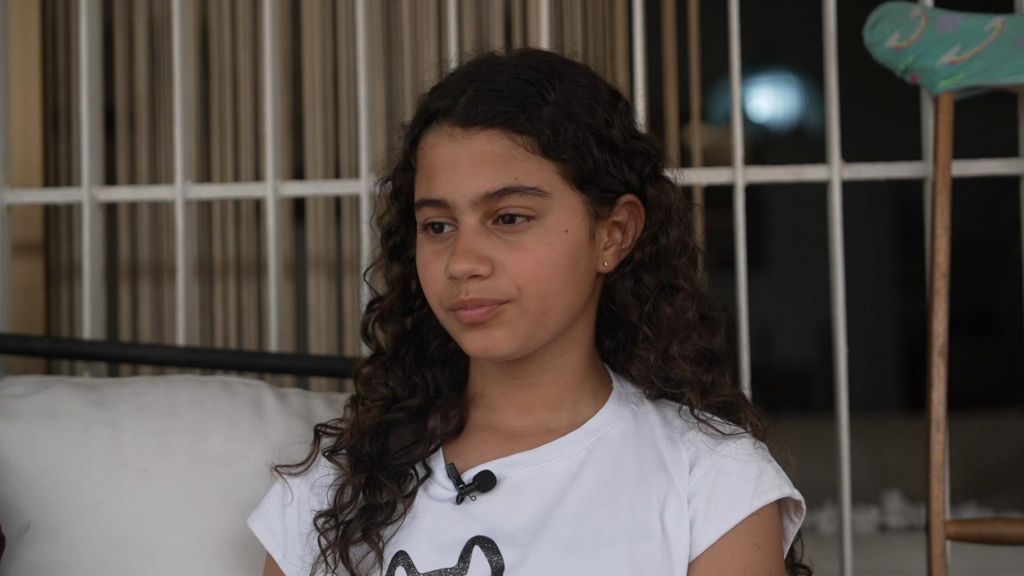
In the aftermath of a catastrophic series of earthquakes that ripped through Venezuela, leaving widespread destruction and thousands displaced, one extraordinary story of resilience has captured global attention. BBC international correspondent Yogita Limayee recently sat down with 12-year-old Fabiana, a young girl who cheated death after being trapped beneath rubble when the tremors struck, to hear her harrowing yet inspiring account of survival.
The earthquakes, which hit the South American nation with magnitudes that leveled buildings and collapsed infrastructure, turned countless communities into piles of broken concrete and twisted metal in mere minutes. Amid the chaos of collapsed homes and frantic rescue efforts, Fabiana was cut off from the outside world, trapped in a dark, confined space with almost no access to food or clean water. Against all odds, the preteen survived by subsisting on just two common pantry items: ketchup and cheese, waiting out agonizing days before rescue teams could reach her.
In her interview with Limayee, Fabiana recounted the fear and confusion of those trapped days, the quiet grit that kept her going, and the overwhelming relief of being pulled alive from the wreckage. Her story stands as a stark testament to the human capacity for survival in the face of natural disaster, even at a young age, and shines a spotlight on the ongoing human toll of the seismic events that devastated Venezuela.
Rescue and recovery efforts across the affected regions continue in the wake of the quakes, with responders working against the clock to locate missing people and provide aid to survivors who have lost their homes and loved ones. Fabiana’s miracle survival has become a beacon of hope amid the widespread grief and destruction that has impacted the country.
-
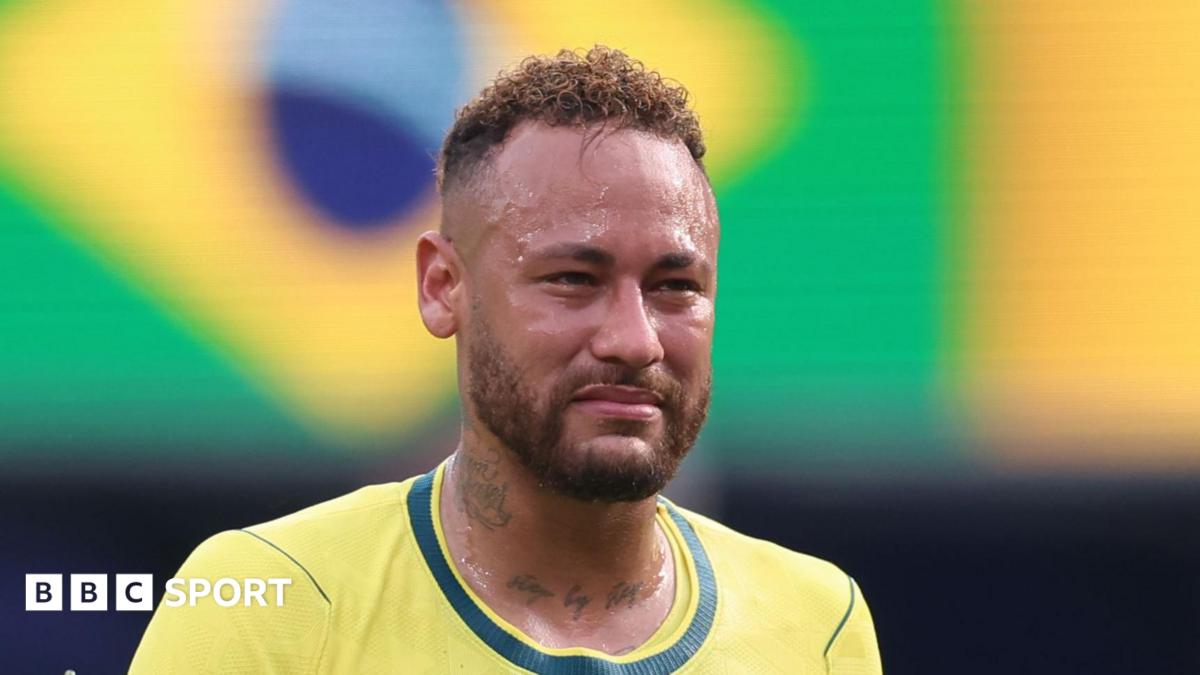
Neymar says Brazil career over after Norway defeat
Four World Cups, 16 years of national team service, and a record-breaking goal tally came to a bittersweet close Saturday for Brazilian football superstar Neymar, who confirmed his international career is finished following Brazil’s knockout-stage elimination at the hands of Norway at the 2026 FIFA World Cup.
The 34-year-old attacking icon entered the last-16 clash at New Jersey’s MetLife Stadium in the 67th minute, with Brazil already trailing 2-0 to a Norwegian side led by red-hot striker Erling Haaland. Despite being brought on to turn the tide of the match, Neymar could not reverse the Selecao’s fortunes, though he slotted home a late penalty deep into second-half stoppage time to grab one final international goal. The strike only served as a consolation, however, as Norway held on to advance to the tournament’s quarter-finals, ending Brazil’s 2026 campaign.
In an emotional post-match interview with Brazil’s TV Globo, Neymar reflected on the full-circle nature of his final international appearance, which came on the same pitch where he made his Brazil debut 16 years earlier. “I tried, I tried. Now it’s over. I started here, I finished here,” the forward said.
Neymar’s first cap for Brazil came at MetLife Stadium back in August 2010, in a friendly fixture against the United States where he even marked his debut with a goal in a 2-0 Brazilian win. Over 16 years of national team duty, Neymar rewrote the record books: he leaves the international set-up as Brazil’s all-time leading men’s goalscorer with 80 goals, and his 130 senior caps rank second in the nation’s history behind only Cafu, who recorded 142 appearances between 1990 and 2008.
This World Cup run marked Neymar’s fourth consecutive appearance at the global tournament, having also featured for Brazil in the 2014, 2018, and 2022 editions. Injuries had kept him sidelined from international action for more than two years before his selection to the 2026 squad, and he only featured twice across the entire tournament: a late substitute appearance in Brazil’s final group-stage win over Scotland, and his final bow against Norway.
The early exit has sparked widespread discussion about the future of the Brazilian national team, with analysts arguing that the ageing squad requires widespread restructuring ahead of the next cycle of international competition. Questions are already circulating about whether newly appointed head coach Carlo Ancelotti is the right leader to overhaul the side and return Brazil to trophy contention in coming years.
-
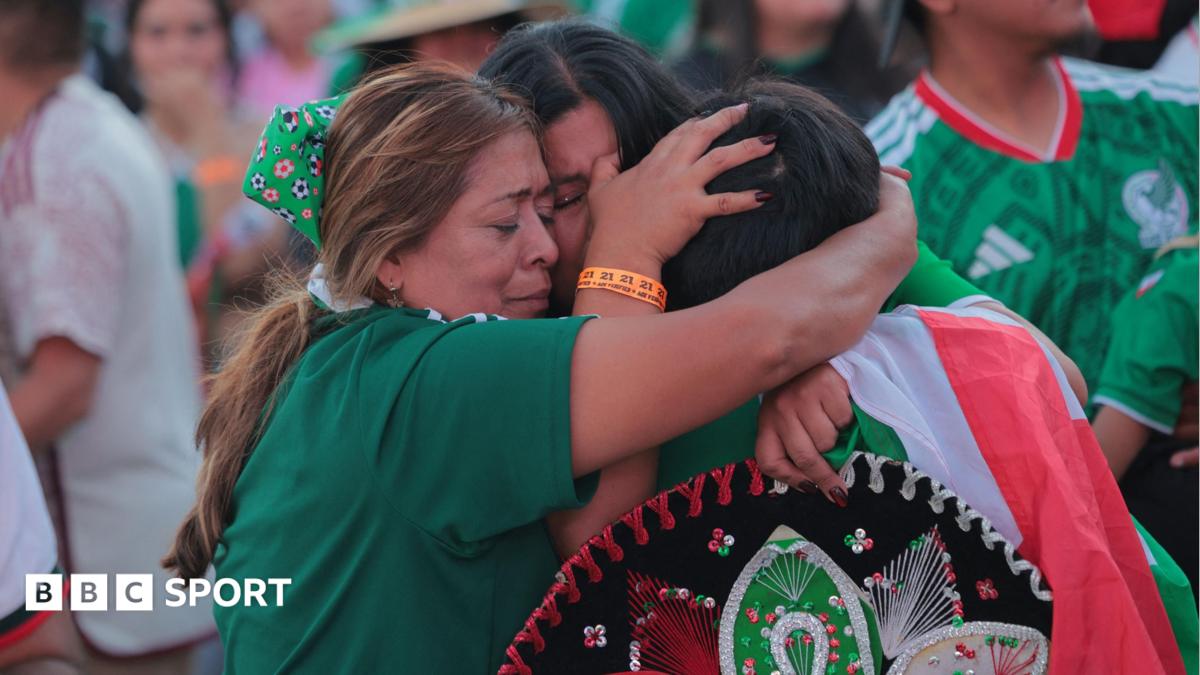
How Mexico’s World Cup run brought joy after a year of fear
When the final whistle blew on Mexico’s 2026 FIFA World Cup campaign at the Round of 16, a 3-2 thriller against England that sent El Tri packing, despair did not take over a packed Santa Ana bistro in Orange County, California. Instead, the crowd rose to their feet: some waved vibrant green Mexican flags, others sang through their disappointment, and soon the room swelled with the beloved folk anthem *Cielito Lindo*, its iconic lyric “Canta y no llores” (Sing, don’t cry) hanging in the air.
Louie Leyla, a Mexican-American who has called California home since 1990, summed up the collective mood: “This is sad. But we’re going to keep rooting for our people, no matter what.”
While England’s victory ended Mexico’s tournament in Arizona’s Azteca Stadium – a match that broke Mexico’s 15-match World Cup streak of going into halftime without conceding, after the Three Lions netted two first-half goals – for the tight-knit Mexican-American community of Southern California, the run was far from a failure. This region hosts one of the largest concentrations of Mexican diaspora outside of Mexico itself, and for weeks, the World Cup became far more than a series of football matches: it was a community unifying triumph that exceeded every expectation.
“It’s a loss,” said local resident Alicia Rojas. “But it’s a win for our community in Santa Ana.” Nearby, Cynthia Rebolledo smiled as she gestured to her young son, decked from head to toe in Mexico’s national green, white and red. “He keeps asking if we’re still going to the parade. He thought we won. He’s been rooting for Mexico – and for his community.”
As trumpets blared and fans danced between tables, holding their flags high, long-time local observer Leigh Slater put the moment in perspective. “Football is like life. You lose, you win. But what we’ve seen throughout this World Cup is the unbreakable spirit of immigrants in this country.”
Throughout the 2026 tournament, co-hosted by the U.S. alongside Mexico and Canada, Mexican supporters emerged as some of the most visible, passionate fans across the country. Stadiums from coast to coast were awash in bright green El Tri jerseys, echoing with chants and the roar of thousands of voices – and nowhere was that energy more palpable than in Orange County’s Santa Ana, the historic cultural heart of Southern California’s Latino community.
The current joy and collective gathering stand in stark contrast to the tension that gripped these same neighborhoods just 12 months prior. In June last year, at the height of a wave of ICE immigration raids, Latino communities across the region stayed indoors, public spaces emptied out, local businesses lost nearly all their customers, and residents avoided large public gatherings out of fear. National Guard vehicles were stationed just blocks from local businesses, and the only activity on downtown Santa Ana’s usually busy streets came from immigration rights protests.
“What a difference a year makes,” noted Los Angeles Times columnist Gustavo Arellano, speaking over the roar of maracas, horns and crowd chants in the packed bistro. “They were occupying the same streets that a year earlier were completely, completely and utterly dead. This was June last year. That was really the height of this. These streets were empty unless you were protesting.”
For Arellano, the sudden shift from fear to unbridled public celebration is nothing short of emotional release. “Fast forward a year later… this is catharsis – for Mexicans especially, but for Latinos in general.”
Mexico’s status as a 2026 World Cup co-host, paired with the team’s successful run to the knockout stage, created a rare opening for the community: a chance to celebrate their cultural identity openly, after a year marked by anxiety and uncertainty around immigration enforcement. Supporters who had hidden their cultural ties in public just months earlier were now singing the Mexican national anthem at packed, family-friendly fan zones, waving flags and wearing their team’s colors with pride. For many of these Mexican-Americans, expressing their Mexican identity has never been incompatible with their American identity – a far cry from the 1990s, when Mexican football fans were frequently labeled “unpatriotic” for displaying Mexican flags amid a wave of anti-immigration political rhetoric.
“The expression of these fan bases has gotten bigger as America has gotten more diverse,” Arellano observed. Like millions of fans, he had held out hope that Mexico could pull off a shocking upset against England. “The cynic in me says this is what always happens to Mexico. We’re good, but we just can never truly compete against the elite of the world. But you know what? We never give up. So I’m proud of what they did. We didn’t give up until the very, very end. England was just a superior team.”
As the United States marks its 250th anniversary, a moment defined by renewed national debate over immigration and identity, the 2026 World Cup has laid bare a different, more diverse reality of modern American life. Diaspora communities across the country turned out in droves not just for Mexico, but for dozens of other nations: Scotland, Argentina, Colombia, Ecuador, Morocco, Egypt and more, revealing an America where millions of people maintain deep, proud cultural ties to two homes.
For Mexican-Americans in Southern California and beyond, that dual identity was the real story of this tournament. At a moment of intense difficulty for Latino communities across the country, the 2026 World Cup gave them something they had been missing for a long time: “an opportunity to express joy,” Arellano said.