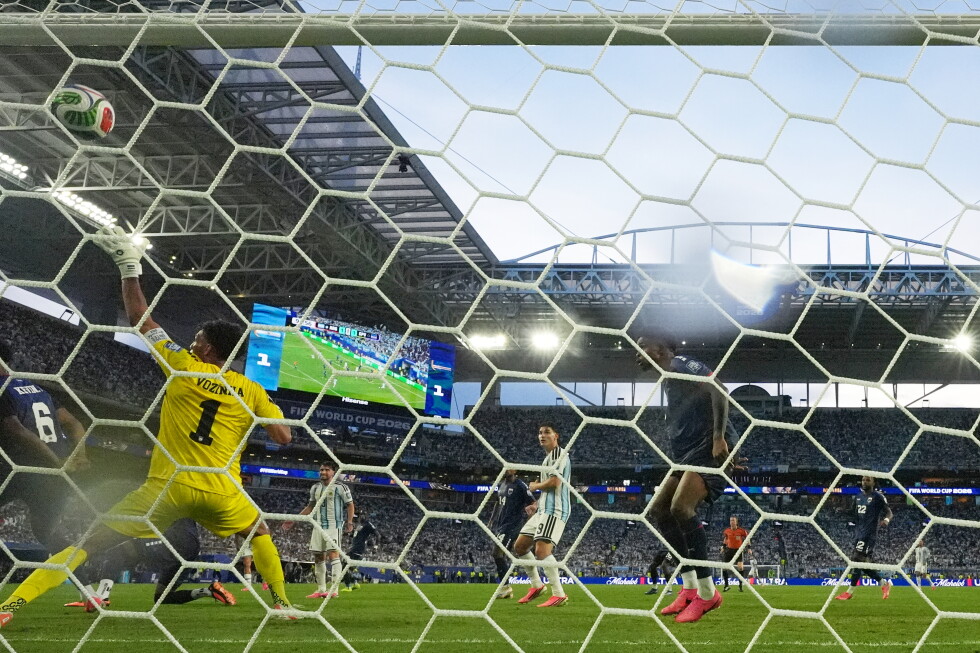
MIAMI GARDENS, Fla. – For Vozinha, the journey to the 2026 FIFA World Cup began with one simple, heartfelt wish: for his mother to watch him compete on soccer’s biggest global stage. By the end of Cape Verde’s historic tournament run, the 40-year-old goalkeeper had turned that small personal goal into one of the most unforgettable underdog stories in modern World Cup history.
标签: South America
南美洲
-
Argentina and Cape Verde head to extra time at World Cup after ending regulation tied at 1-1
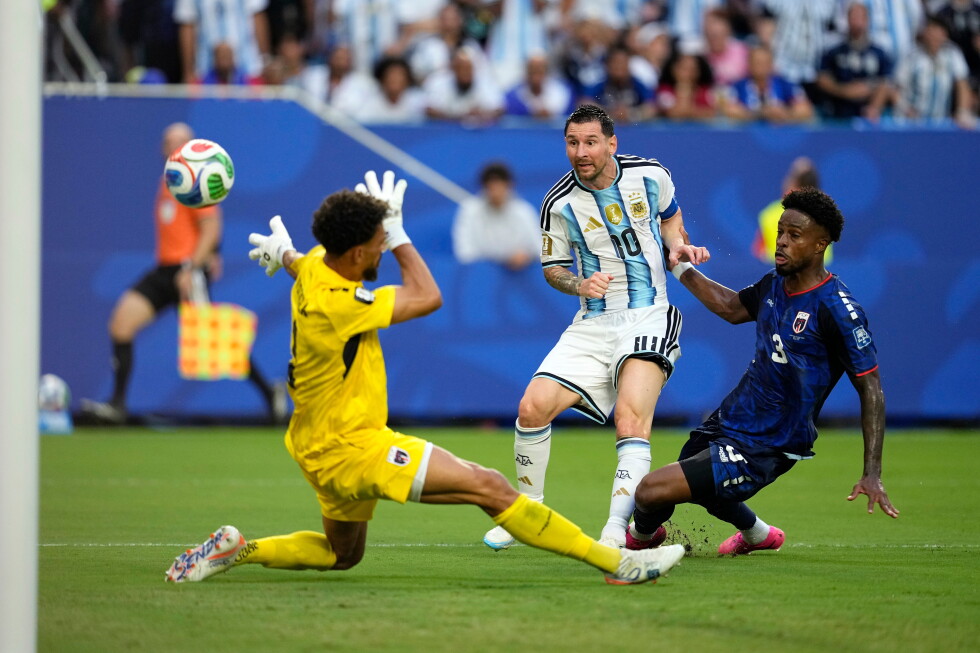
MIAMI GARDENS, Florida – A dramatic Round of 32 World Cup clash between defending champion Argentina and debutant Cape Verde finished regulation time deadlocked at 1-1 on Friday, forcing the two sides into 30 minutes of additional play to determine who will advance to the tournament’s next stage.
The match lived up to its underdog billing from the opening whistle, with Argentine talisman Lionel Messi breaking the deadlock in the 29th minute to extend his unprecedented World Cup scoring record. The goal marked Messi’s 20th career World Cup strike, further cementing his status as the competition’s all-time leading top scorer and putting the two-time world champions firmly in control of the fixture.
But Cape Verde, making their historic first knockout-stage appearance at a men’s World Cup, responded defiantly just before the hour mark. Midfielder Deroy Duarte netted a breathtaking equalizer that silenced the heavily pro-Argentine crowd packing South Florida’s Hard Rock Stadium. The goal, Duarte’s first ever at the senior international level, set the stage for what would go down as one of the biggest upsets in World Cup history if the African underdogs can hold on to secure victory in extra time.
Regulation time ended with no further goals from either side, triggering the 30-minute extra time period split into two 15-minute halves. Should the scoreline remain level after extra time, the two nations will face a penalty shootout to claim a spot in the World Cup Round of 16.
Cape Verde’s run at this year’s tournament has already defied all pre-tournament expectations. The tiny island nation, located roughly 350 miles off the western coast of Africa, has turned heads from the group stage onward, becoming the smallest country ever to qualify for the World Cup knockout round. Under the leadership of veteran 40-year-old goalkeeper Vozinha, Cape Verde secured three shock draws in group play against European powerhouse Spain, South American side Uruguay, and Asian contender Saudi Arabia to advance, a result that almost no analyst outside of the country predicted.
Vozinha continued his elite form against Argentina on Friday, racking up seven total saves, four of which came against Messi, and has now conceded just three goals across the entire tournament to date.
-
Mbappé is hot for France. The World Cup game against Paraguay is going to be a scorcher in Philly
As Philadelphia grapples with a record-shattering late-July heatwave, the city prepares to host a high-stakes World Cup round of 32 clash between defending powerhouse France and underdog Paraguay on Saturday, with temperatures forecast to push past 100 degrees Fahrenheit (38 Celsius) by kickoff. The brutal conditions have reignited debates over FIFA’s current hydration break policy, with many arguing the governing body should add more cooling stops to each half to protect players amid the extreme heat.
For context, 100-degree temperatures are almost unheard of in the city during a typical summer: locally, the only 100+ “reading” most residents see on a daily basis comes from the radar gun measuring Philadelphia Phillies closer Jhoan Duran’s pitching speed. This year’s unrelenting heat has already upended the city’s planned Semiquincentennial celebrations for the U.S. national birthday over July 4 weekend: outdoor events from a Queen Latifah headlined concert to the official 250th anniversary parade were canceled entirely, while the Liberty Medal ceremony honoring Pope Leo XIV was moved indoors to escape the swelter.
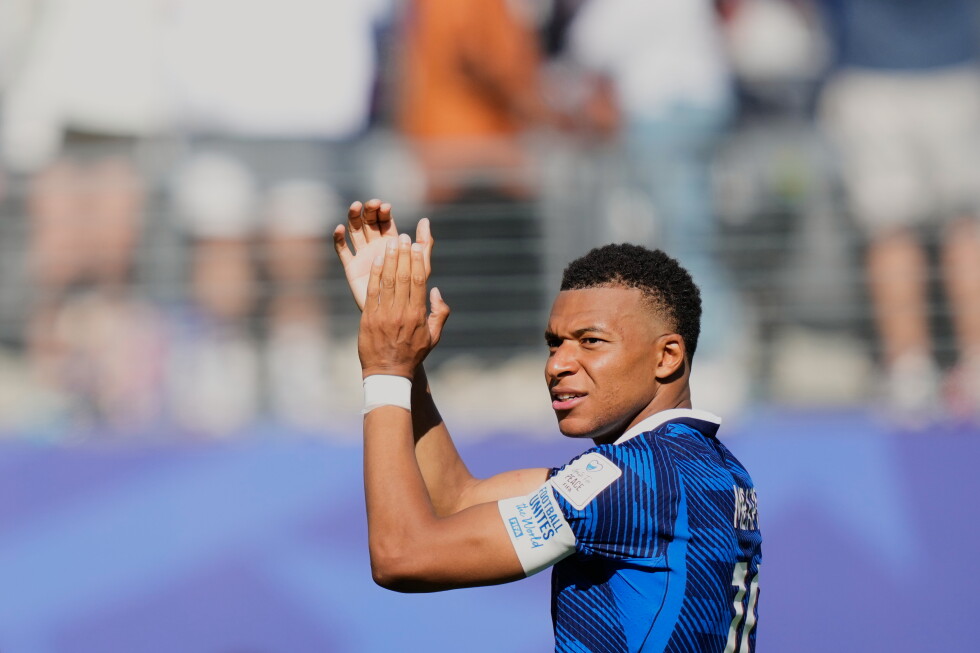
For French superstar Kylian Mbappé, the match will bring a double meaning of “hottest player in the tournament”: already the most in-form striker at this year’s World Cup, he will now contend with soaring core temperatures on the pitch. Ahead of the game, both sides have struck a unified, no-excuses tone about the conditions.
France midfielder Désiré Doué pointed out Friday that both squads will face the same harsh temperatures, a point echoed by Paraguay head coach Gustavo Alfaro, who noted the heat will impact both teams equally. That levels the playing field, leaving only one main challenge for Paraguay: slowing down a red-hot Mbappé who is chasing history as he leads France toward a third consecutive World Cup final appearance.
Mbappé’s form has been unstoppable so far this tournament. In a 3-0 blowout win over Sweden in the final group stage match, played in already warm 90-degree (33 Celsius) heat, he netted his 17th and 18th career World Cup goals, putting him just one goal behind Lionel Messi’s all-time record of 19. He has also notched six goals in this year’s tournament, tying Messi in the race for the Golden Boot, top scorer of the competition. When asked after the Sweden match if he was already looking forward to facing Paraguay, the striker joked he was only looking forward to the air-conditioned changing room.
For Paraguay, reaching the knockout round is already a historic triumph. The South American side, a 7 million-person landlocked nation sandwiched between regional soccer giants Argentina and Brazil, pulled off the biggest upset of the 2026 tournament so far when they beat powerhouse Germany 4-3 on penalties to advance. The shock win was so significant that Paraguay declared a national public holiday to celebrate. Entering the round of 32 clash with France, the underdogs carry no burden of expectations, with a win over the top-ranked side standing as one of the biggest upsets in World Cup history. “It’s one of those things that can happen in the life of the team,” Alfaro said. “We want Paraguay to have many more afternoons like that one.”
France, by contrast, enters the match as the clear favorite. Les Bleus are a perfect 4-0 so far in the tournament, outscoring their opponents by a combined 13-2, and recently overtook Argentina to claim the number one spot in FIFA’s global rankings. They already played one match in Philadelphia earlier in the group stage, beating Iraq 3-0 despite a mid-game rain delay, with Mbappé netting two goals in that fixture. Their four wins have come against ranked sides ranging from 18th to 63rd in the global rankings, while Paraguay sits at 34th.
To help fans and players cope with the extreme heat, FIFA has implemented revised access rules for all 2026 World Cup matches held in the U.S. and Canada: spectators can bring one factory-sealed 20-ounce soft plastic water bottle into Lincoln Financial Field, and water fountains are installed across nine concourse sections to keep attendees hydrated.
Philadelphia is still set to put on a full pre-match show for its final World Cup hosting fixture, after welcoming five group stage matches to the city. Philadelphia native and Grammy-winner DJ Jazzy Jeff and legendary local hip-hop group The Roots will perform ahead of kickoff, while Tony Award-winner Idina Menzel, famous for voicing Elsa in Frozen, will perform the U.S. national anthem. When it comes to a cold snap to cool down the pitch? As Menzel’s most famous song goes, the cold never bothered Mbappé anyway.
-
Anguished families left to identify Venezuela quake victims at makeshift morgue
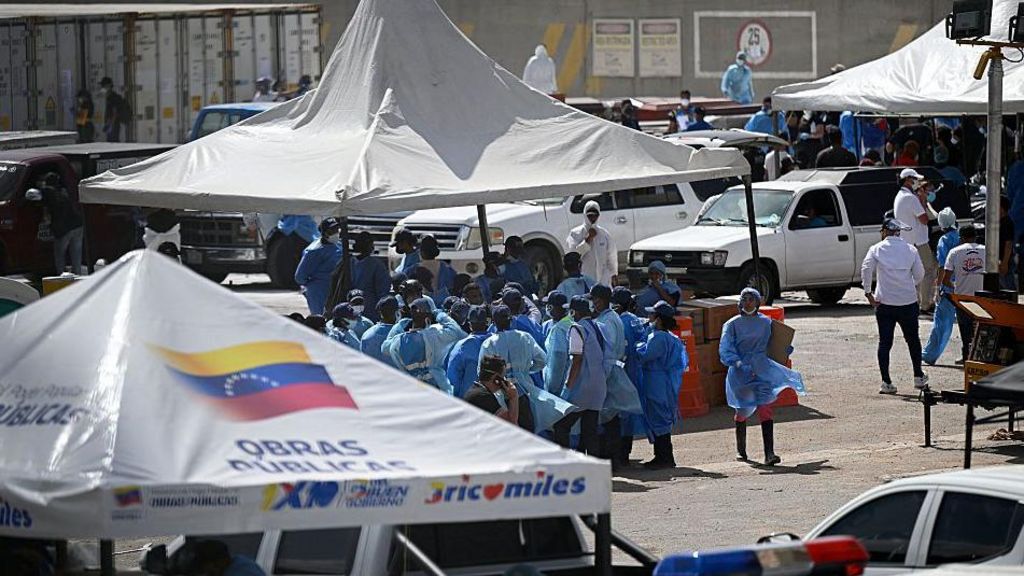
Nine days after devastating twin earthquakes tore through Venezuela’s coastal state of La Guaira, the death toll has climbed above 2,600, overwhelming local emergency and mortuary services and forcing authorities to repurpose a disused port storage facility at Los Silos into a makeshift morgue. What was once a working hub of commerce now stands as a grim center of grief, where exhausted, anguished families wait for hours, even days, to confirm the fates of loved ones missing since the tremors collapsed buildings and buried neighbourhoods across the region.
Many of the people gathered at the site have already spent days searching through damaged hospitals, emergency shelters, and piles of rubble, chasing every faint lead to find their relatives. Rows of empty chairs line the facility’s interior and exterior walkways, and a thick, heavy silence hangs over the crowd. Sadness spreads through the gathered families like a contagion: few speak, some stare vacantly into open space, while others refresh news feeds or mechanically reply to messages of condolence on their phones. Armed Bolivarian National Armed Forces personnel control access to the facility, a necessary security measure that does little to soften the raw anxiety of those waiting to enter.
Before stepping through the gate, one woman waiting to identify her missing nephew, who has been unaccounted for for nearly a week, summed up the conflicting feelings that grip every family: “I’m afraid of what I’m going to see in there, but it’s the only way to end this agony.” She told reporters she had searched every possible location for him—through the rubble of his collapsed apartment building, at every local hospital, speaking to every survivor and rescue worker she could find—with no answers.
Inside the makeshift morgue, the acrid smell of decomposition hits visitors first, a product of sweltering tropical heat that speeds the breakdown of remains left uncovered or stored in basic temporary tents, after the disaster destroyed most standing infrastructure in the region. Hundreds of recovered bodies are laid out in rows, wrapped only in thin plastic bags, sorted by the date they were pulled from the rubble. Many families cover their mouths with bare hands or low-quality cloth masks, which offer barely any relief from the stench; within minutes, most grow numb to the scent, their emotions too drained to react further.
Forensic and medical teams work around the clock against overwhelming odds to identify victims. At one end of the facility, a temporary tent offers free cremation services for unclaimed or identified remains. At the other, specialists rely on the few tools they have—mostly dental records—to match bodies to names when decomposition has left remains unrecognizable to family members.
Relatives face two paths to identification. Those confident they can recognize a loved one by their clothing are escorted to the area where bodies are laid out. The vast majority, however, are directed to two large television screens, where they begin a new, grueling ordeal: scrolling through more than 1,000 photos of recovered bodies, displayed in an endless loop. Many of the photos show remains swollen from decomposition, with darkened skin or severe traumatic injury, making positive identification extremely difficult. Families scan each image for any small, unique marker: a tattoo, a favorite bracelet, a distinctive piece of clothing, a trinket carried from home.
Occasionally, the scrolling pauses, sparking a flicker of hope. Forensic workers use iPads to zoom in on a tattoo, a unique dental structure, or a scar that matches a family’s description. In one harrowing moment in front of the screens, a woman broke down into loud sobs when she recognized her son from a frayed, dusty blanket wrapped around his remains; a stranger standing beside her immediately wrapped her in a quiet embrace, sharing in her grief. When a phone cut through the heavy silence, a young man whispered into the line that he was searching for his mother, but the condition of the remains made it impossible to confirm if he had found her. “This is like a horror movie,” he quietly shared.
For 60-year-old Liliana González, a Catia La Mar resident who traveled to Los Silos to search for her missing aunt, the unthinkable became reality when she spotted her 37-year-old nephew’s distinctive tattoo in the photo stream. “He wasn’t on the list,” she explained as she left the facility. “I had to look at the images.” González, who had seen her own mother after her death, said the experience was unlike anything she had ever endured. She still has not found her aunt, who remains buried under rubble, and fears she will have to return to the morgue in coming days to go through the agonizing process again. After she was told she would have to identify her nephew alone, two forensic workers stayed with her through the entire process to help her through the trauma. “Thank God, because in a moment like that, it’s good to feel someone’s hand,” she said.
For others, the agony of waiting and the dread of seeing a loved one’s remains leads them to wait outside, letting younger relatives handle the identification process. Fifty-six-year-old Modesta Alemán traveled from Carayaca, in western La Guaira, to search for her older sister Matilde, who lived in Playa Grande—one of the hardest hit neighborhoods hit by the quakes. “They told us there were no survivors,” Alemán said. She added that volunteers had reported hearing voices calling out from the rubble of her sister’s building days after the quake, but that no rescue teams were able to reach them. Alemán chose not to enter the morgue, waiting outside as other relatives went in to check for Matilde. “Perhaps it is better this way,” she said quietly.
Forty-two-year-old Jéssica Soto has already waited two full days at the entrance to Los Silos for the remains of her 15-year-old daughter and three-year-old granddaughter, who were trapped in their apartment when the earthquakes struck. Their bodies were recovered nearly a week later, on a Tuesday. “They keep you waiting and waiting for the paperwork, the trucks, and who knows what else,” Soto told reporters. “They have had them there in a coffin, sitting out in the sun since yesterday. I have no choice but to wait and trust in God.”
Once a positive identification is made, the bureaucratic process of releasing remains begins: technicians collect fingerprints when possible, bodies are transferred to coffins, and families must fill out the paperwork for an official death certificate—required before funeral homes can take possession of the remains for burial. For thousands of Venezuelan families already reeling from the destruction of the disaster, this slow, agonizing process at the Los Silos makeshift morgue is just the latest hurdle in navigating the aftermath of one of the deadliest natural disasters in the country’s recent history.
-
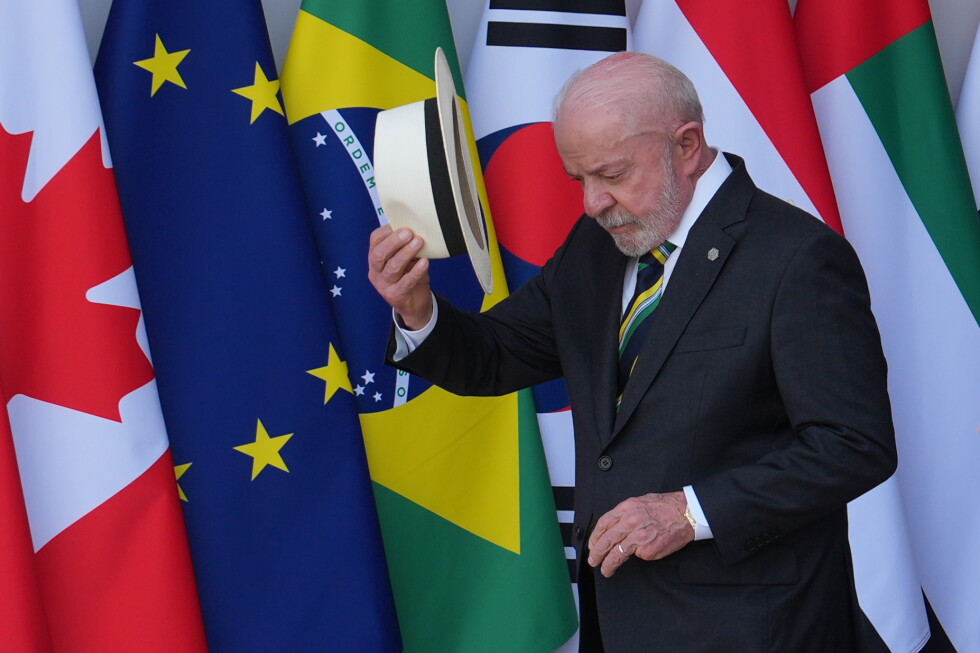
Brazil’s top presidential candidates Lula and Flávio Bolsonaro clash over US tariff proposal
RIO DE JANEIRO — A sharp public dispute has erupted between Brazil’s sitting President Luiz Inácio Lula da Silva and his leading electoral rival Senator Flávio Bolsonaro over a planned 25% tariff on Brazilian goods proposed by the Trump administration, a policy that has quickly become a polarizing flashpoint just months ahead of the country’s October presidential election. Both political leaders have publicly pushed back against the proposed tariff hike, while using the ongoing trade debate to attack one another’s credibility and political positioning ahead of the vote, a reflection of how much both sides believe handling the unpopular U.S. trade measure will shape voter sentiment.
The proposed new tariffs come amid a years-long U.S. goods trade surplus with Brazil, making the Trump administration’s protectionist move unusual on paper. The trade friction first escalated last July, when the U.S. imposed a 50% tariff on select Brazilian imports, with then-President Donald Trump framing the move as a response to what he called a political “witch hunt” targeting Flávio’s father, former Brazilian President Jair Bolsonaro. The elder Bolsonaro was on trial at the time for his role in the 2022 coup attempt following his election loss to Lula, and was ultimately convicted on charges related to the insurrection.
In June of this year, the U.S. Trade Representative’s office led by Jamieson Greer released the findings of a probe launched earlier this year at Trump’s direction, which accused Brazil of a range of unfair trade practices including lax anti-corruption enforcement and discriminatory tariff policies. The proposal for a 25% across-the-board tariff on Brazilian imports reversed a brief period of warming bilateral relations that followed meetings between Lula and Trump in 2024, and has once again soured ties between the two nations. Lula has repeatedly warned the U.S. against interfering in Brazil’s upcoming electoral process.
Flávio Bolsonaro, who is the frontrunning opposition candidate for October’s presidency, argued in a formal submission to USTR this week that increased U.S. tariff pressure has already helped boost Lula’s standing with Brazilian voters. He included polling graphs in his filing, noting that “Brazilian public polling shows that the incumbent government’s electoral position has strengthened during precisely the periods when U.S. tariff pressure has been most salient.” He added that moving forward with the proposed tariffs would hand Lula a pre-election “political victory”, and called for the implementation of any tariffs to be postponed while upholding the USTR investigation’s findings.
Lula has rejected Flávio Bolsonaro’s framing outright, calling the senator’s submission to USTR “yet another act of treason against the fatherland.” Expanding on the attack in a post on X Thursday, Lula accused the entire Bolsonaro family of advancing sell-out policies that subordinate Brazil’s national interests to Washington. “It is unacceptable that the Bolsonaro family, with its sellout policies, seeks to submit Brazil to the interests of the United States,” he wrote. “There has never been, nor is there, any justification for a tariff hike now or later.”
Three hours after Lula’s post, Flávio Bolsonaro fired back on the same platform, claiming that Lula is secretly the only political figure in Brazil who wants the tariff hike to go forward. The senator also announced he would travel back to the U.S. next week to ramp up lobbying against the implementation of the new tariffs. The dispute has also drawn attention to the ongoing legal troubles of the Bolsonaro family: another of the former president’s sons, Eduardo Bolsonaro, who resides in Texas, was convicted earlier this year of illegally lobbying the U.S. government to pressure Brazilian officials to drop the coup charges against his father.
Beyond the tariff fight, the two candidates have also clashed over a recent Trump administration decision to designate two of Brazil’s largest domestic organized crime groups — First Command of the Capital (PCC) and Red Command — as official terrorist organizations. Flávio Bolsonaro has publicly supported the designation, which many independent analysts view as a clear attempt by the U.S. to influence Brazil’s upcoming election. Lula, meanwhile, has argued that the classification is legally and strategically inappropriate, noting that the groups are primarily motivated by profit from drug trafficking and organized crime rather than ideological or political change, the core criterion for terrorist designation. Earlier this week, the U.S. followed up the classification with new sanctions targeting companies and individuals linked to PCC, which U.S. officials called the “largest transnational criminal organization in the Western Hemisphere.”
On the trade front, Lula’s administration has formally rejected all of USTR’s core grievances, including the claim that Brazil’s popular PIX instant payment system unfairly disadvantages competing private electronic payment services. Brazilian officials have countered that PIX operates under lawful, neutral regulatory frameworks that actually promote greater competition in the country’s fintech sector. The entire tariff dispute has reinvigorated Lula’s campaign narrative centered on defending Brazilian national sovereignty, a message that resonated strongly with voters during his 2022 campaign and delivered an unexpected boost to his popularity ahead of this year’s re-election bid.
-
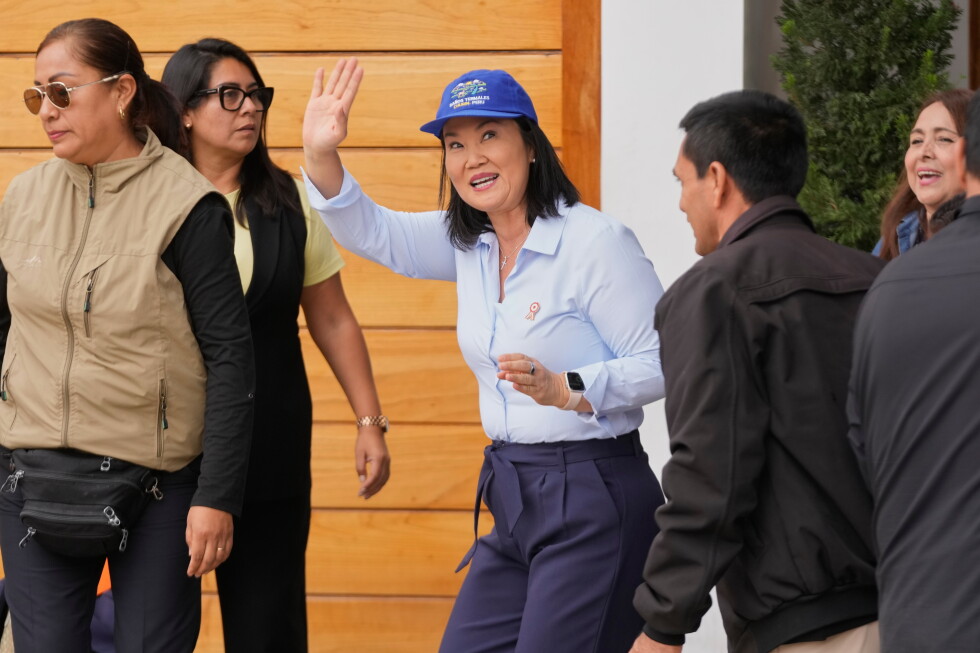
Conservative candidate Keiko Fujimori wins Peru’s presidential election in a runoff
LIMA, PERU – In a closely contested election outcome finalized on Friday, conservative contender Keiko Fujimori has been officially certified as the president-elect of Peru, capping off a fourth consecutive bid for the nation’s highest office shaped overwhelmingly by voter anxiety over skyrocketing criminal activity. The 51-year-old politician, daughter of disgraced former Peruvian president Alberto Fujimori, will assume office later this month to become the country’s ninth head of state in just one decade, a statistic that underscores the persistent political volatility South America’s third-largest economy has faced in recent years.
Peru’s national election authority formally validated the razor-thin victory Friday, bringing an end to vote tabulation processes that stretched for days after the June 7 runoff. Final official data, released in full this week after all 100 percent of ballots were counted, shows Fujimori secured 9,223,000 votes, equivalent to 50.135 percent of the total electorate. Her opponent, nationalist congressman Roberto Sánchez, followed closely with 9,173,000 votes, or 49.865 percent, leaving the margin of victory thinner than 0.3 percentage points.
Both candidates advanced to the two-person runoff after emerging as the top two vote-getters in an April general election that fielded a total of 35 candidates. Throughout the runoff campaign, public discourse centered heavily on one pressing issue that resonated with voters across demographic groups: the rapid growth of organized crime and the associated surge in public insecurity, particularly the widespread extortion rackets run by violent criminal gangs across the country. Fujimori built her campaign platform around a hardline pledge to crack down on criminal activity with an uncompromising approach, a policy pitch that appealed to voters frustrated by the failure of previous administrations to curb rising violence.
The incoming president’s political legacy is deeply tied to that of her late father, Alberto Fujimori, who served as Peru’s president through the 1990s. While the elder Fujimori is widely credited for defeating the violent Shining Path extremist insurgency that terrorized Peru through the 1980s and early 1990s, his administration drifted into authoritarian rule, and he was ultimately convicted in 2009 on two counts: human rights abuses committed during counterinsurgency operations, and separate corruption charges. Keiko Fujimori’s rise to the presidency marks a major milestone for the Fujimori political dynasty, which has remained a divisive but powerful force in Peruvian politics for more than 30 years.
-
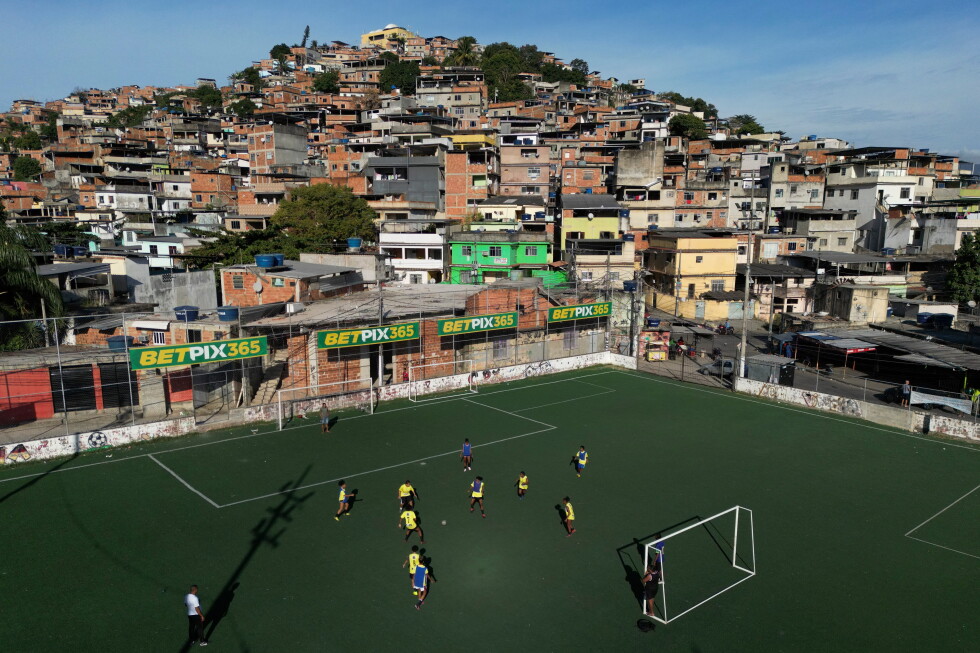
As World Cup fever grips Brazil, scrutiny mounts over its sports betting industry
For a nation as deeply infatuated with soccer as Brazil, the arrival of a FIFA World Cup traditionally brings only one dominant conversation across the country: the fate of the iconic green and yellow national team. This year, however, a far more troubling topic has pushed its way to the forefront of public discourse: the explosive proliferation of sports betting advertisements that have saturated every corner of Brazilian life, amid a nationwide gambling surge that has left thousands trapped in crippling debt and driven a dramatic spike in addiction rates.
-
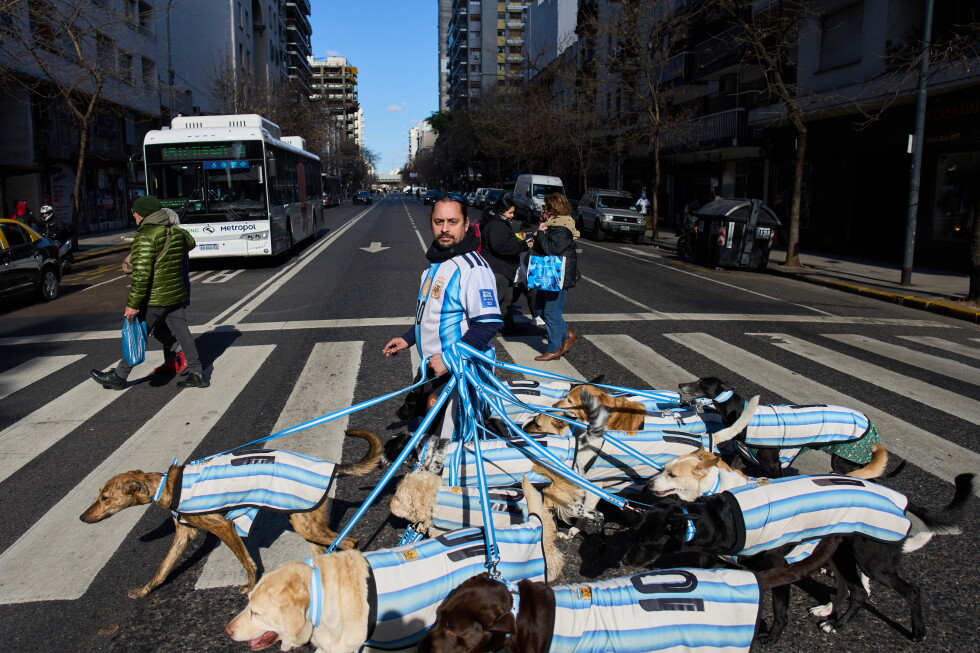
Puppy love as dog walker turns his pack of 13 into Argentina jersey-clad World Cup followers
As World Cup fever sweeps across Argentina, ahead of the nation’s round of 32 knockout match against Cape Verde, one Buenos Aires local has reimagined what it means to show national team pride – by turning a pack of 13 pet dogs into the country’s most charming street-side fan group.
Thirty-three-year-old Nahuel Meneghini, known affectionately to locals as “Nano”, is a professional dog walker who operates in the central Buenos Aires neighborhood of San Cristóbal. Inspired by Argentina’s progression out of the group stage of the tournament, he launched his unique fan project last week, outfitting every dog in his daily pack in official-style Argentina national team jerseys, custom light blue and white leashes, and matching collars.
Meneghini first got the idea after two of his regular walking clients’ dogs, Sirio and Roberta, arrived already sporting Messi’s iconic number 10 jerseys, purchased by their caught up in the country’s World Cup excitement. He loved the concept so much that he expanded it to the whole pack: he visited a local pet supply store to source jerseys in sizes to fit every dog, and handcrafted matching branded leashes and collars for the group.
The custom leashes bear three small metal rivets, each marking one of Argentina’s three historic World Cup titles – won in 1978, 1986, and most recently 2022 under current head coach Lionel Scaloni. Collars are tagged with the group’s official name, “Los perros de Nano”, or Nano’s Dogs. The pack’s social media nickname, “La Perroneta”, is a playful twist on “La Scaloneta”, the beloved nickname for Scaloni’s Argentina squad, who have earned widespread national adoration after winning the 2021 Copa América, 2022 Finalissima, and the 2022 World Cup.
Dressed in Argentina fan gear from head to toe himself, Meneghini skillfully guides his 13 four-legged fans along the narrow sidewalks of San Cristóbal, covering roughly 60 blocks across the city almost every day. Passersby consistently stop to smile, pull out their phones to snap photos, and cheer on the pack and the national team. Local residents have embraced the group wholeheartedly: many dog owners in the neighborhood have already placed orders to have their own pets outfitted with matching gear, which Meneghini offers at a discounted rate to fellow fans.
Eighty-year-old local Edgardo Pérez, who stopped to photograph the group, noted that the joyful display is a rare bright spot for working people and retirees in the country, saying “These are the only joys we have because nothing ever goes our way, not for workers or retirees. Everything is against us.” Seventy-three-year-old Dora Maisano echoed that warm sentiment, calling the display genuine patriotism. “Now that is patriotism,” she said as she watched the pack pass. “Not just peeing and pooping. Everyone wearing the No. 10. Well done, congratulations — they look so cute!”
Speaking to the Associated Press during a walk with the pack Thursday, Meneghini said he created the project out of his own love for the national team, his country, and the World Cup. He added that the dogs will keep their national team gear “forever” – even if Argentina is eliminated from the 2026 tournament. Still, he remains optimistic about the team’s chances, saying “But I have faith that we’ll win a fourth cup. After the fourth one, I’ll add another rivet to the leashes.”
-
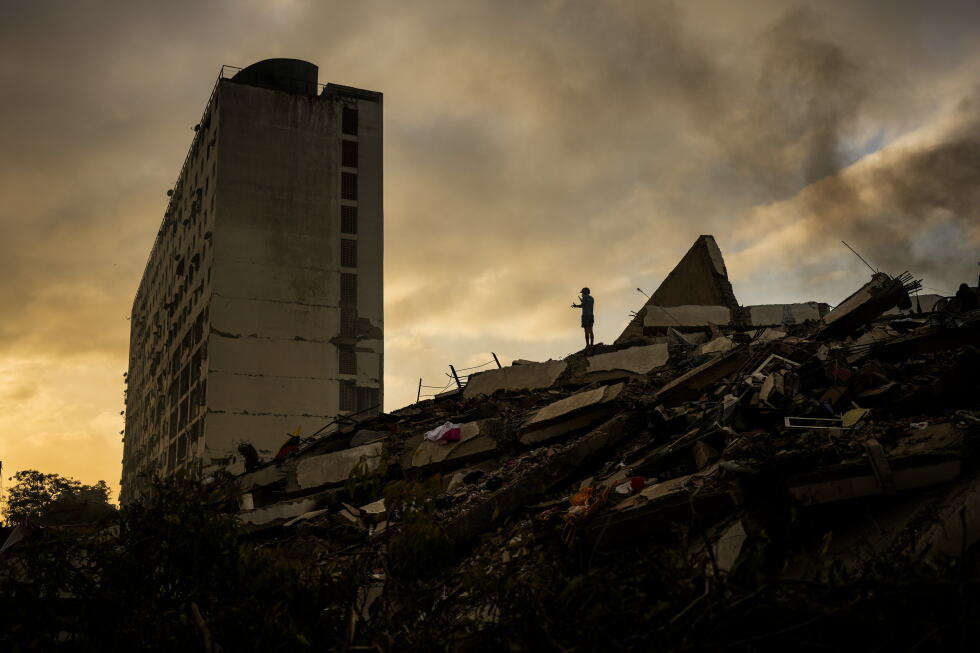
As her 180-day mandate expires, Venezuela’s acting leader defends quake response
Eight days after powerful twin earthquakes devastated Venezuela’s northern coastal state of La Guaira, interim President Delcy Rodríguez has broken her weeks-long silence to publicly defend her government’s controversial disaster response — just as her 180-day temporary mandate was set to expire Friday.
The June 24 quakes have already claimed more than 2,295 lives, according to the latest official government tally. But a civilian-led non-governmental digital database puts the human cost far higher, with more than 38,000 people still registered as missing across the hard-hit region.
Critics have slammed the interim administration for a slow and disjointed response: Rodríguez waited more than an hour after the first tremor to issue her first public statement, and did not hold a formal news conference on the disaster until last Thursday, eight days after the event. This delay stands in sharp contrast to global disaster response norms, which hold that the so-called “golden 72 hours” after a disaster are the most critical window for finding trapped survivors alive. With each passing day, the odds of pulling people alive from rubble drop exponentially.
Despite the elapsed time, exhausted rescue crews were still sifting through collapsed structures across La Guaira’s ruined communities Friday, buoyed by a small moment of hope just one day prior: a 43-year-old security guard was pulled alive from the basement of a collapsed shopping mall, after spending nearly a full week trapped under debris. Even as some international search teams have wrapped up their deployments and departed, Rodríguez pushed back against claims that her government was winding down active search operations.
“We have not closed the search-and-rescue phase. We are still in that stage because, according to our overall assessment, there are still active sites where we believe there may be survivors, even if there is only one,” Rodríguez told reporters at the tense, testy news conference, her first public pushback against widespread criticism of the state-led effort.
The interim leader dismissed growing public anger over the response as “narratives manufactured in propaganda laboratories,” claiming that rescue teams were dispatched immediately with sufficient equipment to affected areas. Her account directly contradicts widespread complaints from local residents, who say they were forced to dig through rubble on their own for the first 48 hours, without access to official rescue teams or heavy machinery to free trapped family members.
“Those propaganda operations, driven by partisan political interests, are despicable,” Rodríguez said. “We did not wait one day, two days or three days. We activated immediately.” She added that 11 international field hospitals, staffed by medical workers from 33 countries, have been deployed to quake-hit regions, and that the government has established a dedicated reconstruction fund to accept private and international donations.
Early damage estimates from the United Nations Development Programme put the total physical destruction from the quakes at $6.7 billion — equal to roughly 6% of Venezuela’s entire annual gross domestic product. This figure does not include the far larger long-term costs of recovery and full reconstruction across La Guaira.
Rodríguez’s public defense comes amid significant political uncertainty both for her administration and the country. A close ally of former Vice President Nicolás Maduro, Rodríguez stepped into the interim presidency in January after Maduro was removed from office and taken into custody by U.S. authorities, with the backing of the Trump administration. In the months since, she has overseen business-friendly reforms to Venezuela’s critical oil sector under U.S. pressure, but has made no meaningful moves to return the country to full democratic rule.
Under Venezuela’s constitution, an interim presidential appointment can only last 90 days for a temporary vacancy, with a single 90-day extension approved by the National Assembly. That 180-day window expired Friday, and government officials have offered no public clarification on what will happen next. The ruling majority-controlled National Assembly could call a snap presidential election if lawmakers formally declare the presidency permanently vacant, but no timeline for a democratic vote has been announced. Prior to the earthquake, the Trump administration stated that an election would only be held once Venezuela’s economy has been sufficiently stabilized.
The political turmoil extends to the country’s fractured opposition. Former President Maduro claimed victory in the 2024 presidential election, which barred leading opposition figure María Corina Machado — a Nobel Peace Prize winner — from running. An independent vote count verified by the opposition confirmed that Machado’s preferred candidate won a majority of the vote. Machado, currently in exile, has pledged to return to Venezuela to support earthquake recovery efforts, but accused Rodríguez’s government of closing the country’s airspace last week to block her planned return. The Trump administration has repeatedly praised Rodríguez’s disaster response, and has largely stepped back from its earlier support for the opposition, abandoning Machado’s claims to the presidency.
-
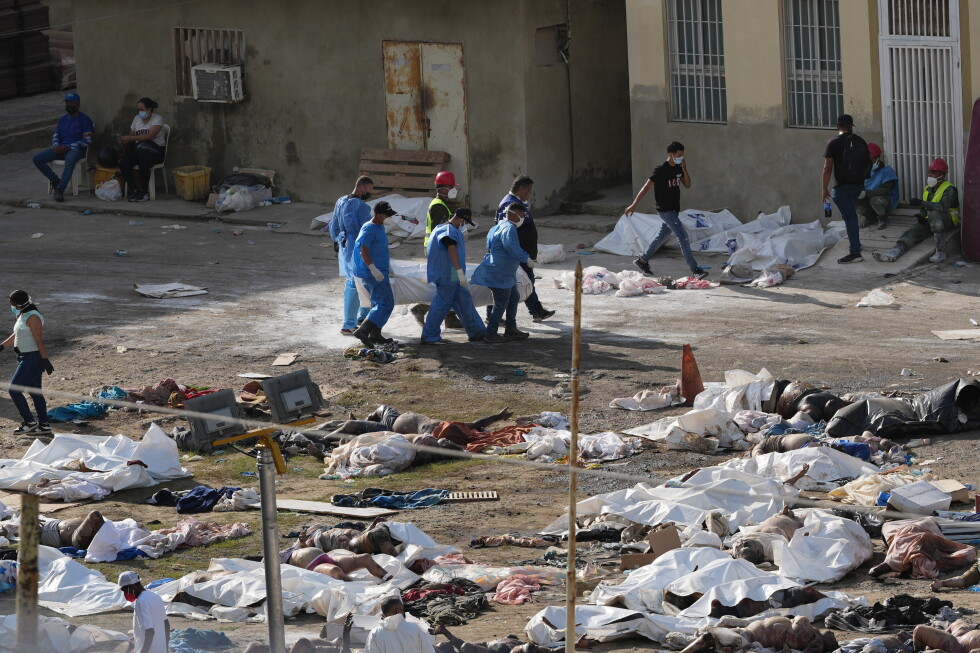
A push to identify bodies as deaths multiply in Venezuela after twin earthquakes
On Venezuela’s battered northern Caribbean coast, the coastal state of La Guaira is still reeling from the devastating aftermath of two powerful back-to-back earthquakes that struck on June 24. With the confirmed death toll already climbing past 2,200 and thousands more still unaccounted for, overwhelmed local authorities and grieving families are locked in a desperate race against time to identify victims before mass burials become unavoidable.
The scale of destruction has left even experienced medical and forensic workers unprepared for the scope of loss. For Rosa López, a veteran nurse, nothing could have readied her for the harrowing scene she encountered while helping her daughter track down her missing son-in-law, 25-year-old José Antonio Toledo. As she walked through areas hit by the quakes, she was forced to step around rows of victims’ bodies left exposed under the unforgiving tropical sun, many wrapped only in worn sheets or blankets, their identities still unknown.
Toledo had been working as a security guard in a collapsed building when the tremors hit. Rescuers recovered his body quickly, but overcrowded local hospitals turned the family away, forcing repeated transfers that ultimately left his body held in an open parking lot alongside dozens of other unclaimed victims. A forensic doctor finally helped the family locate him days after the disaster, but a new barrier emerged: the family could not cover the $450 funeral home fee required to claim the body. In a last-minute twist, the mayor’s office offered a free plot at a local cemetery just before midnight, requiring the grieving pair to rush up the cemetery’s hilly terrain within an hour to secure the spot. They buried Toledo that night, saving him from the mass grave that many fear will be the final resting place for hundreds of unclaimed victims. “He was an exemplary person, a boy who liked helping people,” López said of her son-in-law.
For forensic teams working around the clock to process victims, the challenge is unprecedented. Joel Mirabal, a 45-year-old forensic technician who has worked seven straight days since the quakes struck, estimates that only 60 to 70 percent of recovered bodies can be matched to a family member or neighbor willing and able to identify them. With many bodies severely damaged by collapsed debris, identification relies on small, personal markers: a distinct tattoo, a lifelong scar, a piece of familiar clothing. “They don’t look even 10% like what they were in real life,” Mirabal said of the victims.
Unidentified bodies are transferred to a makeshift processing center at the La Guaira seaport, where private companies have donated large refrigerated containers to slow decomposition. Even with that support, the steady flow of newly recovered bodies has outstripped storage capacity, and Mirabal says mass graves are now all but inevitable. “The collapse is massive, and the bodies are buried under many layers of debris,” he explained. Forensic teams anticipate it will take up to three months to recover all the remains trapped in rubble, with thousands of local civilians leading teams to sites where bodies have been spotted. Mirabal, a professional dog trainer who previously worked with the government on drug and missing person searches, says the constant exposure to grief has taken a heavy toll. He finds quiet comfort in his 12 pet dogs waiting for him at home after each 12-hour shift. “It’s not easy at all to witness the suffering and tragedy of your fellow human beings,” he said.
Across the state, families still wait in long lines for a chance to identify their loved ones. Over the weekend, dozens of bodies recovered from flattened buildings were brought to a government health facility in La Guaira, left in a sweltering open parking lot for family members to view. At one point, more than 200 bodies were held in that makeshift staging area. On a recent Thursday, grieving relatives lined up outside the seaport morgue, their cars and funeral home vehicles stretching for blocks down the coastal road.
Among them was Robert Rodríguez, who sat dejected on a concrete block waiting for his daughter to identify the body of her husband, Rafael Alvarado. Alvarado had been working at the deli counter of a local grocery store when the building collapsed around him. The family recovered his body from the rubble on Wednesday, and it was transferred to the seaport morgue the next day. “I saw his shoes and knew it was him,” Rodríguez said, as tears soaked through his blue face mask. He had warned his daughter to prepare for the worst before she entered the morgue. The family plans to cremate Alvarado and scatter his ashes on Isla de Margarita, his beloved hometown island.