标签: South America

南美洲

  • Brazil’s beloved instant payment system faces scrutiny from the Trump administration

    Brazil’s beloved instant payment system faces scrutiny from the Trump administration

    In a deeply politically divided Brazil, one digital tool has managed to unite citizens across the ideological spectrum: PIX, the Central Bank of Brazil-run instant payment system that has transformed how the nation sends and spends money. From street-side beach snacks to high-ticket purchases like new cars, PIX now underpins nearly every corner of Brazilian commerce, drawing widespread praise from vendors and consumers alike — but drawing growing international tension over alleged unfair trade practices.

    Launched in 2020, PIX operates on a simple, accessible framework: any individual with a Brazilian taxpayer ID, registered business, or government entity with a local bank account can send and receive funds in real time, most often via QR code scans on mobile phones. Unlike private card networks and traditional bank transfer systems, individual users pay zero fees for transactions, and even the fees charged to merchant accounts are far lower than the rates for legacy payment methods that once took hours to process. By the end of last year, the system’s explosive popularity drove $7 trillion in total transactions, with 178 million of Brazil’s 213 million residents already registered for the service.

    For small business owners across the country, PIX has become an indispensable part of daily operations. On Rio de Janeiro’s iconic Ipanema Beach, 21-year-old iced tea and snack vendor Luis Felipe de Almeida says cash has all but disappeared from his transactions. “No one walks around with cash anymore, everyone just uses their phone, so they use PIX,” he explained. In Sao Paulo, 57-year-old restaurant owner Marcello Palladini relies on PIX to pay suppliers for transactions over 1,000 Brazilian reais ($200), a sum most credit card networks refuse to handle for direct supplier payments. While he criticizes the exorbitant fees some private banks charge for merchant PIX transactions, he remains a committed supporter of the system. “PIX works great, it is all instant,” he said. Even large corporations now use PIX to pay worker salaries, and high-value assets from homes to helicopters are regularly purchased through the platform, requiring only occasional bank approval for the largest sums.

    But PIX’s growing dominance has drawn pushback from half a world away. In July, the Office of the U.S. Trade Representative, under the Trump administration, launched a formal inquiry into the system, alleging it creates unfair competition for U.S.-based credit card giants like Visa and Mastercard by offering a low-fee public alternative to traditional card network transaction fees. What makes the U.S. action unusual, analysts note, is that India operates a nearly identical public instant payment system with zero consumer transaction fees, which processed $300 billion in transactions in March alone — yet faces no comparable challenge from USTR.

    For all its domestic success, PIX is not without vulnerabilities. Criminal organizations have quickly adapted to exploit the system’s instant transfers, stealing mobile devices and moving tens of thousands of reais in stolen funds before users or authorities can intervene. The Brazilian Forum of Public Security, a leading policy think tank, estimates that between 24 million and 28 million Brazilians fell victim to PIX-related fraud between January and September of last year, though the total value of losses has not yet been calculated.

    Brazilian regulators and financial institutions have moved to address these risks, implementing caps on overnight PIX transfers between 8 p.m. and 6 a.m. to limit fraudsters’ ability to move large sums when most users are not monitoring their accounts, while authorities actively close accounts linked to suspicious activity. Digital law expert Ana Paula Siqueira emphasizes that the system’s core technology remains sound, and most fraud stems from social manipulation rather than structural flaws. “From the technical and legal standpoint, PIX is safe. But it is not immune to fraud because its risks are not in its technology; they are in people trying to fool others,” Siqueira explained. “The most common fraud involves psychological manipulation, fake IDs, urgent requests for payment.”

    Even with these documented risks, popularity of PIX remains undimmed across all sectors of Brazilian society. At an open-air market in Sao Paulo’s Pinheiros district, dumpling vendor Claudia Quirino summed up the national sentiment with a playful nod to PIX’s core feature: “Love doesn’t happen suddenly, it takes time,” she shouted to potential customers. “But PIX is instant! Buy now!”

    This report includes contributions from AP journalists Lucas Dumphreys (Rio de Janeiro), Mario Lobao (Rio de Janeiro), and Vineeta Deepak (New Delhi).

  • Mass protests in Argentina decry Milei’s funding cuts to prized public universities

    Mass protests in Argentina decry Milei’s funding cuts to prized public universities

    BUENOS AIRES, Argentina – Mass mobilization swept across major Argentine cities on Tuesday, as tens of thousands of demonstrators filled public streets to push back against sweeping funding cuts to the nation’s beloved public university system enacted by libertarian President Javier Milei.

    Marches originating from multiple points in central Buenos Aires converged on the Casa Rosada, the Argentine government’s executive headquarters, where protesters voiced fierce opposition to chronic budget shortfalls that are steadily eroding the financial backbone of the country’s public higher education network. For nearly 75 years, Argentina’s public university system has stood as a cornerstone of national identity: tuition-free since 1949, it has cultivated a highly skilled national workforce deeply valued by the country’s large middle class, and counted five Nobel Prize winners among its alumni. Last year, Argentina’s Congress passed bipartisan legislation mandating that the government adjust university operating budgets and professor salaries to match the country’s sky-high persistent inflation. But rather than enacting the law, the Milei administration has instead challenged its constitutionality in the courts, leaving the system starved of needed funding.

    Milei’s ideological framing of the cuts aligns closely with that of his prominent American ally and backer, former U.S. President Donald Trump: the president has repeatedly painted public university campuses as hotbeds of progressive “woke” indoctrination. The funding slashes form a core part of his controversial austerity agenda, which leans on dramatic cuts to overall public spending to correct what he frames as decades of fiscally irresponsible spending and entrenched corruption under prior left-leaning administrations.

    Tuesday’s cross-sectional protest drew participants of all age groups and political affiliations, unfolding as Milei’s national approval ratings have plummeted in recent months amid a steep economic downturn. The country has struggled with contracting economic output, eroding real wages, and rapidly rising unemployment under his watch. A growing wave of corruption scandals has also fueled public anger, most notably an ongoing investigation into unexplained lavish spending by Milei’s close confidant and Cabinet Chief Manuel Adorni, whose lifestyle appears far out of step with his modest public salary and officially declared assets. Protesters carried placards calling out the discrepancy, with one common sign reading “How much does Adorni cost us?”

    Alejandro Álvarez, Milei’s appointed undersecretary for university policies, dismissed the mass demonstration as a purely partisan political action. He claimed the government has already provided increased funding to offset rising operating costs, but university unions and faculty organizations have uniformly rejected these marginal adjustments as woefully inadequate to address the system’s needs.

    In its legal challenge to last year’s congressionally approved funding law, the Milei administration argues the legislation does not identify specific revenue streams to cover the mandated funding increases amid the country’s ongoing harsh fiscal austerity program. The case is currently on track to be decided by Argentina’s Supreme Court, and protesters on Tuesday issued a direct public call for the nation’s highest judicial body to heed the widespread public outcry across the country’s public squares.

    Data from Argentina’s largest national faculty federation shows that since Milei took office in late 2023, the real inflation-adjusted value of university professors’ salaries has dropped by roughly 33 percent. Ricardo Gelpi, rector of the nationally prestigious University of Buenos Aires, warned that the dramatic erosion of purchasing power has already pushed more than 580 research faculty in engineering and hard science departments to leave the public system for higher-paying positions at private institutions or other sectors.

    Speaking from the march in Buenos Aires, 24-year-old University of Buenos Aires law student Sol Muñíz summed up the widespread public sentiment around the cuts. “It’s very clear this government is determined to defund public education,” she said. “University is a source of pride for us. It is the best thing we have.”

  • Armed conflict last year in Colombia hit civilians the hardest in a decade, Red Cross says

    Armed conflict last year in Colombia hit civilians the hardest in a decade, Red Cross says

    BOGOTA, COLOMBIA – A new annual report published Tuesday by the International Committee of the Red Cross (ICRC) has delivered a stark assessment of Colombia’s deepening security crisis, finding that harm to civilian communities from ongoing armed violence reached its highest level in 10 years in 2025.

    The humanitarian organization’s findings paint a grim picture of widespread displacement and restriction across rural and regional parts of the country: the total number of people forced to flee their homes amid clashes between criminal gangs, rebel factions, and state forces doubled over 2024, hitting 235,000. Concurrently, the number of civilians trapped in forced lockdowns imposed by armed groups on small towns and villages jumped by 99% compared to the prior year.

    Colombia’s internal conflict has stretched across decades, with rebel factions and drug trafficking organizations long battling government forces for control of strategic rural territories, including key smuggling corridors central to the global cocaine trade. A landmark 2016 peace accord between the Colombian government and the country’s largest insurgent group, the Revolutionary Armed Forces of Colombia (FARC), delivered a notable reduction in rural violence for years after the agreement was signed. But in the wake of FARC’s demobilization, fragmented smaller armed groups have moved to seize the power vacuum left behind, extorting local businesses through illegal taxes and terrorizing civilian residents who resist their control, driving a steady erosion of security across much of the countryside.

    Olivier Dubois, the ICRC’s head of mission in Colombia, emphasized that the catastrophic humanitarian conditions recorded in 2025 are the outcome of a gradual decline that the organization has flagged to stakeholders since 2018.

    Over the past four years, the administration of Colombian President Gustavo Petro has pursued a strategy of de-escalating rural violence, launching formal peace negotiations with the country’s remaining active insurgent groups and reaching bilateral ceasefire agreements with several factions. But critics of this approach warn that armed groups have exploited the ceasefire periods to reorganize, rearm, and consolidate their control over civilian communities. These groups have also ramped up the forced recruitment of children into their criminal and armed ranks, the criticism notes.

    Political violence has also accelerated sharply across the country. Last year, a presidential candidate was shot in the head during a public campaign rally in Bogota and later succumbed to his injuries; Colombian authorities have attributed the attack to one of the nation’s active rebel groups.

    Earlier this year, the United Nations Human Rights Office in Colombia also sounded the alarm, describing the country’s security trajectory as “backsliding” and confirming that targeted killings of human rights defenders rose by 9% in 2025. The ICRC’s report adds further data to this assessment, noting that casualties from explosive devices – including landmines and drone-deployed ordnance – rose 33% year-over-year to 965 people killed or injured in 2025.

    In its concluding appeal, the ICRC called on all parties involved in Colombia’s internal armed conflict to uphold fundamental protections for civilian populations, and to safeguard the rights of people who wish to exit hostilities. The organization stressed that adherence to international humanitarian law is a non-negotiable obligation, not an optional standard.

    Coverage of Latin American and Caribbean affairs from the Associated Press can be found at https://apnews.com/hub/latin-america

  • Invasive plant threatens livelihoods in Colombia’s largest coastal wetland

    Invasive plant threatens livelihoods in Colombia’s largest coastal wetland

    On Colombia’s sun-dappled Caribbean coast, 30 kilometers from the bustling port city of Santa Marta, lies the Cienaga Grande de Santa Marta — a 428,000-hectare network of lagoons, mangroves and salt marshes, designated a UNESCO biosphere reserve in 2000 and long celebrated as one of the nation’s most productive critical fishing ecosystems, a natural nursery supporting hundreds of aquatic species. For generations, two remote stilt-built fishing communities, Nueva Venecia and Buenavista, have thrived here, their 5,650 total residents traveling between stilt houses, schools and fishing grounds via small wooden canoes, drawing every part of their livelihood and daily survival from the wetland’s waters. Today, this centuries-old way of life is on the brink of collapse, choked out by the explosive, unchecked spread of an invasive Asian aquatic plant that has transformed open waterways into thick, impenetrable green mats.

    Leaning over the gunwale of a small speedboat in late April 2026, Jhon Cantillo, a 32-year-old local environmental and community leader, lifts a clump of bright green Hydrilla verticillata, the invader that has overrun the lagoon. From the air, the plant forms a dense, carpet-like blanket stretching across the water as far as the eye can see. Below the surface, long trailing strands extend deep toward the lagoon bed, anchoring the vegetation so firmly that full removal is nearly impossible. Even small fragments broken off during clearing efforts can re-root and spread, turning attempted removal into a catalyst for faster growth.

    First spotted in the wetland in mid-2025, Hydrilla verticillata — nicknamed “horse tail” by locals — has exploded across the lagoon over the past 12 months, aided by man-made conditions that have created a perfect breeding ground. Experts point to two core drivers of the rapid spread: unchecked pollution and shifting water flows. The Cienaga Grande is fed by the Magdalena River, Colombia’s largest and most important waterway, which carries high volumes of untreated domestic and industrial wastewater loaded with nitrogen and phosphorus downstream to the coastal wetland. Water engineer Julián Arbelaez explains that this excess nutrient load triggers eutrophication, a process that supercharges fast-growing invasive aquatic plants, allowing them to spread at unnatural rates.

    Shifting water dynamics have also exacerbated the crisis. Local leaders and ecologists note that increased freshwater flows into the lagoon have displaced the saltwater that once naturally suppressed Hydrilla verticillata, which cannot tolerate high salinity. While researchers still lack definitive data on exactly how the plant arrived, ecologist Sandra Vilardy, a professor at Universidad de los Andes with 20 years of research in the region, says the most plausible origin is accidental introduction via maritime transport: plant fragments likely hitched a ride on large vessels moving through major river systems, then spread to the wetland via smaller local boats and dredging activity. A less likely hypothesis points to improper disposal of aquarium plants, a common source of aquatic invasions globally, though Vilardy notes this does not align with the region’s specific context. A second invasive species, floating water hyacinth (Eichhornia crassipes), has long been present in the lagoon, but its spread has been far slower and its impact less sudden than that of Hydrilla verticillata.

    For the already marginalized communities that call the wetland home, the impact has been catastrophic and all-encompassing. Local fishermen, who once pulled steady catches from open waters, now spend hours untangling their nets from thick plant strands, with overall catches plummeting as fish habitat becomes choked. “We can’t work because of this plant,” explained 61-year-old fisherman Santander Cueto, as he pulled brittle dried vegetation from his net laid out in the midday sun. “It doesn’t let us cast our nets — everything gets tangled.” Demóstenes Guerrero, a 58-year-old Buenavista fisherman and local association representative, added, “The lagoon’s completely covered. There’s nowhere left to fish.”

    Local residents have been forced to take matters into their own hands, heading out in wooden boats to hack narrow, temporary passages through the thick vegetation to keep canoes from tangling and allow children to reach school and residents to access basic goods. These labor-intensive efforts must be repeated every few days, as Hydrilla verticillata’s explosive growth quickly closes the cleared routes again. Beyond disrupted fishing, the plant has blocked the traditional routes residents use to reach clean freshwater channels connected to the Magdalena River, forcing families to collect water closer to their homes, where supplies are often contaminated with raw sewage. As a result, residents are now forced to purchase costly bottled water, driving steep increases in living costs for already low-income households.

    Local leaders warn that without urgent, large-scale intervention, the crisis could trigger mass displacement of the communities that have lived here for nearly 180 years. “We now face a risk that we didn’t have 20 or 25 years ago — the risk of mass displacement,” Cantillo said. Tensions are rising as locals grow increasingly frustrated with what they describe as a glacially slow and vastly insufficient response from national and regional authorities. Local residents have already held protests and blocked roads to draw attention to the crisis, but little progress has been made.

    Alfredo Martínez, director of CORPAMAG, the regional environmental authority, defended ongoing efforts, noting that Hydrilla verticillata is not yet formally classified as an invasive species under Colombian law, and national control guidelines are still being developed. He claims monitoring and small-scale removal projects with community participation have stopped further spread of the plant since March 2026, with lower seasonal water levels slowing growth. But community leaders reject this assessment, saying the crisis continues to worsen with no end in sight.

    César Rodríguez Ayala, a community leader in Nueva Venecia, emphasized that the invasion touches every corner of daily life: “If the fisherman can’t work, the shop doesn’t sell. We are living a very difficult situation, economically and environmentally. We are part of Colombia too. We live on the water, but we also deserve to be seen — and helped — in a moment like this.” Experts warn that full eradication is unlikely in the short term, due to the plant’s hardiness, the size of the affected area, and the high cost of large-scale mechanical removal, leaving the future of one of Colombia’s most important ecosystems and the communities that depend on it hanging in the balance.

    The Associated Press’ climate and environmental reporting receives funding from multiple private foundations, with AP retaining full editorial control over all content.

  • Mexico cancels plans to end school year early for World Cup

    Mexico cancels plans to end school year early for World Cup

    A weeks-long controversy over proposed early school year closures tied to the upcoming 2026 FIFA World Cup and an expected extreme heatwave has come to an end, with Mexican authorities reversing their original plan following fierce public pushback from parents and education advocates across the country.

    The 2026 FIFA World Cup, which will be the first 48-team edition of the global football tournament, is set to run from June 11 to July 19, co-hosted by Mexico, the United States, and Canada. On May 7, Mexican Education Minister Mario Delgado announced a controversial proposal to wrap up the 2025-2026 academic year on June 5, more than five weeks ahead of the original scheduled end date, citing the need to reduce urban traffic congestion during the tournament and mitigate risks to student health from a projected extreme heatwave.

    The proposal immediately sparked a wave of public outcry. Parents across the country raised urgent concerns that cutting the school year short would disrupt consistent learning progress for children, while thousands of working households reported the sudden change threw their care arrangements into chaos. Many families struggled to find last-minute childcare to cover the five extra weeks of unexpected school closure, with limited time and resources to adjust their work and personal schedules. The National Union of Parents issued a particularly fierce rebuke, arguing that using the World Cup as a justification for cutting short classroom time was “inexcusable”.

    Days after the initial announcement, Mexican President Claudia Sheinbaum stepped in to clarify that the early closure had only ever been an internal proposal, not a final policy. Following additional rounds of consultations between the Ministry of Education, parent representative groups, and independent education think tanks, the administration formally scrapped the plan this Monday. Under the revised policy, the academic year will now conclude on its originally scheduled date of July 15, aligning with standard academic calendars.

    Beyond the school calendar controversy, President Sheinbaum has moved to reassure visiting football fans ahead of the tournament, confirming that Mexico will maintain full security conditions for all spectators and participants. Security preparations have faced intense international scrutiny in recent months, following a surge of organized violence across parts of the country two months prior. The unrest erupted after the death of notorious drug cartel leader Nemesio “El Mencho” Oseguera, who died from injuries sustained during a clash with Mexican military forces deployed to arrest him. In retaliation, members of El Mencho’s cartel carried out coordinated attacks that included burning civilian vehicles and spreading widespread panic across multiple regions.

    Sheinbaum also reaffirmed that all major infrastructure projects tied to the tournament, including renovations to Mexico City’s iconic Azteca Stadium and upgrades to the capital’s Benito Juárez International Airport, will be fully completed on schedule ahead of the first match kickoff. The president emphasized that Mexico is fully prepared to welcome fans from across the globe and deliver a safe, successful World Cup experience.

  • How are countries responding to hantavirus?

    How are countries responding to hantavirus?

    A hantavirus outbreak linked to the Dutch cruise ship MV Hondius has triggered coordinated public health responses across the globe, after the vessel docked at Granadilla port in southeast Tenerife to disembark all remaining passengers and crew over the weekend. Three people who had traveled on the ship have died, with two of the deaths confirmed to be caused by the virus, and the World Health Organization (WHO) has logged a total of nine cases: seven confirmed and two suspected.

    As dozens of international passengers make their way back to their home countries, public health agencies around the world have rolled out targeted quarantine and monitoring protocols to prevent wider community spread of the Andes strain of hantavirus, which is primarily endemic to Argentina and Chile. Investigations remain ongoing into the origin of the outbreak, with the leading hypothesis tying initial exposure to rodent habitats in Argentina, where the cruise began its itinerary after passengers completed a bird-watching trip through Argentina, Chile, and Uruguay. No official confirmation of this origin story has been released to date.

    In the United Kingdom, 20 British nationals, one German resident of the UK, and one Japanese passenger were flown to Manchester Airport on a chartered evacuation flight Sunday, then transferred to Arrowe Park Hospital in Merseyside for 72 hours of mandatory testing and medical assessment. Following this initial monitoring period, the group will return to their homes to complete a 42-day precautionary self-isolation period. UK Health Security Agency officials confirmed that strict infection control measures were enforced throughout the entire repatriation journey. Public Health Minister Sharon Hodgson noted that none of the repatriated passengers have shown any symptoms of the virus, adding that the overall risk to the UK public remains extremely low thanks to stringent monitoring and isolation protocols. In total, 31 British nationals, including both passengers and crew, were on board the MV Hondius, and some disembarked before the first confirmed hantavirus case was reported on May 4.

    United States health officials have echoed the UK’s assessment that the broader public risk remains minimal. Eighteen American passengers have returned to the U.S. so far: 16 are currently undergoing screening at the University of Nebraska Medical Center in Omaha, while two are being cared for at Emory University’s Regional Emerging Special Pathogen Treatment Center in Atlanta, including one patient with mild symptoms who was transported in a specialized biocontainment unit on the repatriation flight. Four California residents with potential exposure are also being monitored: three were passengers on the cruise ship, and one may have been exposed on an international flight. The California Department of Public Health confirmed Monday that the risk to California residents remains extremely low. Per Centers for Disease Control and Prevention guidance, all returning exposed Americans will undergo multi-day health assessments, followed by a 42-day self-isolation and monitoring period that requires daily temperature checks, with individual care plans adjusted based on each patient’s health status and living situation.

    The European Union, via the European Centre for Disease Prevention and Control, has issued guidance aligned with the UK’s protocols: all returning citizens must undergo medical triage by trained healthcare workers, followed by a six-week self-isolation and symptom monitoring period, with instructions to seek immediate care if symptoms develop. In the Netherlands, 13 Dutch nationals (eight passengers and five crew members) who were on board when the ship docked were flown to Eindhoven Sunday, then transported directly to their homes for quarantine. Dutch health officials will conduct daily check-ins with all isolating individuals to catch any early symptoms and provide prompt care if needed.

    Fourteen Spanish nationals repatriated from Tenerife to Madrid are currently in mandatory quarantine at a military hospital in the capital. Spanish Health Minister Mónica García confirmed Monday that one person has received a preliminary positive test result, but remains asymptomatic, in isolation, and in good general health. The other 13 have tested negative preliminarily, with definitive results expected within 24 hours. While Tenerife and Canary Islands residents have expressed public concern over the outbreak being centered in their port community, WHO officials have emphasized that the risk of widespread local transmission is low due to the specific transmission characteristics of hantavirus, and all disembarkation processes were carried out at a port located far from residential areas.

    France has recorded its first confirmed hantavirus case linked to the outbreak: a French national who developed symptoms during a chartered repatriation flight from Tenerife to Paris. French Health Minister Stéphanie Rist reported that the woman is currently isolating in Paris, and her health is deteriorating. Health officials have already traced 22 close contacts of the patient, and all five French citizens returning from Tenerife were placed in immediate strict isolation per Prime Minister Sébastien Lecornu’s weekend order.

    In Germany, four asymptomatic exposed people arrived in the country overnight Monday and were initially monitored in an isolation unit at Frankfurt University Hospital, before being transferred to their home jurisdictions across Berlin, Baden-Wuerttemberg, Bavaria, and Schleswig-Holstein. Germany’s federal health ministry stated that the group will remain under continuous close symptom monitoring, with local authorities responsible for determining any additional local public health measures.

    Six Canadian citizens were on board the MV Hondius: four returned to British Columbia Sunday on a chartered repatriation flight, and are currently self-isolating for a precautionary 21 days, a period that may be extended to 42 days to align with the virus’s 1 to 8 week incubation period. Two other Canadian passengers, a couple in Ontario, are already self-isolating at home with no reported symptoms, according to Canadian Health Minister Sylvia Jones.

    A Swiss national who disembarked the cruise at Saint Helena before returning home has tested positive for hantavirus and is currently receiving medical care. His wife, who traveled with him, remains asymptomatic and is self-isolating as a precaution. Switzerland’s Federal Office of Public Health has confirmed that the overall risk to the Swiss public remains low. Thirty-eight Filipino crew members are on the MV Hondius, and the Philippines has no recorded cases of hantavirus, with local officials stating that the risk of an outbreak there remains extremely low.

  • How worried should we be about hantavirus?

    How worried should we be about hantavirus?

    A hantavirus outbreak aboard the expedition cruise ship MV Hondius has triggered a mass international evacuation of passengers and crew, with global health authorities moving quickly to contain the spread of the virus while reassuring the public that the risk of widespread community transmission remains extremely low.

    Three passengers who traveled on the vessel have died, two of whom have been confirmed to have been infected with the Andes strain of hantavirus. To date, nine total cases have been linked to the outbreak, seven of which have been confirmed via laboratory testing. The origin of the outbreak is still under active investigation. Hantavirus is most commonly transmitted to humans from rodents, through inhalation of air contaminated with viral particles from rodent urine, feces, or saliva. Since the cruise sailed through remote, wildlife-rich regions, public health experts say an infected passenger could have picked up the virus either during an onshore excursion or before boarding the ship.

    Unlike highly contagious respiratory viruses such as COVID-19 or influenza, the Andes hantavirus does not spread easily through casual contact. While limited human-to-human transmission is possible through prolonged, close physical contact, World Health Organization (WHO) technical lead Dr. Maria Van Kerkhove emphasized in a Thursday update that this outbreak does not signal the start of a new global pandemic. “This is not Covid, this is not influenza, it spreads very, very differently,” she stated, adding that the overall risk of global infection remains low. UK health officials have echoed this assessment, confirming the virus cannot spread through routine social interactions in public spaces such as shops, offices, or schools.

    Experts note that the cramped, shared living quarters common to even large cruise ships create conditions that could enable limited transmission between passengers in close contact, such as cabin mates. The first recorded death linked to the outbreak was a passenger who died on board the vessel on April 11; his wife, a Dutch national who disembarked when the ship stopped at St. Helena on April 24, later died, and officials are still working to confirm the cause of the first passenger’s death.

    All passengers and crew have now been evacuated and repatriated to their home countries for medical monitoring and isolation. Some passengers departed on earlier connecting flights, and global contact tracing efforts are underway to track every potential exposed individual as a precaution. UK Health Security Agency (UKHSA) chief scientific officer Prof. Robin May described the massive contact tracing operation as “quite a mammoth effort,” noting the work would continue for an extended period.

    Due to the virus’s incubation period, which can range from two weeks to more than a month, exposed passengers face a recommended isolation period of more than 40 days. Multiple countries have implemented formal quarantine protocols for repatriated citizens: 14 Spanish nationals are undergoing mandatory quarantine at a military hospital in Madrid, 20 British passengers arrived in the UK on a chartered flight Sunday and will spend 72 hours in quarantine at Arrowe Park Hospital before completing an additional 42 days of self-isolation at home. Prof. May confirmed all British evacuees are currently healthy and showing no symptoms, and added that the isolation period may be adjusted in the coming days as new scientific data emerges.

    As of the latest updates, new symptomatic and confirmed cases continue to be identified among evacuated passengers. One French passenger developed symptoms during repatriation and is currently isolating in Paris, where her health is reported to be deteriorating; 22 of her close contacts have already been traced. Two British citizens with confirmed cases are receiving treatment in the Netherlands and South Africa, respectively. Spanish health authorities announced Monday that one quarantined passenger in Madrid has received a preliminary positive test result. Two U.S. passengers also reported potential exposure: one has developed mild symptoms, while the other received a weak positive test result for the Andes strain. Both were transported in specialized biocontainment units on their repatriation flight out of an abundance of caution, U.S. health officials confirmed.

    Common symptoms of Andes hantavirus mirror early influenza, including fever, fatigue, and muscle aches, and can progress to shortness of breath, abdominal pain, nausea, vomiting, and diarrhea. While diagnostic testing is available, there is no specific antiviral treatment for hantavirus infection; clinical care focuses on managing symptoms, though early supportive hospital care has been shown to improve survival rates.

    Global health authorities have repeatedly stressed that the risk of infection for members of the general public with no direct connection to the MV Hondius outbreak remains extremely low, and there is currently no cause for widespread public alarm.

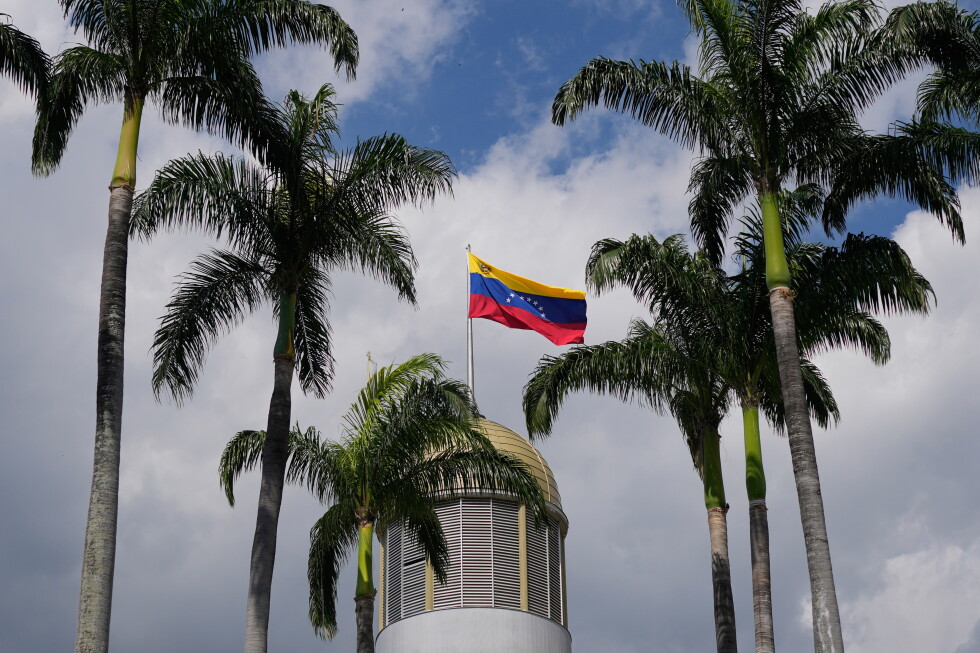
  • Venezuela’s acting president defends country’s territory and rejects Trump’s 51st state remarks

    Venezuela’s acting president defends country’s territory and rejects Trump’s 51st state remarks

    THE HAGUE, Netherlands — During closing arguments at a high-stakes International Court of Justice (ICJ) territorial hearing on Monday, Venezuela’s acting President Delcy Rodríguez publicly pushed back against an extraordinary remark from former U.S. President Donald Trump, who recently claimed he was “seriously considering” recognizing Venezuela as the 51st U.S. state.

    The hearings, which concluded this week, center on a long-running territorial dispute between Venezuela and neighboring Guyana over the Essequibo region — a 62,000-square-mile territory that accounts for two-thirds of Guyana’s current land area. The resource-rich region holds extensive gold, diamond, and timber reserves, and sits adjacent to massive offshore oil deposits that currently produce 900,000 barrels of crude daily, a volume nearly matching Venezuela’s total daily output of 1 million barrels and lifting Guyana from one of South America’s smallest economies to a major global energy player.

    Addressing reporters after her court appearance, Rodríguez made clear Venezuela has no interest in becoming part of the United States. Standing on the ICJ’s public platform, she emphasized, “We will continue to defend our integrity, our sovereignty, our independence, our history.” She added that Venezuela is “not a colony, but a free country,” noting that the country remains open to constructive dialogue with U.S. officials. “Venezuelan and U.S. officials have been in touch and are working on cooperation and understanding,” she said.

    Trump first made the 51st state comment during an interview with Fox News earlier on Monday, as shared on social media by Fox co-anchor John Roberts. The White House has not yet issued an official response to requests for comment on the remark, which is not unprecedented for Trump: he has previously floated similar suggestions about absorbing Canada into the U.S.

    Before responding to Trump’s comment, Rodríguez laid out Venezuela’s formal legal position to the ICJ’s panel of international judges on the Essequibo dispute. The territorial conflict stretches back more than a century: Venezuela has claimed the region as its own since Spanish colonial rule, when the jungle territory fell within its administrative boundaries. A 1899 arbitration ruling, led by representatives from Britain, Russia and the U.S., redrew the border along the Essequibo River and awarded almost the entire region to what is now Guyana. Venezuela has long contested this decision, arguing a 1966 Geneva agreement negotiated between the two sides effectively invalidated the 19th century ruling.

    The current legal process at the ICJ was triggered in 2018, three years after U.S. energy giant ExxonMobil announced major oil discoveries off the Essequibo coast. Guyana brought the case to the United Nations’ highest court, asking judges to formally uphold the 1899 border decision. Rodríguez called Guyana’s move “opportunistic,” noting that “at a time when the mechanisms established in the Geneva agreement were still fully in force, Guyana unilaterally chose to shift the dispute from the negotiating arena to a judicial resolution. This change was not accidental; it coincided with the discovery in 2015 of the oil field that would become world-renowned.”

    Tensions between the two South American nations escalated sharply in 2023, when then-President Nicolás Maduro held a national referendum on converting Essequibo into a Venezuelan state and threatened military annexation of the region. Maduro was ousted from power in January during a U.S. military operation in Caracas, captured, and taken to New York to face federal drug trafficking charges, to which he has pleaded not guilty. Rodríguez assumed the acting presidency following the operation.

    In opening remarks to the court last week, Guyana’s Foreign Minister Hugh Hilton Todd described the dispute as “a blight on our existence as a sovereign state from the very beginning,” noting that 70% of the country’s current territory is at stake in the ruling.

    The ICJ is expected to take several months to issue a final, legally binding decision on the case. Venezuela has repeatedly stressed that its participation in the hearings does not constitute consent to or recognition of the court’s jurisdiction over the dispute, maintaining that only direct bilateral negotiations aligned with the 1966 Geneva agreement can deliver a lasting resolution to the conflict.

  • Indigenous Amazon groups urge the UN to curb organized crime, not militarize territories

    Indigenous Amazon groups urge the UN to curb organized crime, not militarize territories

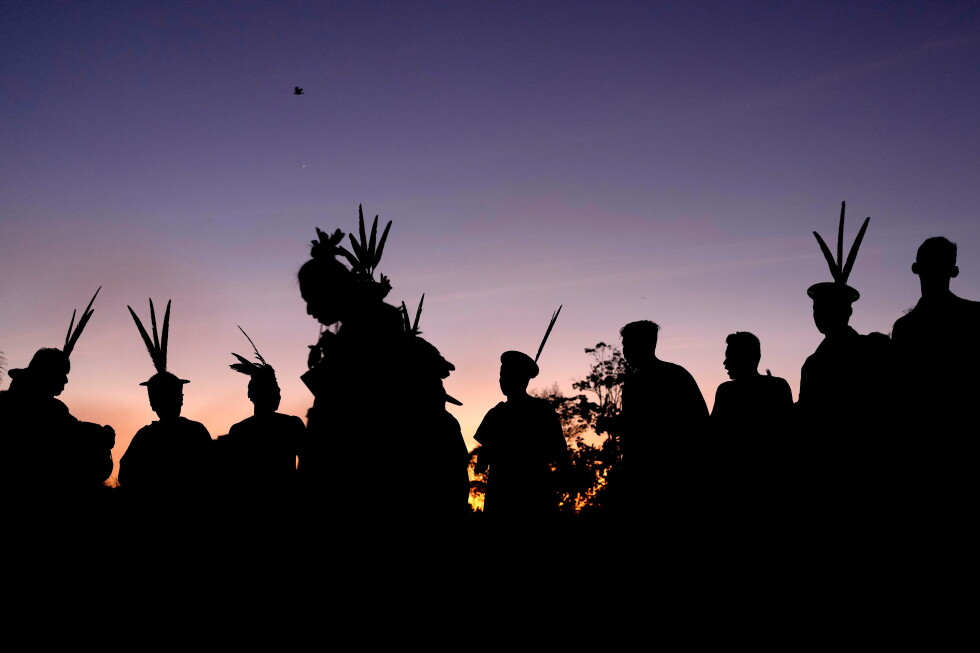
    BOGOTA, COLOMBIA – Indigenous collectives spanning the Amazon basin and Latin America are set to deliver a formal letter to the United Nations on Monday, sounding the alarm that transnational organized criminal networks—engaged in illegal mining, drug trafficking, and unregulated logging—are fueling deadly violence and speeding up irreversible environmental destruction across Indigenous rainforest territories. In a key policy demand, the groups are pushing global leaders to reject the heavy-handed militarized crackdowns that many regional governments have deployed to address the crisis, arguing these measures do more harm than good to Indigenous communities.

    The open letter, addressed to all UN member states and specialized agencies including the UN Office on Drugs and Crime (UNODC) and the UN Permanent Forum on Indigenous Issues, details how criminal syndicates are expanding their control across large swathes of the Amazon and other Indigenous-held lands across Latin America, putting at risk local communities, fragile ecosystems, and traditional Indigenous self-governance structures. Signatories emphasize that the spread of these illegal activities is eroding centuries-old Indigenous governance systems, while directly threatening the communities that have long served as the most effective stewards of one of the planet’s most biologically diverse regions.

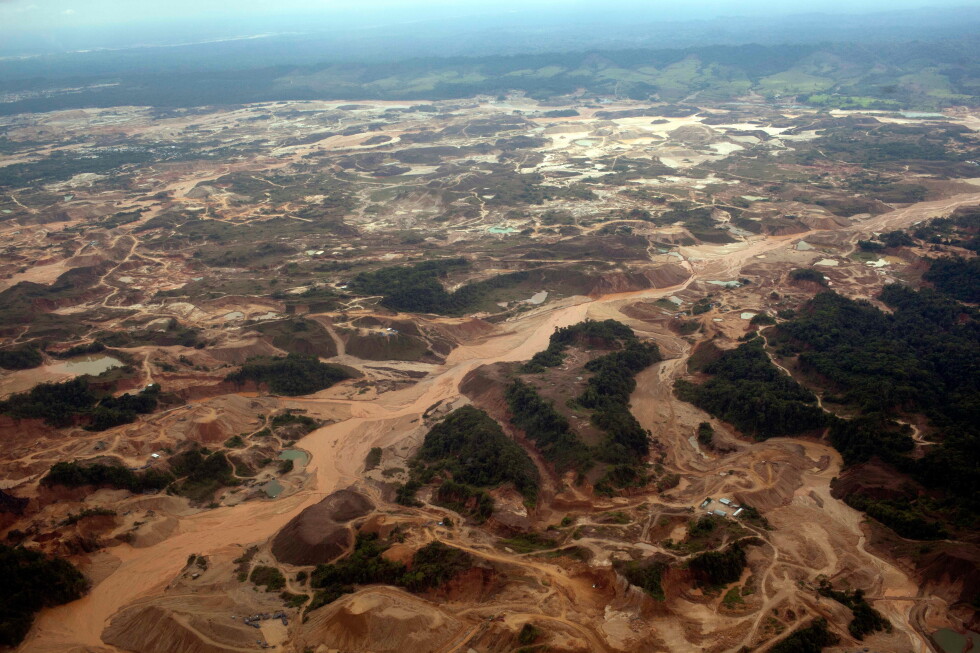
    The appeal arrives at a moment when Amazonian Indigenous communities increasingly find themselves trapped between two advancing forces: expanding criminal operations and heavy state security deployments. Over the past decade, illegal gold extraction, unlicensed logging, and drug trafficking routes have pushed deeper into the remote rainforests of Brazil, Peru, Colombia, and Ecuador, leaving a trail of violence, toxic mercury pollution, and widespread deforestation in their wake.

    International human rights organizations and independent UN experts have repeatedly warned of a sharp rise in targeted attacks against Indigenous leaders and environmental defenders, tied directly to disputes over land access, natural resources, and control of illicit regional economies. Data from advocacy group Global Witness shows that between 2012 and 2024, at least 2,253 land and environmental defenders have been killed or disappeared globally, with Latin America accounting for more than 80% of these deadly cases. Many of these attacks occur in the Amazon, and rights groups note that the vast majority of these killings never result in prosecutions or convictions—one recent high-profile example is the 2023 murder of Indigenous defender Quinto Inuma Alvarado in Peru, who repeatedly spoke out against illegal logging and drug trafficking in his territory; five men are currently on trial for his killing, a rare case that has reached the courts.

    Raphael Hoetmer, Western Amazon Program Director at Amazon Watch, an advocacy group that supports Indigenous rights and environmental protection, told the Associated Press that the letter reflects a sharp escalation in urgency among Indigenous organizations as criminal threats spread across the region. “More and more Indigenous Peoples are experiencing the violence and impacts of illicit economies in their territories, so it is higher on the agenda,” Hoetmer explained in a written statement. “Even four years ago this was not a central topic for most of our partners, but now it is one of the central topics for the wide majority.”

    Hoetmer added that the growing control of organized crime is reshaping daily life across most of the Amazon basin, with consequences that extend far beyond the region. “The expansion and control of organized crime and violent conflict is taking over more and more of the Amazon, becoming a risk to their ways of living and to the global climate,” he said.

    Of all the illegal activities plaguing the region, unregulated small-scale gold mining has emerged as one of the most damaging drivers of deforestation and toxic contamination, with mercury from mining operations leaching into rivers and food chains across large parts of the Amazon. Armed criminal groups and trafficking networks have also moved to seize control of strategic river transport routes and resource-rich Indigenous lands, creating an interconnected criminal ecosystem where different illegal activities reinforce one another.

    “Drug trafficking in the Amazon often connects with illegal mining, logging and land grabbing — a criminal ecosystem where environmental degradation disproportionately impacts local populations and Indigenous people,” explained Jeremy Douglas, Deputy Director of Operations for UNODC, in pre-written comments to AP. Douglas noted that addressing the crisis requires a targeted approach: “Pushing back requires territorial protection, prioritizing environmental crimes, and cooperation against transnational organized crime networks active across the Amazon.” At the time of sharing his comments, UNODC had not yet received the Indigenous organizations’ letter, and the agency noted that Douglas’s comments did not constitute an endorsement of the document’s contents. UNODC added that its regional offices across Latin America are already collaborating with Indigenous communities and national governments to strengthen territorial protections and crack down on environmental crimes linked to organized crime networks. The AP did not receive a response from the UN Permanent Forum on Indigenous Issues requests for comment ahead of publication.

    The letter bears the signatures of nearly every major Indigenous organization across the Amazon, including the Coordinator of Indigenous Organizations of the Amazon River Basin (COICA), Brazil’s national Indigenous umbrella group APIB, Peru’s leading Indigenous organization AIDESEP, and Ecuador’s CONAIE, alongside dozens of regional Indigenous federations and global advocacy groups.

    Ercilia Castañeda, vice president of CONAIE, Ecuador’s largest Indigenous organization, pointed out that regional governments have increasingly responded to rising organized crime and illegal mining with widespread militarization, a strategy that has consistently failed to resolve the crisis for Indigenous communities. “Militarization has not provided answers,” Castañeda said. Instead, she explained, militarized deployments have forced many Indigenous communities from their traditional lands, leaving residents living in constant fear and suffering long-term psychological harm. “It has affected their relationship with the land, with the water, with sacred sites, with their spiritual life,” she said. “We are talking about a deterioration of the identity and life of Indigenous peoples.”

    Herlín Odicio, vice president of Organización Regional AIDESEP Ucayali (ORAU), which represents Indigenous communities in Peru’s Ucayali Amazon region, said criminal groups have adapted their operating strategies in recent years to maintain control of Indigenous territories. “Organized crime in Indigenous territories has changed its strategies significantly,” Odicio said in a phone interview with AP. “They no longer make direct threats. Now they use other strategies.” Odicio explained that criminal networks are increasingly infiltrating local political structures and election campaigns to entrench their influence and continue operating with impunity. He added that the expansion of organized crime has exploited deep existing inequalities in Indigenous communities, where widespread poverty and a persistent lack of basic state services leave many young people vulnerable to recruitment into illegal activities. “They recruit young people to work as ‘mochileros,’” he said, referring to low-level couriers who transport drugs and illegal supplies across remote rainforest terrain. “Then, in the end, when they no longer want them or do not want to pay them, they kill them.” Odicio also warned of a growing crisis of sexual exploitation of Indigenous girls in communities and border areas controlled by criminal groups, with some victims as young as 13 or 14.

    In the letter, Indigenous organizations warn that government responses focused exclusively on military force are likely to worsen conditions for Indigenous communities if they fail to recognize formal Indigenous territorial rights and legitimate traditional self-governance systems. “In light of this situation, it is essential that responses to organized crime and illicit economies do not translate into new processes of militarization, criminalization, or the subordination of Indigenous governance systems,” the letter states.

    The groups are calling on the UN Permanent Forum on Indigenous Issues to launch a formal, dedicated study on the impact of organized crime and illicit economies in Indigenous territories, and are urging all UN agencies to center Indigenous perspectives when developing regional anti-crime and anti-corruption policies. Castañeda reiterated that the stakes of inaction could not be higher for Indigenous peoples across the Amazon: “We are talking about a deterioration of the identity and life of Indigenous peoples.”

    This reporting on climate and the environment by The Associated Press is supported by funding from multiple private foundations. AP retains full editorial control over all content. More information on AP’s ethical standards for philanthropic partnerships, a full list of supporters, and funded coverage areas is available at AP.org.

  • BBC visits Argentine city in hunt for hantavirus outbreak origins

    BBC visits Argentine city in hunt for hantavirus outbreak origins

    A team from the British Broadcasting Corporation has launched an on-site investigation in the southern Argentine city of Ushuaia, working to unpack the origins of a dangerous hantavirus outbreak linked to the Dutch expedition vessel MV Hondius. Located on the edge of Tierra del Fuego, billed as the world’s southernmost city, Ushuaia has emerged as the key suspect in the spread of the virus that has already sickened multiple people who sailed on the vessel.