标签: Oceania

大洋洲

  • Whale of a time: Humpbacks set new distance record

    Whale of a time: Humpbacks set new distance record

    Marine biologists have announced an extraordinary discovery that rewrites our understanding of humpback whale migration: two individual humpbacks have completed unprecedented transoceanic journeys between Brazil and Australia, setting new world records for the longest recorded travel distance in the species. The international research team, whose findings are published in *Royal Society Open Science*, pieced together the whales’ multi-decade odysseys using unique identifying markings on their tail flukes, with contributions from both professional scientists and recreational amateur photographers who snapped photos decades apart. The study’s lead author, Cristina Castro, a marine biologist with the Pacific Whale Foundation based in Ecuador, shared that these open-ocean crossings are entirely unlike any movement previously documented for the species. While individual whales have occasionally been spotted straying slightly outside their established migratory paths, the scale of these journeys far exceeds any previously recorded deviation, Castro explained.

    What makes this tracking possible is the fact that every humpback whale bears a one-of-a-kind pigment pattern on the underside of its tail fluke, a natural marker as distinct as a human fingerprint that allows researchers to identify individual animals across decades and vast distances. To trace the two whales’ paths, the team analyzed more than 19,000 photos collected between 1984 and 2005 from locations across eastern Australia and Latin America, running the images through a custom image recognition algorithm to find potential matches, then manually verifying each candidate to confirm the identities of the wandering whales. The first of the two record-breaking whales was first photographed and documented in 2007 in Hervey Bay, a well-known humpback habitat on Queensland’s east coast, and spotted again at the same location in 2013. Six years after that second sighting, the same whale was photographed off the coast of São Paulo, Brazil’s most populous coastal state. The straight-line distance between the Australian and Brazilian sighting points measures approximately 14,200 kilometers, or 8,800 miles; researchers note that the whale’s actual total travel distance is likely even longer, as its exact route between the two points remains unknown. The second whale took the reverse route across the South Pacific: it was first photographed swimming alongside eight other adult humpbacks off the coast of Bahia, Brazil in 2003. Nearly 25 years later, in 2025, the same whale was spotted and confirmed in Hervey Bay, Australia, with a straight-line distance of 15,100 kilometers between the two sightings. This journey surpasses the previous record for the longest recorded humpback migration, which was set by a whale that traveled more than 13,000 kilometers from Colombia’s Pacific coast to Zanzibar off the eastern coast of Africa.

    For Southern Hemisphere humpback whales, migratory routes are deeply entrenched cultural behaviors. Most populations live in distinct, well-separated pods and follow the same fixed route year after year, moving between cold, nutrient-rich feeding grounds in polar waters and warm tropical breeding grounds where they give birth and mate. Castro notes that these routes are passed down socially: mother humpbacks teach the traditional migratory paths to their calves when they are young, cementing the patterns across generations. That makes these extraordinary deviations all the more surprising, and researchers are now exploring multiple potential explanations for why the two whales strayed so far from their expected paths. One leading hypothesis ties the unusual movement to human-driven climate change, which is altering ocean conditions, food availability, and traditional migration corridors in ways that are still not fully understood. Castro explains that increasing environmental pressure or disturbance to the whales’ original feeding and breeding habitats could push more individual animals to venture far beyond their traditional ranges in search of more suitable conditions, while changes in the distribution of their prey could also encourage long-distance exploration.

    Beyond rewriting what we know about humpback migration capacity, these long-distance crossings also carry ecological benefits for the species. After being hunted to the brink of extinction by commercial whaling in the 20th century, humpback whale populations have made a remarkable rebound across much of their global range over the past 50 years. When whales travel between previously isolated breeding populations, they introduce new genetic material that boosts overall genetic diversity, strengthening the long-term resilience of the species. The wandering whales may also drive cultural exchange among humpback populations: male humpback whales are famous for their long, complex songs, which spread rapidly through populations as individuals copy new melodies. If a male from one isolated breeding population travels to a new region and sings his native song, he can introduce entirely new musical themes that spread through the local population, creating a lasting cultural shift. Researchers say the discovery highlights the value of long-term photo identification projects that combine scientific data with contributions from citizen scientists, to reveal unexpected behaviors in one of the ocean’s most iconic inhabitants.

  • Families of Beirut strike victims vow to fight for justice

    Families of Beirut strike victims vow to fight for justice

    In the shadow of a shattered nine-story residential building in central Beirut’s upscale Tallet al-Khayat district, two childhood neighbors bound by shared grief have made a solemn promise: they will not rest until those responsible for the death of their families are held accountable. The April 8 Israeli airstrike that reduced their family home to rubble came just hours after a U.S.-Iran ceasefire was announced, part of a broad wave of air attacks across Lebanon that killed over 350 people on a day now etched into Lebanese collective memory as Black Wednesday.

    Wael Sabbagh, a 52-year-old businessman based in Mexico, lost his mother Afaf and brother Hassan in the attack. Ghida Krisht, a 41-year-old aid worker based in another Beirut neighborhood that was also hit that day, saw her parents – 70-year-old renowned poet Khatoun Salma and 72-year-old Mohammed – and a relative who had fled earlier bombardment in southern Lebanon’s Tyre killed alongside them. For decades, their families had lived in the quiet building, believing they were far enough from conflict zones to be safe.

    Sabbagh first learned of the strike through social media, scrolling through footage of destroyed buildings until he made the devastating confirmation that his childhood home had been targeted. “I lost my mother, my brother, my home, my childhood,” he told reporters, smoking one cigarette after another as he stood amid concrete rubble and splintered wood. “Nine people were killed in this building. They get talked about as if they were just statistics, but each of them was a loved one, a whole life cut short.”

    Among the ruins, the two grieving relatives have recovered small, devastating mementos of the lives lost. Sabbagh found a dented metal bracelet that belonged to his brother Hassan, who wore it the day he died; it took rescuers three full days to identify his brother’s remains, and Sabbagh now wears the bracelet on his own wrist. He also pulled a crumpled scrap of his mother’s bedspread, chunks of the family dining table, and a intact red sofa cushion from the debris, and later used a crane to reach a half-damaged upper floor and retrieve his mother’s photo album. Krisht, meanwhile, found her mother’s purse, holding the last poem Salma ever wrote by hand.

    Krisht recounted the agonizing hours after she learned of the strike: she called her parents repeatedly, only to get no answer. When she finally reached the site, rescuers would not let her see her parents’ disfigured remains – she identified them only by her mother’s signature red nail polish on her hand.

    Now, Sabbagh and Krisht are building a comprehensive legal case to pursue accountability through international justice channels, a path only one other person has taken so far this year: French-Lebanese artist Ali Cherri, who launched legal action in France after his parents were killed in an earlier 2024 Israeli strike on a Beirut residential building. The pair acknowledge the road ahead will be long and fraught with barriers, noting that hundreds of other victim families lack the financial resources, connections, or emotional capacity to pursue legal action.

    “We do have a voice, we are connected, and we are emotionally strong enough, despite everything we have lost, to demand accountability,” Sabbagh said. Krisht added: “We want to gather all the testimonies and evidence we can to document this and build a complete case. We cannot be silent about what happened. We want to pursue international justice and be an example for other families who have lost loved ones.”

    Israeli military officials stated shortly after the strike that they had targeted a Hezbollah commander in Beirut, later identifying the target as Ali Yusuf Harshi, who they claimed was the personal secretary and nephew of Hezbollah Secretary-General Naim Qassem. Hezbollah has never confirmed Harshi’s death. Sabbagh insists the building held no weapons, no military assets, and no political activity, giving no justification for the attack that killed nine civilians.

    The full casualty list from the Tallet al-Khayat strike tells the story of unintended civilian harm that has marked the months-long conflict: on the third floor, an elderly man, his son, and their Ethiopian housekeeper were killed. The pair shared a surname with Harshi, the target Israel claimed to have killed. The building’s owner, who lived on the eighth floor, was also killed. Krisht’s family and Sabbagh’s died on the sixth and seventh floors respectively, far from any alleged target location.

    Since cross-border conflict between Israel and Hezbollah reignited on March 2, Lebanese official data puts the total death toll from Israeli attacks at more than 3,000 people. For Sabbagh and Krisht, every step they take through the ruins of their family home, every memento they recover, and every piece of evidence they collect for their legal case is a step toward honoring the people they lost – and demanding that the world does not forget what happened here.

  • ‘Flaming flog’: Wild moment barefoot Aussie catches alleged fuel thief in the act, chases them off barefoot

    ‘Flaming flog’: Wild moment barefoot Aussie catches alleged fuel thief in the act, chases them off barefoot

    In a dramatic late-night incident captured on home surveillance cameras, a vigilant Gold Coast resident chased off an alleged fuel thief from his business property while responding barefoot to the crime, with the viral footage now being used to help police identify the suspect.

    James Longstaff, a 23-year-old who works out of Molendinar, was up working on an overnight video editing project around 1:30 a.m. Wednesday when he happened to check his live CCTV feed. What he spotted at first looked like a suspicious figure loitering near his work truck parked outside the building, but a closer look confirmed his worst fears: the stranger was actively siphoning diesel from the vehicle’s tank.

    Instead of waiting for police or backing away from the confrontation, Longstaff acted on instinct. Grabbing only his phone, he rushed straight out of his business and onto the street to confront the would-be thief—never stopping to put on shoes. The viral footage he later posted to his Instagram account shows him approaching the truck as the suspect scrambled into their waiting ute and attempted to make a quick escape.

    As the ute pulled away, Longstaff can be heard shouting in disbelief at the thief, who left the siphon pump hanging on the side of the road, leaking spilled diesel onto the pavement. In a moment of dry, dark humor after the suspect fled, Longstaff joked that he had ended up with a free new pump, before calling the alleged culprit a “flog”.

    In a surprising twist, the suspect apparently circled back to the area just minutes after the first confrontation, only to flee a second time when Longstaff ran back outside to confront them again.

    Speaking to 7News after the incident, Longstaff said his response was purely impulsive. “It was just a one-second response really. I was like ‘screw this guy’,” he explained. He also noted that the rising cost of fuel, which has created widespread financial strain for motorists and businesses across Australia, makes targeted fuel theft even more unfair to hardworking owners. Longstaff uploaded the footage to social media with one clear goal: to help local police track down and identify the alleged thief, who remains at large. As of Thursday, the video has been viewed thousands of times, drawing widespread attention to the late-night encounter.

  • Iran Guards warn of war beyond Mideast as Trump repeats threats

    Iran Guards warn of war beyond Mideast as Trump repeats threats

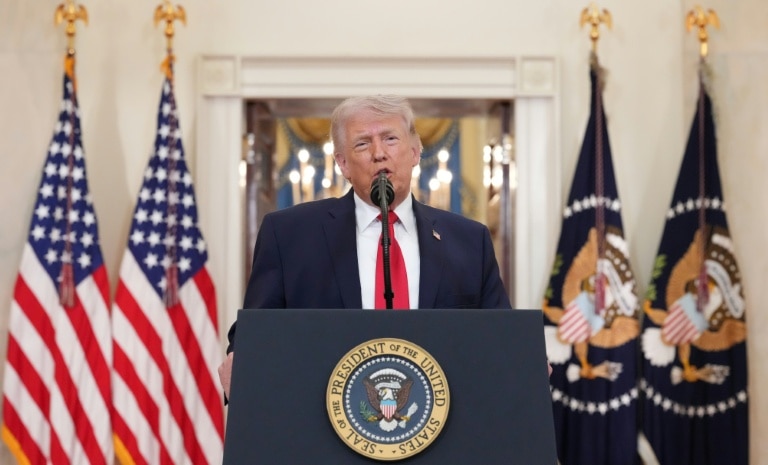
    Tensions between Washington and Tehran have reignited this week, as top Iranian security officials issued a stark warning that any resumption of U.S.-Israeli military aggression would trigger a conflict that spills far beyond the Middle East. The new bellicose rhetoric comes just days after former President Donald Trump doubled down on threats of fresh military strikes against Iran if no negotiated settlement is reached, marking the latest volley in a war of words that has replaced open fighting since an April 8 ceasefire.

    The brief open conflict between the two nations sent shockwaves through global energy markets, disrupting trade and driving up fuel prices worldwide. While neither side appears eager to return to full-scale combat, the ceasefire that paused active fighting has failed to resolve core disputes, leaving diplomatic negotiations led by Pakistani mediators as the only active path toward a lasting formal end to hostilities.

    Trump, who has faced growing domestic pressure over surging U.S. energy costs tied to the conflict, doubled down on his hardline stance during remarks on Tuesday. Framing the current negotiating dynamic as one of U.S. dominance, he claimed Iran is desperate to reach an agreement because of battlefield losses. “You know how it is to negotiate with a country where you’re beating them badly. They come to the table, they’re begging to make a deal,” Trump said. He added that while he preferred to avoid renewed conflict, he remained open to ordering another major military strike if no acceptable deal materializes — a threat he has issued multiple times in recent weeks without following through.

    Even as diplomatic efforts continue, top U.S. officials have kept military pressure in the public discourse. On Tuesday, Vice President JD Vance told reporters that while “a lot of good progress is being made” in talks, the U.S. military remains “locked and loaded” and ready to act if needed.

    Iran’s Revolutionary Guards hit back with a forceful warning of their own in an official statement published Wednesday on their Sepah News website. The statement said that if U.S.-Israeli aggression against Iran resumes, a long-threatened regional war will this time spread far beyond Middle Eastern borders, and promised “devastating blows” to defeat attacking forces. “The American-Zionist enemy… must know that despite the offensive carried out against us using the full capabilities of the world’s two most expensive armies, we have not deployed the full power of the Islamic revolution,” the statement read.

    Diplomatic activity has ramped up in recent days as Pakistan works to keep negotiations on track. Iran’s official news agency IRNA, citing anonymous diplomatic sources, confirmed Wednesday that Pakistan’s interior minister will travel to Tehran for talks this week — his second visit to the Iranian capital in less than a week.

    The most intractable sticking point in ongoing talks remains the status of the Strait of Hormuz, the strategic waterway that carries roughly one-fifth of the world’s daily oil and liquefied natural gas supplies. While the ceasefire halted active fighting, it has not restored full transit through the strait, leaving global markets in limbo. As countries draw down pre-conflict oil stockpiles, fears of prolonged supply disruptions and sustained high energy prices have grown, with ripple effects felt across the global economy.

    The impact of rising fuel costs is already being felt in vulnerable economies across the globe. In Kenya, which relies heavily on Gulf energy imports, public transport networks have completely shut down amid mass protests over fuel prices. Four Kenyan protesters were killed and more than 30 injured in Tuesday’s unrest, Kenyan Interior Minister Kipchumba Murkomen confirmed to reporters.

  • Kylie Minogue reveals she had second cancer diagnosis in 2021

    Kylie Minogue reveals she had second cancer diagnosis in 2021

    Global pop icon Kylie Minogue has dropped a deeply personal bombshell in her new self-titled Netflix documentary, sharing that she received a second cancer diagnosis in early 2021, nearly 16 years after her first battle with breast cancer in 2005. The 57-year-old Australian superstar opened up about keeping the diagnosis and subsequent treatment private for years, saying that she was not ready to share her struggle with the public until now.

    “My second cancer diagnosis was in early 2021. I was able to keep that to myself, not like the first time,” Minogue shared in the three-part docuseries, which dropped globally on Netflix Wednesday. “Thankfully, I got through it, again, and all is well. Hey, who knows what’s around the corner, but pop music nurtures me… my passion for music is greater than ever.”

    Minogue explained that she struggled for years to find the right moment to go public with her second diagnosis, especially as she experienced a massive career resurgence with her Grammy-winning 2023 hit single *Padam Padam* and the critically acclaimed album *Tension*. At the height of her comeback success, she said she was still grappling with the emotional aftermath of her treatment, and did not feel obligated to open up before she was ready.

    “I don’t feel obliged to tell the world, and actually I just couldn’t at the time because I was just a shell of a person,” she said. “I didn’t want to leave the house again at one point. Padam Padam opened so many doors for me but on the inside I knew that cancer wasn’t just a blip in my life. And I really just wanted to say what happened so I can let go of it. I’d sit through interviews and every opportunity I thought, ‘now’s the time’, but I kept it to myself.”

    While Minogue kept her second battle private, she left subtle clues for fans on her 2023 *Tension* album. The track *Story* includes lyrics that directly reference her hidden struggle: “I had a secret that I kept to myself / Turn another page, baby take the stage.” Minogue noted that the lyrical nod served as a quiet marker for a challenging period of her life that she was not yet ready to discuss openly. Directed by Michael Harte, the same filmmaker behind the hit 2023 David Beckham documentary series, the project gave Minogue the space to finally share her story on her own terms.

    The singer, who discovered her second cancer during a routine check-up, said she chose to go public now to encourage others to prioritize their regular health screenings. She hopes her experience will serve as a gentle reminder for people not to put off critical check-ups, noting that early detection was key to her positive outcome. “Early detection was very helpful and I am so grateful to be able to say that I am well today,” she added in promotional materials for the documentary.

    Minogue’s first breast cancer diagnosis in 2005 made global headlines, forcing her to cancel the remaining dates of her Showgirl greatest hits tour and withdraw from a headline slot at Glastonbury Festival’s Sunday legends stage to undergo chemotherapy and radiotherapy. Unlike her second diagnosis, her first battle was widely publicized, drawing an outpouring of support from fans around the world and public messages of encouragement from fellow public figures.

    As one of the first major female celebrities to speak openly about a breast cancer diagnosis in the 2000s, Minogue was widely praised for raising public awareness of the disease. Her openness triggered a surge in women booking breast cancer screenings, particularly in her home country of Australia, where the trend became widely known as the “Kylie effect”.

    In the documentary, Minogue also opened up about a little-known detail of her 2005 treatment: she postponed chemotherapy to undergo multiple rounds of IVF, in the hope of conceiving a child before starting cancer treatment. “I was 36 when I got my diagnosis so already it’s – you need to be thinking about children,” she explained. “So I did try, I even postponed my chemotherapy to try, which was quite scary at the time because you just want it out, gone. If it had happened it would have been just shy of a miracle. But it didn’t work out that way.”

    After receiving the all-clear following her first treatment, Minogue later revealed in 2008 that she had originally been misdiagnosed, with medical providers initially telling her she had no reason to worry. She would eventually make her long-awaited Glastonbury debut 14 years after her planned set, taking the Pyramid Stage in 2019 with a career-spanning greatest hits set that became the most-watched performance in the festival’s history. The iconic performance capped off a decades-long career that has seen Minogue evolve from a soap opera star on Australia’s *Neighbours* to one of the best-selling pop artists of all time, with global hits including *Can’t Get You Out Of My Head* and *Spinning Around*. Just last December, she extended her late-career resurgence by claiming a rare UK Christmas number one double, topping both the singles and album charts.

    The new documentary pulls together decades of never-before-seen archive footage and new interviews with close friends, family and collaborators, including Minogue’s sister Dannii, former *Neighbours* co-star and ex-boyfriend Jason Donovan, and long-time musical collaborator Nick Cave. At the documentary’s launch event this week, Minogue was joined by both Dannii and Donovan to celebrate the release of the project. For the pop star, opening up about her second cancer battle is about more than just closing a difficult chapter of her life – it’s about reminding fans that even global superstars face unspoken struggles, and she wants them to know she is not invincible.

  • Tributes flow for pioneering doctor, former NSW Young Australian of the Year Dr Nikhil Autar following death at age 32

    Tributes flow for pioneering doctor, former NSW Young Australian of the Year Dr Nikhil Autar following death at age 32

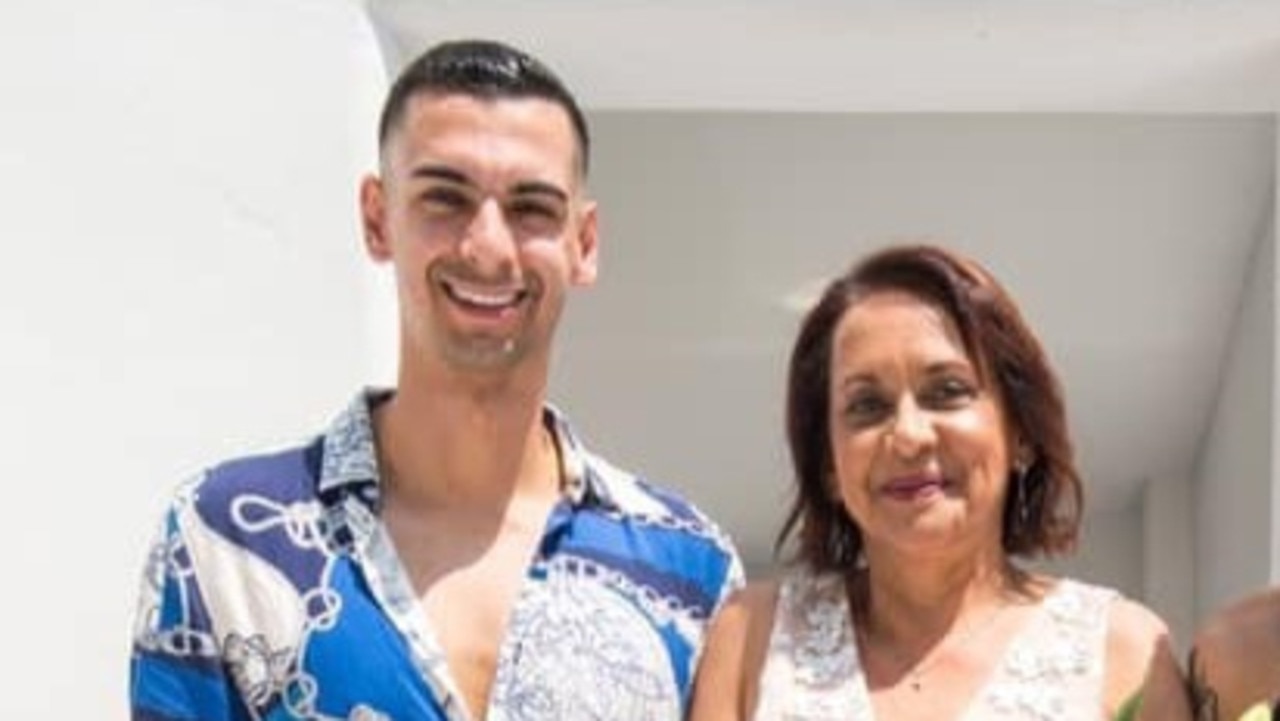
    The Australian community is mourning the loss of one of its most inspiring young leaders, Dr. Nikhil Autar, a former New South Wales Young Australian of the Year who passed away at the age of 32 after a lifetime defined by overcoming adversity and lifting up vulnerable populations.

    Dr. Autar’s first battle against hardship came when he was just 17 years old, when a life-altering leukemia diagnosis upended his teenage years. Rather than letting the diagnosis derail his dream of practicing medicine and serving others, he pushed forward with his medical training, ultimately earning his degree from Western Sydney University and building a career dedicated to equitable care.

    In recognition of his extraordinary courage and relentless service, Dr. Autar was named NSW Young Australian of the Year in 2024, an honor that reflected his far-reaching impact across multiple social causes beyond clinical medicine. A passionate advocate against gender-based violence, he was a co-founder of Doctors Against Violence Towards Women (DAVTW), the organization that confirmed his passing in a devastating public statement shared to social media.

    “It is with profound grief that we share the news of the passing of our beloved co-founder, Dr Nikhil Autar,” the group wrote. “There are people who move through the world quietly making it better. Dr Nikhil Autar was one of them and DAVTW would not exist without him.”

    DAVTW co-founder Dr. Anita Hutchison shared personal reflections on Dr. Autar’s unique character, highlighting the selflessness that drove all his work. “There was something about his approach, the selflessness, that made me trust him. He did not want anything from us. He just wanted to help,” Hutchison wrote.

    Dr. Autar’s advocacy extended to accessibility for people living with disabilities, a cause he turned into tangible change through technological innovation. He developed Knia (Know In Advance) Maps, a custom mobile application that helps people with disabilities navigate hospitals, university campuses, and other public venues with greater ease and independence. He also launched Breen Health, a social enterprise that delivers low-cost medical devices to low-income and vulnerable patients, while helping raise AU$500,000 to fund research into pressure sore prevention and medical device innovation.

    Tributes have poured in from across the country from public figures, colleagues, and community members whose lives Dr. Autar touched. Former Australian of the Year Richard Scoyler and his wife, Dr. Katie Nicoll, shared their condolences in a public post, remembering Dr. Autar as a model of compassionate living. “We are deeply saddened following the passing of Nikhil Autar, a remarkable Australian who showed us all the importance of living with compassion, kindness and a never-ending commitment to helping others,” they wrote. “Nikhil’s determination and courage, coupled with his humility and wonderful sense of humour shone brightly.”

  • Teenager makes Aussie history after becoming nation’s youngest person to reach the summit of Mount Everest

    Teenager makes Aussie history after becoming nation’s youngest person to reach the summit of Mount Everest

    An 18-year-old Melbourne native has etched her name into Australian mountaineering history after successfully reaching the summit of Mount Everest, the world’s highest peak, to claim the title of the nation’s youngest person to complete the formidable ascent.

    Bianca Adler, a Year 12 student, touched the 8,848-meter (previously commonly cited as 8,200 meters in early reporting) summit in Nepal in the early hours of Wednesday local time, arriving at approximately 2:30 a.m. — which translated to 6:30 a.m. back in her Australian hometown. Immediately after securing her place in the history books, Adler placed a triumphant radio call to her father Paul, a seasoned mountaineer who accompanied her on the early stages of the expedition.

    In the call, Adler shared that despite feeling generally well, she was contending with severe alpine conditions. “I feel really good, but the weather is really bad,” she told her father. Accompanied by her local Nepalese guides Pemba and Ngdu, Adler began her descent from the dangerous peak shortly after capturing quick photos at the summit, as the team prioritized a prompt exit from the high-altitude danger zone.

    Speaking to Australian Broadcasting Corporation after the call, Paul Adler opened up about the risks that come with high-altitude Everest expeditions. “It’s extremely dangerous up there and you feel very nervous for your life,” he said, adding that his daughter reported extreme cold and strong wind when they spoke. Paul Adler himself climbed Everest in 2007, and Bianca’s mother Fiona Adler — who became the third Australian woman to summit Everest in a previous climb — also joined the pair for the early segments of the expedition.

    Fiona Adler spoke of the family’s overwhelming pride in her daughter’s years-long effort to reach her goal. “She was very determined and motivated to do this. We are extremely proud of what she has done — just having a goal and a dream and working many years towards it. It is a very proud moment for us,” she said.

    Before launching their final ascent attempt, the whole family spent a full month acclimatizing on lower Nepalese peaks and visiting Everest’s Camp 2, before a one-week rest period at Everest Base Camp to prepare their bodies for the extreme altitude. The final push began with a 1 a.m. departure through the dangerous Khumbu Icefall, after which the team rested at Camp 1. They proceeded onward to Camp 2, where Paul Adler ended his participation in the climb. Two nights later, Bianca Adler continued her push toward the summit alongside her guides.

    Even as she made her way back down the mountain, Adler acknowledged the extreme physical toll of the expedition. In an audio recording shared after the summit, she said: “I feel pretty awful, but I still have to go to Camp 2. I’m just resting, I’m just trying to take it one step at a time. It’s really tough.”

    Adler’s achievement breaks the previous record for the youngest Australian Everest summiter, which was held by Gabby Kanizay, who reached the peak at age 19 in 2022.

  • Humpback whales make record swims between Australia and Brazil

    Humpback whales make record swims between Australia and Brazil

    Two individual humpback whales have completed the longest documented transoceanic journeys ever recorded for their species, traveling thousands of kilometers between breeding grounds off Australia and Brazil, according to new research published Wednesday by an international team of marine scientists.

    The research team relied on a massive dataset of more than 30,000 photographs of distinct humpback whale tail flukes, a unique identifying marker for every individual, to confirm the two massive mammals had been sighted on opposite sides of the South Atlantic Ocean. The first whale was first photographed off the coast of Queensland, Australia in 2007, and was spotted again near São Paulo, Brazil in 2019 — covering a straight-line distance of 14,200 kilometers, or roughly 8,823 miles. The second individual was observed off Brazil’s Bahia coast, before being re-sighted 22 years later in Australia’s Hervey Bay, a journey of 15,100 kilometers. Researchers confirmed these crossings set a new record for the longest distance between verified sightings of a single humpback whale.

    Growing up to 17 meters long and weighing as much as 40 tons, humpback whales are already famous for long annual migrations between Antarctic feeding grounds and tropical breeding areas, but these transoceanic crossings between separate breeding regions are extraordinarily rare, the study authors noted.

    Despite their infrequency, these cross-regional journeys play a critical role in supporting the long-term resilience and health of global humpback whale populations, explained Stephanie Stack, a PhD researcher at Australia’s Griffith University and co-author of the study. When individual whales move between geographically distant breeding populations, they introduce new genetic material that maintains overall genetic diversity, a key factor in helping populations adapt to long-term environmental change. Stack added that traveling whales may also carry new humpback whale song patterns between regions — a striking parallel to how music trends spread through human cultures, since humpback songs are a socially learned cultural trait that spreads across entire ocean basins.

    The new findings also add further empirical support for a longstanding ecological hypothesis called the Southern Ocean Exchange. This theory proposes that after humpback whales gather to feed in the shared feeding grounds of the Southern Ocean around Antarctica, some individuals do not return to their original breeding grounds, instead settling into an entirely new breeding region on a different continent.

    Researchers from Griffith University noted that climate change is altering the Southern Ocean ecosystem in ways that may make these long-distance crossings more common in coming decades. Shifts in sea ice coverage and changes to the distribution of Antarctic krill — the tiny shrimp-like crustaceans that are the primary food source for humpback whales during their feeding season — may push more whales to seek out new breeding routes and areas after feeding, leading to more frequent cross-ocean exchanges.

  • Car rolls and crashes near Sydney Harbour Bridge during peak-hour traffic, trio escape uninjured

    Car rolls and crashes near Sydney Harbour Bridge during peak-hour traffic, trio escape uninjured

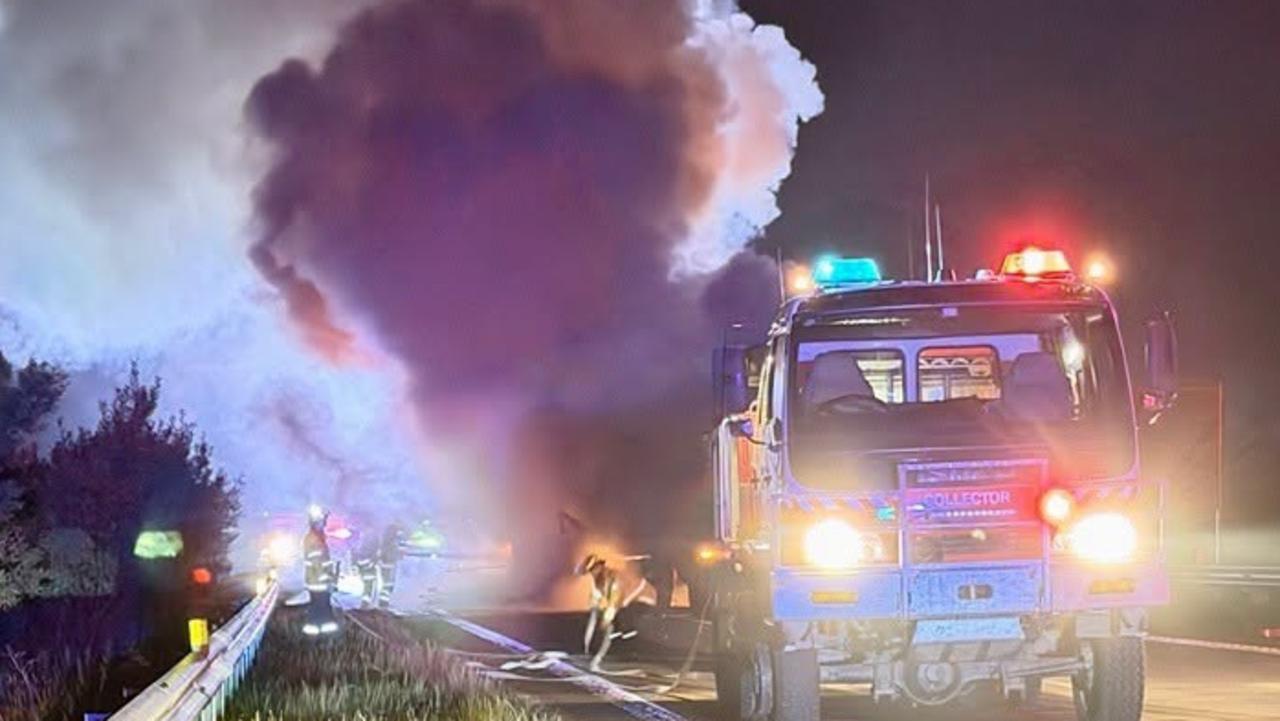
    A sudden and dramatic multi-vehicle collision disrupted Wednesday evening commuter traffic near one of Australia’s most iconic landmarks, the Sydney Harbour Bridge, in a chaotic incident that ended with a surprisingly positive outcome. Emergency services were first alerted to the crash just after 4:15 p.m. on Wednesday, with multiple response teams dispatched to the site, located south of the Sydney Harbour Bridge near Millers Point, along the Western Distributor Freeway – a major artery carrying thousands of peak-hour commuters daily.

    Initial response confirmed that three passenger vehicles, each carrying only a single driver, were involved in the collision that resulted in one vehicle rolling over completely in full view of surrounding traffic. The incident immediately created traffic snarls that rippled through the wider Sydney CBD road network, as visual footage from the scene captured the flipped vehicle blocking key lanes near the bridge approach.

    By the time NSW Ambulance paramedics arrived at the scene roughly 15 minutes after the initial call, all three drivers had already managed to exit their vehicles on their own. Responding medical teams conducted full on-site injury assessments for every driver involved, and to the relief of emergency personnel, not a single person required transport to hospital for further treatment. As of 5:00 p.m. Wednesday, ambulance crews were preparing to clear the scene, with no major harm reported to any of those involved.

    NSW Police have confirmed their presence at the site to coordinate response efforts and manage traffic flow. Authorities have issued a public advisory urging motorists to plan alternative routes and avoid the affected area entirely, as official traffic diversions remain in place to accommodate vehicle recovery and road clearance work. This is a developing story, with updates expected as more details about clearing operations and full traffic resumption become available.

  • NSW beauty therapist banned for five years after patient left in ICU from horror injection mishap

    NSW beauty therapist banned for five years after patient left in ICU from horror injection mishap

    A New South Wales beauty practitioner has been stripped of her right to work in the health and beauty industry for half a decade, after an unapproved cosmetic procedure left a 62-year-old client fighting botulism in intensive care.

    Huirong Zhou, who also goes by the professional name Katrina Zhou, has operated Rui Mei Beauty Salon in Burwood since 2014. Holding qualifications only in remedial massage, beauty therapy, and laser hair reduction, Zhou advertised services ranging from semi-permanent makeup and manicures to specialized advanced facial treatments. What she did not hold, however, was council approval to conduct any skin penetration procedures—work that includes the cosmetic injectable treatments she was secretly offering at the unlicensed site.

    The case came to official attention in mid-October 2025, when the client filed a formal complaint against the salon just days after developing worrying symptoms. For two weeks, the 62-year-old woman struggled with dysarthria (slurred speech) and dysphagia (difficulty swallowing), two hallmark signs of iatrogenic botulism—botulism caused by medical or cosmetic procedures. She was first admitted to Canterbury Hospital before being transferred to Concord Hospital’s intensive care unit, where clinicians administered life-saving botulinum antitoxin. Even after treatment, the patient continues to experience persistent impairment to her swallowing and speech function.

    Five days after the initial complaint, an interagency regulatory team launched an on-site inspection of Zhou’s salon. What officers uncovered painted a clear picture of widespread regulatory non-compliance: a large stockpile of unapproved, overseas-sourced therapeutic goods, including unregistered Botox, dermal fillers of unknown origin, and other cosmetic injectables not cleared for clinical use in Australia. Also seized were unapproved needles, syringes, saline solution, antiseptics, and local anaesthetic creams potent enough to qualify as restricted Schedule 4 prescription medication.

    Beyond the illegal stock of medical products, inspectors also flagged serious gaps in basic infection control protocols and a complete failure to maintain required patient treatment records. In its formal decision published this week, the New South Wales Health Care Complaints Commission ruled that Zhou poses an unacceptably severe and continuous threat to public health and safety.

    The permanent-style ban took effect immediately from the order’s issuance, barring Zhou from providing any form of health service to the public—whether paid or on a voluntary basis—for a full five years. The case has renewed calls for tighter surveillance of unlicensed cosmetic procedures in suburban Australian beauty salons, where unregulated injectable treatments have emerged as a growing public health risk across the country.