标签: Oceania

大洋洲

  • Immigrants ‘destroying’ Australia, Pauline Hanson claims at CPAC dinner in London

    Immigrants ‘destroying’ Australia, Pauline Hanson claims at CPAC dinner in London

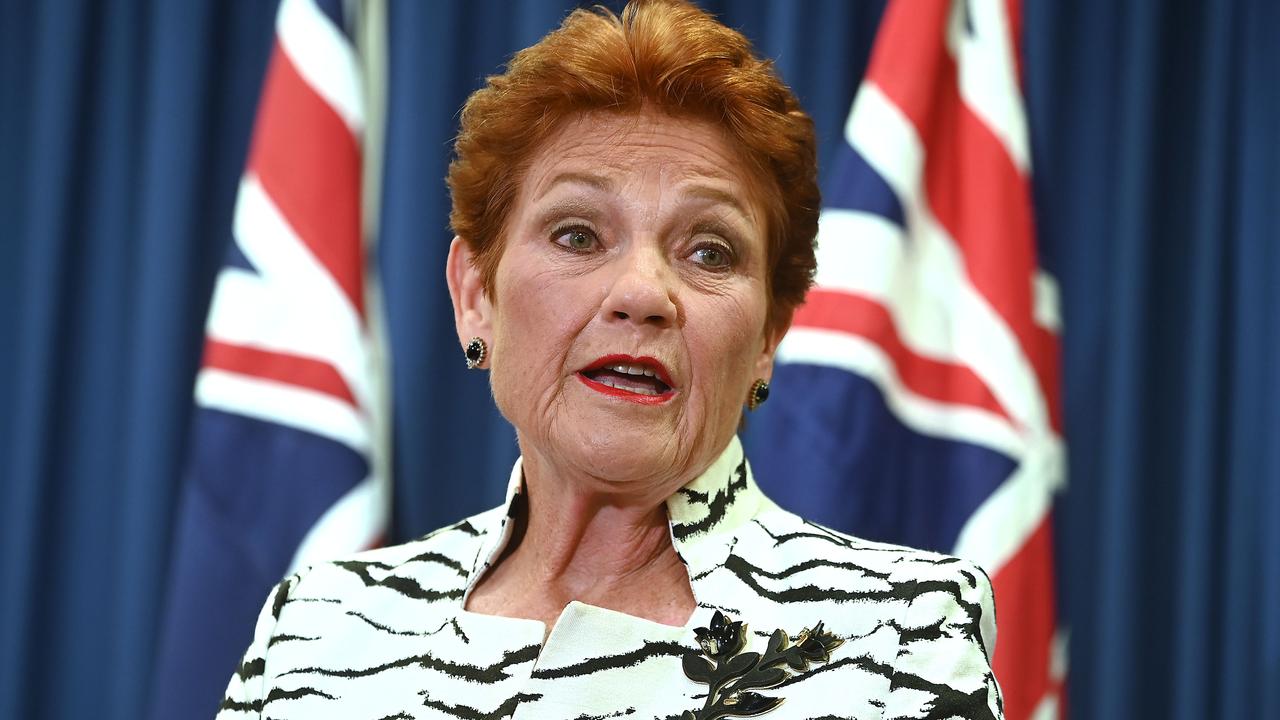
    One Nation party leader and Australian Senator Pauline Hanson has refused to walk back inflammatory remarks about the end of the race-based White Australia policy, doubling down on her anti-immigration rhetoric during a high-profile conservative gathering in London over the weekend. Just one day after sparking widespread public fury for comments lamenting the abolition of the century-old white-only immigration framework, Hanson addressed a black-tie dinner hosted by the Conservative Political Action Conference (CPAC), where she doubled down on her incendiary claims that mass immigration is ‘destroying’ Australia, mirroring what she claims is a crisis unfolding in the United Kingdom.

    Hanson’s latest controversial remarks center on a familiar critique that has defined her political career: she argued that global political leaders are failing to protect national sovereignty, arguing they are increasingly beholden to international special interests rather than the needs of their own domestic populations. She told the assembled conservative audience that the shifts Australia has experienced from decades of high immigration mirror the challenges she says the UK now faces. ‘I see in Australia the problems that you have in Britain. I see immigration is destroying our country as it has destroyed yours,’ Hanson told attendees.

    Hanson’s perspective on UK immigration was shaped by a recent guided tour of Luton, a town located 30 minutes northwest of central London that has become a flashpoint for debates over multicultural integration in the UK. Notably, her tour was led by far-right British activist Stephen Yaxley-Lennon, who is widely known by his professional pseudonym Tommy Robinson. Robinson has a lengthy criminal record that includes convictions for assault, stalking, and public order offenses, and he has previously faced formal investigations over his documented links to Russian state-backed propaganda networks. It was in a separate interview with Robinson that Hanson first made her remarks lamenting the end of the White Australia policy, triggering the initial wave of national and international backlash.

    In her CPAC dinner speech, which was first brought to public attention by *The Sydney Morning Herald*, Hanson also repeated a common grievance among right-wing nationalist circles: she claimed that white communities in both Australia and the UK are being forced to feel collective shame for their national histories and are labeled inherently ‘white privileged.’ She argued that majority populations are being pressured to abandon their long-held national identities to accommodate new immigrant communities, rather than expecting new arrivals to integrate into existing national culture.

    Hanson sought to frame her comments as not inherently anti-immigrant, noting that she has consistently supported immigration by people who commit to integrating into Australian society. ‘I have always welcomed people to Australia, a country built by the migrants that came there for a better way of life,’ she said. ‘And as I said at citizenship ceremonies: I welcome you as long as you give our country your undivided loyalty. But if you don’t, I’ll be the first one to take you to the airport, put you on plane, and wave you goodbye.’

    To contextualize the ongoing controversy, the White Australia policy was formally enshrined in Australia’s 1901 Immigration Restriction Act, a collection of racially discriminatory laws designed to block non-European immigration to preserve a nation dominated by white, British-origin populations. The framework was gradually rolled back through mid-20th century reform, before former Australian Prime Minister Gough Whitlam fully abolished the policy with bipartisan political support in 1973. The controversy has already drawn sharp condemnation from political opponents, with one senior Australian politician already comparing Hanson’s meeting with Robinson to a meeting with Italian fascist dictator Benito Mussolini, and more details on the political fallout are expected to emerge in coming days.

  • Man arrested, charged after alleged stabbing at Bondi Beach

    Man arrested, charged after alleged stabbing at Bondi Beach

    A violent late-night altercation at one of Sydney’s most iconic coastal destinations, Bondi Beach, has left one man hospitalized and another in police custody, after an alleged stabbing incident in the early hours of Saturday night. Emergency services responded to calls for assistance at approximately 11:15 pm on Warners Avenue, where officers located a 33-year-old man suffering from multiple stab wounds concentrated on his face and hands. First responders from New South Wales Ambulance provided urgent on-site medical care to the victim before transporting him to St Vincent’s Hospital. As of the latest update from police, the victim remains in a stable condition as he receives treatment for his injuries. Within a short window following the attack, law enforcement officers took a 32-year-old suspect into custody at a residential property on Ramsgate Avenue, where a crime scene has been cordoned off for forensic examination. The suspect was transported to Surry Hills Police Station for processing, where he was formally charged with reckless wounding. He has been denied bail and is scheduled to make his first court appearance on Sunday. Authorities have not yet released details on the suspected motive behind the attack, and the investigation remains ongoing, with additional updates expected to be released as more information becomes available.

  • Perth and Adelaide dominate list of Australia’s next million-dollar suburbs

    Perth and Adelaide dominate list of Australia’s next million-dollar suburbs

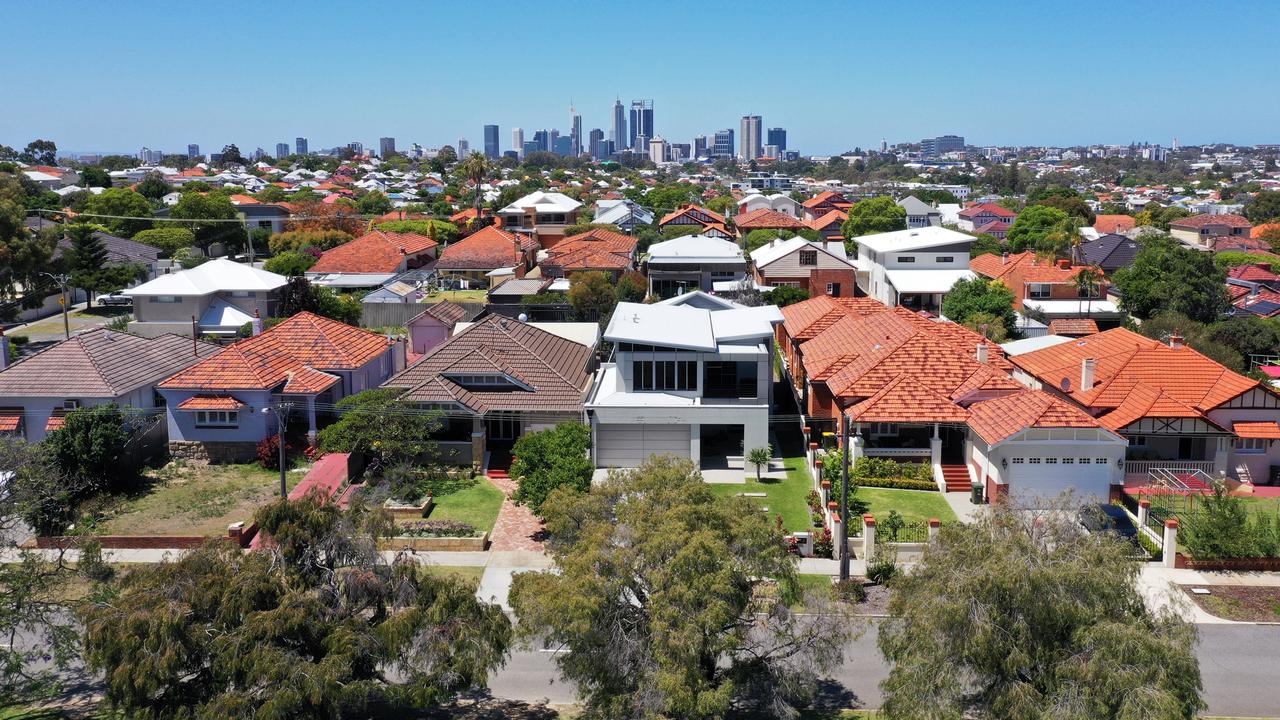
    Australia’s property market is shifting in unexpected ways, with two mid-sized capital cities outpacing the country’s traditional high-price hubs to top a new forecast of suburbs poised to hit a $1 million average house price within the next 12 months.

    Leading national real estate network Ray White Group conducted the targeted analysis to identify upcoming seven-figure suburbs, setting specific criteria for inclusion: neighborhoods must hold at least 2,500 existing homes, currently have an average property value between $900,000 and $1 million, and record enough annual price growth to cross the $1 million threshold in the coming year. Analysts also filtered out suburbs where investor ownership exceeds 19 percent to focus on owner-occupier focused markets.

    Contrary to long-held market expectations that link million-dollar price tags almost exclusively to Sydney and Melbourne, the final list is overwhelmingly dominated by suburbs from Perth and Adelaide. Nine of the 13 identified suburbs are located across Perth’s growing outer corridors, including High Wycombe, Marangaroo, Yangebup, Forrestfield-Wattle Grove, Wanneroo-Sinagra, Huntingdale-Southern River, Ballajura, Casuarina-Wandi and Hocking-Pearsall. Three Adelaide suburbs made the cut: Shadow Park-Trott Park, McLaren Vale and Golden Grove, while Darwin’s Howard Springs rounded out the ranking.

    Atom Go Tian, an economist with Ray White Group, explained that two key factors are driving the unexpected result. First, Perth and Adelaide are simply playing catch-up after years of lagging behind the east coast’s major property markets. Second, post-pandemic shifts in work and lifestyle priorities have reshaped where homebuyers are choosing to put down roots.

    “With far more flexible remote working arrangements now standard across many industries, there is far less pressure for Australians to live in the expensive major hubs of Sydney and Melbourne,” Go Tian noted. He added that the absence of Sydney and Melbourne suburbs from the list is not a sign of stagnation: most suburbs in those cities have already crossed the $1 million average price threshold, while any remaining affordable pockets tend to have higher investor ownership that excludes them from the study’s criteria.

    Go Tian also explained the geographic pattern within the two leading cities: inner-city suburbs in both Perth and Adelaide have already hit seven-figure price points, so growth is now pushing outward into historically affordable outer suburban areas. That trend is visible in Perth’s sprawling outer growth corridors and Adelaide’s southern and northern suburban belts, where all three of the city’s ranked suburbs are located.

    Western Australian property experts say Perth’s strong showing on the list comes as no surprise, pointing to years of consistent incremental growth that has put the market on this trajectory. Suzanne Brown, president of the Real Estate Institute of Western Australia (REIWA), described the growth across Perth’s broader suburban areas as “incredible” in recent years.

    “Perth has offered really strong property value for buyers in recent years – we have a beautiful state with a high quality of life that more people are discovering,” Brown said. She noted that Perth’s market hit a historic low point more than a decade ago, and has been steadily catching up to other capital city markets ever since. Brown also pointed to Western Australia’s long-term political stability as a draw for buyers, contrasting it with frequent changes to property tax and policy in other states like Victoria that have created uncertainty for local homeowners and investors.

    Brown echoed Go Tian’s observation that the Covid-19 pandemic unlocked permanent shifts in where Australians want to live. “Perth and Adelaide are both fantastic places to call home, and since the pandemic, more people have the flexibility to choose that,” she said. “If your role allows remote work, you don’t have to live in Melbourne to work for a Melbourne-based company anymore.”

    For homebuyers and investors watching the Australian market, the forecast signals a broader rebalancing of property prices across the country, as more affordable lifestyle-focused capital cities gain traction with a new generation of buyers reshaping market trends.

  • Ukrainian strikes on Russian warehouses kill 8, shroud skies in smoke

    Ukrainian strikes on Russian warehouses kill 8, shroud skies in smoke

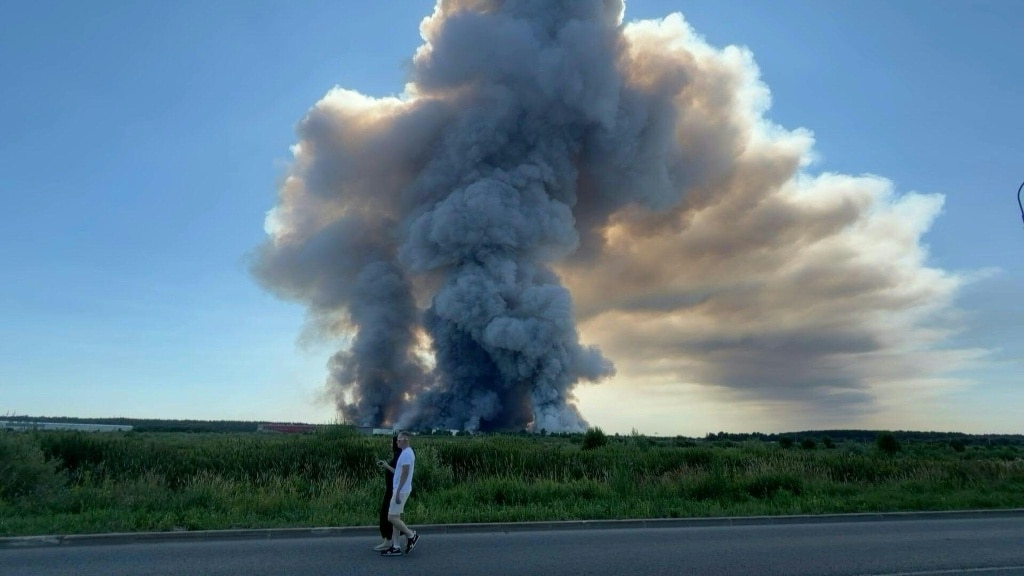
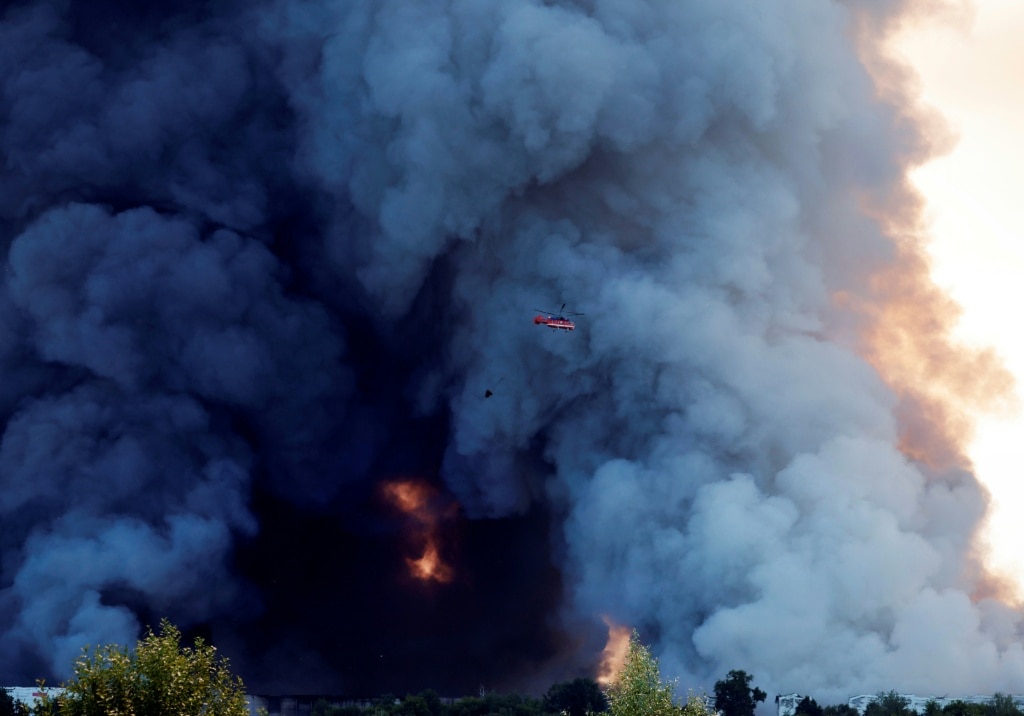
    In an escalation of cross-border military action, waves of Ukrainian explosive-laden drones targeted logistics facilities operated by Russia’s largest e-commerce retailer Wildberries in two Russian regions on Saturday, leaving eight people dead and nearly 90 others hospitalized. Large-scale fires sparked by the attacks filled the sky with thick black smoke that lingered for hours, marking one of the deadliest Ukrainian strikes on Russian civilian-linked infrastructure in recent months.

    The attack hit two separate Wildberries warehouses: one in the Tambov region, roughly 500 kilometers southeast of Moscow, and a second in Elektrostal, Moscow Oblast, where an oil depot and an empty kindergarten were also damaged. Seven night-shift workers were killed at the Tambov facility, regional governor Evgeny Pervyshov confirmed, while a eighth person died of injuries in a Moscow region hospital, according to Moscow Oblast governor Andrei Vorobyov. An empty kindergarten in Elektrostal was also struck, but no injuries were reported at that site. As of Saturday evening, firefighters were still working to fully contain the blaze at the Moscow Oblast warehouse, while the fire in Tambov had been fully extinguished.

    Wildberries CEO Tatiana Kim called the incident an unfathomable tragedy for the company and the country. “A terrible night, terrible events for our company and for our country. It is a pain that cannot be put into words,” Kim said in a statement. An AFP correspondent on the scene observed thick black smoke billowing over the Moscow region from early Saturday morning through late afternoon.

    The strike comes as part of Kyiv’s months-long intensification of long-range attacks on Russian territory, a campaign Ukrainian officials describe as “long-range sanctions” and retribution for more than four years of Russian bombardments on Ukrainian civilian and infrastructure targets. To date, this campaign has primarily targeted Russian oil infrastructure, contributing to widespread fuel shortages across nearly 90% of Russia’s regions since June — a disruption to daily life unprecedented since the full-scale invasion began. For Russian civilians, this has meant long daily lines at petrol stations, a sharp shift from years of abundant, low-cost fuel that remained cheaper than prices across Western Europe.

    Ukrainian President Volodymyr Zelensky explicitly claimed responsibility for the attack in a post on the social platform X, confirming the targeting of the two logistics facilities. Zelensky alleged the warehouses were being used to store sanctioned components for Russian drone production and military navigation equipment, framing the strike as a direct response to ongoing Russian attacks on Ukrainian civilian infrastructure.

    Concurrent with the strike on Russian territory, new Russian bombardments across southeastern Ukrainian regions killed five people and wounded nearly 20 others, according to local reports. The cross-border attacks come amid a broader stalemate on the main front line, where Ukraine has managed to slow Russia’s ongoing summer offensive but has not made significant territorial gains of its own.

    The incident also unfolds against a backdrop of growing domestic unrest in Ukraine, where thousands of protesters have gathered for three consecutive days in major Ukrainian cities to oppose the surprise dismissal of popular Defense Minister Mykhailo Fedorov. Zelensky’s sudden government reshuffle, which removed the young, tech-savvy minister who led many of Ukraine’s key military innovation projects, has triggered rare public dissent during wartime. Diploatic efforts led by the United States to negotiate a end to the conflict remain stalled, as Washington has shifted its foreign policy focus to escalating tensions with Iran in recent weeks.

    Russian officials have reported a sharp surge in drone attacks targeting Moscow in recent weeks. Moscow mayor Sergei Sobyanin confirmed that more than 370 drones were launched toward the Moscow region during Saturday’s overnight attack alone, adding that nearly 1,892 Ukrainian drones targeting the capital were intercepted between July 11 and July 18.

  • Spain, Argentina tune up for World Cup final in smoggy New Jersey

    Spain, Argentina tune up for World Cup final in smoggy New Jersey

    As the 2026 FIFA World Cup co-hosted by Canada, Mexico and the United States heads toward its historic conclusion, two of football’s strongest national sides Argentina and Spain are wrapping up final preparations for Sunday’s championship match at MetLife Stadium in East Rutherford, New Jersey — all while a thick, choking smog from Canadian wildfires hangs over much of the eastern U.S.

    With only two matches left on the 104-game schedule for this expanded 48-team tournament, Saturday will first see the third-place playoff between 2022 runners-up France and European powerhouse England in Miami. Sunday’s main event, however, carries historic stakes for both finalists. Lionel Messi’s Argentina are chasing an unprecedented back-to-back World Cup title: if they win, they will become the first men’s side to defend the crown since Brazil’s legendary 1962 squad. For Spain, the match offers a chance to claim a second World Cup trophy, a decade and a half after their maiden win in South Africa in 2010.

    The match is set to draw a high-profile crowd of over 80,000 spectators, including former U.S. President Donald Trump, who will attend his first World Cup match during the tournament. Mexican President Claudia Sheinbaum also confirmed she would attend the final after accepting an invitation from Trump. On Friday, Trump hosted a reception for FIFA President Gianni Infantino at Trump Tower in New York, where he praised the 2026 tournament as the most successful sporting event “maybe in the history of the world.”

    Infantino echoed the praise with equally enthusiastic remarks, saying the tournament has “exceeded all expectations.” “The American dream, Mr President, came to reality. We united the world,” Infantino proclaimed, going on to call the 2026 World Cup “the greatest human, social, and cultural event that mankind has ever witnessed.” He even joked that FIFA is “the official happiness provider to humanity,” to which Trump quipped back: “Unless your team loses.”

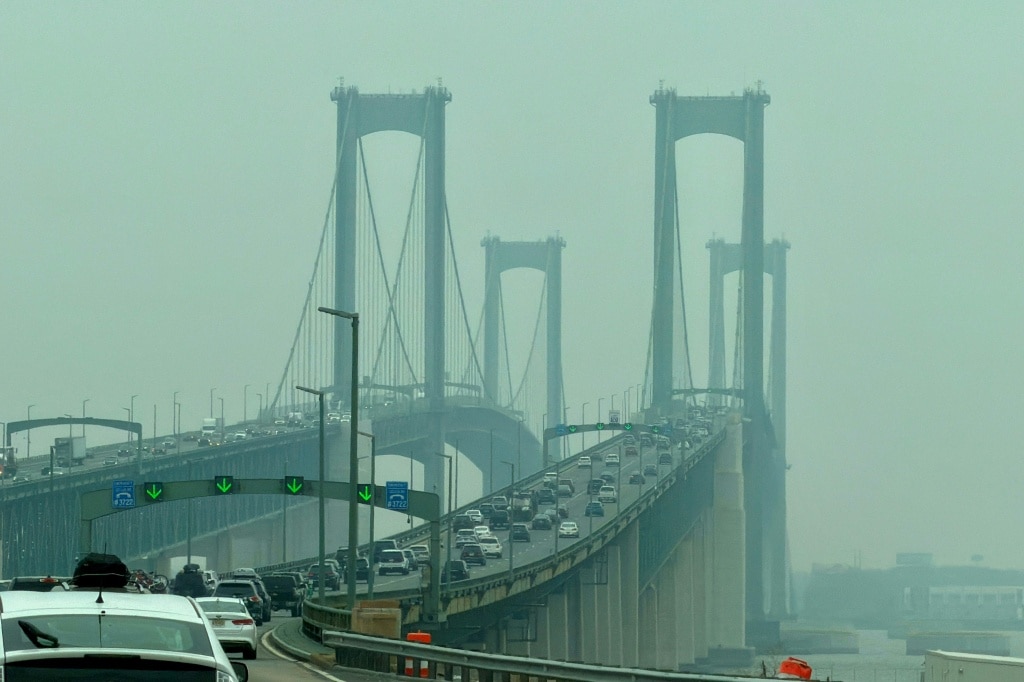
    The upbeat celebration, however, has been overshadowed by poor air quality across the Northeast U.S. Uncontrolled wildfires burning across Canada have sent thick, acrid smoke drifting south across the U.S.-Canada border, forcing residents in major cities from New York to Washington D.C. and across the Midwest to stay indoors due to unsafe air pollution levels. Air quality tracker IQAir reported that at one point Saturday, New York City ranked as the most polluted major city in the world, just ahead of Toronto and the U.S. capital.

    MetLife Stadium, located just across the Hudson River from New York in northern New Jersey, has not escaped the hazardous conditions. Early Saturday morning, New York’s iconic skyline was completely hidden by dense smog, with people venturing outdoors seen wearing protective face masks. Forecasters predict some relief may come via incoming heavy storms that could clear much of the smoke, but the weather system also carries risks of flash flooding and dangerous damaging winds.

    Beyond the unusual environmental conditions, Sunday’s final is widely expected to be the last World Cup appearance for Argentina’s captain Lionel Messi, the 39-year-old Inter Miami forward who is widely regarded as the greatest men’s footballer of all time. Heading into the match, Messi is tied with France’s Kylian Mbappé for the tournament’s Golden Boot lead, both having scored eight goals. Argentina head coach Lionel Scaloni urged fans to savor the chance to see Messi leading his side, calling him a legend who has already cemented his place in football history after leading Argentina to the 2022 Qatar World Cup title.

    Argentina, a three-time World Cup champion, has displayed a gritty never-say-die attitude throughout the 2026 tournament, highlighted by a dramatic late comeback win over England in the semi-finals that booked their place in the final. In contrast, Spain has delivered an almost perfect run to the championship: La Roja has conceded just one single goal in seven matches on their way to the final, after a dominant semi-final win over France.

    Spain captain Rodri said his side is preparing for a physical, hard-fought encounter with Argentina, and that the team has trained to adapt to whatever style of play Argentina brings. “It will be a more physical one, and we must be prepared,” he said. “But I believe that if we are known for something in this national team, it is that we know how to play different games based on the moment.”

    Sunday’s final will also make World Cup history with its entertainment lineup: it will host the first ever standalone halftime show in World Cup final history, with A-list performers Madonna and Shakira set to take the stage after the first half. Hollywood star Tom Cruise will perform during the pre-game closing ceremony ahead of kickoff.

    Looking ahead to Saturday’s third-place match, both beaten semi-finalists England and France are focused on ending their tournaments on a high note. England head coach Thomas Tuchel acknowledged that his side’s 2-1 last-minute semi-final defeat to Argentina left a lasting mark on the squad. “It is our scar that we carry now. It is a very painful defeat, and we have to live with this defeat,” he said. For France head coach Didier Deschamps, Saturday’s match will be his final game in charge of Les Bleus, and he pledged his side would play with pride, saying there would be no tears from his side ahead of the fixture.

  • Wildfire haze hangs over eastern US — and World Cup final

    Wildfire haze hangs over eastern US — and World Cup final

    A thick, acrid blanket of wildfire smoke drifted south from raging Canadian blazes to engulf much of the eastern United States on Saturday, creating dangerous air quality conditions across major population centers and casting uncertainty over the 2026 FIFA World Cup final scheduled for Sunday at an open-air New Jersey stadium located just across the Hudson River from New York City.

    As of Saturday morning, official data from the Canadian Wildland Fire Information System confirmed that more than 950 active wildfires were still burning uncontrolled across vast swathes of Canadian territory. The persistent wind patterns pushed plumes of toxic smoke across the U.S.-Canada border, triggering public health alerts from New England down to the Mid-Atlantic and into parts of the Midwest. By midday Saturday, global air quality tracker IQAir recorded that New York City had topped its list of the world’s most polluted major cities, with neighboring Toronto and Washington, D.C. ranking just behind the U.S. megacity.

    At MetLife Stadium, the venue for the highly anticipated final between Argentina and Spain, tournament officials confirmed they are closely monitoring the evolving air quality situation. Andrew Giuliani, executive director of the White House World Cup task force, shared the update during a press briefing Saturday. Across the river in New York City, the iconic skyline was completely obscured by dense grey haze, and most people venturing outdoors wore protective face masks to avoid inhaling the toxic fumes.

    Public officials across the region have issued urgent advisories urging residents to limit outdoor activity. New York City Mayor Zohran Mamdani called on locals to stay indoors and avoid unnecessary travel, warning that incoming weather systems bring both a potential end to the haze and new hazards. “Thunderstorms are expected to bring damaging winds strong enough to down trees and power lines, along with heavy rainfall that could cause flash flooding,” Mamdani posted on the social platform X. The U.S. National Weather Service echoed that warning, noting that the smoky conditions would persist across the region through Saturday afternoon, with the heavy storm system only expected to clear the area by evening.

    In Washington, D.C., the Department of Homeland Security and Emergency Management warned that air quality levels remained “unhealthy for at-risk groups” including children, the elderly and people with preexisting respiratory conditions, urging residents in the capital to cut down on extended time outdoors.

    Meteorologists noted that the incoming Saturday evening storms could deliver a partial reprieve: the heavy rainfall is expected to pull much of the suspended smoke particles out of the atmosphere, clearing the haze in time for Sunday’s match. But the same storm system carries significant risks of flash flooding and dangerous wind gusts that have already prompted flash flood warnings across the Northeast.

    The crisis has already sparked political controversy, with U.S. President Donald Trump placing full blame on Canadian authorities for the cross-border pollution. Trump accused Canada of “willful negligence” for “not properly maintaining” its forested lands, and threatened to impose new additional tariffs on Canadian imports in response to the crisis.

    Climate policy and public health advocates, however, have emphasized a broader root cause: repeated transboundary wildfire smoke events across North America are directly linked to human-caused climate change, which has created hotter, drier conditions across the Canadian boreal forest that increase the frequency and severity of extreme wildfire seasons.

  • Ukrainian strikes on Russian warehouses kill 8, shroud skies in smoke

    Ukrainian strikes on Russian warehouses kill 8, shroud skies in smoke

    In a sharp escalation of cross-border hostilities between Russia and Ukraine, waves of explosive-laden Ukrainian drones targeted key logistics facilities belonging to Russia’s largest e-commerce retailer Wildberries across the Moscow and Tambov regions on Saturday, leaving eight people dead and triggering massive infernos that filled the sky with thick, dark smoke for hours.

    The deadly attack marks a new phase in Ukraine’s months-long campaign of deep strikes into Russian territory, which Kyiv frames as justified retribution for more than four years of continuous Russian bombardment across Ukrainian soil. Dubbed “long-range sanctions” by Ukrainian officials, this campaign has previously focused heavily on Russia’s energy infrastructure, contributing to widespread fuel disruptions in one of the world’s top oil-producing nations.

    Saturday’s strikes specifically hit two core Wildberries warehouses, claiming the lives of eight night-shift workers and leaving both facilities nearly completely destroyed by fire. Wildberries CEO Tatiana Kim voiced profound grief over the incident, saying, “A terrible night, terrible events for our company and for our country. It is a pain that cannot be put into words.”

    An Agence France-Presse journalist on the ground observed dense black smoke billowing over the Moscow region from early Saturday morning, with the plume lingering until at least late afternoon. Evgeny Pervyshov, governor of the Tambov region located roughly 500 kilometers southeast of Moscow, confirmed seven night-shift employees were killed when an enemy drone struck the local Wildberries logistics center. In the Moscow region, where a second Wildberries warehouse and an adjacent oil depot were hit, regional governor Andrei Vorobyov announced one additional fatality after a wounded person died in hospital.

    As of Saturday evening, firefighters continued to battle the remaining blaze in Elektrostal, the Moscow town where the warehouse is located, while the fire in Tambov had already been fully extinguished. Vorobyov added that an empty kindergarten in Elektrostal was also damaged in the strike, though no additional casualties were reported at that site. Regional health officials confirmed that nearly 60 people sustained injuries in the coordinated attacks and were transported to local hospitals for treatment.

    Sergei Sobyanin, mayor of Moscow, released details of the unprecedented scale of the overnight drone assault, stating that more than 360 drones were launched toward the Moscow region alone. He added that between July 11 and July 18, Russian air defense systems intercepted nearly 1,900 Ukrainian drones bound for the capital.

    In a public post on X confirming the attack, Ukrainian President Volodymyr Zelenskyy framed the strike as a direct response to Russian attacks on Ukrainian civilian infrastructure. “In response to Russian strikes on our civilian infrastructure and on our cities and communities, two major logistics facilities were hit — in the Moscow and Tambov regions,” he wrote. Zelenskyy also alleged that the targeted warehouses were being used to store sanctioned components for Russian drone production and navigation equipment.

    The escalation comes amid a broader spike in cross-border hostilities: on the same day as the Wildberries strikes, Russian bombardment of the Ukrainian Black Sea port city of Odesa left one civilian dead and 13 others wounded, as Russian forces continue to ramp up attacks on key Ukrainian port infrastructure.

    Ukraine’s sustained campaign of strikes on Russian oil infrastructure has disrupted daily life across Russia more dramatically than at any previous point in the ongoing conflict. Data shows that fuel shortages have impacted nearly 90 percent of Russian regions since June, forcing long lines at petrol stations across the country — a marked shift from the pre-strike era, when fuel was consistently abundant and far cheaper in Russia than in most of Western Europe.

    Meanwhile, frontline fighting between the two sides remains largely deadlocked, with Ukrainian defenses slowing Russia’s planned summer offensive to a near standstill. Diplomatic efforts led by the United States to negotiate a end to the conflict remain stalled, as Washington has shifted its foreign policy focus to ongoing tensions with Iran.

  • US-Iran fighting escalates with infrastructure targeted

    US-Iran fighting escalates with infrastructure targeted

    Less than five weeks after the two sides signed a preliminary ceasefire deal meant to de-escalate months of open conflict, hostilities between the United States and Iran have surged to their most dangerous level in months, with both sides expanding attacks to critical civilian and military infrastructure across the Gulf region. What began as a series of limited tit-for-tat strikes has rapidly escalated into a widening conflict that now threatens to draw in neighboring US-aligned Gulf states, raising fears of a full-scale regional war.

    Iran launched coordinated retaliatory strikes across three Gulf nations on Saturday, responding to seven straight nights of US bombardment on Iranian territory that has killed more than a dozen people and disabled critical public services. According to officials in Kuwait, Iranian strikes hit one of the country’s oil processing facilities and a major power and water plant, forcing the shutdown of multiple power generation units. This marked the second consecutive day of attacks on Kuwaiti energy and water infrastructure: a Friday strike on the same power facility sparked an industrial fire and extensive structural damage. Kuwaiti state oil representatives confirmed unspecified injuries and property damage from the Saturday oil facility strike, and local fire department personnel confirmed multiple firefighters were injured while extinguishing blazes ignited by the Iranian projectiles.

    In Bahrain, another key US military partner in the Gulf, Iranian military officials confirmed via state television that their forces targeted Sheikh Isa Air Base, a primary operating location for US forces in the region. Drones struck aircraft hangars, parking areas for military aircraft, US fuel storage depots, and connecting access roads on the base, Iranian military statements said. Bahrain’s army confirmed its air defense systems successfully intercepted and repelled the majority of the incoming Iranian strike wave.

    Jordan, a key northern US ally bordering both Iran and Syria, was also drawn into the escalation Saturday. Iranian state media reported that fuel storage tanks at Jordan’s Al-Azraq Air Base, another frequent US military operating site, were targeted in the strike. Jordan’s army announced it had shot down all 10 incoming missiles, with no recorded casualties or infrastructure damage from the failed attack.

    The sharp escalation comes after weeks of slowly building tension following the preliminary ceasefire agreement. Senior Iranian military officials have issued stark warnings that the country is abandoning its previous policy of proportional, like-for-like retaliation for US strikes. “Iran will no longer limit itself to retaliatory, matching responses… and no political border will be safe,” Major General Mohsen Rezaei, a top military adviser to Iran’s supreme leader, told state media Saturday. Rezaei added that if US strikes continue for another two to three days, Tehran will launch full-scale offensive operations against all hostile targets in the region.

    On the Iranian side, the damage from seven consecutive nights of US strikes has been extensive. Iran’s state-run IRNA news agency confirmed Saturday that US strikes in the southern Hormozgan Province have killed three people and wounded eight more. Local officials reported that 116 telecommunications towers were destroyed in the bombardment, cutting landline, mobile phone, and internet access across large parts of northern Hormozgan. In the southwestern Khuzestan Province, deputy provincial governor told Iran’s Tasnim news agency that the US has struck 95 separate locations across 12 cities over the past 10 days, killing eight people in the province alone.

    Critical public services have been disrupted across large swathes of southern Iran. Tasnim reported that US strikes on power facilities and desalination plant pumps in the village of Bonji have cut drinking water access to multiple nearby rural communities. Iran’s energy ministry has issued an urgent public appeal for residents to cut electricity usage and turn off air conditioning during peak demand hours, as the national power grid struggles to cope with widespread damage to generation and transmission infrastructure. As of Friday, Iran’s health ministry confirmed that 50 people have been killed and more than 500 wounded in the renewed fighting that erupted one week ago.

    Hope for a renewed diplomatic settlement to end the conflict has largely collapsed, even as regional mediators continue quiet efforts to bring the two sides back to negotiations. US President Donald Trump publicly threatened to target Iranian infrastructure earlier this week, though the White House has not issued any official confirmation of the ongoing strike campaign. The current round of violence was initially triggered by Iranian attacks on commercial shipping in the Strait of Hormuz, the strategic chokepoint through which roughly 20% of the world’s global oil supplies pass, which Iran has sought to control as leverage in negotiations. The Strait has been a central flashpoint since the war began in late February with a joint US-Israeli strike on Iranian nuclear and military facilities; Iran closed the waterway to commercial traffic shortly after the war began, and control over the route remains the core sticking point in peace talks.

    In response to the latest Iranian escalation, the US has reimposed a full naval blockade of Iranian ports, aiming to cut off the country’s critical oil export revenues that fund its military operations. On Saturday, Iran’s Revolutionary Guards claimed two oil tankers transiting the Strait had struck mines laid by the US, claiming the vessels were operating under US intelligence direction. The US military quickly issued a full denial of the Iranian claim. The Revolutionary Guards also announced Saturday that they had intercepted and stopped four commercial vessels attempting to transit the closed strait.

    Regional analysts warn the conflict is now on track to spiral out of control, as neither side is willing to back down for fear of appearing weak. “The paradox is that, while the conflict continues to escalate, neither side has a strategic interest in allowing this dynamic to continue. Yet both perceive any compromise as a form of capitulation,” explained David Khalfa, a Middle East specialist at the Paris-based Jean-Jaures Foundation, noting that the conflict is now drawing in a widening range of strategic infrastructure across the region that was previously untouched by hostilities.

  • The challenges facing UK’s next PM Andy Burnham

    The challenges facing UK’s next PM Andy Burnham

    When Andy Burnham accepts the keys to 10 Downing Street on Monday, he will step into a role that has seen rapid turnover: he will become the United Kingdom’s seventh prime minister in just 10 years. The former Greater Manchester mayor secured an overwhelming vote to take over as leader of the Labour Party this Friday, following Keir Starmer’s resignation last month. Political and economic analysts widely agree that Burnham inherits a lengthy, high-stakes to-do list, with many of the unresolved issues that forced his predecessors out of office now falling to his new administration.

    First on the agenda is addressing the persistent cost-of-living crisis that has left millions of UK voters struggling to cover basic expenses. Skyrocketing energy and food prices, spurred by the ongoing Russia-Ukraine war, have eroded household purchasing power for years, and voters are demanding urgent action to make daily life more affordable. Burnham’s room for policy maneuver is tightly constrained, however: the UK is grappling with stagnant economic growth, sky-high public debt, and binding fiscal rules that require the government to balance spending against tax revenue.

    In his first speech after being confirmed as Labour leader, Burnham laid out his core economic vision, promising to build a nation “where life is more affordable”. A central pillar of his growth strategy is devolving more governing power to regional economic hubs, a policy designed to unlock local potential that can drive national growth. As Philip McCann, a senior researcher at the Productivity Institute, explained, this approach shifts growth leadership outside London, turning underperforming regional economies into national growth engines. Burnham has also outlined plans to back small and medium-sized businesses, drive “reindustrialization” across former industrial regions, and expand public ownership of key public services including water, public transport, and energy. Early reporting from the *Financial Times* indicates he may loosen long-standing restrictions on new oil and gas drilling in the North Sea as a short-term measure to cut domestic energy bills for consumers. The ideological direction of his economic agenda will largely hinge on his upcoming pick for finance minister, a decision that has not yet been announced.

    A second major challenge is tackling the UK’s rapidly ballooning welfare budget, a problem Burnham has publicly acknowledged requires targeted reduction. His predecessor Starmer faced fierce backlash from both the public and his own party over proposed welfare reforms that included cutting winter fuel payments for low-income elderly pensioners. Starmer ultimately was forced to backtrack on the changes, a policy reversal that significantly eroded his public approval and contributed to his resignation. As a member of Labour’s soft left faction, Burnham faces intense internal pressure to avoid deep cuts to working-age and pensioner benefits, even as he must address the growing cost of the welfare system. He has also pledged to fix long-standing underfunding in the social care sector, a portfolio he first attempted to overhaul during his tenure as UK health secretary in 2009. With personal experience caring for a father living with Alzheimer’s, Burnham said in his Friday speech that he was “prepared to grasp the nettle” of reform, adding that the current social care system “is broken”.

    On the defence front, Burnham inherits a critical £4.7 billion (US$6.3 billion) funding gap in the Labour government’s four-year defence investment plan. The long-delayed strategy was published by Starmer’s government last month, but full delivery of the plan now falls to Burnham’s new administration. Beyond closing the funding gap, he faces growing pressure from within Labour and from key allies including the United States to further increase defence spending to meet NATO’s new target of devoting 3.5 percent of GDP to defence by 2035. Burnham has previously committed to taking full “responsibility” for funding the defence plan and making “no compromise” on UK national security.

    One of Burnham’s most pressing political challenges is reversing the flow of Labour voters to rival fringe parties, particularly the surging support for Nigel Farage’s hard-right, anti-immigration Reform UK. Labour has also lost support to the left-wing Green Party in recent years, with both parties making major gains in 2024 local elections — a shift that piled increasing pressure on Starmer to step aside for a leader who could reverse these losses. In his Friday speech, Burnham laid out a clear new political strategy, promising to build a “distinctly Labour” policy direction that is independent of both fringe parties. “We win by being us,” he said. “We won’t try to out-Green the Greens, or out-Reform Reform, or doing what we’ve done in the past of wearing too many Tory clothes.” London School of Economics politics professor Tony Travers said this signals a clear break from Starmer’s centrist approach. “What this signals is that the Labour Party under Burnham will want to try to win back voters from Reform and the Greens with a different offer,” Travers told Agence France-Presse.

    In foreign policy, Burnham will need to quickly navigate a complex and volatile global landscape. Top of the international agenda is building a working relationship with unpredictable U.S. President Donald Trump, who has already publicly labeled Burnham “extremely liberal”. According to Travers, Starmer maintained a relatively cooperative relationship with Trump until the escalation of the U.S.-Iran conflict, leaving Burnham to chart a new course for the special relationship. Beyond U.S.-UK relations, Burnham must manage the ongoing wars in Ukraine and the Middle East, two conflicts that have significant ripple effects on UK energy prices and domestic stability. So far, Burnham has signaled he will maintain broad continuity with Starmer’s widely praised foreign policy, retaining close ties to NATO and all key UK allies. “Our relationship with the US will remain critical as our most important defence and security ally. And Britain’s support for Ukraine will not waver,” Burnham wrote in a recent op-ed for *The Times*.

  • US-Iran strikes: latest developments

    US-Iran strikes: latest developments

    A rapidly escalating cycle of violence between the United States and Iran has sent shockwaves across the Middle East, entering its seventh consecutive day on Saturday with expanding cross-border strikes, regional spillover, and a stark threat from Tehran of all-out conflict if American attacks continue.

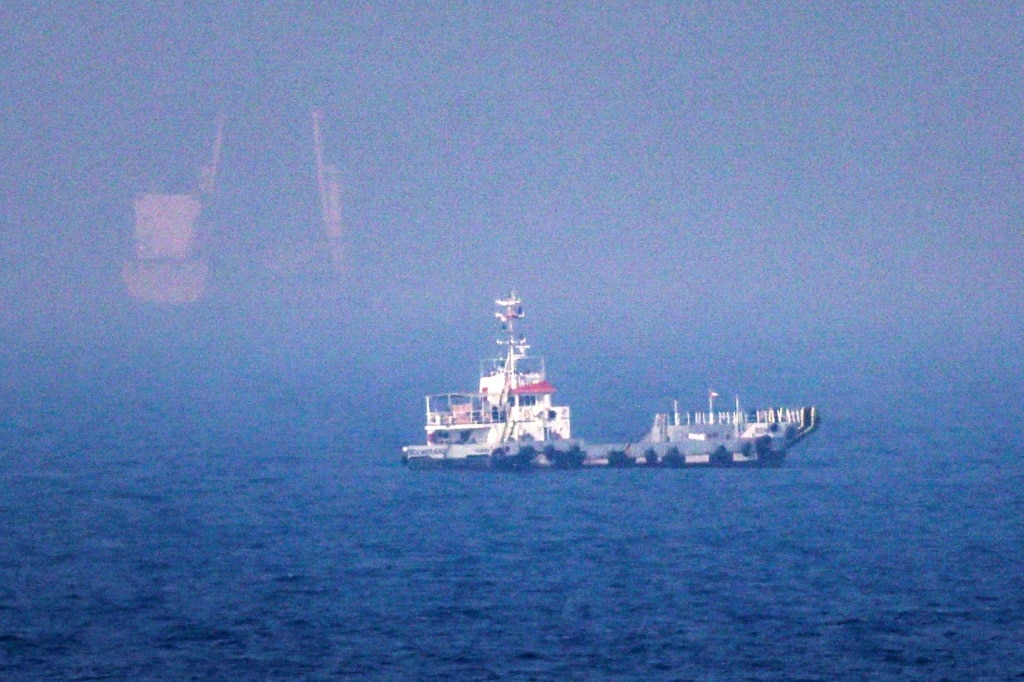
    The latest wave of hostilities has put key global energy infrastructure at severe risk, with the strategically critical Strait of Hormuz—the passage through which roughly 20 percent of the world’s daily oil shipments transits—remaining almost entirely cut off to commercial traffic over the weekend.

    US Central Command (CENTCOM), the American military’s regional headquarters, confirmed via social media platform X on Saturday that its forces had completed another round of targeted strikes against Iranian assets. A CENTCOM statement outlined that the attacks hit a range of key Iranian military assets, including surveillance outposts, military logistics hubs, underground weapons storage facilities, and maritime operations capabilities.

    The expanding conflict has already drawn in neighboring Gulf states, with multiple countries reporting intercepted attacks and damaged infrastructure over the 24-hour period. Bahrain’s military announced Saturday that its integrated air defense systems successfully intercepted and thwarted a wave of incoming Iranian strikes targeting its territory. An Agence France-Presse journalist based in the Bahraini capital Manama confirmed hearing loud explosions after air raid sirens sounded across the city. Bahrain is host to the United States Navy’s Fifth Fleet, a major regional American military installation, and Iranian state television confirmed Saturday that Iranian forces targeted this US-linked air base on Bahraini territory. Bahrain’s interior ministry confirmed air raid sirens were activated across the country, and earlier in the day both Bahrain and Qatar announced they had intercepted incoming ballistic missiles.

    To the north, Kuwait confirmed Saturday that Iran had struck one of its combined power and water desalination plants for the second consecutive day. The attack forced the temporary shutdown of multiple power generation units, Kuwaiti government officials confirmed. Kuwait’s military noted in a social media statement that local residents may hear explosions as its air defense systems work to intercept incoming hostile targets. Iran confirmed its strikes targeted two key military sites in Kuwait—Al-Adiri camp and Ali Al-Salem base—as well as fuel storage tanks at the Al-Azraq military base in Jordan. Jordan’s military responded quickly to the attack, announcing it had shot down 10 incoming Iranian missiles, with no reported casualties or infrastructure damage from the strike.

    Disputes have already emerged over an incident involving two commercial vessels in the Strait of Hormuz. Iran’s Islamic Revolutionary Guard Corps (IRGC) claimed Saturday that two oil tankers transiting the waterway had struck naval mines, that the vessels were misled into the mined area by deceptive American intelligence, and that both ships had caught fire. The US CENTCOM quickly issued a full denial of the IRGC’s claims. Separately, the IRGC also announced it had halted four commercial vessels from attempting to transit the strategic strait, further tightening the chokehold on global energy shipping.

    Human impact from the escalating strikes is already being reported. Iran’s state-controlled Islamic Republic News Agency (IRNA) confirmed Saturday that American strikes in the southern Iranian province of Hormozgan have left three people dead and eight others wounded. IRNA also reported five large explosions in the central Iranian city of Yazd shortly after US strikes were announced Saturday, with another state-run Iranian news outlet, Mehr News, reporting additional blasts across multiple southern Iranian provinces.

    The most alarming development of the day came from a senior Iranian military commander, who issued a stark warning that drastically changes the framework of the conflict. Major General Mohsen Rezaei, speaking to Iran’s state-controlled broadcaster IRIB, threatened that Tehran will launch full-scale offensive operations across the region if American strikes continue in the coming days. “Iran will no longer limit itself to retaliatory, like-for-like responses,” Rezaei said, adding “no political border will be safe” if the US continues its current campaign of attacks.