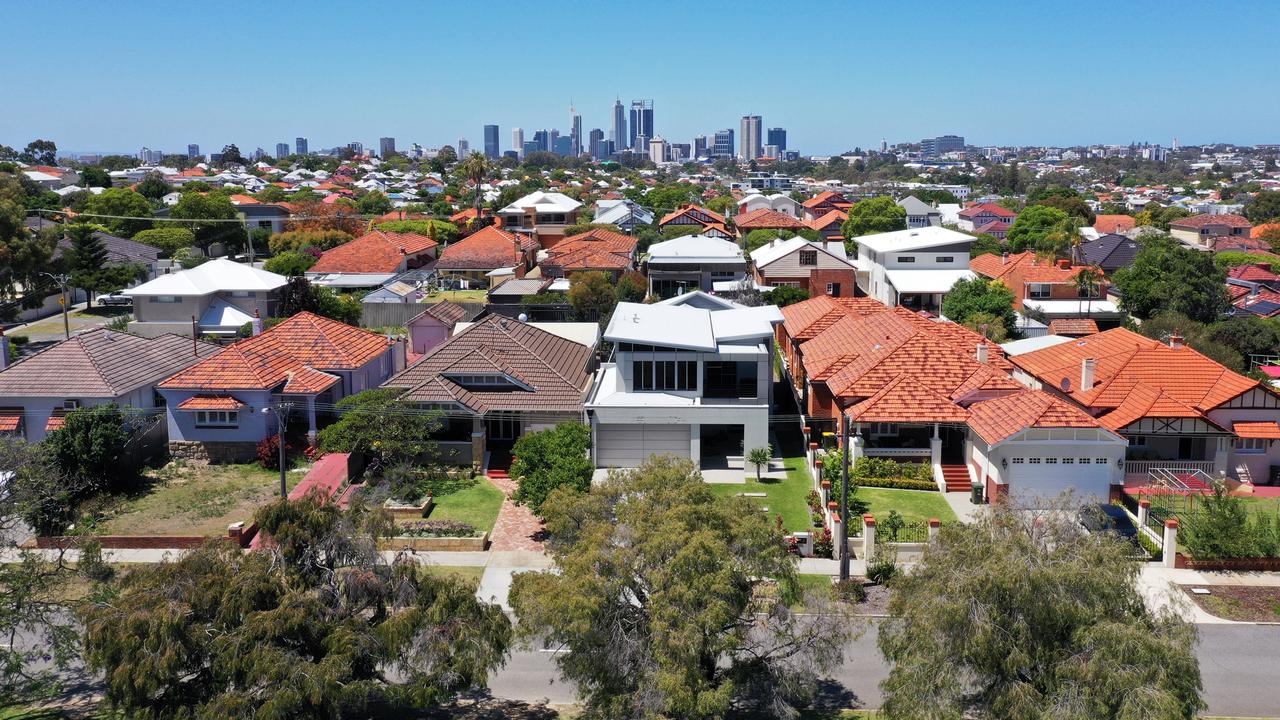
Australia’s property market is shifting in unexpected ways, with two mid-sized capital cities outpacing the country’s traditional high-price hubs to top a new forecast of suburbs poised to hit a $1 million average house price within the next 12 months.
Leading national real estate network Ray White Group conducted the targeted analysis to identify upcoming seven-figure suburbs, setting specific criteria for inclusion: neighborhoods must hold at least 2,500 existing homes, currently have an average property value between $900,000 and $1 million, and record enough annual price growth to cross the $1 million threshold in the coming year. Analysts also filtered out suburbs where investor ownership exceeds 19 percent to focus on owner-occupier focused markets.
Contrary to long-held market expectations that link million-dollar price tags almost exclusively to Sydney and Melbourne, the final list is overwhelmingly dominated by suburbs from Perth and Adelaide. Nine of the 13 identified suburbs are located across Perth’s growing outer corridors, including High Wycombe, Marangaroo, Yangebup, Forrestfield-Wattle Grove, Wanneroo-Sinagra, Huntingdale-Southern River, Ballajura, Casuarina-Wandi and Hocking-Pearsall. Three Adelaide suburbs made the cut: Shadow Park-Trott Park, McLaren Vale and Golden Grove, while Darwin’s Howard Springs rounded out the ranking.
Atom Go Tian, an economist with Ray White Group, explained that two key factors are driving the unexpected result. First, Perth and Adelaide are simply playing catch-up after years of lagging behind the east coast’s major property markets. Second, post-pandemic shifts in work and lifestyle priorities have reshaped where homebuyers are choosing to put down roots.
“With far more flexible remote working arrangements now standard across many industries, there is far less pressure for Australians to live in the expensive major hubs of Sydney and Melbourne,” Go Tian noted. He added that the absence of Sydney and Melbourne suburbs from the list is not a sign of stagnation: most suburbs in those cities have already crossed the $1 million average price threshold, while any remaining affordable pockets tend to have higher investor ownership that excludes them from the study’s criteria.
Go Tian also explained the geographic pattern within the two leading cities: inner-city suburbs in both Perth and Adelaide have already hit seven-figure price points, so growth is now pushing outward into historically affordable outer suburban areas. That trend is visible in Perth’s sprawling outer growth corridors and Adelaide’s southern and northern suburban belts, where all three of the city’s ranked suburbs are located.
Western Australian property experts say Perth’s strong showing on the list comes as no surprise, pointing to years of consistent incremental growth that has put the market on this trajectory. Suzanne Brown, president of the Real Estate Institute of Western Australia (REIWA), described the growth across Perth’s broader suburban areas as “incredible” in recent years.
“Perth has offered really strong property value for buyers in recent years – we have a beautiful state with a high quality of life that more people are discovering,” Brown said. She noted that Perth’s market hit a historic low point more than a decade ago, and has been steadily catching up to other capital city markets ever since. Brown also pointed to Western Australia’s long-term political stability as a draw for buyers, contrasting it with frequent changes to property tax and policy in other states like Victoria that have created uncertainty for local homeowners and investors.
Brown echoed Go Tian’s observation that the Covid-19 pandemic unlocked permanent shifts in where Australians want to live. “Perth and Adelaide are both fantastic places to call home, and since the pandemic, more people have the flexibility to choose that,” she said. “If your role allows remote work, you don’t have to live in Melbourne to work for a Melbourne-based company anymore.”
For homebuyers and investors watching the Australian market, the forecast signals a broader rebalancing of property prices across the country, as more affordable lifestyle-focused capital cities gain traction with a new generation of buyers reshaping market trends.