标签: Oceania

大洋洲

  • Missing 5-year-old Australian girl believed to be abducted, say police

    Missing 5-year-old Australian girl believed to be abducted, say police

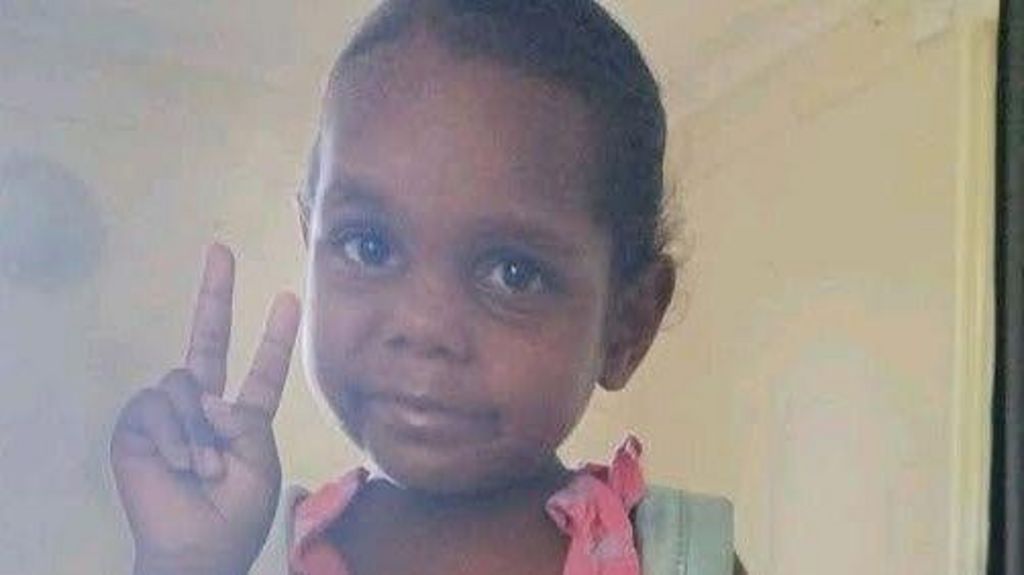
    A tense multi-team search operation is unfolding in Australia’s remote Northern Territory Outback after a 5-year-old girl was taken from her family home, triggering an urgent manhunt for a recently released prison inmate with a history of violent offenses.

    The child, named publicly as Sharon by local law enforcement, was last seen shortly before midnight on Saturday, when her family finished putting her to bed at their residence in Old Timers, an Aboriginal town camp on the outskirts of Alice Springs. By the time family members checked on her hours later, she was gone, and authorities now say they believe she was abducted rather than wandering off into the harsh, unforgiving Outback terrain.

    Acting Northern Territory Police Commander Mark Grieve confirmed to reporters on Monday that investigators are urgently seeking to question 47-year-old Jefferson Lewis, a man who had been staying at the camp before disappearing around the exact same time Sharon went missing. Grieve noted that Lewis had previously served prison time for domestic and family violence offenses, and he remains one of the only people present at the camp the night of the disappearance who has not contacted authorities or been located by searching teams.

    Dozens of resources have been deployed to comb the vast, remote bush and desert lands surrounding the camp, which is designated by the Australian government as temporary accommodation for First Nations people traveling to or staying in Alice Springs. Specialized police units including canine search teams, drone operators, and a helicopter are all assisting in the search, alongside civilian volunteers who have stepped up to help the community locate the young child.

    Describing the case as every parent’s worst nightmare, Grieve made a public appeal for any member of the public with information about either Sharon’s whereabouts or Lewis’s current location to contact police immediately. “Obviously it’s a terrible situation to have such a young child go missing,” Grieve told reporters. “We’re over 24 hours now so it’d certainly be my worst nightmare as a parent.”

    Authorities have also released a detailed description of what Sharon was wearing when she was last seen to help any potential witnesses identify her: a dark blue T-shirt with white trim around the neck and sleeves, paired with black boxer-style underwear. As the search enters its second full day, investigators and community members remain focused on one core goal: bringing the missing girl home safely to her family. “We want to find Sharon healthy and we want to get her back to her family,” Grieve said.
  • ‘Sky’s the limit’: Incredible run of form has teammates, rivals and coaches calling for Haumole Olakau’atu to make his Origin return

    ‘Sky’s the limit’: Incredible run of form has teammates, rivals and coaches calling for Haumole Olakau’atu to make his Origin return

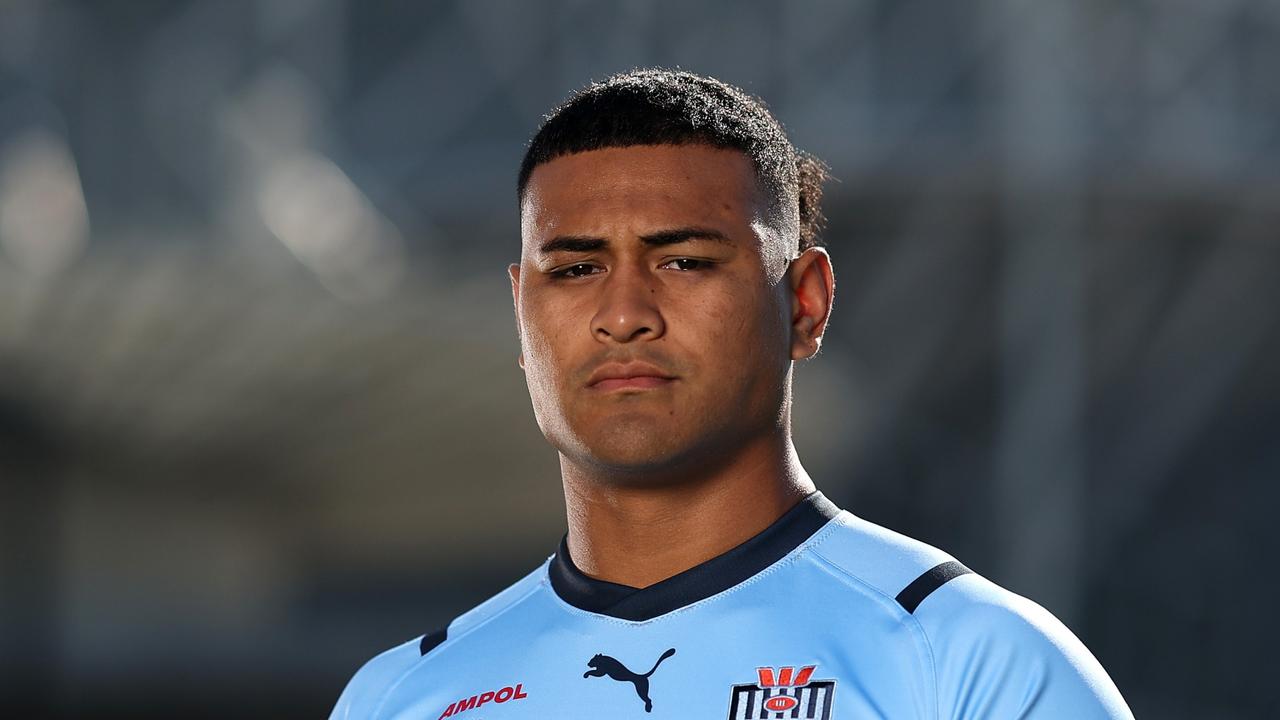
    As the 2025 State of Origin series approaches, Manly Sea Eagles interim head coach Kieran Foran has thrown his full weight behind in-form back-rower Haumole Olakau’atu to claim a starting position on the right edge for the New South Wales Blues in the series opener.

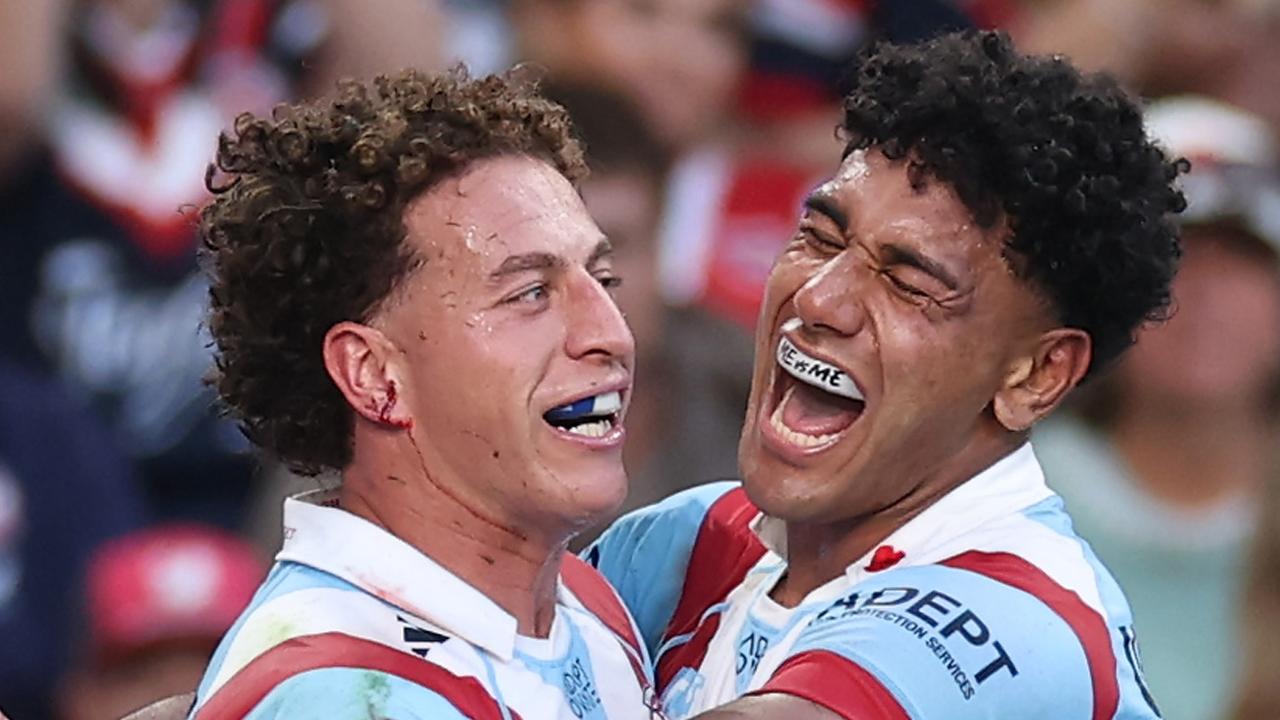
    Olakau’atu, who earned two bench appearances for the Blues during the 2024 Origin campaign, has entered a red-hot run of form over the past month since Foran took over interim coaching duties at Manly. His standout performance came in Sunday’s victory over the Parramatta Eels, where the 27-year-old wrecking ball delivered a dominant stat line: 229 running metres, 13 tackle breaks, and four expert offloads that proved critical to Manly’s win.

    “Without a doubt, he deserves a spot in the starting 17,” Foran told reporters after the match. While acknowledging that the final selection falls to NSW’s official selection panel, Foran argued that Olakau’atu’s current form and steady growth set him apart from other talented back-rowers across the competition. “He’s a special talent. When he first broke into the league four or five years ago, he was raw, but he’s improved his game every single season. Now at 27, with more than 115 NRL games under his belt, he’s finally tapped into just how destructive he can be on the field,” Foran explained.

    The interim coach added that Olakau’atu’s quiet, humble demeanor has often flown under the radar, but his recent performances have proven his elite level. “He doesn’t chase external praise or attention, but inside, he’s built the belief to compete at the highest level. He’s been unbelievable all year, and the sky really is the limit for him. He has a unique combination of size, speed, and aerial ability that very few players in the competition can match,” Foran said.

    Foran’s coaching shift has been a key factor in unlocking Olakau’atu’s best form, encouraging the forward to take control of matches rather than waiting for opportunities to come his way. That adjustment comes as a lesson Olakau’atu also took away from his limited 2024 Origin opportunities, where he recorded just two carries across his two bench appearances. “Everything moved so fast when I got out there last year,” Olakau’atu said. “The biggest takeaway for me was that I can’t wait for the game to come to me. Origin is all about big moments, and if you get the chance to take the field at that level, you have to make it count.”

    Currently, Olakau’atu says he is keeping his focus entirely on club duties rather than the growing Origin hype surrounding his name. “I see the talk on social media every now and then, but my only job right now is to help Manly get wins, and I feel like I’ve been delivering that the past couple of weeks,” he said. “Of course, every kid grows up dreaming of playing NRL, let alone Origin, the highest level of our sport. If I get that opportunity, I’ll grab it with both hands and make the most of it.”

    With starting incumbent Liam Martin sidelined by injury, Olakau’atu named Canterbury Bulldogs forward Jacob Preston as his biggest competitor for the right edge starting spot, while Angus Crichton and Hudson Young are vying for the other available back-row position. Crichton, a seasoned Origin veteran who plays for the Sydney Roosters, has also thrown his support behind the Manly star, saying Olakau’atu is more than ready for the starting role. “We’ve got so many quality back-rowers to choose from, but I watched his game on Sunday, and he’s playing some of the best footy of his career,” Crichton said. “He’s a great bloke, too. I love playing alongside him, and if he gets the call-up, he’s 100% ready to go.”

    For NSW Blues head coach Laurie Daley, who already faces a selection headache with a deep pool of quality back-row candidates, Olakau’atu’s unrivaled recent form makes him impossible to ignore ahead of the series kick-off in one month.

  • Stage set for Elon Musk’s court battle with OpenAI

    Stage set for Elon Musk’s court battle with OpenAI

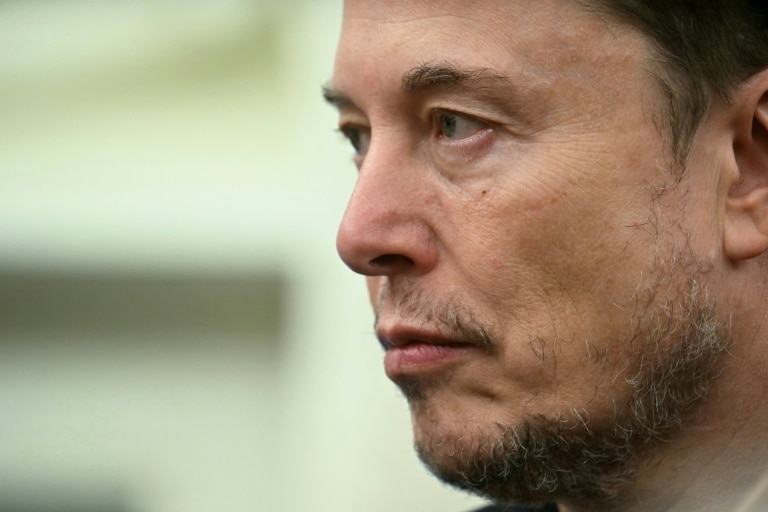
    One of the most consequential legal battles in the rapidly evolving artificial intelligence industry is set to get underway Monday, as jury selection begins in a lawsuit brought by billionaire tech entrepreneur Elon Musk against OpenAI, one of the sector’s most high-profile and valuable players.

    The courtroom clash, unfolding in Northern California just across the San Francisco Bay from OpenAI’s headquarters, pits the world’s wealthiest individual against a research laboratory he helped launch as an early backer and co-founder in 2015 — and now competes against directly in the crowded generative AI market. Today, OpenAI’s blockbuster ChatGPT stands as the top industry leader in consumer AI chatbots, while Musk launched his own competing generative AI model, Grok, under his xAI venture in 2023.

    At its core, Musk’s legal challenge centers on claims that OpenAI betrayed its foundational non-profit mission, which was sold to him and other early supporters with the promise that all AI technology developed by the lab would ultimately belong to the public and benefit humanity as a whole. After being convinced by current OpenAI CEO Sam Altman to join the project in 2015, Musk invested tens of millions of dollars into the young research lab before stepping away from the organization several years later.

    As OpenAI pursued increasingly large and computationally intensive AI models, however, the company pivoted to raise massive amounts of capital to build the massive data centers required to power cutting-edge generative AI systems. It established a commercial subsidiary, and tech giant Microsoft has since poured tens of billions of dollars into the company to fuel its growth. Both Microsoft CEO Satya Nadella and Sam Altman are expected to testify during the trial.

    Musk maintains he was deliberately misled about OpenAI’s long-term commitment to an altruistic, public-focused non-profit mission. In his lawsuit, he is asking the court to force OpenAI to reverse its commercial transition and return to being a pure non-profit entity, as well as remove Altman and OpenAI president Greg Brockman from their leadership roles. Though Musk initially sought up to $134 billion in damages, he has since stated he would redirect any monetary award to OpenAI’s non-profit arm and seek no personal compensation.

    OpenAI has pushed back aggressively against Musk’s claims, arguing that the rift between Musk and the company grew not from a broken mission promise, but from Musk’s own quest to seize full control of the startup shortly before he left the organization. In a recent post on X, the social media platform Musk owns, OpenAI framed the lawsuit as a personal attack driven by ego and competitive jealousy. “This case has always been about Elon generating more power and more money for what he wants,” the company wrote. “His lawsuit remains nothing more than a harassment campaign that’s driven by ego, jealousy and a desire to slow down a competitor.”

    The company has also pointed to a contradiction in Musk’s position: just days after he launched his own xAI venture to compete in the advanced AI space in 2023, Musk publicly called for a six-month pause on advanced AI development, a move OpenAI frames as an attempt to hinder competitors while he caught up.

    Beyond the personal feud between Musk and Altman, the trial has thrown a spotlight on a core industry-wide debate that continues to divide AI developers and observers: whether advanced artificial intelligence should be developed as a public good open to all, or as a commercial technology driven by private sector profit. OpenAI currently operates under a hybrid governance model, where a non-profit foundation retains oversight over a for-profit commercial operating arm.

    Presiding judge Yvonne Gonzalez Rogers will make the final ruling on the case by mid-May, drawing input from an advisory jury’s findings. The judge has also reserved the right to determine any final remedies for the alleged breach independently, without input from the jury. For Musk, who drew widespread criticism after gutting the content trust and safety team at X (formerly Twitter) following his $44 billion acquisition of the platform, the central challenge will be convincing the court that OpenAI was built on a broken promise to its early supporters.

  • British royals begin four-day US visit despite shooting

    British royals begin four-day US visit despite shooting

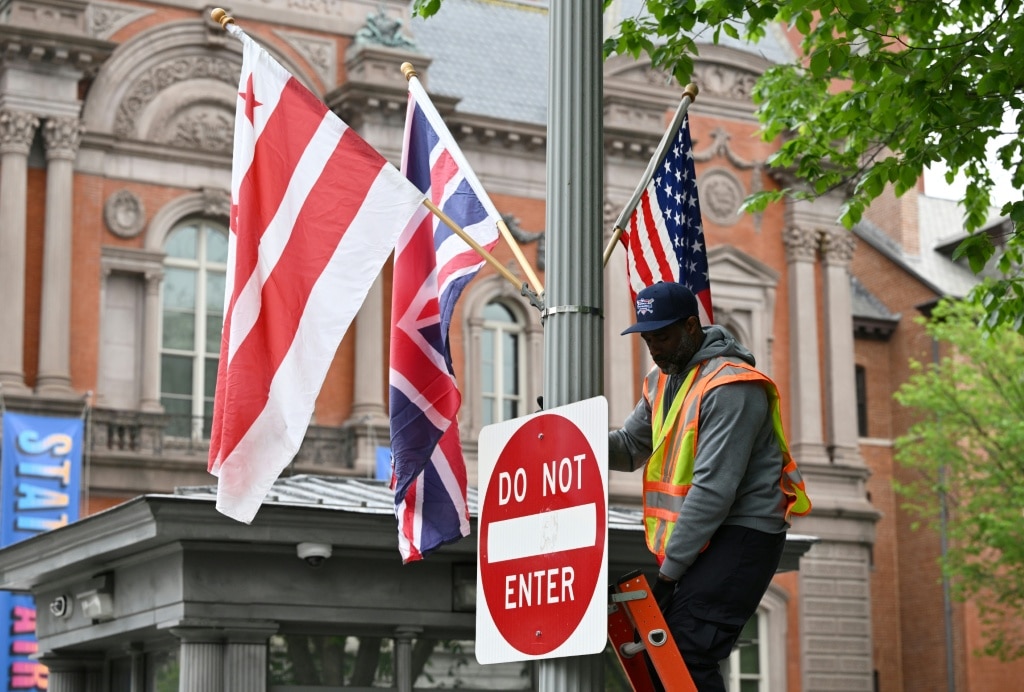
    Britain’s King Charles III and Queen Camilla kicked off their high-stakes four-day state visit to the United States on Monday, proceeding as planned despite a recent shooting incident at an event attended by US President Donald Trump and simmering diplomatic rifts between London and Washington over the ongoing Iran conflict. The trip, scheduled to coincide with the United States’ 250th anniversary of independence, is framed by the British government as a celebration of the centuries-long special relationship tying the two nations together.

    The itinerary for the royal tour carries significant symbolic weight: King Charles will become the first British monarch to address a joint session of the US Congress since his mother, Queen Elizabeth II, delivered remarks there in 1991. Beyond the address to lawmakers, the couple will meet with Trump and former First Lady Melania Trump for tea, attend a formal state dinner, travel to New York City on Wednesday to pay respects at the 9/11 Memorial Museum, and conclude the trip with a stop in Bermuda on Thursday – marking Charles’ first visit to a British Overseas Territory since ascending to the throne.

    The visit moved forward just two days after a shooting at the annual White House Correspondents’ Association gala, where Trump was in attendance. In a statement released Sunday, Buckingham Palace confirmed the tour would proceed unchanged, noting that Charles was “greatly relieved” that Trump, Melania Trump, and the vast majority of attendees escaped unharmed. The lone alleged shooter was taken into custody shortly after the incident, which left one member of Trump’s security detail wounded. UK Ambassador to the US Christian Turner told reporters in Washington Sunday evening that after multiple security reviews, “we are all very confident that all appropriate security measures are in place” for the entirety of the royal visit.

    While the trip is rooted in historic diplomatic tradition, it has sparked significant controversy on both sides of the Atlantic. The state visit was organized at the request of the UK government and President Trump, but deep divisions over the Iran war have opened a rare rift between the new UK Prime Minister Keir Starmer’s Labour government and the Trump administration. Trump has publicly lambasted Starmer for his opposition to the conflict, and has also criticized the UK government’s immigration and energy policies.

    The two leaders spoke by phone on Sunday, where Starmer extended his well wishes after the “shocking scenes” at the WHCA gala. The call also covered shared priorities in the Strait of Hormuz, with Starmer’s office confirming the pair discussed the “urgent need to get shipping moving again” amid disruptions that threaten severe harm to the global economy and already strained cost of living for households in the UK and worldwide. Though Starmer has repeatedly criticized Trump’s approach to the Iran war, he has defended the decision to move forward with the state visit, arguing that the British monarchy’s unique cross-party, cross-generational connections can help steady relations during tense periods. A YouGov poll conducted in early April found that 48 percent of British respondents supported canceling the visit, compared to a smaller share in favor of proceeding. For his part, Trump has said he believes the visit will absolutely help repair strained transatlantic ties, calling Charles a long-time personal friend who “represents his nation like nobody else can do it.”

    Observers note that Charles, 77, has a proven track record of deft diplomatic navigation: he earned widespread praise for his handling of Trump’s state visit to the UK in September 2024. Craig Prescott, a monarchy expert at Royal Holloway University of London, notes that Charles is “generally very good” at managing sensitive diplomatic occasions, but predicts he will address the transatlantic tensions over Iran – widely described as the “elephant in the room” – in coded language during his address to Congress on Tuesday.

    Another lingering controversy also hangs over the meticulously choreographed tour: the ongoing scandal surrounding King Charles’ younger brother, Prince Andrew, and his long-standing ties to disgraced late sex offender Jeffrey Epstein. The controversy reignited in mid-February when Andrew was arrested following new revelations about his relationship with Epstein, who died in prison while awaiting trial in 2019. Charles stripped Andrew of all his royal titles and patronages in October 2024, and issued a rare personally signed statement after the arrest affirming that “the law must take its course.” Andrew remains under active police investigation, has not been charged with any crime, and has repeatedly denied all wrongdoing. Organizers have structured the visit to avoid unscripted encounters: only official pool photographers will be permitted to document Charles’ Tuesday meeting with Trump in the Oval Office, with no press availability scheduled.

  • ‘It’s been quite sad’: Mark Nawaqanitawase readies himself for emotional Roosters farewell as Origin debut beckons

    ‘It’s been quite sad’: Mark Nawaqanitawase readies himself for emotional Roosters farewell as Origin debut beckons

    For rising rugby league star Mark Nawaqanitawase, the bittersweet reality of his impending departure from the Sydney Roosters at the end of the 2024 NRL season has finally set in — even as a career-defining milestone looms on the horizon: a potential debut for New South Wales in the State of Origin series just four weeks from now.

    At 25 years old, Nawaqanitawase has packed an extraordinary amount of achievement into just 31 top-flight NRL matches since switching codes from rugby union. The former Wallabies winger has not only notched one of the most iconic individual tries in recent rugby league memory, but also earned representative honors representing Australia in rugby league’s Ashes series. Now, he has emerged as the leading candidate to fill the vacant Blues wing spot left by Zac Lomax, who returned to rugby union after a standout 2023 Origin campaign for New South Wales.

    NSW Blues head coach Laurie Daley is widely expected to shortlist Nawaqanitawase for the game one squad, which will be announced next month. The dynamic winger has put his case for selection beyond doubt with a blistering run of form, crossing for three doubles in his last four outings. He also previously attended the Blues’ pre-camp earlier this year, putting him firmly in Daley’s plans.

    Despite the hype around his possible Origin call-up, the soft-spoken winger says his full attention remains on the Roosters, who sit comfortably in the top half of the ladder after a dominant Anzac Day win over their rivals. Speaking to reporters at Bondi Beach on Monday, where he joined teammates including Connor Watson and Daly Cherry-Evans for a recovery swim, Nawaqanitawase played down speculation about his selection.

    “What will be, will be. But I’m just trying to put my best foot forward here at the Chooks, play some good footy and make sure that we’re moving along well this year,” he said. “It’s always nice to get a higher honour. But again, I’m not really focused on it at the moment. Yeah definitely I watched Origin all the time growing up. I think it’s been a part of most kids who play rugby league growing up. It’s always been something that I’ve wanted to do, so if it happens, it happens.”

    At the end of the season, Nawaqanitawase will return to rugby union, where he will face a difficult choice: compete in the upcoming Rugby League World Cup with Australia, or join the Wallabies on their annual Spring Tour of Europe. For now, though, he is focused on soaking up his remaining months in the NRL, having grown deeply attached to the club and code that welcomed him when he made the cross-code switch.

    “This week and the last few weeks I’ve come to the realisation it’s going to be my last few months coming up,” he said, leaving open the possibility of a return to the Roosters further down the line. “So it’s been quite sad thinking about it because I love the club, I love the boys and just the whole environment. My family and I are really going to miss it, so I’ve just got to make sure I enjoy every moment that I can. I’ve been shown a lot of love and support from all fans, even ones that don’t even follow the Roosters. So it’s been a great experience for me, and I’ve just got to enjoy it because it doesn’t last forever. Coming over to rugby league and just the NRL as a whole has super exceeded what I thought I was going to feel and be a part of. I’m going to miss it every week.”

    When Nawaqanitawase first arrived in the NRL from rugby union, few predicted he would adapt so quickly to become one of the competition’s most exciting attacking weapons, earning a reputation as a high-flying offload specialist capable of turning the faintest half-chance into a spectacular try. The winger says his time in rugby league has transformed his game, adding layers of physicality and defensive discipline that will serve him well no matter where his career takes him.

    “I’m a different player to what I was two or three years ago now,” he said. “In a non-arrogant way, it’s a bigger, better, faster kind of thing. I’ve grown up a little bit, obviously learnt a lot physically and being able to do a lot more and just defensively as well. I’ve learnt so much and I know it will make me a better player wherever I go.”

  • Fernandez sends Chelsea into FA Cup final to lift gloom after Rosenior sacking

    Fernandez sends Chelsea into FA Cup final to lift gloom after Rosenior sacking

    The chaos of Chelsea’s turbulent 2024-25 campaign took a sudden, redemptive turn at Wembley Stadium on Sunday, as midfielder Enzo Fernandez’s first-half header secured a 1-0 FA Cup semi-final victory over Leeds United, sending the Blues through to a May 16 final showdown with Manchester City. The result comes just four days after Chelsea sacked head coach Liam Rosenior, capping a dramatic week that has upended the club’s season amid a devastating run of poor form.

    Rosenior’s tenure at Stamford Bridge ended after just 106 days, cut short following a five-game losing streak that saw Chelsea fail to find the net once – the club’s worst such run since 1912. The writing was on the wall after a humiliating 3-0 away defeat to Brighton & Hove Albion on Tuesday, where Rosenior publicly criticized his players’ commitment and fighting spirit. That outburst proved to be the final straw for Chelsea’s ownership, deepening already visible rifts between the manager and the first-team squad that had surfaced after Rosenior dropped Fernandez for two matches. The Argentine had been dropped after hinting in a media interview that he could consider leaving the club at the end of the season, a controversy that undermined Rosenior’s already fragile authority from his earliest weeks in charge.

    Rosenior’s departure follows widespread unrest in the dressing room, with multiple key players having already expressed frustration over the sacking of previous manager Enzo Maresca earlier this year, and internal leaks over team selection further eroding trust. The terrible run of form has already ended Chelsea’s hopes of qualifying for next season’s UEFA Champions League: the club sits 10 points behind fifth-placed Aston Villa with just four matches remaining in the Premier League, eliminating any chance of securing a top-five finish that would have earned a European spot.

    Stepping into the interim role just days before the semi-final was Calum McFarlane, previously the head coach of Chelsea’s Under-21 side who was promoted to assist Rosenior earlier in the season. Inheriting a fractured dressing room and a squad low on confidence, McFarlane has already earned praise for coaxing a cohesive, focused performance out of the players in their first match since the sacking. For Chelsea, a club with eight FA Cup titles to their name and 16 previous final appearances, a win over Guardiola’s side at Wembley would not only deliver their first FA Cup crown since 2018, but also salvage a campaign that has otherwise been written off as a failure. It would also make McFarlane one of the most unlikely title-winning managers in the competition’s long history.

    Sunday’s semi-final was a missed opportunity for Leeds, who reached their first FA Cup semi-final since 1987 and had not appeared in a final for 53 years. The Championship side came close to taking an early lead when Brenden Aaronson broke clean through on goal after a slip from Chelsea defender Trevoh Chalobah, but the American dragged his attempt off target, failing to beat Blues goalkeeper Robert Sanchez. Chelsea responded immediately with a chance of their own, as Joao Pedro drilled a low close-range strike against the near post, wasting the opening.

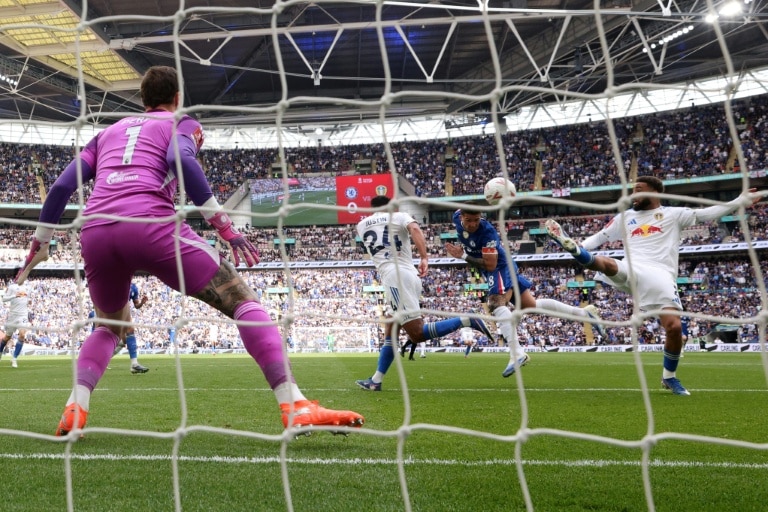
    It was Fernandez who broke the deadlock in the 23rd minute, quieting the anxiety that hung over Chelsea’s side. After Leeds defender Pascal Struijk gave away possession deep in his own half, Pedro Neto intercepted the loose ball and curled a pinpoint cross into the six-yard box, where Fernandez headed into the far corner for what would prove to be the only goal of the game. The strike ended a nearly 300-minute goal drought for Chelsea, whose last goal had come against third-tier side Port Vale in the FA Cup quarter-finals.

    Leeds made a half-time substitution, bringing on German midfielder Anton Stach, who came inches away from equalizing with his very first touch – a long-range thunderbolt that forced a brilliant save from Sanchez. Leeds improved considerably after a lackluster first half, but Dominic Calvert-Lewin failed to convert a good headed chance, directing his effort straight at the Chelsea keeper. Tensions boiled over moments later when Sanchez required treatment for a knock, with Leeds players accusing the Spaniard of feigning injury to allow Chelsea a tactical break, leading to a heated scuffle on the touchline. While tempers flared, the match never approached the intensity of the infamous brutal 1970 FA Cup final between the two historic rivals.

    Chelsea held firm through the final minutes to close out the win, restoring a small measure of pride to a season that has been overshadowed by off-field chaos and poor results. They now turn their focus to Wembley next month, where they will face a Manchester City side that fought back from a one-goal deficit to beat Southampton 2-1 in the other semi-final on Saturday, in what is set to be one of the most hotly anticipated FA Cup finals in recent memory.

  • Colombia road bombing death toll rises to 20

    Colombia road bombing death toll rises to 20

    A devastating bombing on Colombia’s Pan-American Highway has pushed the confirmed death toll to 20, with 36 additional people injured, according to an update shared Sunday on social media platform X by Octavio Guzman, governor of the restive southwestern Cauca Department where the attack took place.

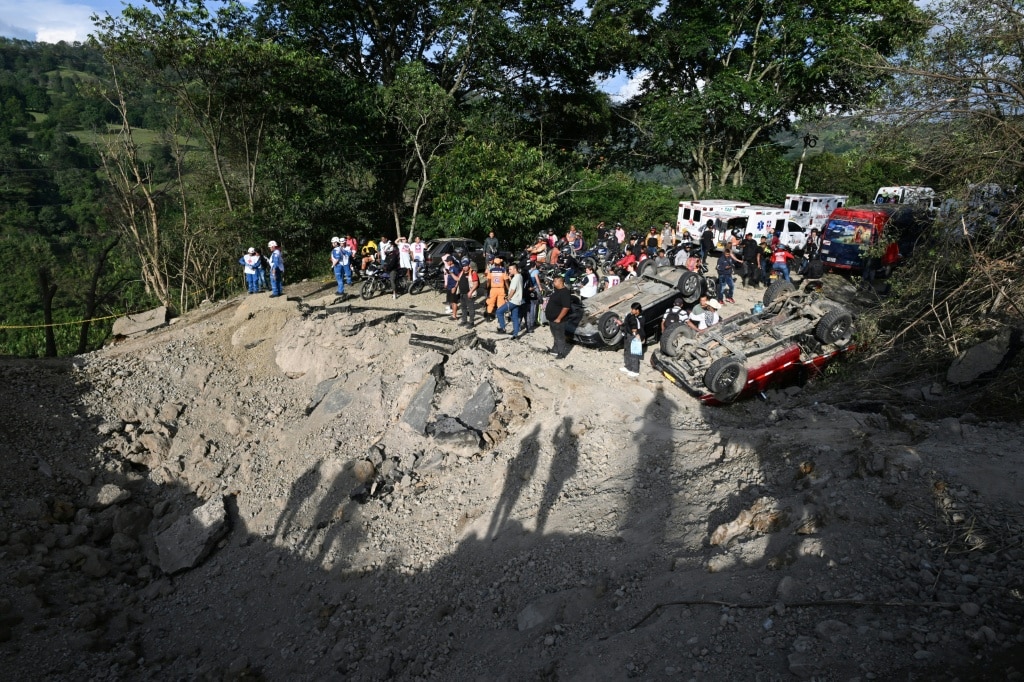
    Local and national authorities have pinned the blame for the weekend attack on non-state armed groups operating in the region, with the violence hitting just over a month before Colombia is set to hold its presidential election on May 29. Guzman called the incident “the most brutal and ruthless attack against the civilian population in decades” for the region, noting that the explosion carved out a 200-cubic-meter crater at the site. All 20 killed were adults, comprising 15 women and five men. Three of those injured remain in intensive care as of Sunday, while five children who were hurt in the blast have been stabilized and are out of danger, Guzman added.

    The force of the explosion left passenger buses and vans crumpled and destroyed along the major highway, with multiple civilian vehicles flipped onto their roofs or sides by the blast’s shockwave. Colombian military chief Hugo Lopez told reporters Saturday that the attack was coordinated: assailants first blocked the highway with a hijacked bus and a second vehicle to stop all traffic, then detonated the hidden explosive once a crowd of stranded travelers had gathered.

    “This is a terrorist attack against the civilian population,” Lopez emphasized. Incumbent leftist President Gustavo Petro issued a forceful condemnation via X, calling the perpetrators “terrorists, fascists and drug traffickers” and ordering the country’s top military personnel to hunt down those responsible. Petro directly attributed the attack to Ivan Mordisco, Colombia’s most-wanted fugitive criminal, whom he has previously compared to Pablo Escobar, the infamous late cocaine kingpin who dominated Colombia’s illegal drug trade in the 1980s and 1990s.

    This latest mass casualty attack follows a separate bombing that hit a military base in Cali, Colombia’s third-largest city, on Friday. That attack injured two service members, and kicked off a sustained wave of violence across the neighboring Valle del Cauca and Cauca departments. Lopez confirmed that authorities have recorded at least 26 separate attacks across the two regions in just 48 hours as of Sunday. Defense Minister Pedro Sanchez announced Saturday that federal authorities have deployed additional military and police personnel to the affected areas to bolster security and respond to the surge in violence.

    Colombia has a long history of armed groups—funded largely through illegal activities including drug trafficking, unregulated mining, and extortion—using targeted violence to disrupt and influence national elections. Remnant factions of the former FARC rebel movement that rejected a 2016 national peace deal with the Colombian government have stepped up disruptive attacks in recent months, as peace talks between the groups and Petro’s administration have stalled.

    Security policy has emerged as one of the most contentious central issues in the 2025 presidential campaign, after high-profile political violence put the issue in the national spotlight last year. In June 2024, rising young conservative presidential candidate Miguel Uribe Turbay was shot in broad daylight while campaigning in Bogota, the nation’s capital, and died from his injuries two months later.

    As of the latest polling, leftist Senator Ivan Cepeda, the main architect of Petro’s controversial policy of pursuing negotiated peace deals with armed groups, holds a lead in the race. He is followed closely by right-wing candidates Abelardo de la Espriella and Paloma Valencia, both of whom have campaigned on promises of a hardline military crackdown on rebel and criminal factions. All three leading presidential candidates have confirmed they have received credible death threats during the campaign, and all are conducting campaign events under heavy armed security protection.

  • Global military spending surges on insecurity: report

    Global military spending surges on insecurity: report

    Global military expenditure has climbed to nearly $2.9 trillion in 2025, extending an uninterrupted annual growth streak to 11 years, according to a new report from the Stockholm International Peace Research Institute (SIPRI). The world’s three largest defense spenders – the United States, China, and Russia – accounted for just over half of the global total, with a combined outlay of $1.48 trillion in 2025. Overall global spending rose 2.9 percent year-on-year, even as the world’s single largest spender, the U.S., recorded a nominal reduction in its 2025 defense budget.

    Lorenzo Scarazzato, a SIPRI researcher, told AFP that the U.S. cut was fully offset by sharp spending increases across Europe and Asia, driven by what he described as “another year of wars and increased tensions.” This upward trend is mirrored in the global “military burden” – the share of total global GDP allocated to defense spending – which reached its highest level since 2009. “Everything points to a world that feels less secure and is spending on its military to compensate for the global landscape,” Scarazzato noted.

    The U.S. recorded a 7.5 percent annual reduction in 2025 military spending, finishing the year at $954 billion. The drop is largely attributed to the failure of Congress to approve new military aid packages for Ukraine in 2025, after Washington committed a total of $127 billion to Kyiv over the preceding three years. However, analysts expect this dip to be temporary: the U.S. Congress has already approved a $1 trillion+ defense budget for 2026, and spending could surge to $1.5 trillion in 2027 if the budget proposal put forward by U.S. President Donald Trump is enacted.

    The biggest contributor to the 2025 global spending increase was Europe, which includes both Russia and Ukraine. Total regional spending surged 14 percent year-on-year to hit $864 billion. Scarazzato outlined the two core drivers behind the surge: the ongoing full-scale war in Ukraine, and shifting U.S. defense policy that pushes European nations to take greater responsibility for their own security in the face of reduced American engagement. Germany, the world’s fourth-largest military spender, raised its 2025 expenditure by 24 percent to $114 billion, while Spain recorded a dramatic 50 percent increase to $40.2 billion, pushing its defense spending above 2 percent of GDP for the first time since 1994.

    Both Russia and Ukraine have ramped up military spending amid the active conflict, with both nations allocating a larger share of government expenditure to defense than any other countries tracked by SIPRI. Russia’s spending rose 5.9 percent to $190 billion in 2025, equal to 7.5 percent of the country’s total GDP. Ukraine, by contrast, boosted its defense outlay by 20 percent to $84.1 billion – a staggering 40 percent of its entire annual GDP.

    In the Middle East, where long-running geopolitical tensions remain high, regional spending rose only marginally by 0.1 percent to $218 billion. While most nations in the region increased their defense budgets, both Israel and Iran recorded nominal decreases. Iran’s spending fell 5.6 percent to $7.4 billion, a drop driven almost entirely by the country’s 42 percent annual inflation rate; spending actually rose in nominal terms. For Israel, the 4.9 percent drop to $48.3 billion followed a January 2025 ceasefire in the Gaza war that reduced immediate military operational needs. Even with the decline, Israel’s 2025 defense spending remains 97 percent higher than it was in 2022.

    Across Asia and Oceania, total military spending reached $681 billion in 2025, an 8.5 percent year-on-year increase that marks the region’s largest annual jump since 2009. Scarazzato identified China as the region’s major player, noting that the country has now expanded its military spending every year for 30 consecutive years, hitting an estimated $336 billion in 2025. Beyond China’s ongoing military modernization, Scarazzato highlighted growing threat perceptions among other regional actors as a key growth driver. Japan raised its defense expenditure by 9.7 percent to $62.2 billion in 2025, equal to 1.4 percent of GDP – its highest GDP share for defense spending since 1958. Taiwan also increased its spending by 14 percent to $18.2 billion amid shifting regional security dynamics.

  • Gunman sought to kill Trump, cabinet at gala dinner

    Gunman sought to kill Trump, cabinet at gala dinner

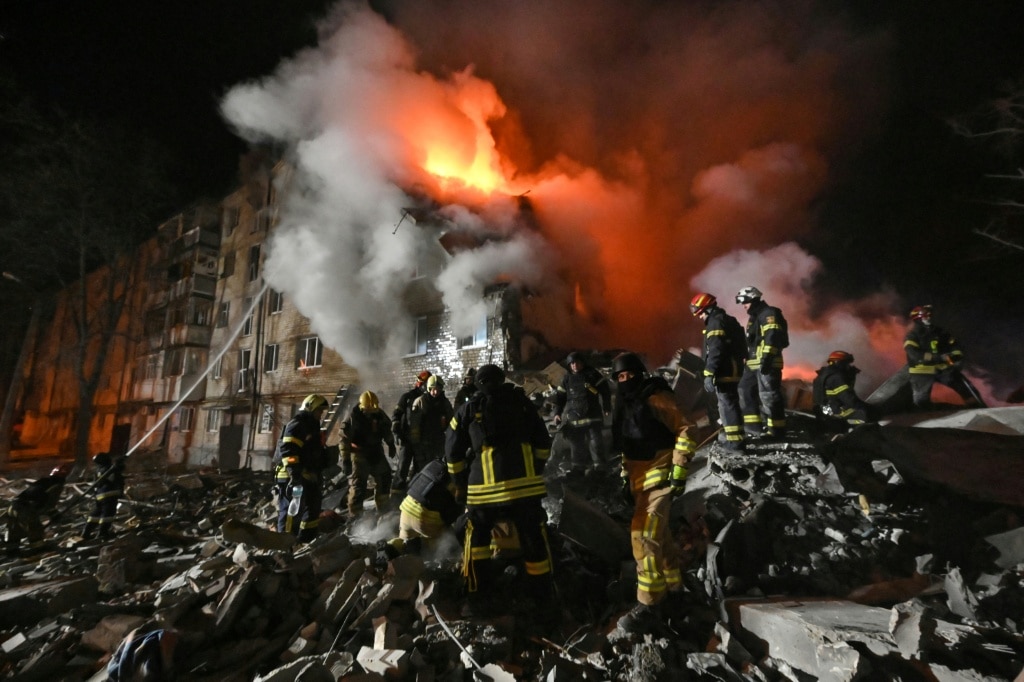
    On a chaotic Saturday evening at the Washington Hilton, a would-be assassin’s plot to kill former President and current U.S. President Donald Trump and multiple senior administration officials was disrupted by a quick exchange of gunfire with Secret Service agents, leaving security protocols for high-profile Washington events under intense national scrutiny.

    Within hours of the incident, investigators confirmed that the suspect, identified as 31-year-old Cole Allen, had traveled cross-country by rail from Los Angeles via Chicago to reach the capital, where he had checked into the same hotel hosting the annual White House Correspondents Association (WHCA) black-tie gala. Armed with a shotgun, a handgun, and multiple knives purchased within the last two years, Allen attempted to sprint past a security checkpoint to reach the packed ballroom where Trump, First Lady Melania Trump, Vice President JD Vance, cabinet members, top congressional leaders, and hundreds of political and media figures had gathered. The attempt triggered a brief gunfight with agents, and Allen was taken into custody at the scene immediately.

    Acting U.S. Attorney General Todd Blanche told CBS’s *Face the Nation* on Sunday that preliminary investigations confirm Allen planned to target top-ranking administration officials in order of their rank. “He’s not actively cooperating. I expect that he will be formally charged tomorrow morning in federal court in Washington,” Blanche stated, adding that no clear motive for the attack has yet been established. Trump later confirmed to Fox News that Allen had penned what he described as an “anti-Christian” manifesto, noting that the suspect’s own family had previously raised concerns about his behavior to law enforcement. The New York Post reported that Allen sent a note to his family shortly before the attack outlining his plan to prioritize targets from the highest-ranking to lowest.

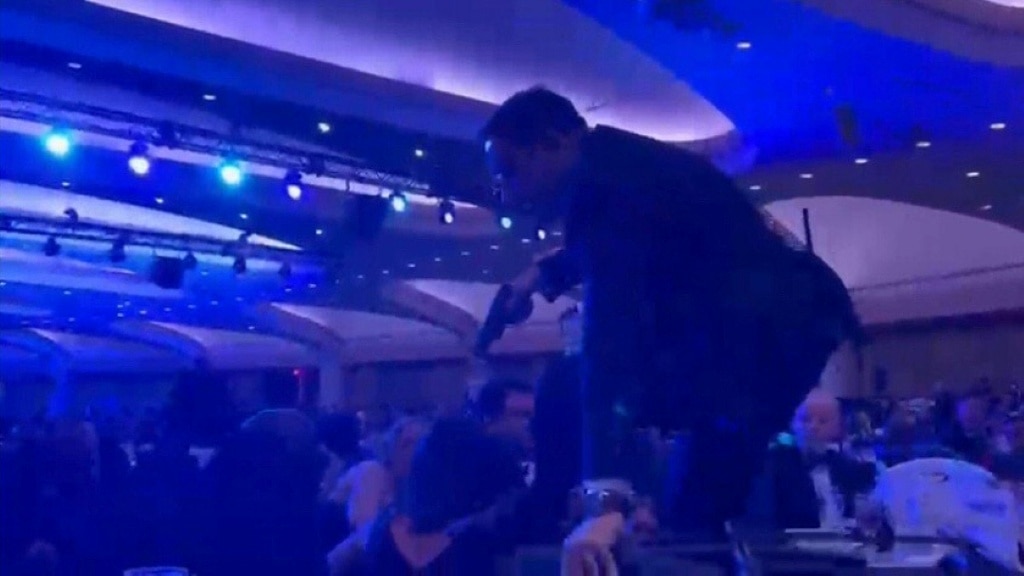
    The moment shots were rang out triggered chaos inside the gala ballroom. Secret Service agents immediately swarmed the venue to clear and secure the space, prompting hundreds of attendees to dive under tables for cover. Trump was quickly rushed out of the ballroom by his security detail, and he later recounted that he initially mistook the gunfire for the sound of a dropped serving tray. The only injury reported was to a Secret Service officer, who was shot at close range in his safety vest and is expected to make a full recovery.

    In a late-night emergency press briefing at the White House, Trump confirmed that investigators currently believe Allen acted as a lone attacker, a assessment he shares. This incident marks at least the third plot on Trump’s life in less than a year: in 2024, an assassination attempt at a Pennsylvania rally left one attendee dead and Trump lightly wounded in the ear, just months before a second man was arrested for pointing a rifle from the bushes at a Florida golf course where Trump was playing. Notably, the Washington Hilton is also the site of the 1981 assassination attempt on President Ronald Reagan, a history that has amplified calls for stricter security reviews.

    The incident has reignited debate over presidential security protocols, with Trump noting that the Washington Hilton venue “is not a particularly secure” facility. He argued that the foiled attack justifies his controversial plan to construct a large new events ballroom adjacent to the White House, a project that has already faced multiple legal challenges. For Washington observers, the repeated attempts on Trump’s life have sparked growing alarm: “This keeps happening,” attorney Brian Raftery told AFP Sunday. “One of these times, unfortunately, something very bad is going to happen if we continue to have these types of attacks on political leaders.”

    This year’s WHCA gala marked a historic break with tradition: Trump, who has repeatedly attacked the mainstream media, had never attended the annual dinner during his previous time in office, breaking a 100-year pattern of sitting presidents participating in the event, which raises funds for journalism scholarships and awards. The foiled attack also comes less than 48 hours before King Charles III and Queen Camilla are set to arrive in Washington for a four-day official state visit, which will see heightened security across the U.S. capital already in place. After the incident, Trump expressed hope that the gala can be rescheduled within the next 30 days.

  • War in the Middle East: latest developments

    War in the Middle East: latest developments

    Fresh waves of instability have swept across the Middle East over the weekend, as escalating cross-border tensions between Israel and the Iran-backed Hezbollah movement threaten to collapse an existing ceasefire, while regional diplomatic efforts to de-escalate broader conflict with Iran navigate unexpected disruptions from Washington.

    In a public address on Sunday, Israeli Prime Minister Benjamin Netanyahu issued a sharp rebuke of Hezbollah, accusing the Lebanese militant group of systematically undermining the fragile ceasefire agreement between Israel and Lebanon through repeated violations. Netanyahu confirmed that Israeli forces would continue targeting Hezbollah with full force, warning that the group’s ongoing breaches are effectively dismantling the truce that has held partial calm along the border for months.

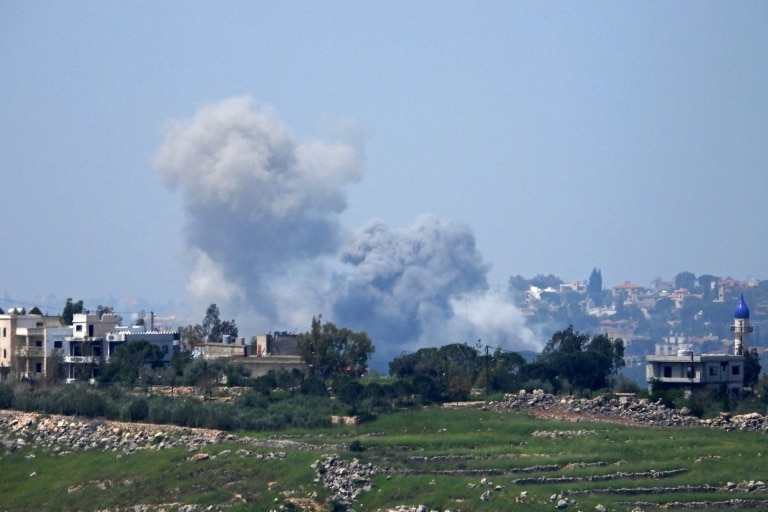
    Moments after Netanyahu’s remarks, Lebanese state media reported that the Israeli Air Force launched multiple airstrikes on populated areas in southern Lebanon, just hours after the Israeli military issued urgent evacuation orders for seven local communities in the region. The National News Agency, Lebanon’s official state-run media outlet, confirmed that one of the strikes hit the southern town of Kfar Tibnit – a location explicitly named in the evacuation warning – and that early reports indicate multiple casualties have been recorded from the attack. The strikes mark a major escalation of hostilities despite the ongoing ceasefire between Israel and Hezbollah.

    Parallel to the rising tensions along the Israeli-Lebanese border, regional diplomatic efforts to broker a lasting end to the Iran conflict are working to get back on track, after former U.S. President Donald Trump’s sudden decision to cancel a planned trip by U.S. peace envoys threw talks into disarray. Iran’s top diplomat Foreign Minister Abbas Araghchi is set to return to Islamabad on Sunday, just one day after his initial visit to the Pakistani capital that concluded with a side trip to Oman for additional consultations. According to Iran’s semi-official ISNA news agency, Araghchi will hold a new round of talks with Pakistani leadership to lay out Tehran’s official stance on the framework for any potential agreement that would bring a full end to active hostilities.

    Pakistan, which has taken on the role of lead neutral mediator for the talks, has reaffirmed its commitment to keeping the diplomatic process moving forward. Pakistani Prime Minister Shehbaz Sharif confirmed he held a telephone call with Iranian President Masoud Pezeshkian in the wake of Washington’s decision to pull its envoys from the planned talks. In a post on the social platform X, Sharif emphasized that Pakistan remains fully committed to acting as an honest, sincere facilitator, and will continue working tirelessly to build a path toward durable peace and long-term stability across the Middle East region.

    Meanwhile in Washington, Trump stated that a late Saturday shooting incident at a media dinner in the nation’s capital would not alter his administration’s approach to the conflict with Iran. Speaking to reporters at the White House just hours after the attack, Trump insisted the incident would not distract him from securing what he calls a victory in the Iran war. He added that there is currently no clear evidence linking the shooting to the Iran conflict, and he does not believe the attack is connected to ongoing hostilities based on initial information.

    In another development related to Iran’s internal crackdown on opposition and alleged espionage, the Iranian judiciary announced on Sunday that authorities executed a man convicted of two charges: membership in the Sunni militant group Jaish al-Adl, and involvement in coordinated attacks on Iranian security forces in the country’s volatile southeastern region. The execution comes just one day after Iranian authorities announced the execution of a second man, who was accused of passing classified intelligence to Israel.