标签: Oceania

大洋洲

  • Olympic women’s sport to be limited to biological females

    Olympic women’s sport to be limited to biological females

    In a landmark policy reversal, the International Olympic Committee (IOC) has announced the reinstatement of mandatory gender verification testing for all female athletes, effectively limiting participation in Olympic women’s sports to biological females. The new regulation, which will be implemented for the 2028 Los Angeles Games, marks a significant departure from the 2021 framework that delegated eligibility decisions to individual sports federations.

    The updated policy mandates a one-time SRY gene screening—conducted via saliva sample, cheek swab, or blood test—to determine eligibility for all female category events at IOC-sanctioned competitions. This scientific approach will exclude transgender women and athletes with Differences in Sexual Development (DSD) from women’s Olympic events.

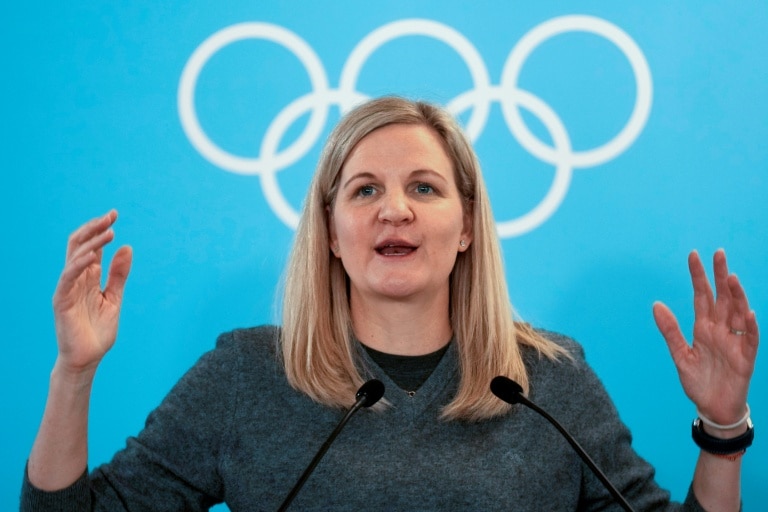
    IOC President Kirsty Coventry defended the decision as scientifically grounded and medically endorsed. “At the Olympic Games, even the smallest margins can determine victory or defeat,” Coventry stated. “It would be fundamentally unfair and potentially unsafe for biological males to compete in the female category across certain sports.”

    The policy shift follows controversy during the 2024 Paris Olympics women’s boxing competition involving Algerian boxer Imane Khelif and Taiwan’s Lin Yu-ting. Both athletes had been excluded from the 2023 International Boxing Association World Championships due to eligibility concerns but were permitted to compete in Paris after the IOC criticized the IBA’s decision as “sudden and arbitrary.” Both athletes ultimately won gold medals in their respective weight classes.

    This reinstatement of biological verification testing revives a practice first introduced at the 1968 Olympics and last used at the 1996 Atlanta Games before being abandoned due to scientific community criticism. The move represents one of the most significant changes to Olympic eligibility standards in decades and will have profound implications for international sports governance.
  • ‘I didn’t hear the fans’: Anthony Seibold declares he’s still the right man to coach Manly after fans call for him to be sacked

    ‘I didn’t hear the fans’: Anthony Seibold declares he’s still the right man to coach Manly after fans call for him to be sacked

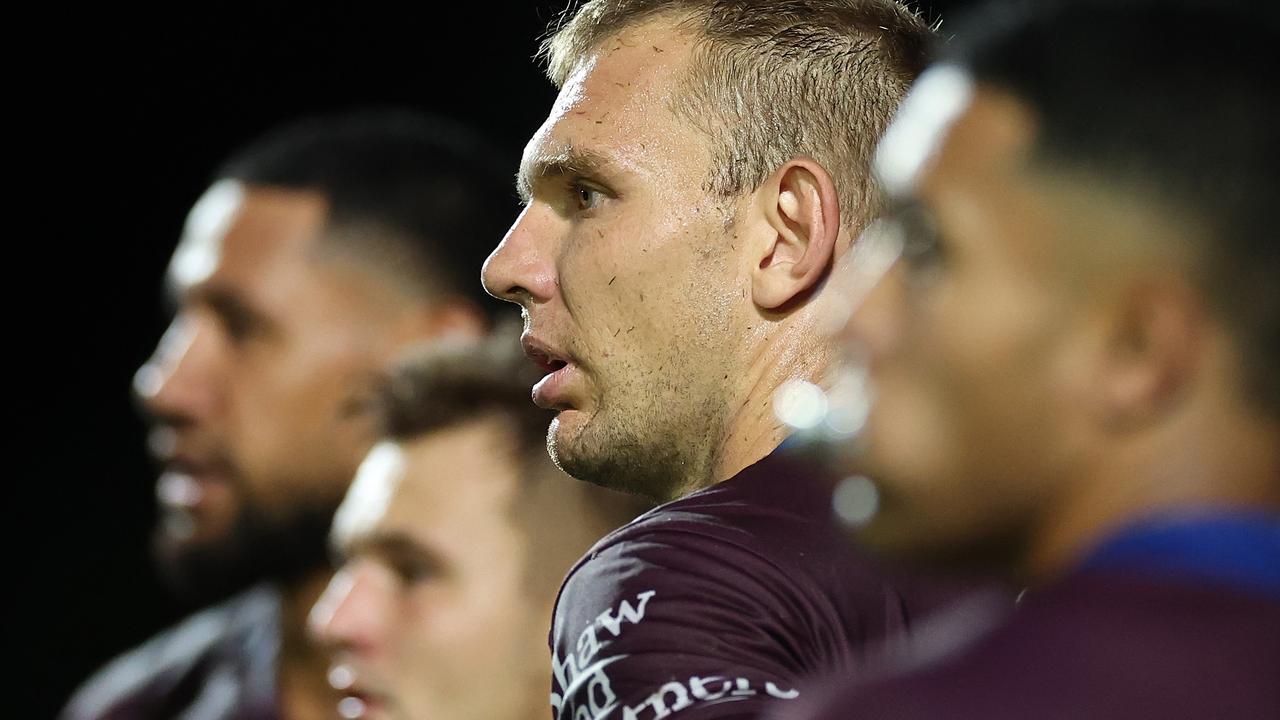
    Manly Sea Eagles coach Anthony Seibold faces mounting pressure from disillusioned supporters following his team’s third consecutive home defeat, creating a tense atmosphere at 4 Pines Park despite an emotional tribute to club legend Daly Cherry-Evans.

    The Thursday night NRL clash began with Manly fans directing boos toward Cherry-Evans during his first appearance against his former team as a Sydney Roosters player. However, the crowd’s frustration quickly shifted toward the home team’s leadership as the Sea Eagles slumped to a 33-16 defeat, marking their third straight loss to open the season.

    With approximately five minutes remaining in the match, audible chants of “Seibold out” echoed through the stadium as disappointed supporters voiced their discontent with the team’s performance. The vocal criticism came despite a significant turnout from fans who braved severe weather conditions that had threatened the match just ninety minutes before kickoff.

    Seibold, who signed a contract extension in late 2024 that ties him to the club until the end of 2027, addressed the growing speculation about his position during post-match comments. “I can’t control that narrative,” Seibold stated, claiming he hadn’t heard the fan protests. “Only Scott [Penn, Manly chairman and owner] and the ownership group can control that, so there’s no point me wasting any energy or time on that.”

    The coach emphasized his long-term commitment to the club, noting: “I think I’ve invested a lot of time in the club over the last three and a bit years and made a lot of sacrifice with my time. I still believe that we can do something together as a group.”

    Despite trailing 10-8 at halftime with only 40% possession against a Roosters squad considered premiership favorites, Manly collapsed in the second half. Critical moments included a penalty try against them and a sin bin ruling that contributed significantly to the final margin.

    The match also saw promising signs with the introduction of young talent Simione Laiafi from the bench, receiving enthusiastic support from fans. Growing calls are emerging for Seibold to incorporate more youth into the lineup, including playmaker Joey Walsh in the halves.

    Compounding challenges for the Sea Eagles, forward Ethan Bullemor sustained an Achilles injury during warm-up exercises, disrupting interchange plans and potentially creating additional selection headaches ahead of next week’s crucial match against the Dolphins.

  • South Africa disinvited from G7 in France after US pressure: Pretoria

    South Africa disinvited from G7 in France after US pressure: Pretoria

    In a significant diplomatic development, South Africa has been formally disinvited from the upcoming G7 summit in Évian-les-Bains, France, following sustained pressure from the United States government. Presidential spokesperson Vincent Magwenya confirmed to AFP that French authorities withdrew their invitation after American officials threatened to boycott the gathering entirely if South African participation proceeded.

    This exclusion represents the latest escalation in deteriorating relations between Washington and Pretoria, which have been strained across multiple fronts. Tensions have mounted particularly around South Africa’s genocide case against Israel at the International Court of Justice and former President Donald Trump’s controversial assertions regarding the persecution of white Afrikaners in South Africa.

    The diplomatic rift deepened when Trump administration implemented substantial economic measures against South Africa, including imposing 30% tariffs on most South African exports—the highest rate applied to any sub-Saharan nation, though subsequently overruled by the US Supreme Court. Additionally, Trump consistently criticized South Africa’s racial justice policies designed to address historical inequalities, characterizing them as discriminatory against white citizens.

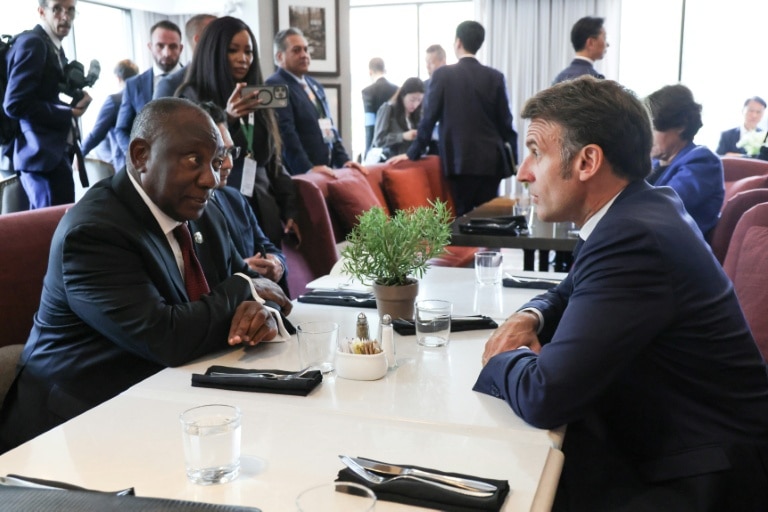
    The original invitation had been extended personally by French President Emmanuel Macron during last year’s G20 summit in Johannesburg. While G7 nations frequently extend participation invitations to additional countries—with Brazil, India, and South Korea included this year—South Africa’s anticipated involvement has now been formally revoked.

    Despite these developments, South African officials emphasized that bilateral relations with France remain unaffected. Magwenya stated, ‘This will have no impact on the strength and close nature of our bilateral relationship with France.’ Regarding US relations, he added that South Africa ‘remains committed to engage constructively with the US,’ noting that diplomatic relationships ‘predate the Trump administration and will outlive the current White House term of office.’

    The diplomatic friction further manifested recently when Pretoria summoned newly appointed US Ambassador Brent Bozell to address his criticism of South Africa’s racial policies and judicial decisions. While the ambassador subsequently acknowledged respect for South Africa’s independent judiciary, the incident highlighted ongoing tensions. South Africa has yet to replace its ambassador to Washington since the expulsion of Ebrahim Rasool in March last year, though officials indicate an appointment is imminent.

  • Belarus’ Lukashenko gifts automatic rifle to North Korea’s Kim

    Belarus’ Lukashenko gifts automatic rifle to North Korea’s Kim

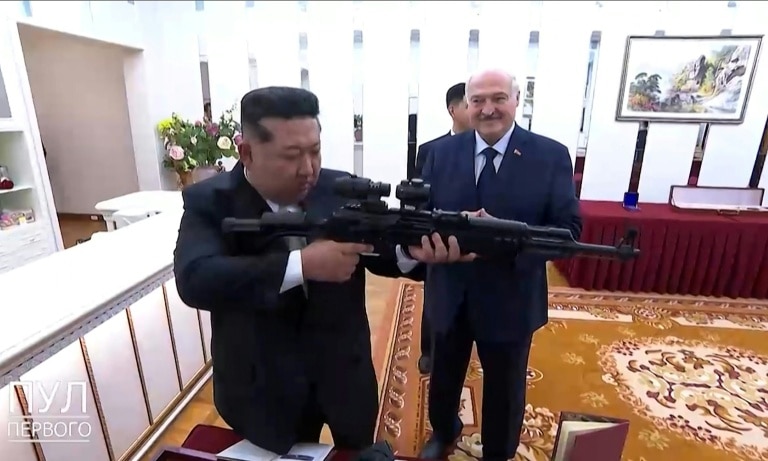
    In a significant display of strengthening ties between two of Russia’s key allies, Belarusian President Alexander Lukashenko concluded his inaugural visit to Pyongyang by presenting North Korean leader Kim Jong Un with an automatic rifle as a symbolic gift. The unusual diplomatic exchange, captured in state media footage, showed Lukashenko quipping that the weapon might prove useful “in case enemies appear”—a remark that elicited laughter from both leaders.

    The firearm presentation occurred alongside the signing of a comprehensive “friendship and cooperation” treaty that establishes a new phase in bilateral relations. The agreement encompasses expanded collaboration across multiple sectors including agriculture, information technology, and potentially defense. Kim Jong Un personally orchestrated an elaborate welcome ceremony for Lukashenko, culminating in the North Korean leader accompanying his counterpart to the airport for what state media described as a “warm farewell.

    In reciprocal fashion, Kim presented Lukashenko with an intricately crafted mosaic vase featuring the Belarusian president’s portrait, reportedly fashioned from approximately thirty seashells—a gift emphasizing the ceremonial importance both nations attached to the visit.

    This diplomatic strengthening occurs within the broader context of both nations’ support for Russia’s military operations in Ukraine, with Pyongyang providing troops and weaponry while Minsk facilitated Russia’s initial invasion in 2022. The emerging alliance positions itself as challenging Western hegemony, with both leaders criticizing what they termed “illegitimate pressure” from Western nations and condemning major powers for “ignoring and violating international law norms”—a clear reference to the United States and its allies.

    The developing partnership between Belarus and North Korea represents another strategic realignment in global politics, as both nations align with China and Russia in advocating for a “multipolar world” structure that challenges existing international power dynamics.

  • Venezuela’s Maduro back in US court after stunning capture

    Venezuela’s Maduro back in US court after stunning capture

    In a significant development in international relations, former Venezuelan president Nicolas Maduro appeared in a Manhattan federal court for his second hearing since being captured by U.S. forces in a dramatic January raid. The 63-year-old leader and his wife, Cilia Flores, have been detained at Brooklyn’s Metropolitan Detention Center for nearly three months following their extraordinary extraction from Caracas in a military operation involving airstrikes, warplanes, and naval support.

    The courtroom proceedings unfolded as protesters gathered outside the courthouse, displaying an inflatable effigy of Maduro in an orange prison jumpsuit with handcuffs. Meanwhile, legal representatives wrestled with fundamental questions about legal fee payments amid U.S. sanctions that prevent Venezuela’s government from directly financing Maduro’s defense.

    Maduro faces serious charges including four counts of narco-terrorism conspiracy, cocaine importation conspiracy, and weapons violations. Despite his detention, the ousted leader maintains his presidential status and has pleaded not guilty to all allegations, declaring himself a ‘prisoner of war.’

    His defense attorney, Barry Pollack, has challenged the proceedings on constitutional grounds, arguing that the license requirement for legal fee payments violates Maduro’s right to proper representation. The hearing primarily addressed procedural matters rather than substantive evidence.

    Meanwhile, Venezuela undergoes significant political transformation under interim leadership. Delcy Rodriguez, Maduro’s former vice president, now guides the nation through economic challenges while implementing substantial reforms including political amnesty measures and resource regulation changes aligned with U.S. interests. This shift coincides with the State Department’s recent announcement about restoring diplomatic ties with Venezuela, signaling potential normalization of relations between the historically adversarial nations.

  • Tension between Tests and franchise T20 – Cummins

    Tension between Tests and franchise T20 – Cummins

    Australian Test captain Pat Cummins has identified a critical juncture in international cricket, highlighting the escalating conflict between traditional Test commitments and lucrative franchise league opportunities. The tension became evident when several Australian Test regulars opted out of The Hundred auction due to scheduling conflicts with Australia’s home Test series against Bangladesh in August.

    While white-ball specialists Tim David, Mitchell Marsh, and Adam Zampa secured contracts in the English tournament, none of Australia’s Test mainstays entered the selection process. Cummins revealed the staggering financial calculations players now face, noting that teammates are declining approximately £500,000 for just 20 days of work in The Hundred to represent their country in two Test matches.

    Speaking on the Business of Sport podcast, Cummins emphasized: “We’ve reached a tension point that has been building for some time and continues to intensify. A central discussion point remains how we ensure our premier Australian players remain available for Test and ODI selection amid overwhelming external demands.”

    The world-class fast bowler, who captains Sunrisers Hyderabad in the Indian Premier League, has personal connections to English cricket through his wife Becky from Harrogate and the Sunrisers franchise’s investment in Northern Superchargers (rebranded as Sunrisers Leeds). Despite his interest in eventually participating in The Hundred, which he describes as an appealing shorter-format tournament, Cummins will miss the initial IPL matches due to recovery from a back injury that limited his Ashes participation.

    The scheduling conflict sees Australia’s first Test assignment since January’s Ashes victory—a two-match series against Bangladesh from August 13-26—directly overlapping with The Hundred’s July 21 to August 16 window. These historic matches will unfold in Darwin (hosting its first Test since 2004) and Mackay (hosting its inaugural Test), marking Bangladesh’s first Australian tour since 2003 and the first bilateral Tests between the nations since 2017.

  • Australia’s Hooper open to extending Exeter stay

    Australia’s Hooper open to extending Exeter stay

    Australian international flanker Tom Hooper has expressed strong interest in extending his tenure with Exeter Chiefs beyond his initial two-year contract, contingent on his continued development as a professional rugby player. The 25-year-old Wallabies forward, who joined the Premiership club last year, made these revelations following his impressive return from a two-month knee injury during Exeter’s recent victory over Sale Sharks.

    Hooper’s transition to English rugby stems from his belief that he had ‘hit his ceiling’ in Australia and required fresh challenges to advance his career. ‘I’m loving my rugby here,’ Hooper stated. ‘I didn’t just come over here for one reason – a few stars really aligned for me. If I’m being challenged as an athlete and as a person and I’m still growing in those areas, then this is the best place for me.’

    The Australian’s commitment to Exeter comes with significant World Cup implications. With Australia hosting the global tournament later in 2026, Hooper acknowledges the competitive selection landscape. Wallabies head coach Joe Schmidt has indicated preference for home-based players, creating additional motivation for Hooper to excel in the northern hemisphere.

    ‘My manager and I sat down face to face and I said ‘do you back me?’ He said ‘yes,’ and then I said ‘awesome, I’ll back myself,” Hooper recounted regarding his decision to move abroad. ‘I just said ‘all right, well, it’s a pretty clear objective for me, I’m just going to make sure that I make you pick me.’

    Hooper’s immediate focus remains on Exeter’s playoff push, with Saturday’s victory propelling the Chiefs back into postseason contention. This represents a remarkable turnaround for a squad that finished second-from-bottom last season with only four league victories. Hooper believes the team’s previous struggles have forged the resilience needed for playoff success.

    ‘We know how to live in dark places,’ Hooper noted. ‘When it comes to play-off periods and really tight-knit games, you’ve got to have a group that’s willing to take it to a dark place, live there and come out the other side – and I think we’ve got a group that’s definitely willing to do that.’

  • G7 meets in France to mend transatlantic rupture on Iran

    G7 meets in France to mend transatlantic rupture on Iran

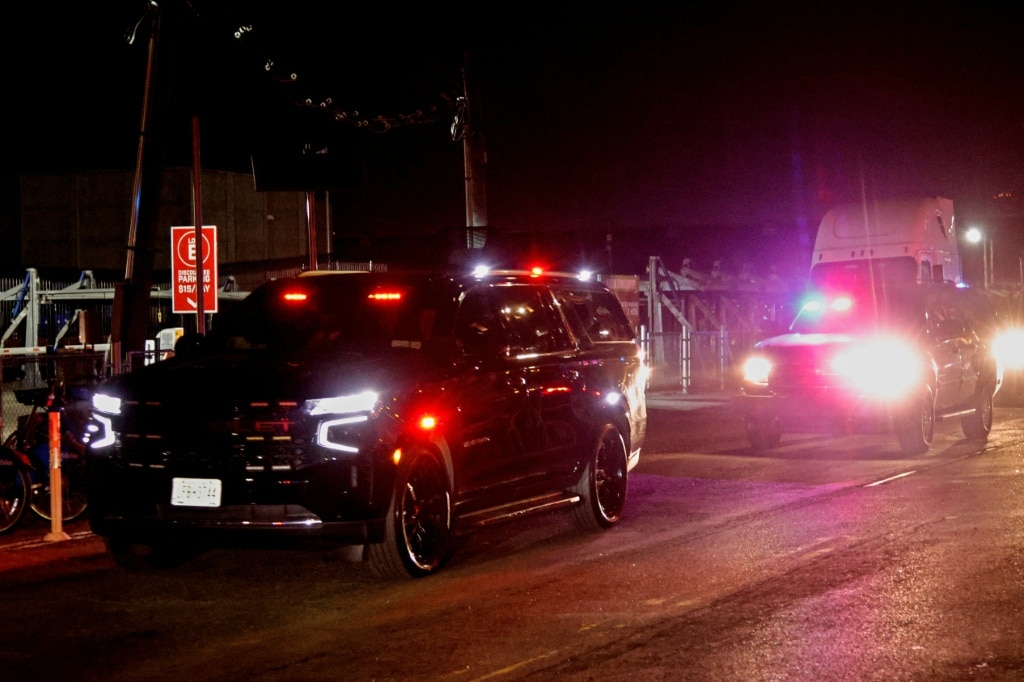
    Foreign ministers from the Group of Seven nations commenced a critical two-day gathering outside Paris on Thursday, aiming to repair transatlantic fractures over Middle East policy while maintaining focus on multiple global crises. The meeting at Vaux-de-Cernay Abbey unfolds against a backdrop of escalating tensions, with the White House threatening to unleash severe consequences if Iran refuses to cease hostilities.

    In a departure from diplomatic norms signaling profound policy divergences, the session will conclude without a traditional joint communique. Instead, the French presidency will issue a singular statement, according to anonymous diplomatic sources. This procedural shift underscores the challenging negotiations between the United States and its European allies regarding appropriate responses to Iran’s regional activities.

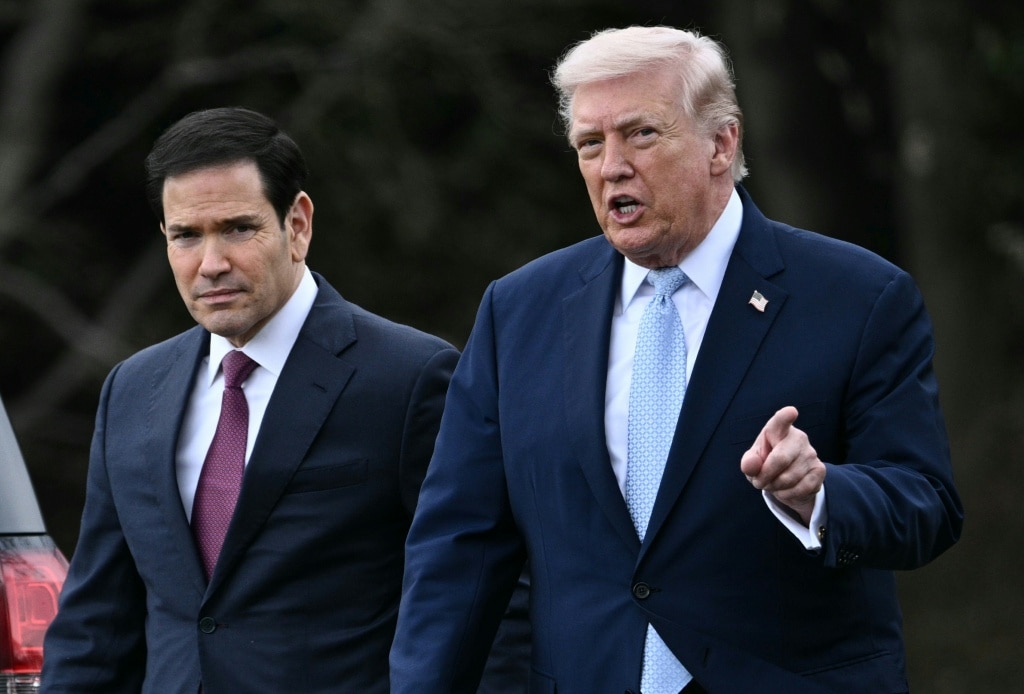
    US Secretary of State Marco Rubio joins the discussions on Friday, marking his first international engagement since the conflict’s inception. He will convene with counterparts from Canada, Germany, Italy, France, Japan, and the United Kingdom amid growing concerns about regional escalation. French Foreign Minister Jean-Noel Barrot emphasized the meeting’s objective to address “major global imbalances” contributing to current international tensions.

    The agenda includes dedicated sessions on global governance reform, Iran, and Ukraine. Notably, France has expanded participation by inviting representatives from Brazil, India, Ukraine, Saudi Arabia, and South Korea—recognizing the need for broader engagement beyond the traditional G7 framework.

    European leaders expressed particular concern about Trump administration policies, with German Finance Minister Lars Klingbeil citing “misguided policies” negatively affecting Germany’s economy. Meanwhile, British Foreign Minister Yvette Cooper noted with concern how the Iran situation has diverted attention from Gaza and West Bank violence.

    Despite these tensions, Barrot reaffirmed the G7’s unwavering support for Ukrainian resistance against Russian aggression, emphasizing continued pressure on Moscow over four years into the full-scale invasion.

  • Israel strikes Iran as Tehran rejects US talks overture

    Israel strikes Iran as Tehran rejects US talks overture

    Tensions in the Middle East reached new heights on Thursday as Israeli forces conducted extensive military operations against multiple Iranian targets. The offensive, described by the Israeli military as “wide-scale strikes targeting infrastructure,” hit locations in central cities including Isfahan and Shiraz, along with southern Bandar Abbas, northwestern Tabriz, and northeastern Mashhad—a region previously largely unaffected by the conflict.

    This escalation comes amid diplomatic tensions after Iran’s Foreign Minister Abbas Araghchi explicitly rejected negotiations with the Trump administration, stating on national television that Tehran’s current policy remains “the continuation of resistance.” While acknowledging message exchanges through “friendly countries,” Araghchi emphasized that “no negotiations have taken place.”

    The conflict, which began with joint US-Israeli attacks on February 28, has expanded dramatically across the region. Iran maintained its retaliatory measures against Israel, with medical officials reporting six people lightly wounded from missile attacks in central Israel. Meanwhile, the Gulf region witnessed fresh violence as debris from an intercepted Iranian ballistic missile killed two people near Abu Dhabi. Saudi Arabia reported intercepting at least 18 drones, while Kuwait confirmed additional missile and drone attacks.

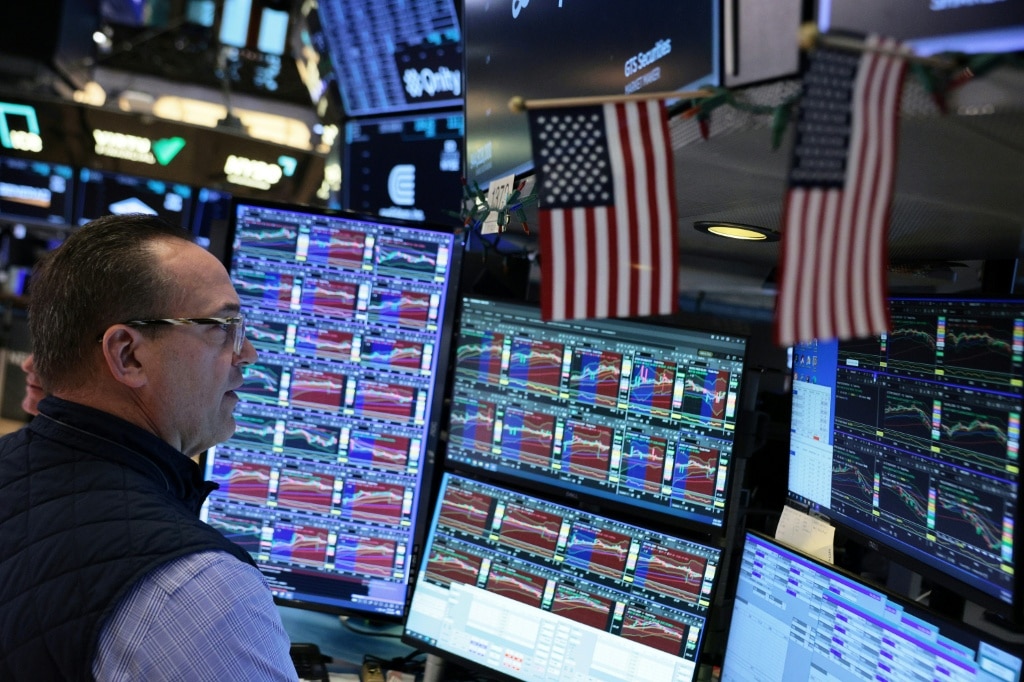
    Economic implications continued to concern global markets, particularly regarding Tehran’s partial blockade of the Strait of Hormuz—a critical passageway for approximately 20% of the world’s oil and gas. Although crude prices had declined recently as the Trump administration appeared to step back from regime change objectives, Thursday’s developments caused renewed market volatility.

    Diplomatic efforts faced additional complications as details emerged of a purported 15-point US peace plan reportedly communicated through Pakistan. However, Iran’s state-controlled media indicated Tehran had “responded negatively” and instead presented its own five conditions for ending hostilities, including guarantees against resumed attacks and compensation for damages.

    President Trump maintained at a Wednesday dinner with lawmakers that Tehran desired negotiations but feared acknowledging them publicly. “They’re afraid to say it because they figure they’ll be killed by their own people,” he stated, adding, “They’re also afraid they’ll be killed by us.”

    The conflict has drawn in additional regional actors, with Hezbollah launching over 80 attacks against Israel on Wednesday—the largest daily number in the current conflict—and targeting Israeli forces in nine border towns. Israeli Prime Minister Benjamin Netanyahu claimed the military had “created a genuine security zone” in southern Lebanon, where an Israeli soldier was killed in fighting on Thursday.

  • Wild footage captures moment powerful storm topple crane in NSW, sparking mass evacuations

    Wild footage captures moment powerful storm topple crane in NSW, sparking mass evacuations

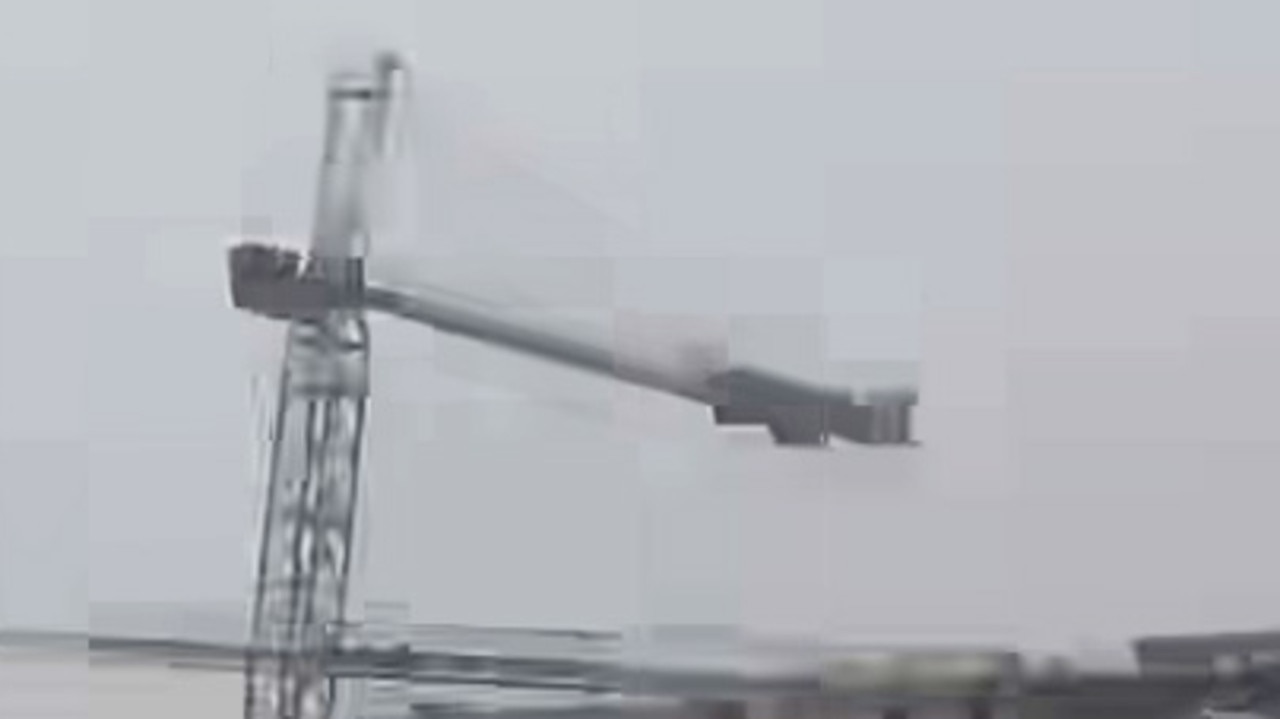
    A severe weather system sweeping across New South Wales triggered a dramatic structural failure in Dubbo’s central business district on Thursday, when powerful winds caused a towering construction crane to collapse. Eyewitness footage captured the harrowing moment the industrial equipment succumbed to ferocious gusts, swaying precariously before disintegrating and sending massive metal components cascading down the side of a high-rise building.

    The incident prompted immediate large-scale emergency response operations, with NSW Police confirming the evacuation of multiple commercial buildings and the closure of five central streets including Church Street near Macquarie Street where the collapse occurred. According to police statements, the affected evacuation zones encompassed Bligh, Wingewarra, Church, Macquarie and Talbragar Streets as emergency crews secured the perimeter.

    Remarkably, the female crane operator who was onsite during the catastrophic equipment failure emerged unscathed from the incident. NSW Ambulance services confirmed multiple paramedic crews attended the scene as a precaution, but reported no injuries despite the extensive property damage and dangerous debris field.

    The Bureau of Meteorology had issued formal severe thunderstorm and damaging wind warnings for multiple districts including Hunter, Illawarra, Central Tablelands, North West Slopes and Plains, and Central West Slopes and Plains prior to the incident. Meteorological officials noted the storm system carried potentially destructive wind patterns capable of causing structural damage to buildings and infrastructure.

    Structural engineers and workplace safety investigators are expected to examine the collapsed equipment once weather conditions stabilize, with initial focus on whether proper safety protocols were followed for securing construction equipment during severe weather events. The incident has raised questions about construction site preparedness for extreme weather conditions in regional urban centers.