标签: Oceania

大洋洲

  • Blackout: Freak storm could delay the start of Thursday night footy as 4 Pines Park power goes out ahead of DCE return

    Blackout: Freak storm could delay the start of Thursday night footy as 4 Pines Park power goes out ahead of DCE return

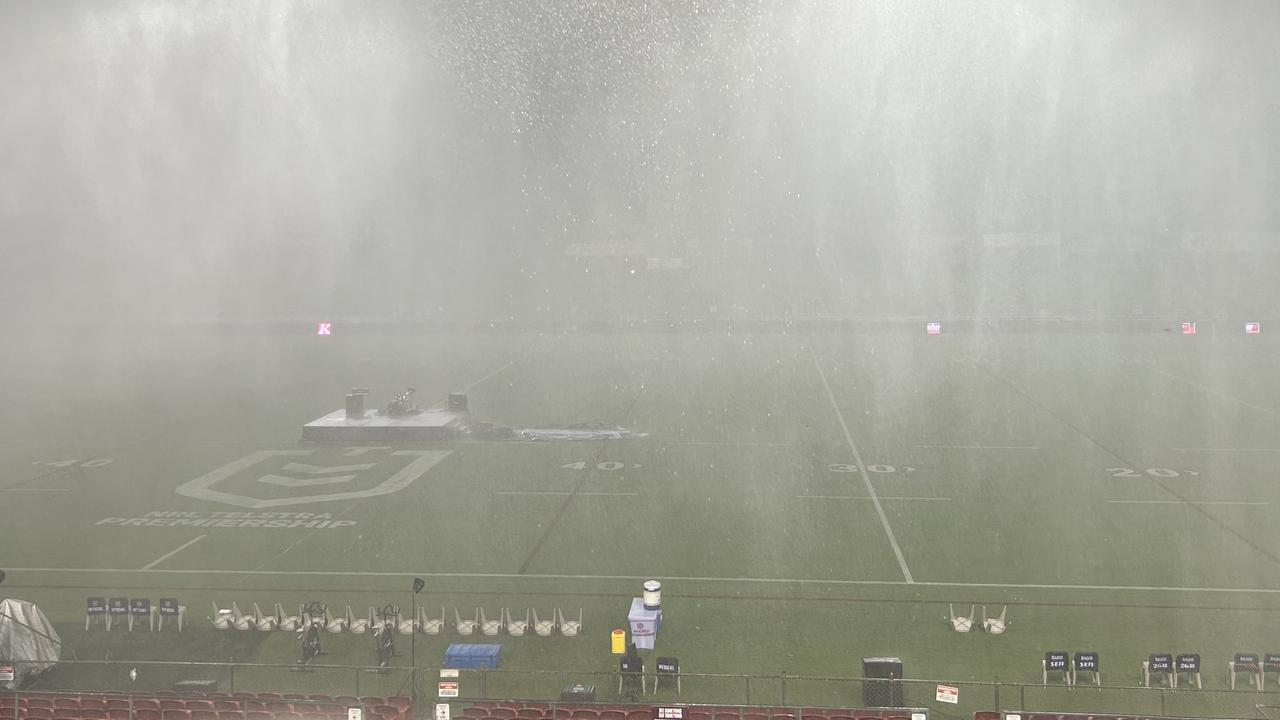
    A severe weather system of unprecedented intensity descended upon Sydney’s northern beaches, plunging 4 Pines Park into darkness and casting serious doubt over the highly anticipated NRL showdown between Manly Sea Eagles and Sydney Roosters. The atmospheric turmoil arrived just as emotional tensions were set to peak with Daly Cherry-Evans’ first appearance at Brookvale Oval since his controversial offseason departure.

    Meteorological chaos unfolded approximately ninety minutes before the scheduled 8pm kickoff, with torrential rainfall, continuous lightning strikes, and cyclonic-grade winds battering the stadium infrastructure. The extreme conditions triggered a complete power failure throughout the facility, while hurricane-force winds ripped away protective tarpaulins covering musical equipment destined for pre-game ceremonies.

    The stadium’s structural integrity faced severe testing as roofing elements groaned under the deluge’s intensity, creating concerning auditory effects for those sheltering inside. Playing surface conditions deteriorated rapidly, accumulating substantial water buildup that raised legitimate concerns regarding athlete safety and match viability.

    This meteorological drama overshadowed the significant narrative surrounding Cherry-Evans’ homecoming. The veteran playmaker’s transition to the Tri-Colours followed protracted contract discussions with Manly management that ultimately collapsed. Despite organizational pleas for respectful reception, former NRL standout James Maloney publicly advocated for traditional rivalrous enthusiasm, stating: ‘While respecting his legacy, supporters should recognize he now represents opposition interests during gameplay.’

    Stadium officials and NRL representatives convened emergency meetings to evaluate options regarding timing modifications or potential postponement, prioritizing spectator and participant welfare above competitive considerations.

  • More than 14 million triple-0 calls in 2025, but only 11.7 million answered, inquiry told

    More than 14 million triple-0 calls in 2025, but only 11.7 million answered, inquiry told

    A parliamentary investigation has uncovered alarming deficiencies in Australia’s emergency response infrastructure following the catastrophic Optus network failure in September 2025. Shockingly, official testimony reveals that approximately 3 million emergency calls never reached emergency services during the incident that has been linked to multiple fatalities.

    Before the Environment and Communications References Committee, Triple-0 Custodian Clare Chapple disclosed that while 14.6 million calls were placed to the emergency number in 2025, only 9 million were successfully transferred to emergency responders. The staggering discrepancy of 5.7 million calls includes both accidental pocket dials and potentially failed emergency attempts, though officials admitted they cannot determine the exact proportion of genuine emergencies that went unanswered.

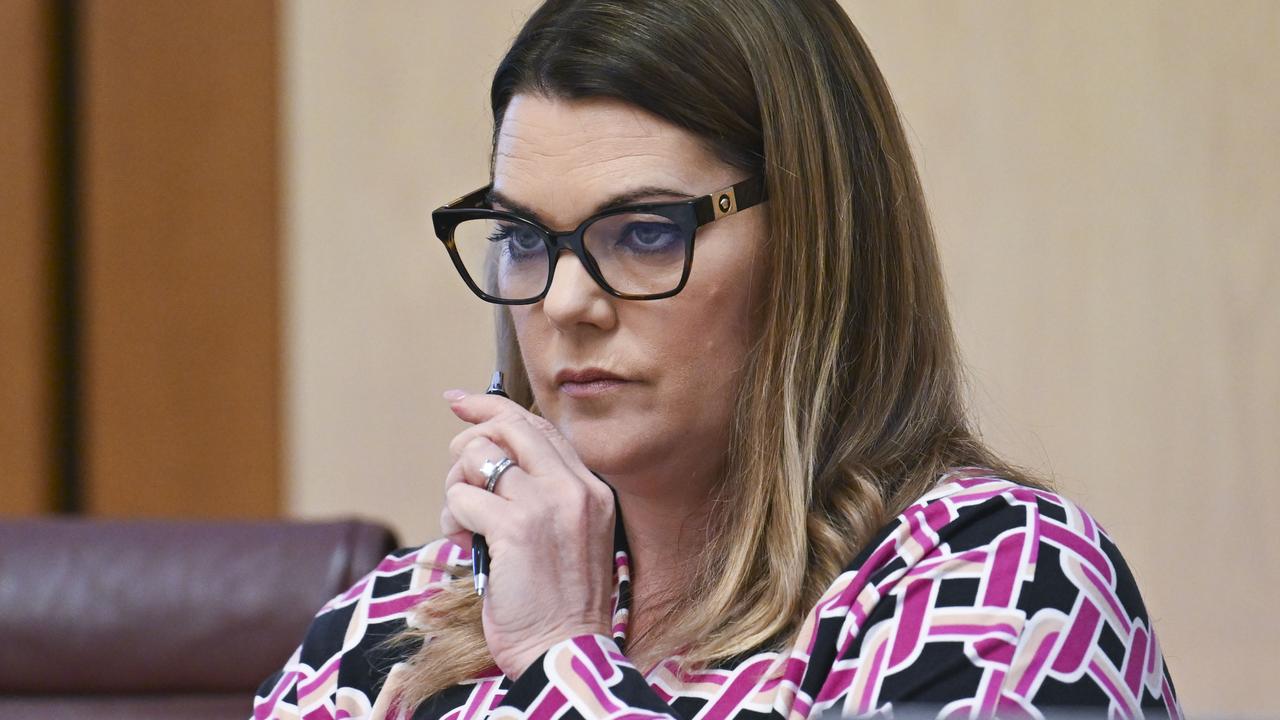
    The inquiry exposed critical gaps in accountability and transparency. Telstra, which holds the government contract for handling triple-0 services, is legally mandated to log failed connections, yet comprehensive data remains unavailable. Greens Senator Sarah Hanson-Young expressed frustration at the committee’s inability to obtain precise figures, noting they must rely on an Australian Communications Consumer Action Network survey indicating one in ten emergency calls fail to connect.

    Further scrutiny emerged regarding the governmental review process itself. Liberal Senator Sarah Henderson challenged the effectiveness of an internal Department review examining whether the Australian Communications and Media Authority remains fit for purpose, characterizing it as an investigation of itself. Ms. Chapple defended the process, emphasizing its focus on regulatory frameworks rather than performance assessment.

    The investigation has sparked broader concerns about technological adaptation within emergency services. Ms. Chapple acknowledged the need to evaluate emerging technologies and ensure the triple-0 system remains functional amid evolving communication platforms. The Department has committed to working with international partners and emergency services to future-proof the critical infrastructure.

    Optus, meanwhile, has reportedly implemented significant systemic improvements and enhanced its reporting culture following the outage. Regulatory authorities emphasize their ongoing monitoring role to ensure telecommunications companies implement necessary changes to prevent future service failures.

  • Australia’s sunscreen regulator wants new rules after recent product scandal

    Australia’s sunscreen regulator wants new rules after recent product scandal

    In response to mounting evidence of widespread sunscreen efficacy failures, Australia’s Therapeutic Goods Administration (TGA) has unveiled comprehensive regulatory reforms targeting the nation’s sun protection industry. This decisive action follows alarming revelations that numerous popular brands failed to deliver their promised protection levels in a country grappling with the world’s highest skin cancer rates.

    The regulatory overhaul was prompted by dual investigations: consumer advocacy group Choice’s testing discovered 16 of 20 sunscreens—including premium products—fell short of their advertised SPF ratings. Concurrently, an Australian Broadcasting Corporation investigation uncovered potential issues with both a leading testing laboratory and a manufacturer producing common base formulas.

    Under the proposed framework, Australia will implement enhanced oversight mechanisms for testing laboratories, including mandatory accreditation requirements. The reforms will focus particularly on cosmetic sunscreens claiming high protection levels, addressing concerns about ingredient quality and formula efficacy. Notably, the review excludes safety assessments of sunscreen ingredients and children-specific products.

    A controversial proposal involves replacing numerical SPF ratings with simplified categorical labels—low, medium, high, and very high—despite consumer advocates advocating for retaining the globally recognized numbering system with improved accuracy.

    The urgency for reform is underscored by Australia’s stark skin cancer statistics: approximately 2,000 annual deaths from melanoma and skin cancer, with two-thirds of Australians expected to undergo at least one skin cancer removal procedure during their lifetime. Despite Australia’s existing stringent regulations—classifying sunscreens as medicines with post-market monitoring—the TGA concluded current safeguards proved insufficient.

    Industry accountability measures have already commenced, with Ultra Violette voluntarily recalling its Lean Screen product after testing revealed an SPF of 4 instead of the claimed 50+. The TGA’s subsequent investigation identified similar concerns with nearly two dozen products sharing the same base formula.

    Consumer advocates have welcomed the proposed enhancements to testing requirements and transparency measures, noting these changes could restore public confidence in sun protection products essential for combating Australia’s extreme ultraviolet radiation levels.

  • Australian sharemarket steadies as investors monitor Middle East tensions and energy market pressures

    Australian sharemarket steadies as investors monitor Middle East tensions and energy market pressures

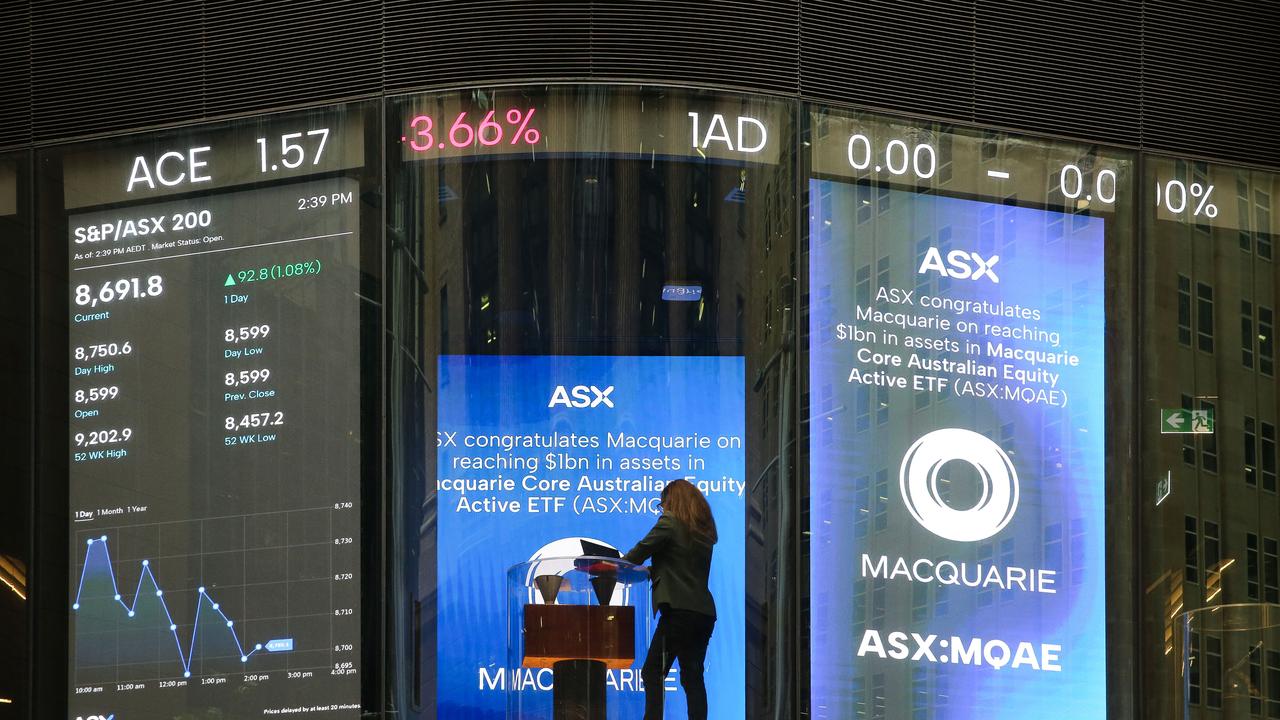
    Australia’s financial markets demonstrated resilience Thursday as the ASX 200 stabilized following a period of significant volatility, closing marginally lower at 8,525.70 points despite mounting international pressures and energy sector uncertainties.

    The benchmark index recorded a modest decline of 8.60 points (0.10%) while the All Ordinaries index settled at 8,740.10. Despite recent fluctuations, the market has posted a 0.33% gain over the past five trading sessions, though it remains 2.16% down year-to-date. The Australian dollar maintained its position near recent lows, trading at 69.54 US cents.

    Sector performance revealed a divided market landscape. Materials and healthcare companies provided substantial support, effectively counterbalancing weaknesses elsewhere. Orica led gainers with a notable 5.25% surge to $20.56, followed by Droneshield’s 4.69% advance to $4.46. Infratil, Karoon Energy, and Dyno Nobel also posted significant gains ranging from 2.95% to 3.46%.

    Energy equities showed modest strength with Ampol rising 0.39% and AGL Energy gaining 0.62%, despite Brent crude prices retreating below the psychological $100 barrier to $99.28 per barrel. Banking institutions presented a mixed picture, with Commonwealth Bank and Westpac recording modest gains while National Australia Bank and ANZ retreated.

    Market analyst Kyle Rodda of Capital.com emphasized that current trading patterns reflect reactive behavior to geopolitical developments rather than fundamental economic data. He identified ongoing international negotiations and Middle Eastern resource mobilization as critical focal points for investors.

    Rodda issued a sobering warning regarding potential economic consequences, noting that prolonged closure of the Strait of Hormuz could trigger disruptive energy market effects reminiscent of COVID-era economic shocks. He explained that elevated energy costs would likely propagate through supply chains, increasing prices for essential commodities including fertilizers, potentially reigniting inflationary pressures and compelling central banks to maintain restrictive monetary policies.

    The analyst further cautioned that even with de-escalation of current tensions, market normalization would require extended time due to production disruptions, critical infrastructure damage, and persistently elevated pricing structures across multiple sectors.

    Globally, markets exhibited divergent trajectories with the Dow Jones Industrial Average declining 0.66% while crude oil prices advanced nearly 2% to $92.08 per barrel.

  • Israel strikes Iran as Trump says Tehran wants deal to end war

    Israel strikes Iran as Trump says Tehran wants deal to end war

    The Middle East witnessed a significant escalation in hostilities as Israeli forces conducted widespread strikes across Iran on Thursday. This military action directly contradicted claims made by U.S. President Donald Trump that Tehran was secretly seeking a diplomatic resolution to the nearly month-long conflict.

    The Israeli military described the operation as “a wide-scale wave of strikes targeting infrastructure,” with significant damage reported in the central city of Isfahan. In retaliation, Iran launched missile attacks that triggered air raid sirens across central Israel, including Tel Aviv and Jerusalem, marking the first such launches from Iran in over 14 hours.

    President Trump asserted during a dinner with Republican lawmakers that Iranian officials were covertly negotiating a peace agreement despite public denials. “They are negotiating, by the way, and they want to make a deal so badly,” Trump stated, suggesting Iranian leaders feared retaliation from both their own citizens and U.S. forces if they openly pursued diplomacy.

    These claims were vehemently rejected by Iranian Foreign Minister Abbas Araghchi, who declared on state television that Iran would only accept an end to hostilities “on our own terms” to prevent future conflicts. The diplomatic impasse continued as Pakistan reportedly forwarded a 15-point U.S. peace proposal to Tehran, which Iranian state media claimed had been “responded negatively” to by officials.

    The conflict has expanded beyond the initial bilateral confrontation, drawing in multiple regional actors. Saudi Arabia reported intercepting at least 18 drones, while the United Arab Emirates and Bahrain responded to new missile and drone attacks. Kuwait International Airport experienced a fire after a drone struck a fuel tank, further illustrating the expanding regional dimension of the crisis.

    The economic ramifications continued to intensify with Iran largely blocking the vital Strait of Hormuz oil route, through which approximately 20% of global oil and gas passes. This closure has driven energy prices upward and created significant uncertainty in global markets. Iranian officials maintained that the strait was “closed only to enemies,” while Pakistan’s Defense Minister ironically noted that “the goal of the war seems to have shifted to opening the Strait of Hormuz, which was open before the war.”

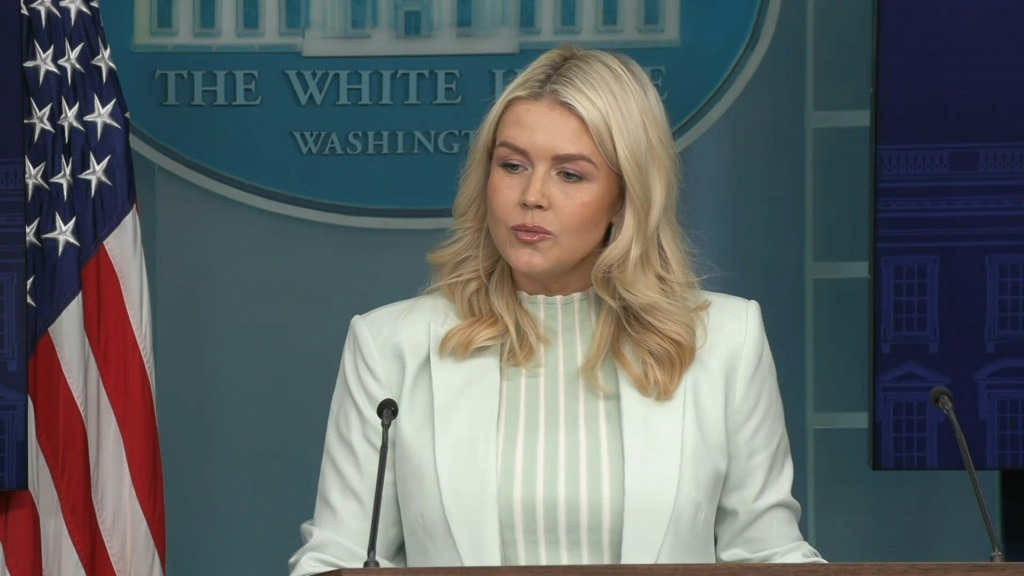
    White House Press Secretary Karoline Leavitt reinforced the U.S. position with a stark warning: “Trump does not bluff and he is prepared to unleash hell on Iran if no deal is struck.” Meanwhile, China’s top diplomat Wang Yi offered a glimmer of hope, suggesting that signs of openness to negotiations from both sides could provide a pathway to peace.

    The conflict has additionally drawn in Lebanon, where Hezbollah forces have engaged in cross-border exchanges with Israel. Hezbollah chief Naim Qassem declared that negotiations with Israel would amount to “surrender,” as the group launched over 80 attacks against Israeli targets in a single day—the highest daily number since hostilities began.

    With thousands of additional U.S. troops reportedly deploying to the region and Iran threatening to target Red Sea shipping in response to any ground invasion, the situation remains highly volatile. UN Secretary-General Antonio Guterres has called for an immediate cessation of hostilities as the international community watches with growing concern.

  • Middle East conflict sparks supply chain crisis threatening Australia’s food, medicine and cost of living

    Middle East conflict sparks supply chain crisis threatening Australia’s food, medicine and cost of living

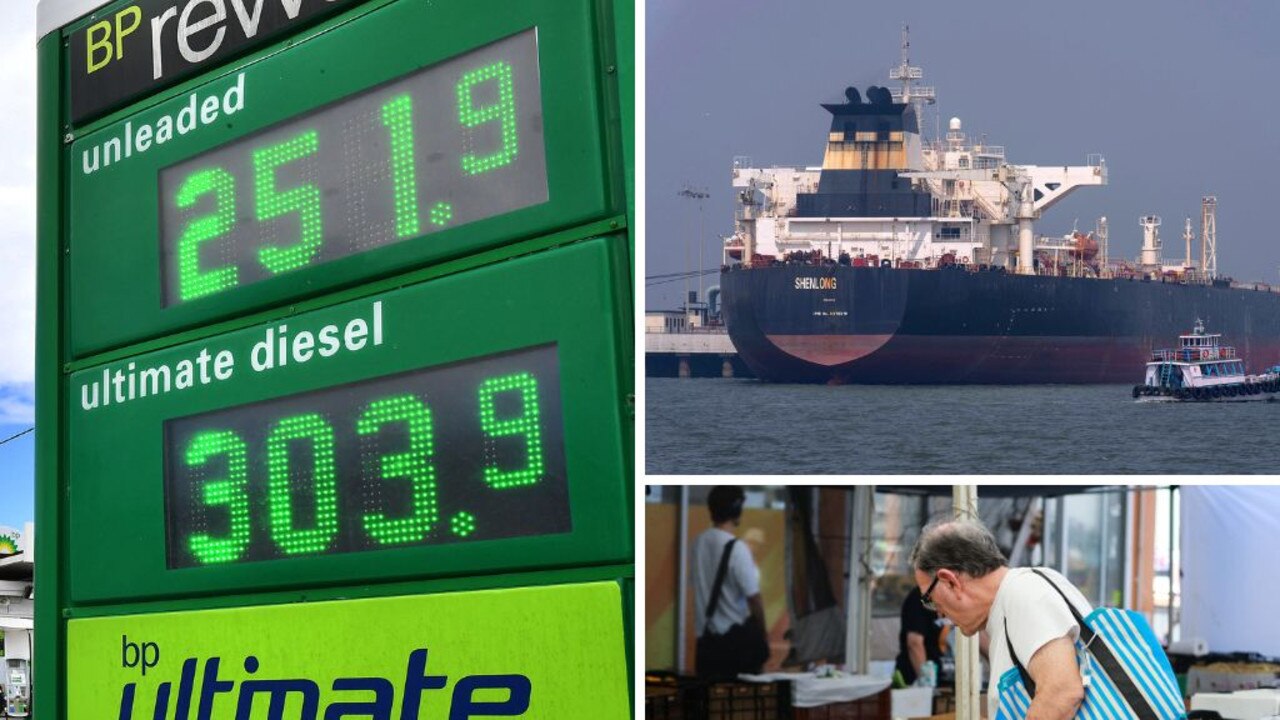
    Australia faces a mounting supply chain emergency as geopolitical tensions in the Middle East disrupt global logistics networks, creating ripple effects across multiple sectors of the economy. The effective blockade of the Strait of Hormuz—a critical maritime passage for oil shipments—has triggered a cascading crisis that extends far beyond rising fuel prices.

    Agricultural producers are confronting unprecedented challenges with fertilizer costs doubling and diesel shortages jeopardizing critical farming operations. Michael Hampson, CEO of dairy cooperative Norco, issued a grave warning: “The fallout from this event could make COVID appear insignificant by comparison. We’re not discussing toilet paper shortages anymore—we’re confronting genuine food security concerns.” Consumers should anticipate milk price increases of 30-50 cents per liter, with packaging materials derived from fossil fuel resins also facing supply constraints.

    The fresh produce and grain sectors report transportation costs from packing facilities to retailers have already doubled. Michael Crisera of Fruit Growers Victoria noted that rising expenses must inevitably be transferred to consumers. Australian Standard White wheat prices have reached a 20-month peak of $259 per metric ton as farmers prioritize diesel conservation for essential machinery.

    Australia’s healthcare system faces parallel challenges, with nearly 400 medications currently in short supply—including 37 classified as critical. Pharmaceutical companies are shifting from maritime to air transportation due to shipping disruptions, significantly increasing costs. Dr. Michael Wright of the Royal Australian College of General Practitioners emphasized Australia’s vulnerability due to importing approximately 90% of its medicines while advocating for increased domestic production.

    Economic analysts project substantial inflationary pressure, with Westpac modeling indicating headline inflation could reach 5.5% by mid-2026 if disruptions persist. Treasurer Jim Chalmers characterized the situation as potentially rivaling both the Global Financial Crisis and COVID-19 pandemic in economic impact. The Reserve Bank has already responded with a 0.25% interest rate increase as businesses grapple with expiring government energy rebates, elevated borrowing costs, and rising operational expenses.

    With oil prices potentially reaching $120 per barrel and requiring up to three years to stabilize, Australians face prolonged economic consequences at supermarkets, pharmacies, and across the broader economy.

  • US activists work to connect Iranians via Starlink

    US activists work to connect Iranians via Starlink

    A sophisticated network of international activists, primarily based in the United States, has successfully established clandestine internet access throughout Iran utilizing Elon Musk’s Starlink satellite technology. This digital resistance movement emerged in response to the near-total internet blackout imposed during the ongoing conflict and represents a critical lifeline for Iranian citizens seeking to bypass government censorship.

    The operational framework involves multiple organizations including NetFreedom Pioneers and Holistic Resilience, which have developed intricate smuggling channels through neighboring countries to deliver Starlink terminals into Iran. According to Emilia James of NetFreedom Pioneers, their organization alone has successfully delivered over 300 devices into the country, while Ahmad Ahmadian of Holistic Resilience reports facilitating the distribution of approximately 5,000 units through underground networks.

    Despite severe government crackdowns implemented in 2025 that carry imprisonment penalties—particularly for devices traced to American organizations—the activist networks have evolved their methodologies. They now employ secure smuggling routes while providing remote security guidance and usage instructions to minimize risks for both operators and end-users.

    The financial barriers remain substantial, with black market terminal prices soaring from approximately $1,000 in late 2025 to nearly $4,000 currently due to supply constraints exacerbated by the closure of the Strait of Hormuz. Additionally, users face challenges in maintaining subscription payments as traditional payment processors like Visa and Mastercard remain inaccessible within Iran.

    Current estimates suggest between 50,000 to tens of thousands of Starlink devices are operational throughout Iran, serving a population of 92 million people. Iranian authorities have responded with increased surveillance, including rooftop inspections and the recent arrest of a major Starlink distribution network leader earlier this month.

  • AFL is reviewing Opening Round amid the code clash with the Anniversary Test match

    AFL is reviewing Opening Round amid the code clash with the Anniversary Test match

    The Australian Football League has initiated a comprehensive review of its 2027 season Opening Round structure due to significant venue constraints at the Melbourne Cricket Ground. The iconic stadium will be unavailable throughout the first half of March as it hosts the landmark 150th Anniversary Test match between Australia and England’s cricket teams.

    AFL Chief Executive Andrew Dillon confirmed the operational reassessment while acknowledging the overwhelming success of the Opening Round concept in its current format. “We are reviewing how that will start,” Dillon stated. “Access to the MCG will be substantially different next year compared to this season’s arrangements due to the Centenary Test event.”

    The Opening Round framework, originally conceived to promote Australian Rules football in non-Victorian states, underwent modification this season with the inclusion of a Victorian matchup. The St Kilda versus Collingwood game at the MCG attracted over 80,000 spectators, setting a new home-and-away attendance record for St Kilda.

    Dillon emphasized the strategic importance of maintaining competitive momentum despite venue challenges. “Opening Round in its three iterations has demonstrated remarkable success in terms of crowd attendance, television viewership, and membership growth for clubs in New South Wales and Queensland,” he noted.

    Concurrently, the league is monitoring potential impacts from the global fuel crisis on team travel logistics. While expressing no immediate concerns for the coming weeks, Dillon confirmed the organization is proactively evaluating contingency plans should transportation restrictions materialize. “It’s something all businesses must consider given current uncertainties,” he commented. “We’re assessing various options to ensure operational continuity regardless of external circumstances.”

  • Ahmad Zahir Safdari accused of involvement in international ring stealing and selling Toyota LandCruisers

    Ahmad Zahir Safdari accused of involvement in international ring stealing and selling Toyota LandCruisers

    Australian authorities have unveiled details of a sophisticated international criminal operation following the court appearance of Ahmad Zahir Safdari, a 27-year-old man accused of masterminding a multimillion-dollar luxury vehicle theft ring. The Melbourne Magistrates’ Court heard allegations that Safdari orchestrated the theft of 46 Toyota LandCruisers within a single month as part of an elaborate scheme to export stolen vehicles to the United Arab Emirates.

    Court documents reveal that Safdari faces multiple charges including conspiracy to commit theft, automobile theft, and handling stolen goods. The prosecution described an ongoing cross-country investigation involving multiple law enforcement agencies, indicating the complexity and scale of the criminal network.

    According to police evidence, the syndicate employed advanced technical methods to bypass vehicle security systems by accessing onboard computers through wiring systems. The operation allegedly utilized a business premises in Cranbourne West, Melbourne, where stolen vehicles were prepared and packed into shipping containers for international export. Authorities believe transportation companies moved these containers without knowledge of their illicit contents.

    Victoria Police estimates the total value of stolen vehicles exceeds $20 million, with more than 150 cars taken in Victoria before the operation expanded to Queensland, where an additional 60 vehicles were allegedly stolen. The investigation culminated last week with coordinated raids on properties in Doveton and Seaford, resulting in the seizure of three vehicles, electronic devices, and business records.

    Prosecutor Luke Rossi requested ten weeks for case preparation, emphasizing the nationwide scope of the investigation. Safdari’s bail was extended until July 9, when he is scheduled to return to court. Detective Acting Inspector Amanda Cohen characterized the syndicate as “brazen and highly sophisticated,” stating the operation appeared “solely motivated by greed” while vowing continued efforts to combat organized vehicle crime in Victoria.

  • ‘Energizer Bunny’: Benji Marshall backs Jock Madden to replace Jarome Luai as Tigers coach embraces massive challenge

    ‘Energizer Bunny’: Benji Marshall backs Jock Madden to replace Jarome Luai as Tigers coach embraces massive challenge

    The Wests Tigers face a significant roster challenge with star playmaker Jarome Luai sidelined for approximately four weeks due to a knee injury sustained during last week’s match against the Rabbitohs. Medical analysis suggests the injury involves medial collateral ligament (MCL) stress rather than the more severe ACL damage, providing some relief to the club’s management.

    Head coach Benji Marshall has expressed confidence in replacement halfback Jock Madden, emphasizing the 26-year-old’s experience from previous stints with both the Tigers and Broncos. “Jarome’s our Energizer Bunny who gives tremendous energy to the team, but we’ve got Jock coming in who possesses distinct strengths we’re eager to utilize,” Marshall stated during team preparations.

    The coaching philosophy extends beyond individual players, with Marshall highlighting the importance of systemic resilience. “Every team encounters injuries—Newcastle faces similar challenges currently. The critical factor is establishing systems where any replacement understands their role and our strategic approach,” he explained.

    In positive development, halves partner Adam Doueihi has been cleared to play despite earlier concerns about a hamstring issue. Additionally, young talent Latu Fainu remains available on the extended bench if required.

    Marshall, now in his third year coaching the historically struggling franchise, reflected on his developmental journey: “Without struggle and occasional failure, there’s no genuine growth. I’m constantly evolving as a coach, seeking improvement methods. This challenging introduction has provided intensive coaching education that I value immensely.”

    The coach emphasized the deeper purpose behind his role: “Beyond developing football skills, we have the privilege of shaping these men into better individuals off the field. That transformative aspect makes the job profoundly rewarding despite its demands on family time.”