标签: Oceania

大洋洲

  • Meghan to appear as guest judge on MasterChef Australia

    Meghan to appear as guest judge on MasterChef Australia

    Almost eight years after their wedding, the Duke and Duchess of Sussex have returned to Australian shores for a four-day private visit, marking their first trip to the country together since 2018. The tour, which blends philanthropic engagements with paid commercial events, has drawn widespread public and media attention across the nation.

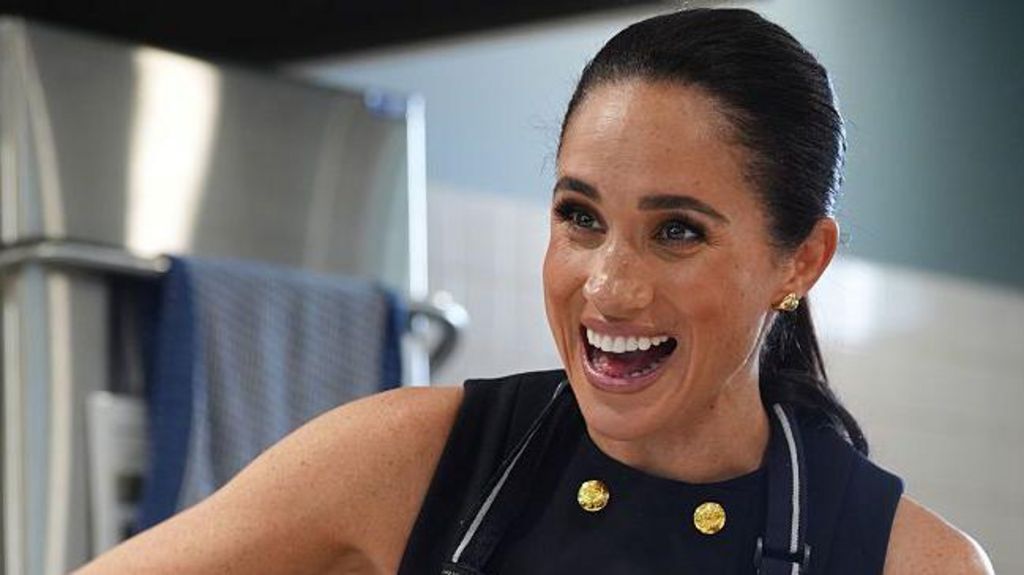
    On the second day of the tour, Duchess Meghan made a pre-taped guest appearance as a judge on the upcoming 18th season of Australia’s iconic cooking competition MasterChef Australia, filming the segment in Melbourne on Wednesday. According to broadcaster Network 10, the episode featuring Meghan is scheduled to premiere on April 19, aligning with the end of the couple’s visit. The appearance builds on Meghan’s existing lifestyle media project *With Love, Meghan*, a streaming series focused on cooking and hosting that has laid groundwork for her expanding personal brand.

    Across the tour, the couple has balanced public charity visits with paid, ticketed engagements. On the opening day of the tour Tuesday, they greeted hundreds of well-wishers gathered in the foyer of Melbourne’s Royal Children’s Hospital during a scheduled charitable visit. Later that day, Meghan stopped by a local women’s refuge, where she helped serve frittata to center residents. On Wednesday, while Meghan filmed her MasterChef segment, Prince Harry split his time between two Canberra engagements: he joined a local Australian Rules Football team for a casual training session to learn the sport, before paying his respects at the Australian War Memorial.

    Moving forward, the pair has a full schedule of remaining stops across Melbourne and Sydney. On Thursday, they will carry out additional pre-planned engagements in Melbourne before traveling north to Sydney. Later this week, Prince Harry is set to deliver a keynote address at the InterEdge Psychosocial Safety Summit in Melbourne, where ticket prices range from roughly A$1,000 (approximately $713 USD) to A$2,400. All proceeds from ticket sales for the summit will be donated to Lifeline, an Australian national mental health charity. The BBC has confirmed it has reached out to event organizers to inquire whether Prince Harry will receive a speaking fee for his appearance.

    In Sydney, Meghan will headline a private women’s-only weekend retreat, where attendees pay up to A$3,199 for access. A premium VIP package includes a spot at a group table for a photo opportunity with the Duchess. It remains unclear what compensation Meghan will receive for the event, which has not yet sold out; organizers are still advertising a small number of remaining rooms.

    Industry analysts have noted the visit comes amid growing signs that Meghan is positioning her lifestyle brand As Ever, which gained significant visibility through the couple’s Netflix docuseries, for an expansion into the Australian market. A search of the Australian government’s intellectual property database shows the brand registered trademarks for 12 different product categories in the country last year, signaling long-term commercial plans for the region.

    As non-working members of the British royal family, the couple is undertaking the entire visit in a private capacity, rather than as official representatives of the monarchy.
  • Trump says Iran talks could resume within ‘days’

    Trump says Iran talks could resume within ‘days’

    Diplomatic efforts across the Middle East have entered a critical new phase this week, with U.S. President Donald Trump signaling that a second round of nuclear negotiations with Iran could kick off as early as this week, even as Washington ramps up military pressure via a full naval blockade of Iranian maritime trade. The twin diplomatic pushes, which also include newly launched direct talks between Israel and Lebanon, remain deeply fragile, with ongoing clashes between Israeli forces and Iran-backed Hezbollah continuing to roil the border region and undermine ceasefire hopes.

    Trump first revealed the timeline during an interview with the New York Post on Tuesday, telling reporters that negotiations would likely reconvene in Pakistan within the next 48 hours, following an inconclusive first marathon negotiating round that ended without a breakthrough. In a separate pre-recorded interview with FOX Business set to air Wednesday, the president went a step further, claiming the broader regional conflict was “very close to being over.” Senior diplomatic sources in Pakistan confirmed to AFP that Islamabad has been working behind the scenes to bring both delegations back to the table, as Pakistani Prime Minister Shehbaz Sharif launched a four-day diplomatic tour of Saudi Arabia, Qatar and Turkey to build regional support for the negotiations.

    Parallel to the U.S.-Iran talks, a historic breakthrough occurred this week between Israel and Lebanon, which held their first direct high-level negotiation since 1993 at a face-to-face meeting in Washington mediated by U.S. Secretary of State Marco Rubio. The talks came after Lebanon was dragged into the wider conflict when Hezbollah launched attacks on Israel in solidarity with Iran, triggering a full-scale Israeli ground incursion into southern Lebanon and a sustained bombing campaign that has killed hundreds.

    After the closed-door meeting, Israeli envoy Yechiel Leiter praised the gathering as a “wonderful exchange” between parties “united in liberating Lebanon” from Hezbollah. His Lebanese counterpart, Nada Hamadeh Moawad, struck a more measured tone, describing the discussion as “constructive” while noting she had pushed forcefully for an immediate ceasefire. The U.S. State Department confirmed in a post-meeting statement that “all sides agreed to launch direct negotiations at a mutually agreed time and venue,” though Israel remains adamant that it will not agree to a ceasefire that leaves Hezbollah’s military infrastructure intact. Israeli officials have repeatedly described the Iran-aligned group as the single greatest barrier to long-term stability along their northern border, and Israeli forces continue to occupy large swathes of southern Lebanon amid ongoing operations.

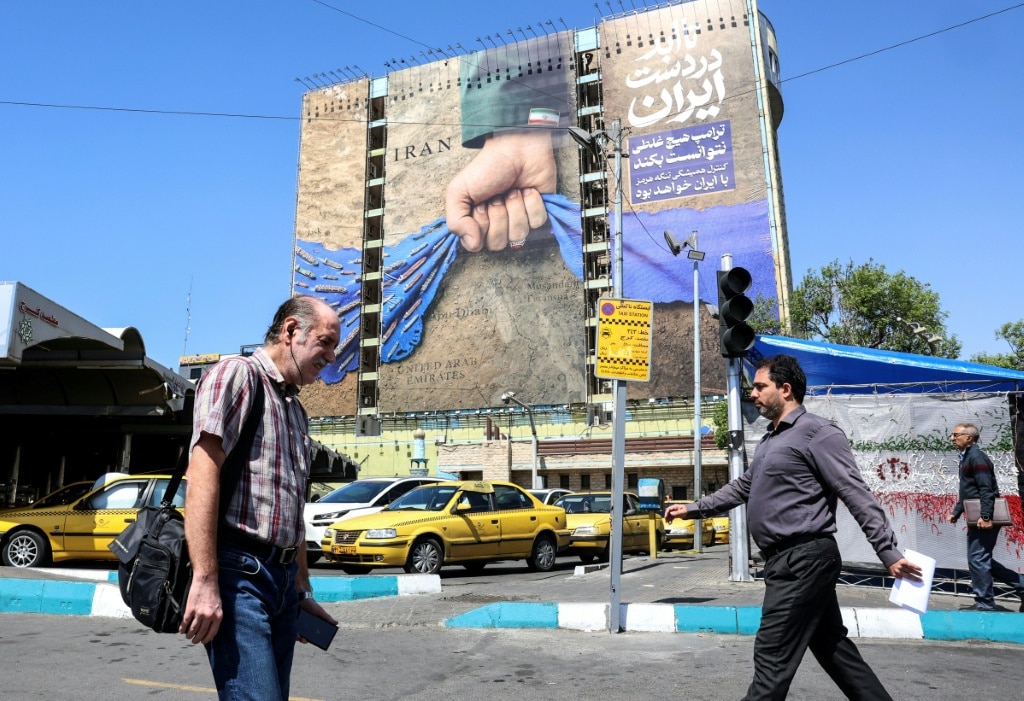
    To pressure Tehran into making concessions at the negotiating table, the U.S. implemented a full naval blockade of Iranian ports this week, which U.S. Central Command announced Wednesday had been “fully implemented” and had “completely halted economic trade going into and out of Iran by sea.” However, independent maritime tracking data from Tuesday tells a more ambiguous story, showing multiple vessels departing Iranian ports and transiting the Strait of Hormuz despite the announced blockade.

    The choke point has been closed to commercial oil traffic by Iranian forces since the start of the U.S.-Israeli offensive in late February, and hopes that a new negotiating round could lead to the strait reopening pushed global stock markets higher and pulled crude oil prices down on Tuesday. Analysts note that Trump’s pressure campaign targets not just Iranian oil revenue, but also China, Iran’s largest crude customer, with Washington hoping Beijing will use its influence to push Tehran into reopening the waterway. On Wednesday, Chinese President Xi Jinping hosted Russian Foreign Minister Sergei Lavrov in Beijing, with both leaders issuing a joint statement pledging to work together to push for de-escalation across the Middle East.

    The core sticking point in U.S.-Iran talks remains the decades-long dispute over Tehran’s nuclear program. U.S. Vice President JD Vance confirmed Tuesday that the Trump administration has put a “grand bargain” on the table for Tehran: full sanctions relief and economic integration in exchange for permanently abandoning any pursuit of a nuclear weapon. Trump launched the current conflict earlier this year on the claim that Iran was rushing to complete an atomic bomb, an allegation that has never been corroborated by the United Nations’ nuclear watchdog agency. Iran has consistently maintained that its nuclear program is exclusively for civilian energy and medical purposes.

    During the first round of talks in Islamabad, U.S. negotiators tabled a proposal demanding a 20-year suspension of all Iranian uranium enrichment activity. Iranian negotiators countered with an offer of a five-year suspension, which U.S. officials rejected out of hand. Speaking at a campaign event in Georgia Tuesday, Vance reiterated that Trump has offered Tehran a clear path: “If Iran commits to not having a nuclear weapon, the president has pledged to make Iran thrive. That’s the kind of Trumpian grand bargain that the president has put on the table. We’re going to keep on negotiating and try to make it happen.”

    Despite the optimistic hints from Washington, the security situation remains volatile: Lebanese state media reported fresh Israeli airstrikes on areas south of Beirut Wednesday, while Hezbollah, which has publicly rejected any Lebanese-Israeli negotiations, launched a barrage of dozens of rockets into northern Israeli territory hours later. The U.S. has made ending the Hezbollah-Israel conflict a top diplomatic priority, fearing that a widening war could scuttle the existing two-week ceasefire with Iran and kill any chance of a broader nuclear settlement.

  • The Middle East war: latest developments

    The Middle East war: latest developments

    Just hours after Lebanon and Israel reached an agreement to begin direct negotiations in Washington, fresh military violence upended the region on Wednesday, bringing new volatility to a conflict that continues to ripple across global energy markets and international diplomacy.

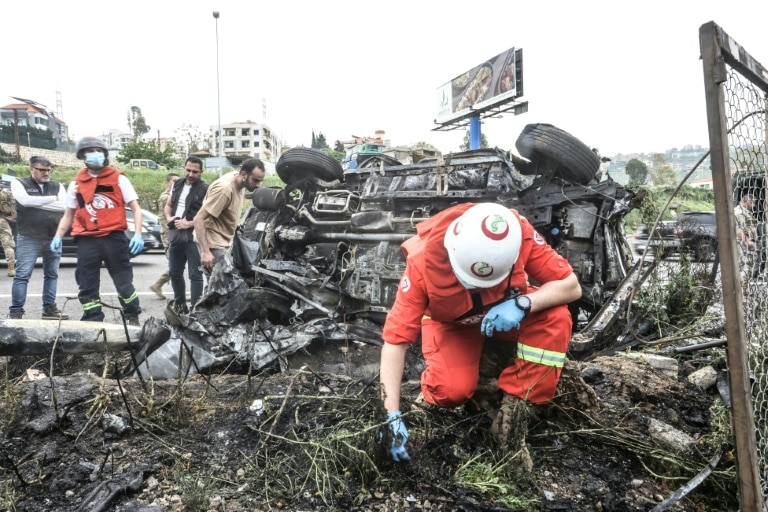
    Israeli military forces carried out two targeted strikes on vehicles in southern Lebanon, Lebanese state media confirmed Wednesday. One strike hit a vehicle in the coastal town of Saadiyat, while the second targeted a car on the coastal highway in nearby Jiyeh, located roughly 12 miles south of Beirut and outside the traditional strongholds of the Iran-aligned militant group Hezbollah. In response to the strikes, Hezbollah launched approximately 30 rocket projectiles toward northern Israeli territory starting in the early hours of Wednesday, an Israel Defense Forces spokesperson confirmed to Agence France-Presse. Israeli authorities also issued a new mandatory evacuation order for civilian residents in southern Lebanon, escalating warnings ahead of anticipated further clashes.

    The fresh outbreak of violence came as diplomatic activity surrounding the broader Middle East conflict accelerated across multiple fronts. Pakistan’s Prime Minister Shehbaz Sharif launched a four-day shuttle diplomacy tour Wednesday, with stops planned in Saudi Arabia, Qatar and Turkey, as regional powers position themselves ahead of potential new peace negotiations between the United States and Iran.

    In a major development that lifted global market sentiment, former U.S. President Donald Trump announced Wednesday that a second round of direct talks between U.S. and Iranian negotiators could begin within 48 hours, stoking widespread optimism that a breakthrough deal could reopen the strategically vital Strait of Hormuz, through which roughly a fifth of global oil supplies pass daily. Trump reinforced that optimistic tone in an interview with Fox Business Network’s *Mornings with Maria*, set to air Wednesday, saying the open conflict with Iran is “very close to being over.”

    Market indicators reacted immediately to the news of upcoming talks: South Korea’s Kospi index surged more than 2%, ending the trading session just hundreds of points away from its all-time record high, while major European indices in London and Frankfurt held steady. Crude oil prices, which have spiked repeatedly amid conflict-related supply disruptions, dropped for a second consecutive session, with West Texas Intermediate crude trading at approximately $90.39 per barrel and Brent North Sea crude settling at $94.62 per barrel.

    Despite the upbeat rhetoric around upcoming negotiations, U.S. authorities have moved to maintain harsh economic pressure on Tehran. U.S. Central Command confirmed that American naval forces have “completely halted economic trade going into and out of Iran by sea,” though maritime tracking data from Tuesday showed multiple commercial vessels that recently docked at Iranian ports passing through the Strait of Hormuz in open defiance of the U.S. naval blockade. Industry analysts note that Trump’s blockade strategy targets not just Iranian oil export revenue, but also aims to pressure China — Iran’s largest crude oil customer — to compel Tehran to reopen the critical chokepoint.

    The U.S. Treasury Department announced Tuesday it will not extend a temporary sanctions waiver that allowed for the sale of Iranian oil already held in storage tankers at sea, a measure originally introduced to cushion global supply shocks caused by the conflict. The short-term authorization is set to expire in coming days and will not be renewed, the department confirmed, adding that it remains committed to “maintaining maximum pressure” on the Iranian government.

    U.S. Vice President JD Vance laid out the core U.S. negotiating position Wednesday during an event hosted by conservative advocacy group Turning Point USA, saying Trump has offered Iran a clear grand bargain: Tehran will be allowed to rebuild economically and “thrive” if it commits to permanently abandoning its nuclear weapons program. The dispute over Iran’s nuclear activities remains the central sticking point in any potential diplomatic deal; Trump launched the original conflict on the claim that Iran was developing an atomic weapon, a charge Tehran has repeatedly denied. “That’s the kind of Trumpian grand bargain that the president has put on the table. Man, we’re going to keep on negotiating and try to make it happen,” Vance said.

    Diplomatic activity is also ramping up in Beijing, where regional and global powers are coordinating positions amid the conflict. Chinese President Xi Jinping met with Russian Foreign Minister Sergei Lavrov this week, Chinese state media reported, as a wave of leaders from conflict-impacted states travel to the Chinese capital for talks. Lavrov told reporters after the meeting that Russia stands ready to “compensate” for any energy shortages China may face if Strait of Hormuz shipping remains disrupted by the ongoing conflict, according to Russian state media reports.

    In a separate humanitarian development, Sri Lanka has completed the repatriation of 238 Iranian sailors who were stranded in the South Asian nation after their vessel was torpedoed by a U.S. submarine in the Indian Ocean on March 4, a Sri Lankan government minister confirmed to AFP.

  • Lesbian Action Group wins Federal Court appeal to exclude transgender women

    Lesbian Action Group wins Federal Court appeal to exclude transgender women

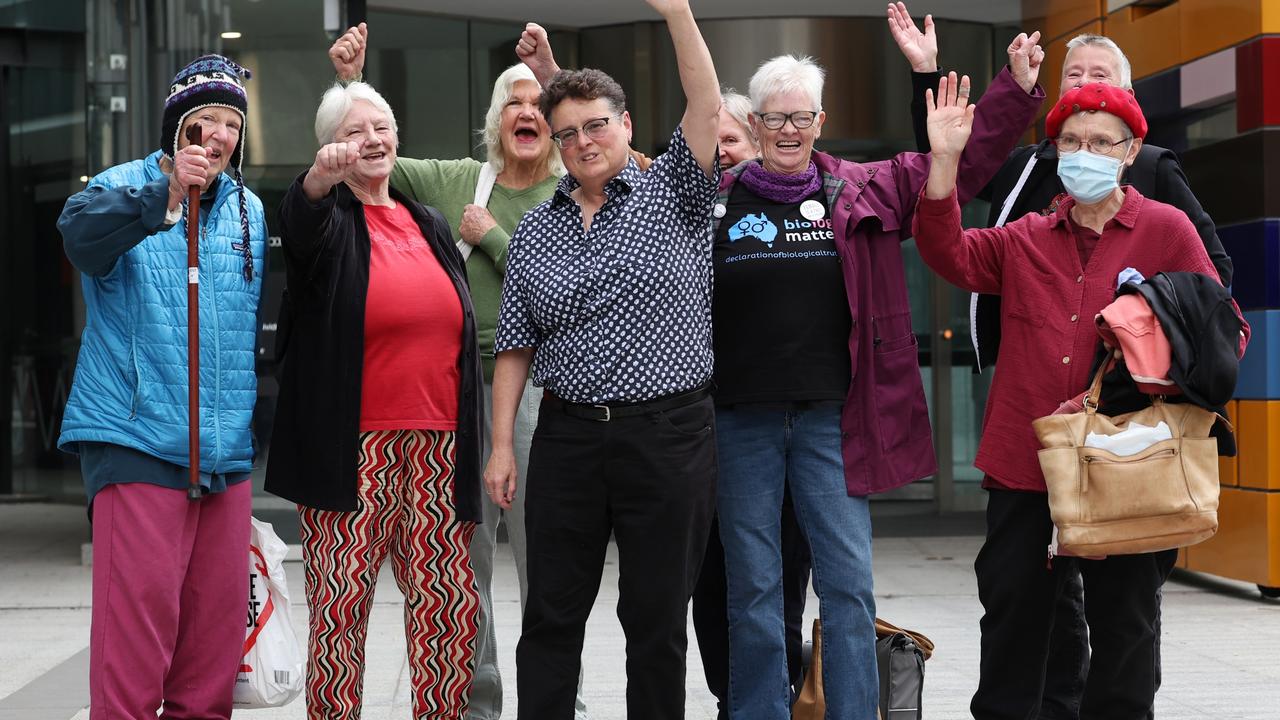
    A high-stakes legal dispute over inclusion and exclusion in Australian community organizing has hit a new milestone, with a Melbourne-based lesbian rights organization securing a successful federal court appeal in its push to bar transgender women from its public events. But the fight is far from settled, with the case set for a fresh review.

  • ASX 200 gives back strong early gains amid ongoing oil market disruption

    ASX 200 gives back strong early gains amid ongoing oil market disruption

    After a promising morning rally fueled by optimism over potential diplomatic progress in the Middle East, Australia’s benchmark sharemarket surrendered nearly all its early advances on a choppy day of trading, as investors recalibrated their expectations for a swift resolution to ongoing regional tensions. By the closing bell, the ASX 200 posted only a marginal gain of 7.90 points (0.09%) to settle at 8978.70, while the broader All Ordinaries index fared slightly better, climbing 16 points (0.17%) to 9181.10. The Australian dollar also saw a bump, rising to 71.40 US cents against its American counterpart.Trading across the benchmark’s 11 sectors was deeply mixed, with just five closing in positive territory. The information technology, healthcare and materials sectors led the modest uptick, with standout performers including logistics tech firm WiseTech, which gained 3.63% to reach $39.96, accounting software provider Xero that climbed 2.62% to $75.10, and enterprise tech provider Technology One that rose 2.86% to $28.81. In healthcare, global biotech leader CSL added 0.98% to $139.44, sleep apnea device maker ResMed gained 1.52% to $32.70, and medical imaging technology firm Pro Medicus jumped 4.09% to $137.42.The day’s bullish opening came on the heels of another strong overnight session on Wall Street, which had pushed the ASX 200 as high as 9015.4 points early in the day. Over the prior 10 trading days, both the S&P 500 and tech-focused Nasdaq had notched gains of more than 10% each, driven largely by early hopes that new peace talks between the U.S. and Iran would ease regional conflict. Kyle Rodda, senior financial market analyst at Capital.com, explained that the overnight global equity rally was sparked by falling oil prices tied to news that fresh U.S.-Iran negotiations would move forward as ceasefire talks progressed. Even so, Rodda warned that underlying risks of a renewed escalation of conflict remain largely unaddressed. “Superficially, the markets appear to be holding onto hopes rather than anchoring themselves in reality,” he noted, adding that ongoing blockades in the region continue to disrupt global oil supplies, leaving the global economy in a precarious position.Those underlying risks dragged on investor sentiment through the second half of Australia’s trading session, erasing most of the morning’s gains even amid confirmation that U.S.-Iran talks could resume in Pakistan within 48 hours. Benchmark Brent crude prices reversed earlier falls, rising 0.8% to $US95.58, a development that reinforced investor jitters over energy market volatility.In individual corporate news, several companies posted notable gains on the day. Virgin Australia shares jumped 7.23% to $2.52 after the airline announced it had hedged most of its exposure to rising fuel costs, offsetting projected half-year cost increases of $30 million to $40 million with a planned 1% cut to domestic flight capacity to reduce further expenses. Gold explorer Evolution Mining rallied 9.55% to $14.45 following the release of strong positive drill results from its Mungair and Cowal operations. Agricultural chemical maker Nufarm surged 11.26% to $2.47 after an upbeat trading update forecast underlying earnings before interest, depreciation and amortization between $239 million and $244 million, marking a 17% increase from the prior year. The day’s largest corporate loss came from Telix Pharmaceuticals, whose shares fell 4.21% to $14.80 after the company announced a $US600 million convertible note offering set to mature in 2031.

  • Australian pleads guilty to creating deepfake porn in landmark case

    Australian pleads guilty to creating deepfake porn in landmark case

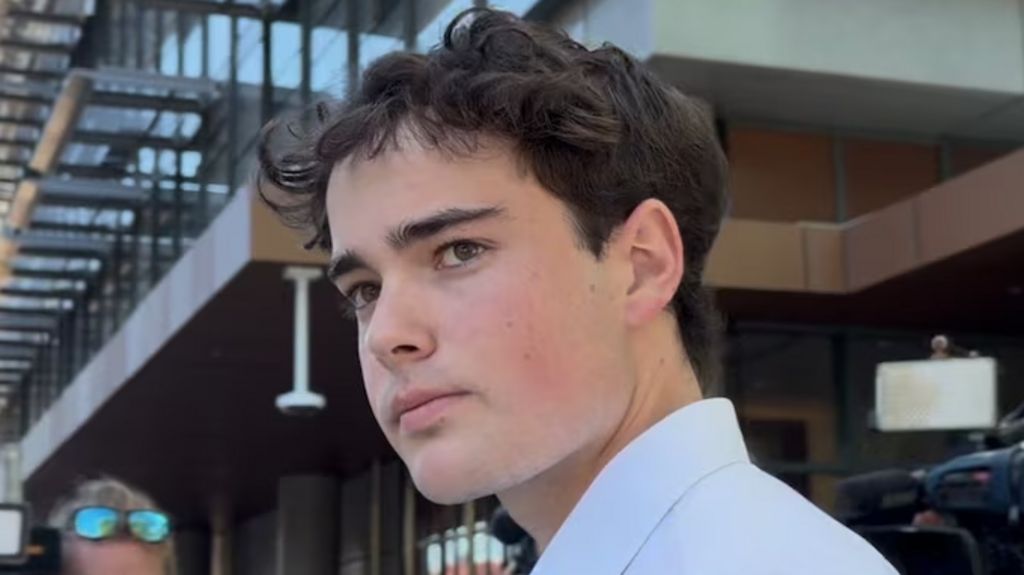
    In a groundbreaking legal milestone that highlights Australia’s escalating battle against AI-fueled online abuse, 19-year-old William Hamish Yeates has entered a guilty plea to multiple charges related to non-consensual deepfake pornography, becoming the first person prosecuted under the country’s newly enacted national law criminalizing manipulated sexual content. The law, which targets the non-consensual creation and distribution of altered intimate imagery, carries a maximum penalty of seven years imprisonment for offenders.

    During Wednesday’s court hearing, Yeates pleaded guilty to four counts: creating and altering sexual material without a victim’s consent, distributing the illicit content, and using a digital communications service in a harassing and offensive manner. Originally, the teenager faced 20 separate Commonwealth charges, but prosecutors from the Commonwealth Director of Public Prosecutions (CDPP) withdrew the remaining counts following his guilty plea. Court documents confirm that Yeates shared the manipulated intimate images of his unnamed victim across multiple accounts on X, the social media platform formerly known as Twitter, without her permission. As he left the courtroom, Yeates declined to answer questions from reporters, and he is scheduled to return for a sentencing hearing next month.

    While a small number of Australian states had previously implemented their own local regulations governing deepfake content, this case marks the first prosecution brought under the unified national law, setting a critical legal precedent for future cases across the country.

    Digital safety experts have long warned that non-consensual deepfake pornography, most often generated using advancing artificial intelligence technology, represents an evolving and dangerous frontier of gender-based abuse and youth bullying. Official data collected by Australia’s eSafety Commission, the country’s internet regulator, backs up these concerns. In 2024 testimony to the Australian parliament, eSafety Commissioner Julie Inman Grant highlighted the explosive growth of harmful deepfake content online, noting that the volume of explicit deepfake material has surged by 550% year-over-year since 2019.

    Grant’s data also underscores the disproportionate impact of this abuse on women and girls: of all deepfake material currently circulating online, 98% is pornographic, and 99% of that explicit content targets female victims. In response to the growing crisis, the eSafety Commission has actively pushed to restrict and ban so-called “nudify” apps within Australia, tools that allow users to generate non-consensual explicit deepfakes from ordinary photos with minimal technical skill.

    For individuals affected by image-based abuse or deepfake harm, support services are available through the BBC Action Line Australia.

  • Aussie finance giant Latitude Finance Australia hit with $3.96m fine after 2.7m anti-spam law breaches

    Aussie finance giant Latitude Finance Australia hit with $3.96m fine after 2.7m anti-spam law breaches

    One of Australia’s major financial services providers has been handed a substantial eight-figure penalty for persistent violations of the nation’s spam marketing regulations, marking the second time in as many years the firm has been punished for identical misconduct. The Australian Communications and Media Authority (ACMA), the country’s independent communications regulator, announced this week that Latitude Finance Australia will pay $3.96 million in penalties after an investigation uncovered more than 2.7 million breaches of Australian spam legislation.

    Of the millions of unauthorized and non-compliant marketing messages distributed by the firm, more than 2.3 million failed to include accurate contact information for the company as required by law. Additionally, 344,416 of these commercial messages lacked a working unsubscribe mechanism that would allow recipients to opt out of future communications, according to ACMA’s official findings. Most of the non-compliant messages were sent to promote Latitude’s line of credit card products and other consumer financial services. While many messages instructed users to reply with the word ‘STOP’ to opt out of future mailings, the regulator confirmed that a large share of these requests were never processed correctly due to broken systems.

    Samantha York, a sitting member of the ACMA authority, emphasized that the size of the penalty was directly tied to both the staggering scale of the violations and the fact that this is a repeat offense. Back in 2022, Latitude was already ordered to pay $1.55 million in penalties for nearly identical spam law breaches. “Latitude is now a two-time offender and it is disappointing that it let consumers down again,” York said in a formal statement. “The spam laws have been in place for more than 20 years, there is simply no excuse for ongoing noncompliance, particularly after previous enforcement action. Given Latitude’s history of noncompliance, we will be very closely monitoring how it meets its obligations going forward.”

    In an official disclosure filed with the Australian Stock Exchange on Wednesday morning, Latitude acknowledged the regulator’s findings and the imposed penalty. The company noted that as soon as internal teams identified that it had sent potentially non-compliant SMS marketing messages, it self-reported the issue to ACMA and immediately moved to update and strengthen its internal spam compliance protocols. As part of an enforceable undertaking agreed to with the regulator, Latitude will now hire an independent third-party compliance expert to audit and verify that its updated processes meet all legal requirements moving forward.

  • AFL 2026: Port Adelaide star Zak Butters finds an ally in Essendon coach Brad Scott

    AFL 2026: Port Adelaide star Zak Butters finds an ally in Essendon coach Brad Scott

    A controversial disciplinary ruling against Port Adelaide star midfielder Zak Butters has sparked public pushback, with one high-profile rival coach and the AFL Players’ Association (AFLPA) questioning the fundamental logic of the tribunal’s finding, delivered Tuesday afternoon.

    Butters was handed a AU$1,500 fine after the tribunal found him guilty of making a suspicious comment to field umpire Nick Foot following a contentious in-match call. According to the umpire’s account, Butters asked, “How much are they paying you?” — a line that implies accusations of bias or match-fixing. Butters has pushed back on this characterization, arguing his comment was actually a misheard phrase along the lines of “How are you paying that?”

    The case has thrown a spotlight on a glaring evidential gap: Foot’s on-field microphone failed to clearly capture the full exchange, leaving no concrete audio evidence to corroborate either version of events. Despite this absence of clear proof, the tribunal ultimately sided with the umpire’s testimony, even rejecting additional consistent testimony from Butters’ teammate Ollie Wines that aligned with the player’s account. After the match, Butters attempted to clarify the misunderstanding with Foot directly, but the veteran umpire refused to engage in further discussion.

    Essendon head coach Brad Scott, a former AFL staff member who now leads the Bombers, has become one of the most prominent voices questioning the ruling, saying he shares the widespread confusion shared by most Australian Rules football fans and observers. While Scott made clear he supports the league’s rule barring general post-match dialogue between players and umpires, arguing that opening that door would create far more problems for the sport at all competition levels, he says the tribunal’s conclusion defies basic evidentiary logic.

    “Like every other footy follower out there, I’m waiting for a clear explanation of how one person’s testimony can be prioritized over another when there is no other supporting evidence,” Scott told reporters. “There’s nothing to back up either side beyond conflicting accounts, so how you reach a firm conclusion on that basis is totally beyond me. Hopefully we’ll get a clearer explanation down the line.”

    Scott’s public criticism comes shortly after AFLPA chief executive James Gallagher issued a formal statement expressing disappointment with the ruling and confirming the union’s full backing for Butters as he explores an appeal. Gallagher noted that the incident, rooted in a simple miscommunication over what was said on the field, should have been resolved immediately after the match rather than being escalated to a full tribunal hearing.

    The union head added that the tribunal’s choice to uphold the charge without sufficient reasonable doubt, while rejecting evidence consistent with Butters’ account, is deeply concerning for player stakeholders. Ahead of the 2026 season, the AFLPA had already pledged to closely monitor tribunal rulings after a string of player complaints about disciplinary processes in recent seasons. Gallagher stressed that maintaining player confidence in the league’s disciplinary system is a core priority for the union, and it will continue to support both Butters and Port Adelaide through every step of the appeal process.

  • Australia ‘better placed’ for energy crisis triggered by Iran war due to renewable uptake: Bowen

    Australia ‘better placed’ for energy crisis triggered by Iran war due to renewable uptake: Bowen

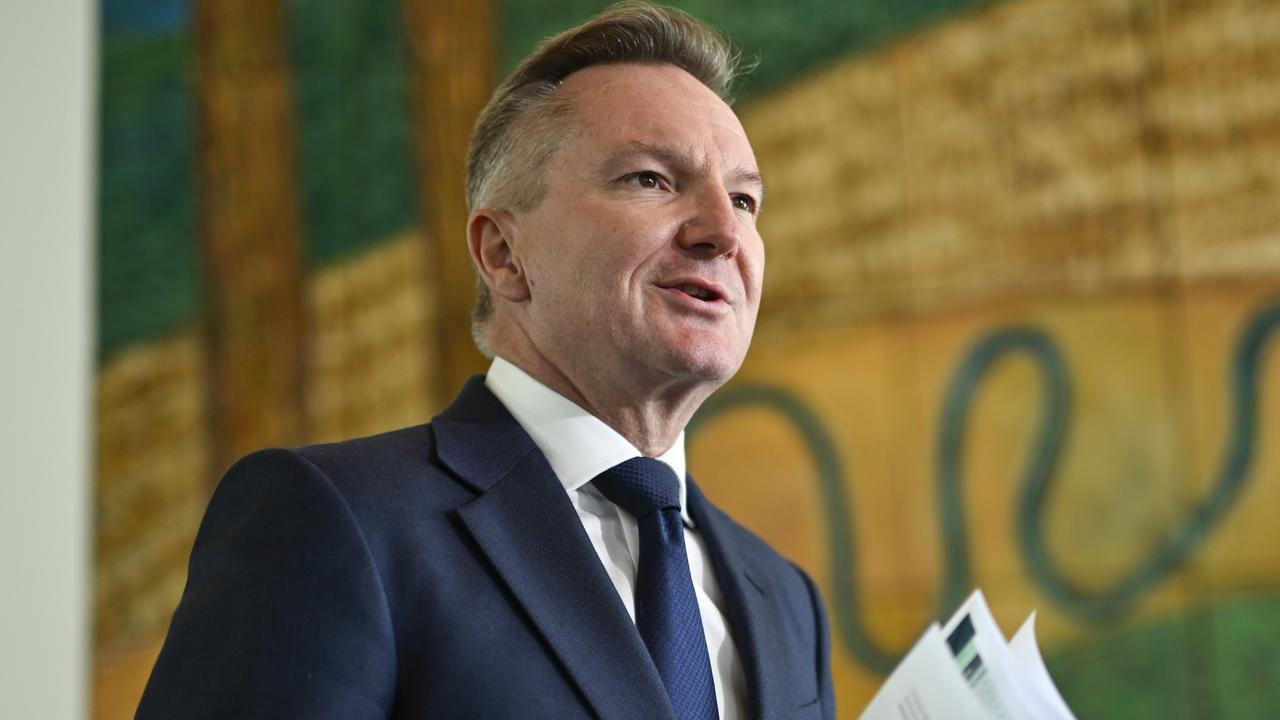
    As the Israel-US conflict with Iran sends global energy markets into chaos, Australia is far better positioned to weather resulting price volatility and supply disruptions than it was during the 2022 Russian invasion of Ukraine crisis – and progress in renewable energy adoption deserves much of the credit, Australia’s Energy Minister Chris Bowen has said.

    Following Tehran’s closure of the Strait of Hormuz, a critical maritime chokepoint through which roughly one-fifth of the world’s total oil supply passes, global energy markets have been roiled by extreme volatility. International benchmark Brent crude has seesawed wildly around the $100 per barrel mark in recent trading sessions, while damage to liquefied natural gas (LNG) infrastructure in the Persian Gulf – most notably in major exporter Qatar – has tightened global gas supplies and pushed prices sharply upward.

    Bowen pushed back Wednesday against claims made by Amos Hochstein, a former energy security official in the Biden administration, who argued that renewable energy sources are incapable of resolving ongoing global energy crises. When pressed by Australian journalists on whether he shared Hochstein’s view, Bowen made clear he holds a sharply different perspective, pointing to tangible progress in Australia’s energy transition that has reduced national exposure to global fossil fuel price shocks.

    “One of the reasons we are better placed in this international energy crisis than we were even in 2022, for the last one, was that we are using a lot less gas,” Bowen explained, noting that Australian gas generation fell to 1.5 terawatt-hours last summer, down from 2.7 terawatt-hours in the summer of 2022. “That means that if the gas price goes up, we are less vulnerable to that – it will still have impact, but less vulnerable than we were because we’re using less gas. And one of the big reasons we’re using less gas, is we’re using more batteries to get through the night. So I think renewables are part of a common sense, careful, calibrated approach to a more reliable energy system.”

    As of Saturday, Bowen confirmed Australia’s national fuel stockpiles have remained stable amid the crisis, though localized supply shortages persist across the country. Approximately 2% of Australian service stations – equaling 156 locations – still report being out of diesel, with every state recording at least a small number of dry petrol outlets.

    Alongside his assessment of national preparedness for global energy shocks, Bowen also announced new emissions data this week showing that on-site carbon pollution from Australia’s largest industrial facilities has fallen by 12%, or 5.8 million metric tons, under the federal government’s signature safeguard mechanism policy. That reduction is equal to removing 2 million passenger vehicles from Australian roads, or roughly 60% of the nation’s total annual domestic aviation emissions, Bowen noted.

    “This is good policy working well, providing that investment certainty for industry to make the investments they need to make sure that their operations are viable on an ongoing basis, but also reducing emissions as they go,” he said.

    The safeguard mechanism requires large industrial emitters to cap and gradually cut their greenhouse gas output, a policy that the opposition Liberal-National Coalition has repeatedly promised to abolish, framing it as an unfair, punitive regulation on Australian business. Critics have also argued that the policy’s allowance for carbon offsets creates a loophole that lets major polluters continue emitting at unchanged levels while purchasing offsets to comply with rules.

    Bowen pushed back against that critique, clarifying that the 12% reduction reported this week counts only direct on-site emissions cuts from facility operations, not emissions reductions achieved through offset purchases. “We’re not talking about offsets. We’re talking about firms making investments and new solutions,” he said.

  • Pope to urge peace in Cameroon’s conflict zone

    Pope to urge peace in Cameroon’s conflict zone

    Pope Leo XIV is set to land in Cameroon Wednesday, kicking off the second leg of his landmark African tour that has already been marked by unexpected tensions: verbal attacks from former U.S. President Donald Trump and twin suicide bombings during his opening stop in Algeria.

    The 70-year-old pontiff’s four-day schedule in the majority French-speaking central African nation opens with a private audience with 92-year-old Cameroonian President Paul Biya, the world’s oldest sitting head of state who has held uninterrupted power since 1982 and is currently serving his eighth consecutive term. The 3:20 pm (1420 GMT) closed-door meeting has already split the country’s Catholic community, which makes up roughly one-third of Cameroon’s population.

    Local clergy have raised urgent concerns that the meeting will provide a public relations boost to Biya’s administration, just six months after security forces violently cracked down on mass protests sparked by disputed results of the country’s presidential election.

    On Thursday, following his meeting with Biya, the Pope will travel under heavy security to Bamenda, the heart of Cameroon’s long-running Anglophone separatist insurgency. There, he will lead a prayer service for peace before a gathering of 20,000 worshippers, fulfilling the core mission of his Cameroon visit: calling for an end to nearly a decade of armed conflict.

    The roots of what is known as the Anglophone Crisis stretch back to the 1970s, when the former French and British-administered regions of Cameroon formally unified. The country’s English-speaking minority, concentrated in the northwest and southwest regions, quickly raised alarms about the erosion of their unique legal institutions and cultural identity. A deadly government crackdown on peaceful Anglophone protests in 2016 escalated into full-scale armed conflict between separatist fighters and Cameroonian government forces, a dispute that remains unresolved to this day. By 2024, human rights non-governmental organizations estimate the violence has killed more than 6,000 people and displaced hundreds of thousands.

    Leo launched his first ever international papal tour in Algeria on Monday, where he paid homage to Saint Augustine, one of Christianity’s most influential theologians, at his birthplace and celebrated mass at a historic basilica that draws 18,000 interfaith pilgrims annually, including Muslim and Jewish worshippers. During the service, he urged Algeria’s small Christian community to “bear witness to the Gospel through simple gestures, genuine relationships and a dialogue lived out day by day.”

    His trip to Algeria was overshadowed by twin suicide bombings in the city of Blida. While Algerian authorities have not yet issued an official statement, a well-placed government source confirmed the attacks, noting investigators do not currently believe the bombings were connected to the Pope’s visit to the majority-Muslim country. No fatalities have been reported beyond the two bombers themselves.

    Even before the tour began, the pontiff’s trip faced unplanned controversy after Donald Trump launched a verbal attack against him, saying he was “not a big fan” of the pope after Leo called for renewed peace efforts in the Middle East. U.S. Vice President JD Vance doubled down on the criticism during an appearance at a Turning Point USA event in Georgia on Tuesday, arguing the Vatican should “stick to matters of morality… and let the president of the United States stick to dictating American public policy.” Vance added: “It’s important, in the same way that it’s important for the vice president of the United States to be careful when I talk about matters of public policy, I think it’s very, very important for the pope to be careful when he talks about matters of theology.”

    Leo dismissed the criticisms outright while speaking to reporters aboard the papal plane en route to Cameroon. Citing the biblical verse “Blessed are the peacemakers,” the pontiff said: “I have no fear, neither of the Trump administration, nor speaking out loudly about the message of the Gospel.”

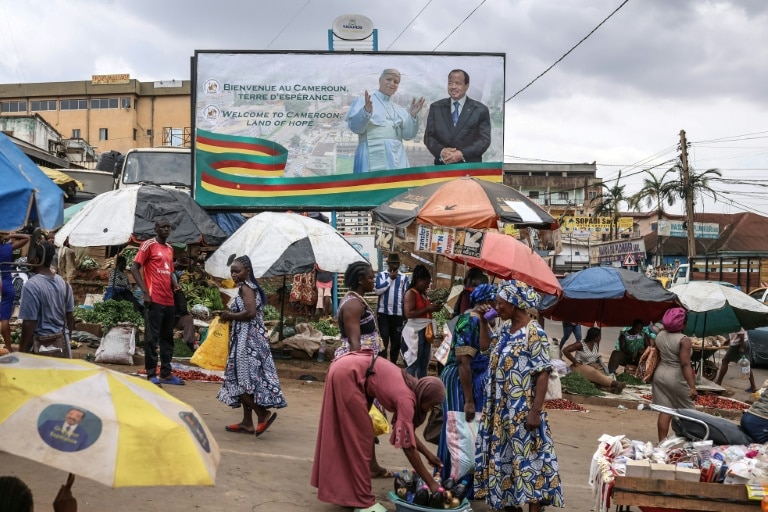
    This visit marks the fourth papal trip to Cameroon, a diverse multi-religious nation often called “Africa in miniature” for its wide range of ethnic and linguistic groups. Streets in the capital Yaoundé have already been lined with welcoming banners and Vatican flags in anticipation of the Pope’s arrival. On Friday, Leo will celebrate open-air mass for hundreds of thousands of worshippers at a stadium in Cameroon’s economic hub Douala, before departing for Angola on Saturday to conclude the third leg of his African tour.