
After more than a decade of bitter legal wrangling over one of Australia’s most profitable iron ore projects, the Supreme Court of Western Australia has delivered a split decision in the high-profile lawsuit against Gina Rinehart, the country’s wealthiest individual, granting partial wins to both sides of the dispute. Rinehart, who holds an estimated personal net worth of A$38 billion, inherited her father Lang Hancock’s iron ore holdings in 1992 and grew the portfolio into a dominant mining force across Western Australia’s resource-rich Pilbara region, anchored in part by the massive Hope Downs iron ore development. At the heart of the legal conflict is a decades-old joint venture agreement forged between Hancock and his close business partner Peter Wright, founders of the iron ore pioneering Hanwright partnership that first laid claim to the Pilbara’s mineral reserves decades ago. The heirs to Wright’s stake, organized under Wright Prospecting, launched the legal challenge alongside two of Rinehart’s own children – Bianca Rinehart and John Hancock – arguing that Rinehart had breached the original partnership agreement and wrongfully withheld rightful shares of profits and control from the claimants. The 51-day 2023 trial centered on competing claims to royalties and mining rights for the Hope Downs project, which is currently jointly operated by global mining giant Rio Tinto and Rinehart’s flagship company Hancock Prospecting. In 2023 alone, the site generated A$832 million in revenue for Hancock Prospecting, with Rio Tinto paying a 2.5% royalty on production to Rinehart’s firm. Justice Jennifer Smith, presiding over the case, ruled that half of all past and future royalties from the project must be awarded to the Wright family, upholding their core claim that they were entitled to a share of the project’s ongoing profits. However, the judge rejected the Wright family’s demand for a split of formal mining rights, leaving full ownership of those critical assets with Rinehart. The court also dismissed claims from Rinehart’s two children, who had argued that their mother moved lucrative Hope Downs mining rights out of a family trust to intentionally cut them off from an inheritance their grandfather intended for them. Rinehart’s defense had argued the transfer was made over legitimate concerns about irregularities in her father’s business dealings, while her children countered the move was designed to exclude Rinehart’s stepmother, Rose Porteous, from accessing the family fortune. A separate claim for royalties brought by the family of late engineer Don Rhodes was partially granted by the court. In responses to the ruling, representatives from both sides characterized the outcome as a victory. Jay Newby, executive director of Hancock Prospecting, noted that the judgment confirmed the company’s full ownership of the Hope Downs mining rights and firmly rejected the broader ownership claims brought by the Wright family and Rinehart’s children. Meanwhile, a spokesperson for Wright Prospecting said the organization was “pleased to finally receive a result in our favour” after 13 years of litigation. Beyond her control of Australia’s largest private mining empire, Rinehart is known as one of the country’s most influential private donors, contributing heavily to conservative political parties, national sports programs, and charitable causes across Australia.
标签: Oceania
大洋洲
-
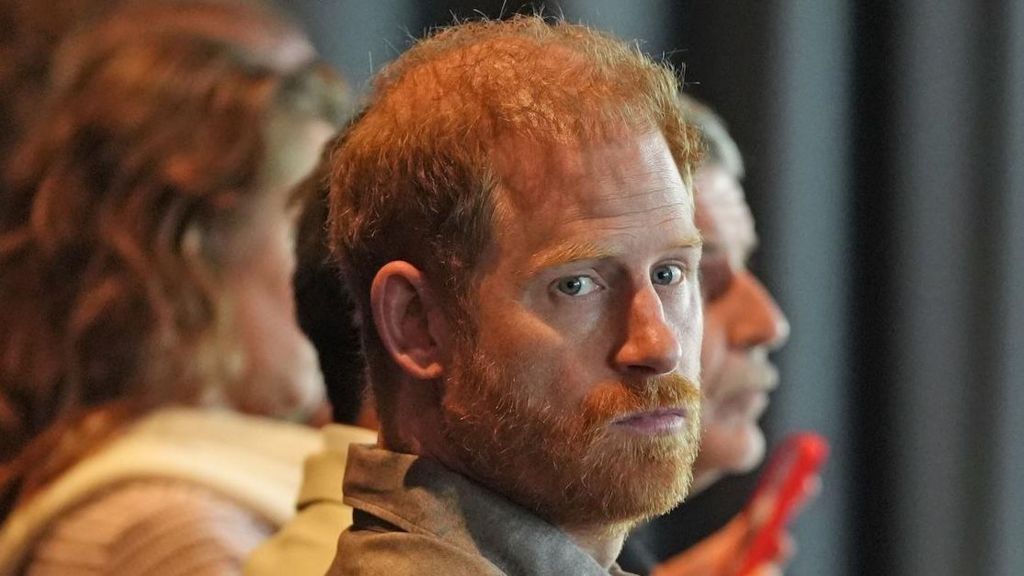
Harry says children should be an ‘upgrade’ of their parents
On the second day of his private working visit to Australia, Prince Harry, the Duke of Sussex, merged his longstanding advocacy for mental health and love of sport to launch a landmark new report on paternal well-being, opening up about his own journey as a father and the intergenerational shift shaping modern parenting.
Greeting the Melbourne crowd with a casual “G’day everyone” and a lighthearted nod to the Western Bulldogs AFL team’s strong start to the 2026 season, the Duke centered his remarks on evolving approaches to parenting, drawing a direct connection to his own experience growing up in the British royal family and raising his own children today. He noted that global social shifts have rendered outdated parenting models obsolete, arguing that each new generation of parents has the opportunity to build on the lessons of the past.
“The world around us has changed massively, so there is no version of where parenting is going to be the same as we experienced,” he told attendees. “From my perspective, our kids are our upgrades. That’s not how I was taught, but that was my take on it… Even if you had the best upbringing in the world, the best parenting in the world, there’s still room for improvement.” A longstanding public advocate for open discussion of mental health struggles, the Duke also pushed back against the persistent stigma that discourages fathers from seeking support when they are struggling, framing openness as a sign of strength rather than weakness.
“For so many years it has been seen as a weakness to stick your hands up. I find it’s the opposite,” he said. “The more grief I get for talking about it, the more I want to stand up and talk about it. I know if I go quiet about it – what does that say to everyone else?”
The event, hosted by men’s health charity Movember, marked the launch of new research that lays bare the unaddressed mental health challenges facing new fathers. The study’s findings are stark: one in five fathers report extreme feelings of isolation in the period after welcoming a child, while just under 60% of new dads were never asked how they were coping in their baby’s first 12 months. The report also found that more than 70% of surveyed fathers are actively committed to parenting differently than their own fathers did, a trend Movember leaders say aligns directly with Harry’s public messaging.
Dr. Zac Seidler, Movember’s Global Director of Research, praised the Duke for bringing authentic, personal experience to the advocacy effort. “He’s really passionate about this, it matters to him, and he told us real stories that he had experienced, stuff that he’d spoken about with his wife, with his therapist,” Seidler said. “He really just wanted to get to the heart of it and talk about advocating for change. I think Harry was just talking about this seismic intergenerational shift that we’re all experiencing. We want to do things differently; we want to learn from our fathers, whether it’s mistakes or otherwise and really lean into what it means to be a dad today.”
Nathan Appo, the first Indigenous Australian to sit on Movember’s global board and a Mamu man from Far North Queensland, acknowledged the complicated context of Harry’s visit, noting that many of the systemic health barriers facing First Nations Australians trace back to British colonialism carried out by the Duke’s ancestors more than 250 years ago. Even so, Appo praised Harry for centering Indigenous voices and engaging meaningfully with the community’s challenges.
“As you travel around the world, connecting with Indigenous people to understand their history and what our people face regularly, the barriers that we face… and how that impacts on health is really important,” Appo told the BBC. “Building your knowledge to give you a good understanding of how you can change policy for the better is really important, and I think Harry is someone who does that. He’s using his platform to promote and empower people around the world and do the right things. It’s hard not to be drawn to people like that.”
After the report launch, Harry leaned into the second half of his day’s agenda: trying his hand at Australian Rules Football, the dominant sport of Melbourne, with players from the Western Bulldogs. Under the guidance of Bulldogs midfielder Adam Treloar, the Duke, a former keen rugby player in his youth, learned the basics of holding the oval-shaped AFL ball and navigating the field. Treloar described Harry as enthusiastic and genuinely curious about the sport, noting that the interaction felt far from the stiff, scripted meetings common for high-profile visitors.
“He went alright, he was very keen on learning,” Treloar told reporters. “I don’t think we had enough time to really teach him, but he was super keen, asking how we hold the footy and where the laces go. It was pretty normal. We had a great conversation. One of the teammates that was with me has four pubs and was talking about his pubs and maybe coming down for a beer if he has some spare time, which obviously he doesn’t, but it just seemed really genuine and authentic.”
Harry’s wife, Meghan, Duchess of Sussex, did not attend Wednesday’s public event, and no public appearances have been scheduled for her on this day. A spokesperson for the couple did not respond to BBC requests for comment on Meghan’s plans during the trip. The couple, who stepped down as working British royals in 2020, are traveling to Australia in a private capacity, combining charitable engagements like Harry’s mental health launch with private commercial work. It is understood that Meghan is using the trip to explore plans for expanding her As Ever lifestyle brand into the Australian market. Following his Melbourne commitments, Harry is set to travel to Canberra for engagements later on Wednesday.
-
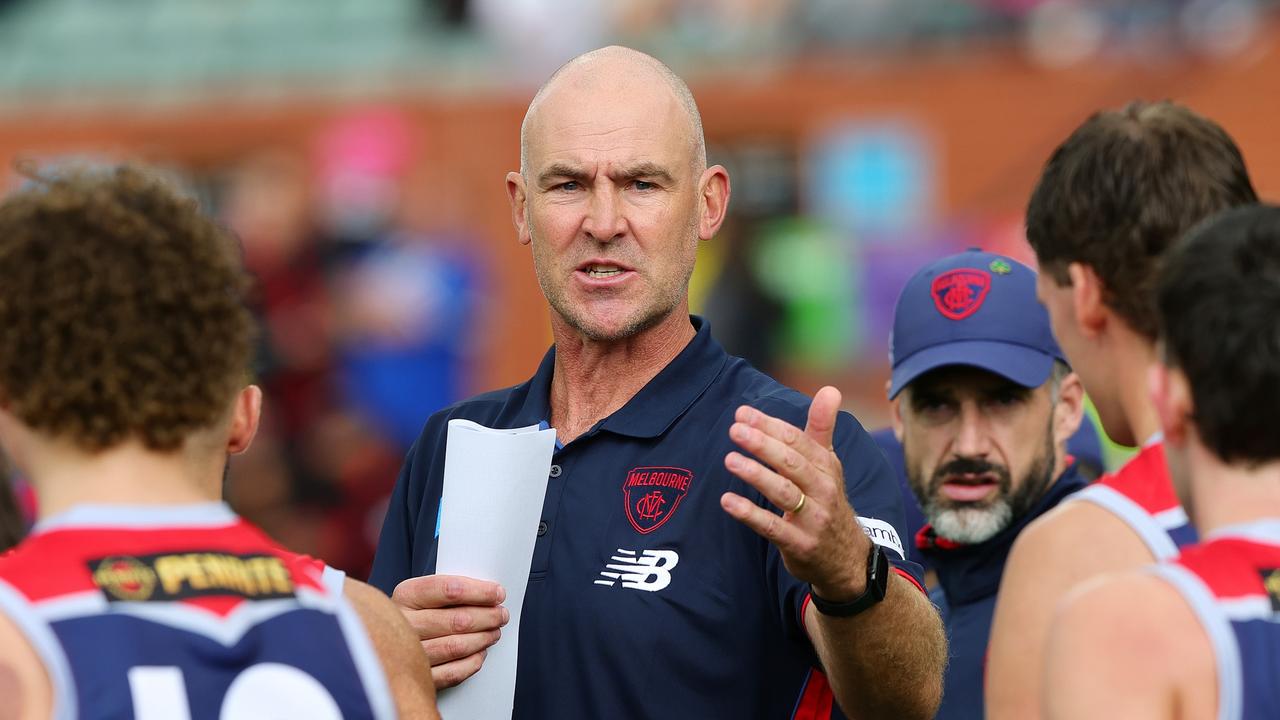
AFL 2026: Melbourne coach Steven King has united with his fellow coaches on a fixture flaw
Just six games into his tenure as Melbourne Football Club’s senior AFL coach, Steven King has added his voice to a growing cohort of league coaches pushing for major changes to the Victorian Football League (VFL) competition fixture, citing disruptive scheduling gaps that derail player development pathways.
The Demons’ reserves affiliate, the Casey Demons, have only been able to complete two regular matches through the first chunk of the 2024 season, with a scheduled bye for the club and a league-wide break to accommodate the VFL State of Origin exhibition match forcing the side into an extended break. The fragmented, stop-start schedule left King’s side with no official competitive outlet for their development players, prompting Melbourne to arrange an unofficial scratch match against Essendon’s reserves at the Bombers’ training base, the Hangar, this past Sunday.
King explained that the current scheduling structure fails star development players waiting for their chance to break into the senior AFL lineup. “I’ve got 12 to 15 players who are hungry to compete every week to prove they deserve an AFL call-up, and right now they can’t get that game time in the official competition,” King said. He pointed out a specific conflict with the State of Origin round: when the VFL pauses all club matches for the representative game, only a tiny handful of VFL-listed players get selected to participate, leaving dozens of AFL-listed reserves with no competitive match to play. “This is something the AFL should look into adjusting. If stand-alone clubs get a bye when they lose players to the State of Origin game, why can’t our AFL-listed reserves get the opportunity to keep playing?” he added.
The disjointed fixture has also forced awkward, difficult conversations between King and players on the cusp of senior selection. “Players come up to me and ask, ‘Does this mean I’m out of contention for the first six weeks because there are no games for me to prove myself?’ That’s a really tough question to answer,” King said. “All our guys want is to get out on the ground and play, so they can put their hand up for senior selection. I know most other clubs have already raised concerns about this issue, and I will be following the proper channels to push for change too.”
Looking ahead to this weekend, Melbourne is set to face the Brisbane Lions at the Melbourne Cricket Ground on Sunday for the annual Jim Stynes Foundation charity match. The game comes as a critical bounce-back opportunity for the Demons, who suffered an upset loss to Essendon during the league’s recent Gather Round.
When asked about his game plan for the Lions, who boast one of the deepest, most talented midfield groups in the competition, King said he would prioritize sticking to Melbourne’s own identity rather than completely overhauling the Demons’ game plan to counter the opposition. “We can’t be a club that just reacts every week and changes how we play to match the opponent,” King explained. “We know what works for our game and what fuels our belief. Of course we will tweak a few things to limit the Lions’ strengths — that’s just standard preparation. But as a young coach, I want this group to play our brand of footy and play to our own strengths.”
-

US lawmaker demands FIFA pay World Cup transport bill amid ticket hikes
The 2026 FIFA World Cup, the world’s biggest football tournament, has sparked a growing political controversy in the United States over proposed public transport fare hikes that would charge visiting fans and local commuters exorbitant prices to reach match venues. On Tuesday, Senate Minority Leader Chuck Schumer, a leading New York Democratic lawmaker, became the most prominent voice calling on football’s global governing body to cover all public transit costs tied to the tournament, arguing the multi-billion dollar organization should not pass its hosting expenses onto local communities.
Schumer’s public call to action came in response to an exclusive report first published by sports outlet The Athletic, which revealed that New Jersey Transit, the state’s main public transit agency, was considering charging fans more than $100 for a single round-trip ticket between Manhattan’s Penn Station and MetLife Stadium in East Rutherford, New Jersey. MetLife Stadium is set to host eight World Cup matches, including the tournament’s final on July 19, making it one of the most high-profile venues in this summer’s iteration of the World Cup.
For context, a standard off-event round-trip ticket on the same route currently costs just $12.90, meaning the proposed hike would represent a more than 675% increase over regular fares. Schumer took to social media platform X to outline his argument, noting that FIFA projects it will earn a record $11 billion in total revenue from the 2026 tournament. “FIFA is set to reap nearly $11 billion from this summer’s World Cup, yet New York area commuters and residents are being handed the bill,” Schumer said in his statement. “The least FIFA can do is ensure New York residents can go to the stadium without being gouged at the turnstile. I am demanding FIFA step up and cover transportation costs for host cities and states. New York commuters and residents should not subsidize an $11 billion windfall.”
Schumer was not alone in criticizing the proposed fare increases. New York Governor Kathy Hochul also joined the pushback, saying that exorbitant transport costs run counter to the goal of making the World Cup accessible to all fans. “The World Cup should be as affordable and accessible as possible,” Hochul wrote on X. “Charging over $100 for a short train ride sounds awfully high to me.”
When contacted by Agence France-Presse for comment on the controversy, NJ Transit did not issue an immediate response. The Athletic had previously obtained an official statement from an agency spokesperson noting that no final pricing decision has been confirmed. “The ticket prices for match day travel have not been finalized and any reference to cost would be unconfirmed speculation,” the spokesperson told the outlet. Still, unnamed NJ Transit sources cited by The Athletic estimate that arranging extra transit services for the eight matches at MetLife Stadium will cost the agency approximately $48 million, creating a major budget shortfall that officials are looking to offset.
New Jersey Governor Mikie Sherrill has already ruled out using state taxpayer funds to cover the additional costs. “We are not going to be paying for moving the people who are viewing the World Cup on the back of New Jersey taxpayers and New Jersey commuters,” Sherrill said Monday, leaving agency officials looking for alternative ways to cover the costs.
The transit fare controversy is not limited to New Jersey. Earlier this month, officials in Massachusetts confirmed that the Massachusetts Bay Transportation Authority will charge $80 for a round-trip ticket from downtown Boston to Gillette Stadium, which is hosting multiple World Cup matches. That price marks a 300% increase over the standard $20 off-event fare, highlighting a nationwide trend of host transit agencies looking to pass extra World Cup costs onto fans. As of Tuesday, FIFA has not issued a public response to Schumer’s demand to cover the transit costs.
-

‘Listening bars’ bloom as hottest new nightlife trend
Across major cities from Paris to New York to London, a one-of-a-kind new nightlife concept is rapidly growing in popularity, offering music lovers a radically different alternative to crowded club nights and noisy gig venues: the ‘listening bar.’ Born from Japan’s iconic cozy jazz kissa culture, this trend prioritizes high-fidelity audio quality that allows audiences to connect with recorded music in a way that modern streaming and cheap portable audio gear rarely can.
The core of every authentic listening bar is an investment in top-tier audio equipment purpose-built to deliver unparalleled sound. At Listener, a popular venue in central Paris, co-founder Jerome Thomas notes the underground soundproof listening room boasts a system that retails for roughly €200,000, featuring handcrafted speakers from niche Greek manufacturer Tune Audio. The result is an audio experience that reveals hidden layers of familiar recordings: crisp, clear treble and rich, resonant bass that listeners can feel in their chest.
Venues split into two broad models to suit different guest preferences. Some focus on active listening sessions, where guests pay admission to gather in a quiet, acoustically treated space, with full attention directed to the music and the sound system. Others pair high-quality audio with a more traditional social setting, allowing guests to enjoy drinks and conversation with elevated music as a backdrop. Many venues stick to vinyl records, rather than compressed digital streams, and rely on high-end cabling and tube amplifiers to maximize audio quality, though some use premium lossless streaming services like Tidal or Qobuz for digital offerings.
For regular guests, the experience fills a gap left by modern music consumption habits. Thirty-one-year-old Camille Calloch, who recently attended a dedicated listening session focused on British neo-soul artist Sampha at Listener, explained the concept has become a core part of how she enjoys music. “It really makes you listen to every word, every instrument, every note,” she said, adding that it complements other experiences from concert attendance to personal headphone listening.
Thomas, a former medical industry worker, says the most rewarding part of running his venue is watching guests rediscover music they have loved for years. “They come to me saying ‘I thought I knew that track by heart, I’ve been listening to it for 15 years, but I heard new instruments, I could hear the mix from the sound engineer’,” he shared. The trend directly pushes back against the low-quality compressed audio that defines most modern listening: while recorded music is more ubiquitous and portable than ever, most consumers stream compressed tracks through Bluetooth headphones or cheap portable speakers, losing much of the detail captured in the original recording.
The boom in listening bars also comes as traditional nightlife shifts. Many cities have seen a steady decline in club attendance, driven by soaring commercial rent costs and changing leisure preferences among younger generations. In contrast, the listening bar scene is expanding exponentially. Dan Wissinger, co-owner of Eavesdrop, a Brooklyn listening bar that opened in 2022, says growth in the sector has been explosive in recent years. Wissinger notes that proper acoustic treatment is a non-negotiable for any legitimate listening bar: “If they don’t have acoustic treatment, then they’re just fake listening bars. In a hospitality space, if you don’t have good damping, you’re not going to be hearing music first.”
London’s fast-growing scene includes both long-running European pioneers like Brilliant Corners and new entries from major hospitality brands. One of the newest additions is Hidden Grooves, launched by the Virgin Hotels group at its Shoreditch location. The venue curates a collection of 5,000 vinyl records, worked with London-based sound engineering firm Project Audio (which has designed systems for top Ibiza clubs) to tune the space, and installed £50,000 Tannoy speakers from the 100-year-old British audio manufacturer. Neil Aline, Virgin’s head of cultural entertainment and a former DJ, first fell in love with the concept while touring in Japan, where the original jazz kissa bars invented the intimate, music-focused model. “If I’m going out to experience music, the concept of a good listening bar checks all the boxes for me,” Aline said. “As a music lover, it’s a whole different way of experiencing music outside of live venues or clubs.”
-

‘Blindsided’: US farmers strained as fertilizer costs surge on war
As spring planting gets underway across the American heartland, farmers in North Carolina and beyond are grappling with an unprecedented crisis spurred by escalating tensions in the Middle East. Skyrocketing fertilizer prices, paired with unexpected delivery delays and supply chain disruptions triggered by the closure of the Strait of Hormuz, have left agricultural producers blindsided and squeezed between mounting input costs and uncertain harvest outcomes.
On Andy Corriher’s North Carolina farm, where corn and soybean seedlings are starting to take root, the crisis has hit at the worst possible moment. Weeks after placing an order for liquid nitrogen, one of the most critical inputs for spring planting, he still has no clear timeline for when his shipment will arrive. Since U.S.-Israeli strikes on Iran prompted Tehran to block the key shipping waterway that carries much of the world’s fertilizer and energy exports, Corriher estimates the price of the nitrogen he relies on has jumped by at least 40 percent. At the Port of New Orleans, a major hub for fertilizer imports, urea prices have surged by roughly 50 percent overall.
To adjust, Corriher has cut his fertilizer application by one-third—a move he fears will translate to lower crop yields at harvest time. He is far from alone in facing this double blow of soaring costs and restricted supply. Forty-year-old Russell Hedrick, who tends 1,000 acres of corn and soybeans near Hickory, North Carolina, purchased around 75 percent of his fertilizer after prices spiked following the closure of the strait. Like most small to mid-sized American farmers, he lacks the on-farm storage capacity and upfront capital to stock up on fertilizer months in advance of planting season, leaving him fully exposed to the market shock. He has dialed back his usage to the bare minimum, holding out for an opportunity to top-dress crops later if prices and supply stabilize.
Even before the current conflict, Hedrick noted, steadily rising input costs had forced farmers to stretch every bag of fertilizer as far as possible, joking that “farmers have essentially become like Breaking Bad chemists with fertilizer, to get the most out of it.” Now, the sudden disruption has pushed that balancing act to breaking point. “This year, we just kind of got blindsided,” he said, adding that past supply chain shocks, such as China’s 2021 phosphate export restrictions, gave farmers months of advance warning to prepare—something this crisis completely lacked.
For 55-year-old Marshville farmer Derrick Austin, comments from U.S. Agriculture Secretary Brooke Rollins that 80 percent of American farmers had purchased spring fertilizer before the conflict broke out offered little relief. Austin was among the 20 percent who could not afford to buy early, and the announcement felt like a “gut shot,” he said. He only managed to secure enough nitrogen for his wheat crop at pre-crisis prices after a supplier gave him a break, calling the overall situation “devastating.”
The crisis carries significant political weight, as the farming community forms a core support base for President Donald Trump, who won 78 percent of the vote in 2024 in counties dependent on agriculture. Trump has attempted to address the anger, blaming “price gouging from the fertilizer monopoly” in a Saturday statement and vowing “American Farmers, we have your back!” But the disruption has left even some of his long-time backers questioning the administration’s handling of the Middle East conflict, and its failure to anticipate the blowback for American households.
Corriher, a long-time Trump supporter, said the crisis felt like an avoidable “collateral damage” of the conflict. “It didn’t seem like we had really thought out all the consequences to the American people,” he said. Austin, meanwhile, said he is “starting to question some of (Trump’s) reasoning” even as he still prefers the current administration to opposing alternatives. Hedrick, who has voted for Trump three times, struck a more measured tone: “He’s human like the rest of us. I think he makes good calls, I think he makes mistakes. If the conflict’s resolution brings long-term peace and a reopened Strait of Hormuz, that’s all I can hope for.”
Beyond the immediate political fallout, agricultural economists warn the crisis could deepen the prolonged slump facing the U.S. farm sector. Iowa State University professor Chad Hart noted the U.S. agriculture economy “has been in a recession for the last couple of years,” with net farm income declining while business costs have stayed persistently high. This year, the overall impact on yields and farm profits may be muted, as some farmers did lock in fertilizer supplies early, either in the fall of 2024 or early this spring. But if the conflict drags on and the Strait of Hormuz remains closed, Hart warned the 2027 crop could face far more severe disruption, as farmers will no longer have the buffer of pre-purchased fertilizer to draw on.
The pain is not limited to farms either. Soaring diesel and energy costs tied to the Middle East conflict have pushed up prices for all American households, with Corriher noting “Everybody seems to be suffering.”
-

Chinese slimmers trade lost fat for beef
As obesity emerges as one of China’s fastest-growing public health crises, local governments across the country have rolled out a creative, incentive-driven strategy to encourage residents to lose weight: trading lost body mass for free groceries, from premium beef to fresh produce. One of the most high-profile of these programs, launched in the eastern Chinese city of Wuxi, has already drawn massive public interest since kicking off in March.
At Wuxi’s local community center, hundreds of participants like 44-year-old Shu Fangqiang, a man with a BMI of 30 that qualifies him as obese, have already signed up. The program’s rules are simple: for every 500 grams a participant loses by the final weigh-in scheduled for January 2027, they earn 500 grams of boneless beef, or 1.5 kilograms of bone-in beef. Those who exceed weight loss targets can even earn premium cuts such as oxtail, with a maximum total reward capped at 10 kilograms of free meat. Organizers reported that more than 1,000 eligible local residents have registered, with thousands more turned away due to local residence requirements. When an AFP correspondent visited the site, queues for initial measurements stretched to a dozen people in both men’s and women’s lines, with staff logging height, weight, BMI and waist measurements, offering encouraging notes, and on-site doctors providing personalized health guidance. Event banners also emphasize safe, sustainable weight loss over rapid results, warning against dangerous practices such as unregulated diet drugs, self-induced vomiting and extreme fasting.
For many participants, the program offers a welcome extra push to stick to long-planned health goals. “Even without the beef, I wanted to lose weight for my health,” Shu said, noting that his excess weight has disrupted his sleep, hurt his productivity at work and impacted his overall quality of life. He aims to lose 20 kilograms through the program. Forty-four-year-old participant Zheng Haihua added that the incentive helps hold her accountable to her goal of moving more and cutting back on overeating, admitting that “when you see delicious food, it’s hard to resist.”
Wuxi’s “Trade Fat for Beef” initiative is far from unique. Similar community-led programs have popped up across China and gone viral on Chinese social media. In southwestern Yunnan province, a “Flab for Potatoes” program rewards participants for shrinking their waistlines, with top performers eligible for free chicken instead of potatoes. National supermarket chain Yonghui Superstores has launched its own version, allowing customers to trade 1.5 kilograms of weight lost over 10 days for 500 grams of beef, crayfish or kiwifruit.
Public health data underscores the urgency of China’s obesity challenge. The World Health Organization estimates that as of 2022, more than one-third of Chinese adults are overweight, and 8.3 percent meet the WHO’s definition of obesity. While those rates are far lower than the United States’ 72.4 percent overweight and 42 percent obesity rates, China’s obesity crisis has grown at an alarming pace: the Chinese Center for Disease Control and Prevention reports the national obese population tripled between 2004 and 2008. By 2021, a study published in *The Lancet* found China had 402 million overweight or obese adults over 25 — the largest obese population of any country worldwide. The 2021 study attributed the trend to China’s rapid urbanization, which has pushed more workers into sedentary office jobs, shifted national diets toward processed, high-sugar and high-fat foods, and reduced average daily physical activity. If current growth rates continue, China’s National Health Commission (NHC) projects that 70.5 percent of Chinese adults could be overweight or obese by 2030, using the commission’s stricter national obesity criteria.
National public health officials have already launched nationwide anti-obesity campaigns, driven by concerns over rising rates of chronic obesity-linked diseases and growing healthcare costs. Local community programs like Wuxi’s are widely seen as a complementary effort to boost public engagement. Local physician Wu Changyan called the incentive model “a fun way to get people motivated” to adopt healthier habits, noting that modern life’s conveniences and chronic workplace stress have made it easier than ever for people to gain excess weight. Still, some public health experts urge tempered expectations. Li Sheyu, a clinical professor at Sichuan University’s West China Hospital, noted that these programs are fundamentally a traditional incentive-based approach to weight loss, not a transformative solution for the national obesity crisis. “I would not consider it a gamechanger in the big picture,” he said. “But it is a good example of disseminating weight-loss ideas to the public.”
-

Atletico resist Barca comeback to reach Champions League semis
A dramatic all-Spanish Champions League quarter-final clash ended in heartbreak for Barcelona and jubilation for Atletico Madrid, as Diego Simeone’s side held on to seal a 3-2 aggregate victory and secure their place in the competition’s final four, despite a 2-1 second-leg defeat on Tuesday night at the Metropolitano.
Barcelona came out of the gate firing from the opening whistle, nearly taking the lead inside the first minute when teenage star Lamine Yamal’s sharp effort was tipped around the post by Atletico goalkeeper Juan Musso. The Catalan side did not have to wait long for their opening goal, however: in the fourth minute, Yamal pressured Atletico defender Clement Lenglet into a costly turnover, collected a return pass from Ferran Torres, and slid a low shot between Musso’s legs to silence the capacity home crowd and ignite Barca’s comeback bid, built on a 2-0 first-leg deficit.
Barca continued to dominate the opening exchanges, with Dani Olmo coming close to doubling their lead before his lobbed effort was gathered by Musso. The second goal finally arrived in the 24th minute, when Torres outpaced Lenglet to meet Olmo’s through ball and fired a clinical finish into the top corner, drawing the tie level on aggregate. Fermin Lopez nearly put Barca ahead on aggregate soon after, but Musso clawed away his header — an intervention that left Lopez bloodied after Musso’s boot caught him in the face.
Against the run of play, Atletico clawed their way back into the tie in the 31st minute when Barcelona switched off defensively for the first time. Marcos Llorente broke behind Barca’s high defensive line down the right flank and delivered a pinpoint cross for Ademola Lookman, who converted the finish to restore Atletico’s aggregate lead. Lookman, who had troubled Barca defender Jules Kounde all night, would see his strike prove the decisive goal of the tie.
The second half brought even more tension and controversy. Barcelona thought they had extended their lead on the night early on when Torres volleyed home, but the goal was ruled out for offside, leaving the Catalan side frustrated. With 20 minutes remaining to find the goal that would force extra time, Barca manager Hansi Flick — who had previously benched star forwards Marcus Rashford and Robert Lewandowski in favor of high-energy pressing from Torres and Gavi — brought on the two veteran attackers to turn the tide.
Tempers boiled over as the clock wound down: Atletico’s Matteo Ruggieri was left bleeding from the face after Gavi caught him with an elbow, and tensions reached a breaking point when Barcelona defender Eric Garcia was sent off for clipping the heels of Alexander Sorloth as the striker bore down on goal. The red card mirrored the first leg’s dismissal of Pau Cubarsi, leaving 10-man Barca with an uphill battle to salvage the tie. Flick pushed center-back Ronald Araujo into the forward line in a last-ditch attempt to find the needed goal, but Atletico held firm through eight minutes of stoppage time to confirm their progression.
This run marks Atletico’s first appearance in the Champions League semi-finals since 2017, and the club will next face either Arsenal or Sporting Lisbon for a spot in the final. The capital side has never lifted the Champions League trophy, having fallen in the 2014 and 2016 finals under Simeone’s leadership. Following the final whistle, Atletico captain Koke expressed his side’s pride at knocking out one of Europe’s elite clubs.
“Very happy, knocking out a great Barca side. We had a great game away… it was really hard for us at the start of this one, but the team knew how to get back on its feet,” Koke told Movistar.
For Barcelona, the defeat extends their 10-year wait for a sixth Champions League crown, having last won the competition in 2015. Despite the exit, midfielder Frenkie de Jong said the club is still progressing in the right direction under new leadership. “I think we had a very good game, we gave our lives out there, we tried everything,” the Dutch midfielder said. “I feel like luck was not on our side. We have to continue — we’re on a good path, we’re growing every year.”
-

Slot in the firing line as Liverpool blown away by PSG
For the second straight season, Paris Saint-Germain sent Liverpool packing from the Champions League on their home soil — but this year’s exit was far more devastating, ending the Merseyside club’s hopes of any trophy this campaign and casting major uncertainty over the future of manager Arne Slot.
Ousmane Dembele scored both goals in PSG’s 2-0 second-leg win at Anfield on Tuesday, wrapping up a lopsided 4-0 aggregate victory that exposed a yawning gap in quality between the two sides. The French champions did not even need to hit their full stride to eliminate the Reds, a stark contrast to 12 months prior, when Liverpool fell to the eventual tournament winners only on penalties, leaving with their heads held high.
Slot’s tenure got off to a promising start, with Liverpool claiming the Premier League title in his debut season last year. Buoyed by that success, the club’s ownership launched a historic £450 million ($605 million) summer transfer splurge, aiming to build on the foundation Jurgen Klopp left after his trophy-laden tenure and push for both domestic and European glory. Liverpool broke its own transfer record twice, landing Alexander Isak for an English-record £125 million from Newcastle United and Florian Wirtz for another nine-figure fee, while adding Hugo Ekitike, Jeremie Frimpong and Milos Kerkez to create a new-look squad. It was the biggest single-window spend by any club in history.
But the campaign was overshadowed by tragedy before it even began: fan favorite Diogo Jota died in a car accident while returning to Merseyside for pre-season training. While the emotional impact of losing a beloved teammate can never be measured, it has hung over the club all season, and on-pitch results have descended into chaos.
The disappointing campaign has already triggered a raft of high-profile exits. Mohamed Salah, who signed a two-year contract extension just 12 months ago, has cut his time at Anfield short a year early. Tensions between Salah and Slot boiled over in December when the Egyptian winger launched an angry outburst after being dropped from the starting lineup, and he was left on the bench for both legs of the PSG tie. Long-serving full-back Andy Robertson has also confirmed he will leave at the end of the season, meaning only Virgil van Dijk, Alisson Becker and Joe Gomez remain from the Liverpool squad that lifted the Champions League trophy in 2019.
Key departures of key first-team stars Trent Alexander-Arnold and Luis Diaz left a major hole in the squad, and the rebuild’s thin depth has been stretched even further by a devastating string of injuries. When Slot fielded all five summer signings in the starting XI for the first time against PSG, the experiment lasted less than 30 minutes before Ekitike went down with a suspected ruptured Achilles, an injury that will almost certainly rule him out for the rest of this season and well into the next.
“It is part of our season,” Slot told reporters after the defeat. “We had Alex, Hugo and Florian together for only 88 minutes before tonight. We added 28 minutes and I would be surprised if we can add a few more minutes to that (this season).”
Isak, the club’s record signing, made his first start back after a broken leg that kept him sidelined since December. Frimpong’s first season at Anfield has been ruined by recurring muscle injuries, forcing another half-time substitution against PSG. While Wirtz has avoided major injury problems, he has failed to replicate the form that made him the star of Bayer Leverkusen’s Bundesliga title-winning side two seasons ago.
Liverpool currently sits fifth in the Premier League table, with only one remaining goal for the season: securing a top-five finish to qualify for next season’s Champions League. Holding a four-point lead over sixth-placed Chelsea, the Reds are still favorites to claim that spot — but it remains unclear whether Slot will be the one leading them into it.
Speculation over Slot’s future has been growing for weeks, with Liverpool fans chanting for former Reds midfielder Xabi Alonso during the club’s 4-0 FA Cup defeat to Manchester City earlier this month. Alonso, who left his role as Real Madrid head coach in January, is widely tipped as the leading candidate to replace Slot if the club’s hierarchy decide to sack the Dutchman just 12 months after he won the Premier League.
-

Peru candidate calls for vote annulment as count tightens
As vote counting continues for Peru’s contentious first-round presidential election, right-wing ultraconservative candidate Rafael Lopez Aliaga has escalated tensions by formally calling for the entire electoral process to be annulled, basing his demand on unproven allegations of systemic voter fraud.
Lopez Aliaga, a Christian nationalist and former mayor of Lima who has openly modeled his political brand on former U.S. President Donald Trump, is locked in a razor-thin three-way race for second place in Sunday’s contest. The top two vote-getters will advance to a June runoff election against current frontrunner Keiko Fujimori, daughter of Peru’s controversial former president Alberto Fujimori.
The first round of voting was marred by widespread logistical failures across the capital city of Lima, where delayed delivery of ballots and other critical electoral materials left tens of thousands of eligible voters unable to cast their ballots on election day. Multiple polling stations were forced to reopen on Monday to accommodate disenfranchised voters, creating widespread disruption and opening the door for unfounded fraud claims to gain traction.
As of Wednesday, with 80 percent of all ballots counted, Fujimori holds a clear lead with approximately 17 percent of the vote. Lopez Aliaga trails in second place with 12.5 percent, with just 0.9 percentage points separating him from third-place social democratic candidate Jorge Nieto, who holds 11.6 percent. Leftist former minister Roberto Sanchez sits just behind Nieto at 10.7 percent, meaning the final outcome of the race for second place remains too close to call.
Speaking to reporters on Tuesday, Lopez Aliaga repeated his baseless fraud allegations and called on Peru’s national electoral commission to invalidate the entire first-round process. “I ask [the electoral commission] to act, declare this entire process null and void, or figure out how to resolve this,” he said. In response to questions from Agence France-Presse, Lopez Aliaga confirmed he was seeking full annulment of the vote to select Peru’s ninth president in just 10 years, and urged his supporters to participate in public protests. “Don’t let them steal our future,” he wrote in a post on his official Facebook page.
Nicknamed “Porky” for his admitted resemblance to the rotund cartoon character Porky Pig, Lopez Aliaga campaigned on a hardline, nationalist platform focused on cracking down on rising violent crime and irregular migration. Among his most controversial policy pledges was a proposal to build maximum-security penal colonies in the Amazon rainforest, surrounded by what he called a “natural fence” of venomous vipers.
Peru has faced chronic political instability over the past decade, with four presidents impeached or removed from office, and this election fielded a record 35 candidates for the nation’s highest office. The entire campaign season was dominated by voter anger over surging extortion and contract killings, as well as widespread public disillusionment with a political establishment broadly viewed as corrupt and ineffective. No candidate is on track to win the 50 percent of the vote required for an outright first-round victory, confirming that a runoff will be held in June as planned.
Independent election observers, including a delegation from the European Union, have publicly confirmed that while the first round was plagued by significant logistical dysfunction, there is no concrete evidence to support Lopez Aliaga’s fraud claims. “Her team found no evidence of fraud,” said Annalisa Corrado, head of the European Union’s election observer mission.
Political analyst Eduardo Dargent, a political scientist based in Peru, told AFP that the widespread logistical failures of the first round handed ammunition to candidates like Lopez Aliaga who are willing to undermine democratic legitimacy to advance their political goals. “The logistics mess has given arguments…to several people who will cry fraud or worse if they are not happy with the result,” Dargent explained.
The chaos has already eroded public trust in Peru’s democratic process among many voters. “We don’t know if the results are true,” Yeraldine Garrido, a 35-year-old Lima receptionist, told AFP. Luis Gomez, a 60-year-old self-employed Lima resident, called the mishap “a major democratic failure.”
In response to the logistical collapse, Peruvian police have already detained one local election official and executed a raid on the private contractor blamed for the late delivery of electoral materials.