标签: Oceania

大洋洲

  • Iran says US must accept peace plan or face ‘failure’

    Iran says US must accept peace plan or face ‘failure’

    Tensions in the Middle East have reached a new boiling point this week, as Iran’s top negotiator issued a stark ultimatum to the United States: accept Tehran’s updated 14-point peace proposal, or prepare for continued failure to resolve the two-month-old conflict that has upended global energy markets and destabilized the entire region. The warning comes just days after former U.S. President Donald Trump declared the existing month-long ceasefire on the brink of total collapse, calling Iran’s counterproposal to an earlier U.S. framework “totally unacceptable.”

    The conflict, which erupted in early March when joint U.S.-Israeli strikes targeted Iranian positions, has expanded across multiple fronts in the region despite the ceasefire that took effect mid-April. Millions of people across the Middle East and hundreds of millions globally have felt its ripple effects, from spiking energy prices to widespread economic disruption. While both Washington and Tehran have dug in their heels and refused to make key concessions, neither side has moved to resume full-scale all-out war – a tense stalemate that has left communities on edge and global markets jittery.

    “There is no alternative but to accept the rights of the Iranian people as laid out in the 14-point proposal. Any other approach will be completely inconclusive; nothing but one failure after another,” Mohammad Bagher Ghalibaf, Iran’s chief negotiator, wrote in a public post on X Tuesday. He added that prolonged delays in reaching a deal would only add to the financial burden borne by American taxpayers, a claim that is backed by new Pentagon data showing the cumulative cost of the conflict for the U.S. has now climbed to nearly $29 billion – a $4 billion increase from just two weeks prior.

    Iran’s latest proposal was delivered in response to a draft framework shared by U.S. negotiators earlier, details of which remain largely under wraps. Media reports indicate the U.S. plan centered on a one-page memorandum of understanding that would end active fighting and set up a long-term negotiation framework for addressing concerns over Iran’s nuclear program. In its counteroffer, Iran has laid out its own non-negotiable demands: an end to hostilities across all fronts, including Lebanon; a lifting of the ongoing U.S. naval blockade on Iranian ports; and the release of billions of dollars in Iranian assets that have been frozen abroad under decades of U.S. sanctions.

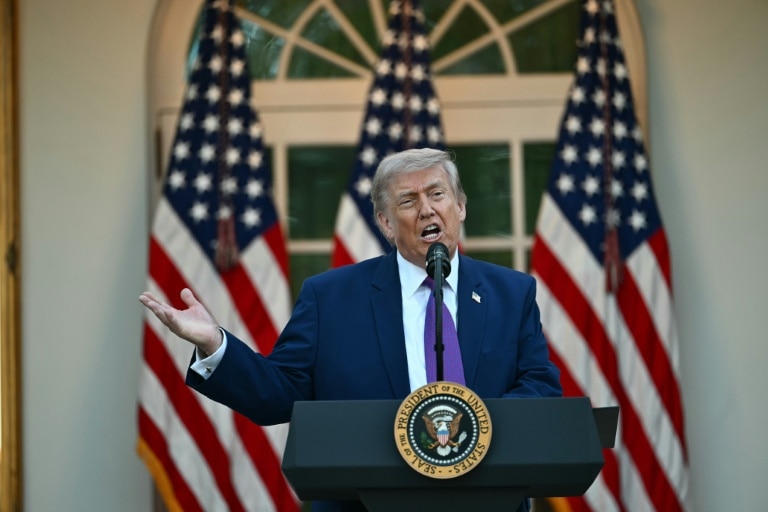
    Trump has already rejected Tehran’s counteroffer out of hand, claiming the U.S. is positioned to secure “complete victory” over Iran and warning the ceasefire – which has held for more than a month – is in its final days. In a show of military defiance, Iran’s Revolutionary Guards conducted new combat readiness drills in Tehran Tuesday, state media reported, with exercises framed as enhancing the country’s ability to confront “any movement of the American-Zionist enemy.” Reza Talaei-Nik, spokesman for Iran’s Ministry of Defence, doubled down on the country’s stance Tuesday, saying if Washington refuses to meet Iran’s “rightful and definitive demands” through diplomacy, it should prepare to suffer repeated defeats on the battlefield just as it has in past conflicts.

    For ordinary Iranian citizens, the escalating war of words has only deepened the pervasive uncertainty that has shaped daily life since the conflict began. “We are just trying to dig our nails into anything that could help us survive. The future is so uncertain and we are just living day to day,” Maryam, a 43-year-old painter based in Tehran, told reporters from AFP Tuesday. “We are trying to find a way to continue. Keeping hope is very difficult right now.”

    Trump’s sharp rejection of Iran’s proposal triggered an immediate spike in global crude oil prices this week, dashing fragile hopes that a quick diplomatic deal could reopen the Strait of Hormuz to unimpeded commercial shipping. Iran has restricted maritime traffic through the strategic waterway – which normally carries roughly one-fifth of the world’s total oil and natural gas supplies – and has implemented a new toll system for transiting ships. The move has sparked what the CEO of Saudi oil giant Aramco has called the most severe energy supply shock “the world has ever experienced.” U.S. officials have repeatedly called Iran’s control over traffic through the strait unacceptable, and other regional leaders echoed that pushback Tuesday. “Iran should not use this strait as a weapon to pressure or to blackmail the Gulf countries,” Qatari Foreign Minister Sheikh Mohammed bin Abdulrahman Al Thani said.

    Sanam Vakil, director of the Middle East and North Africa Programme at London-based think tank Chatham House, says Iran’s leadership is betting it can outlast Trump in negotiations. “Tehran is committed to negotiations, but wanted to extract concessions because of their improved hand” on the battlefield, Vakil explained.

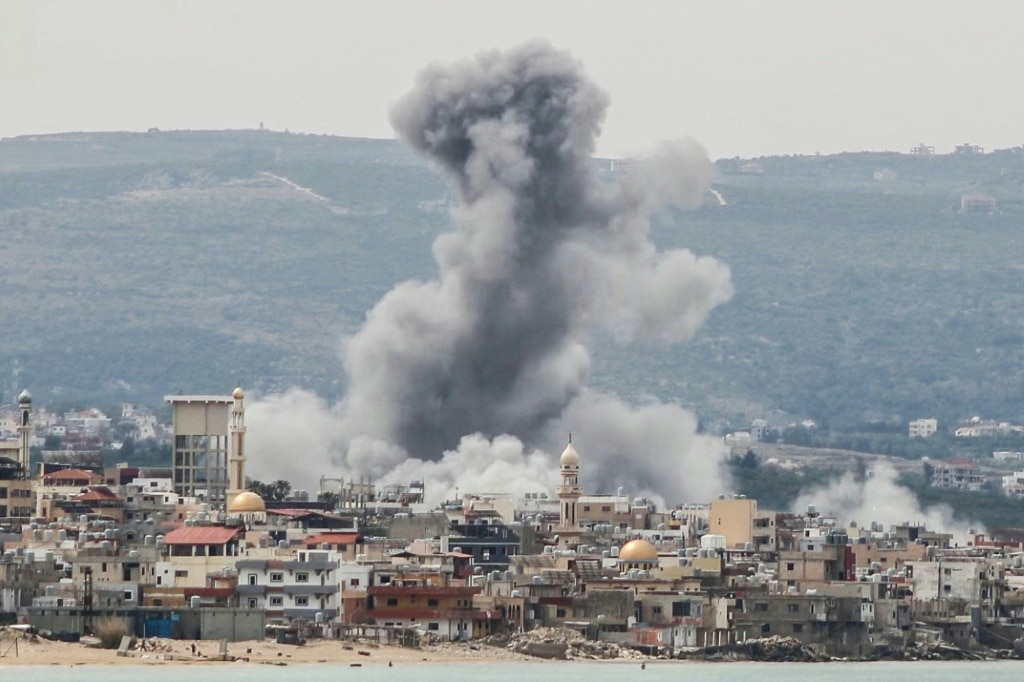
    The stalemate has also kept violence active on the Lebanese front of the conflict, where Israeli strikes continued to claim lives in southern Lebanon Tuesday even in spite of the ceasefire agreement. Israel has ramped up attacks against Iran-backed Hezbollah in southern Lebanon since the April 17 truce, with frequent exchanges of fire keeping the border region in chaos. Lebanon’s health ministry reports more than 2,880 people have been killed in the country since it was drawn into the wider conflict on March 2 – 380 of those deaths have occurred since the ceasefire took effect. Hezbollah chief Naim Qassem reaffirmed the group’s stance Tuesday, saying the group’s arsenal would not be on the negotiating table when Lebanese and Israeli representatives meet for a third round of talks this week. Vowing not to surrender regardless of the cost, Qassem said: “We will not abandon the battlefield and we will turn it into hell for Israel.”
  • Kevin Warsh returns to Federal Reserve with ‘regime change’ agenda

    Kevin Warsh returns to Federal Reserve with ‘regime change’ agenda

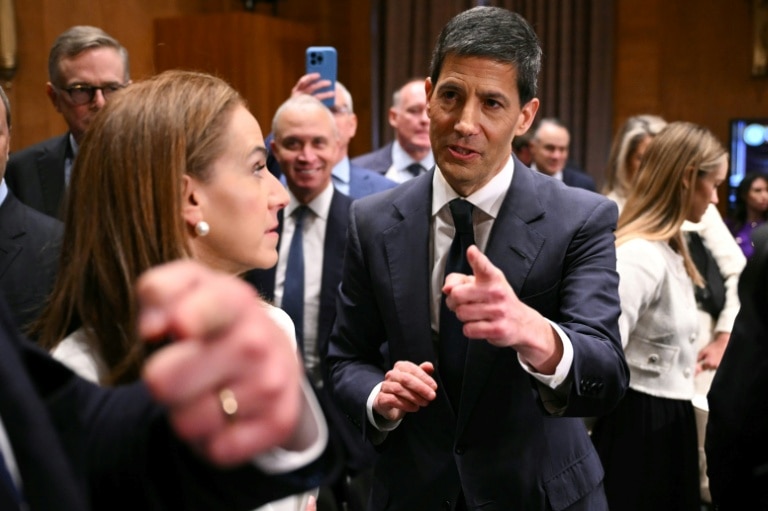
    The U.S. Senate has confirmed Kevin Warsh to a 14-year term on the Federal Reserve Board of Governors, with a final vote imminent to seat him as the next leader of the world’s most influential central bank. The 56-year-old New York native is set to return to the institution he left a decade ago, bringing with him an ambitious plan to reshape how the Fed operates – even as he navigates unprecedented political pressure from his nominating authority, former President Donald Trump.

    Warsh first joined the Fed’s Board of Governors in 2006, appointed by then-President George W. Bush after stints as a White House economic advisor and a mergers and acquisitions specialist at Morgan Stanley. He served through the 2008 global financial crisis, but stepped down prematurely in 2011, citing sharp disagreements over the central bank’s post-crisis policy direction. In the years since his departure, Warsh built a career on Wall Street, holding board positions at major corporations including shipping giant UPS, and cemented ties to political circles through his family connections: he is married to Jane Lauder, granddaughter of cosmetics icon Estee Lauder, whose father Ronald Lauder is a long-time close associate of Trump.

    Now, as he prepares to take the helm of the Fed, Warsh has laid out a sweeping “regime change” agenda for the central bank, which is mandated by Congress to maintain stable inflation and maximum employment. His proposed reforms include overhauling the data the Fed relies on for policy decisions, eliminating the “forward guidance” communication tool the bank has used for decades to signal future policy shifts to markets, fostering more open debate among policymakers at rate-setting meetings, and shrinking the Fed’s oversize balance sheet to refocus the central bank on interest rate adjustments as its primary policy tool.

    Warsh has repeatedly blamed the persistent post-Covid-19 inflation that has squeezed U.S. households on what he calls “policy errors” made by the Fed in 2021 and 2022, and has echoed longstanding claims from Trump that the central bank has overstepped its mandate and strayed into political territory. Notably, while Warsh was labeled an inflation hawk – a policymaker prioritizing aggressive rate hikes to cool price growth – during his first Fed tenure, he has recently aligned with Trump’s demands for lower interest rates despite still-elevated inflation.

    His appointment comes amid a broader effort by the Trump administration to exert greater control over the traditionally independent central bank. Trump repeatedly attacked Warsh’s predecessor Jerome Powell for refusing to cut rates quickly enough, ultimately opening a misguided criminal probe against the sitting Fed chair, and the administration is currently pushing to remove sitting Fed Governor Lisa Cook from her post. At his Senate confirmation hearing, Warsh sought to ease concerns about political influence, vowing he would not bow to White House pressure. “I am honored the president nominated me for the position and I’ll be an independent actor if confirmed as chairman of the Federal Reserve,” he said, adding he would “absolutely not” act as a puppet for the administration.

    Even so, policy experts warn Warsh will face steep challenges pushing his reform agenda through the Fed’s existing leadership structure. David Wessel, senior fellow at the Brookings Institution, noted that the new chair cannot unilaterally impose his will on the institution, and must build consensus among a board of fellow policymakers with their own policy views. “He is very smooth, and generally good with the people, and that will serve him well in this endeavor as long as he doesn’t move too fast or too radically,” Wessel told Agence France-Presse.

    Columbia University law professor Kathryn Judge added that existing ideological divisions within the Fed will create a “significant challenge” for Warsh. Unlike most incoming Fed chairs, who have sought to build on the policy framework established by their predecessors, Judge noted Warsh is entering the role with explicit plans to chart an entirely new policy course. “I think we really just have to wait and see,” Judge said.

  • Trump due in China for superpower summit with Xi

    Trump due in China for superpower summit with Xi

    In a landmark diplomatic moment marking the first visit by a sitting US president to China in nearly ten years, former and current President Donald Trump is set to arrive in Beijing on Wednesday for a critically important bilateral summit with Chinese President Xi Jinping, against a backdrop of simmering tensions fueled by the February US-led war on Iran that has added new strains to the already fraught relationship between the world’s two largest economies.

    This upcoming meeting, the first between the two leaders on Chinese soil since Trump’s 2017 visit, will feature two days of high-stakes negotiations scheduled for Thursday and Friday, wrapped into a packed official itinerary that includes a formal state banquet and a ceremonial tea reception with senior Chinese officials. The agenda for the talks covers a wide range of longstanding and newly emergent flashpoints, from long-running disputes over US arms sales to self-ruled Taiwan and Chinese export controls on critical rare earth minerals to the two countries’ deeply interconnected but often contentious trade relationship. The ongoing conflict in the Middle East will also take a top spot on the discussion list: a senior anonymous US administration official confirmed to reporters earlier this week that Trump will push Xi to make concessions on Iran, as the White House pursues a negotiated deal to end the two-month-old conflict.

    In the lead-up to the summit, signs of heightened security were already visible across Beijing on Tuesday. AFP correspondents on the ground reported that uniformed police were deployed to monitor major urban intersections, while transit authorities conducted routine ID checks for passengers on the city’s metro system, a common security step ahead of major high-level diplomatic events. Ordinary Chinese residents expressed a range of outlooks on the landmark meeting. 24-year-old Nanjing native Wen Wen, who was traveling through Beijing when speaking to AFP, called the visit a major event for global relations. She said she expected the summit to deliver at least some tangible progress, and shared her hope that both nations can work toward lasting peace despite widespread recent global instability.

    Bilateral trade ties between Washington and Beijing have remained rocky for years, though the two sides have upheld a one-year truce in their costly tariff war, an agreement struck during Trump and Xi’s last meeting in South Korea last October. Trump has long criticized China’s persistent large trade surplus with the US, a grievance that led him to impose sweeping tariffs on hundreds of billions of dollars worth of Chinese goods during his first term in office. Accompanying Trump on his Beijing trip is a high-profile delegation of top American business leaders, including Tesla CEO Elon Musk and Apple CEO Tim Cook, according to White House announcements.

    The summit comes at a moment of significant economic uncertainty for China, which has battled years of sluggish domestic consumer spending and a prolonged systemic debt crisis in its once-booming real estate sector, issues that have weighed on global growth projections. Not all ordinary Beijing residents are optimistic about a quick resolution to longstanding bilateral rifts. Li Jiahao, a 30-year-old manager of a karaoke bar in central Beijing, told AFP he does not expect the meeting to solve every issue in US-China ties, though he remains hopeful for positive incremental outcomes. “Coming here and actually resolving the issues are two different things,” he explained. “China and the United States both have responsibilities as major powers. Only through friendship can we achieve mutual development and become stronger.”

    The Iran war, launched jointly by the US and Israel on February 28, has thrown a new set of complications into the already tangled relationship between the two global powers. Trump previously delayed this Beijing trip once to focus on managing the conflict, which has effectively shut down commercial shipping through the strategic Strait of Hormuz, a critical global energy chokepoint, for more than two months. China is Iran’s largest customer for crude oil, but the Trump administration has imposed sweeping unilateral sanctions to cut off all Chinese purchases of Iranian energy. Just on Monday, the US Treasury Department expanded those sanctions, blacklisting 12 individuals and entities—several based in Hong Kong—that it accuses of facilitating the sale and shipment of Iranian oil to Chinese buyers. When asked about the new sanctions at a Tuesday press briefing, Chinese Foreign Ministry spokesman Guo Jiakun reaffirmed Beijing’s position that “China firmly opposes illegal unilateral sanctions.”

    Another core sticking point for Chinese leadership remains longstanding US military support for Taiwan, the self-governing democratic island that Beijing claims as an inalienable part of its territory. Speaking on Monday, Trump said he was open to discussing US arms sales to Taiwan during the summit, and claimed his personal relationship with Xi would prevent any Chinese military invasion of the island. “I think we’ll be fine. I have a very good relationship with President Xi. He knows I don’t want that to happen,” Trump told reporters.

  • Rahm has faith LIV will develop good survival plan

    Rahm has faith LIV will develop good survival plan

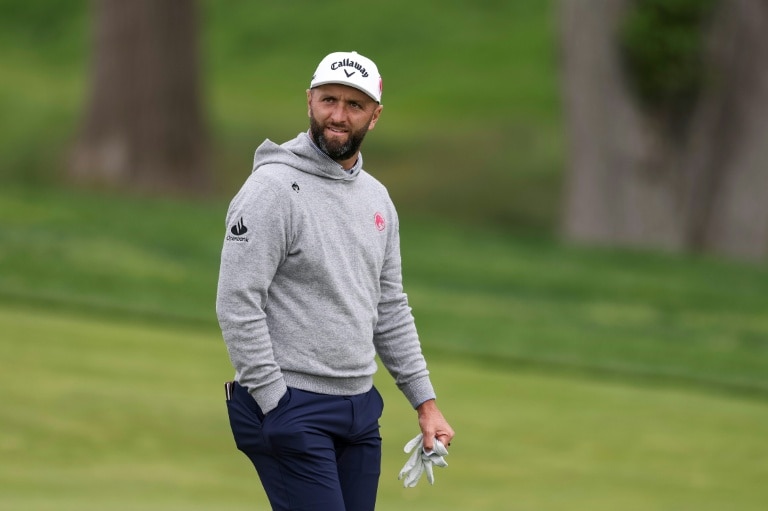
    As the 2025 PGA Championship prepares to tee off this Thursday at Philadelphia’s Aronimink Golf Club, two-time major champion and current LIV Golf points leader Jon Rahm is pushing aside off-course uncertainty surrounding LIV Golf’s future to focus on his performance on the greens. The Spanish star, who has dominated LIV Golf competition this season, says he remains confident that league officials will craft a viable long-term plan after Saudi Arabia’s Public Investment Fund (PIF) confirmed it will pull all future funding beyond the end of 2025.

    Rahm, who left the PGA Tour to join LIV Golf in December 2023 and has since claimed back-to-back LIV season titles, opened up about the funding crisis at a pre-tournament press conference Tuesday. He noted that while the financial shakeup is a significant challenge for the league, it is ultimately an issue outside of his control as a player.

    “It’s something we’ve had to deal with, but these are just matters out of my hands,” Rahm said. “Fixing this is the job of the people leading LIV Golf, and I don’t envy that task for a second. I do have full faith in the work they’re doing, and I trust they will come up with a strong survival plan. Until that plan is shared with the players, there’s no use in me expending extra energy worrying about it.”

    The 31-year-old, who claimed major wins at the 2021 U.S. Open and 2023 Masters, has been in stellar form this LIV season, notching tournament victories in Hong Kong (March) and Mexico City (April) along with runner-up finishes in Riyadh, Adelaide and South Africa. He pointed out the stark irony of his situation: golf requires intense focus and control over every shot, but off-course business decisions are completely out of the players’ hands.

    “It’s funny, in a sport where we crave control over every single detail, how little control we actually have off the course,” Rahm explained. “I have full control over my own golf game and how I perform this week. Everything else? That’s out of my hands.”

    When asked about reflections on his 2023 decision to leave the PGA Tour for LIV, Rahm said any takeaways are personal, but added his core philosophy is to approach decisions without regret. “If circumstances change after you make a choice, like what’s happening with LIV right now, that’s an after-the-fact development, not a flaw in the original decision,” he said. Rahm also pushed back on the idea that his high-profile move was intended to help bridge the long-running rift between the PGA Tour and LIV Golf. “I never thought I’d be some kind of catalyst to tip the scales and bring the two sides together,” he said. “We don’t know what tomorrow will bring, and all we can do is learn from both good and bad experiences from the past.”

    Not everyone shares Rahm’s optimism, however. Reigning Masters champion Rory McIlroy, a longstanding critic of LIV Golf, pointed out that the funding cut was always a foreseeable risk for players who jumped to the breakaway league for eight-figure contracts and large purses. “This was always a possibility, and everyone knew it,” McIlroy said. “Geopolitical shifts in the Middle East played a big role in this. When your entire funding model is tied to global political priorities, you’re on an inherently unstable path. When the Saudis’ priorities changed, that put LIV in a very precarious position — but this was a risk those players chose to take.”

    McIlroy added that he was aware PIF would be ending future support before LIV Golf made the news public. “It looks like the rug was pulled out from under them out of nowhere, and a lot of people were caught off guard,” he said. “Right now, there’s a huge amount of uncertainty. From what I’ve seen, LIV has some sponsorship revenue lined up, but it’s unclear how long that will last. If they do manage to put together a schedule for 2026, it’s almost certainly going to look drastically different than what we’ve seen from them so far.”

  • Sinner dismisses Pellegrino to reach Italian Open quarter-finals

    Sinner dismisses Pellegrino to reach Italian Open quarter-finals

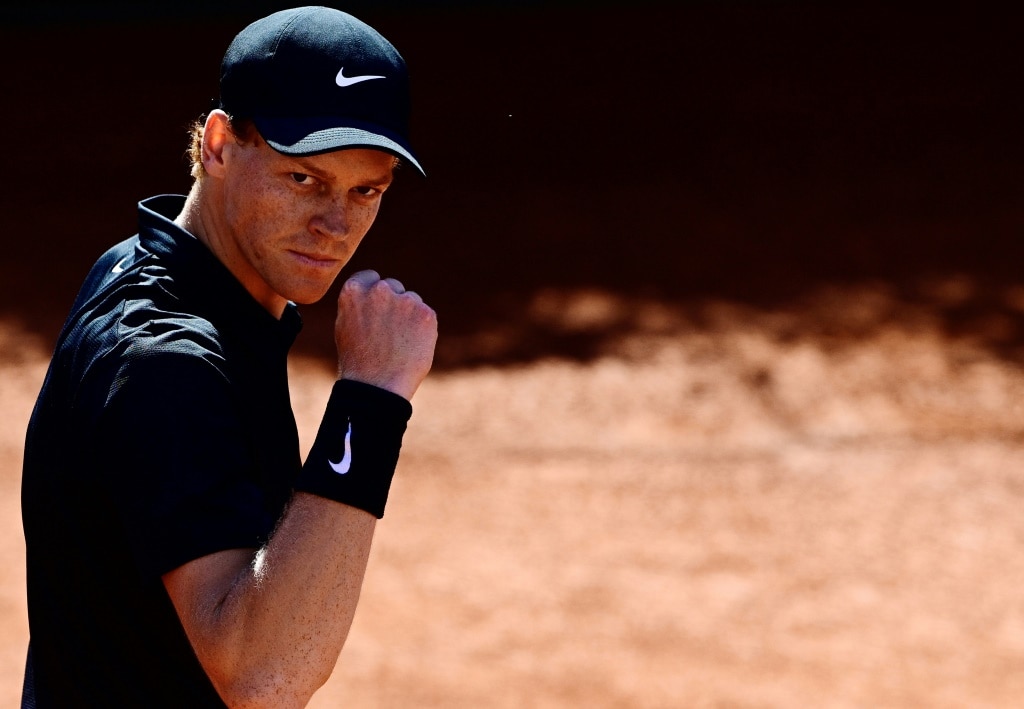
    The 2024 Italian Open continued its third-round action on Tuesday, with world No. 1 and top men’s seed Jannik Sinner extending his historic run toward a maiden home title, while several other seeds secured their spots in the final eight of both men’s and women’s draws.

    Sinner, the 24-year-old Italian trailblazer, delivered a calm, composed performance against compatriot and surprise qualifier Andrea Pellegrino to seal a straight-sets 6-2, 6-3 victory. The clash was never a closely contested battle from the opening game, as the tournament favorite outclassed his lower-ranked opponent on Rome’s iconic center court in front of more than 10,000 home fans.

    With the win, Sinner notched his 31st consecutive victory in Masters 1000 events, pulling level with Novak Djokovic’s all-time record streak. The result also sets up a quarterfinal showdown against either 12th seed Andrey Rublev or Georgian qualifier Nikoloz Basilashvili.

    For Pellegrino, the 29-year-old underdog’s run to the Italian Open’s last 16 already marks the deepest run of his career at a Masters 1000 event. Making his first main draw appearance at a top-tier ATP tournament, Pellegrino is set to climb to a career-high world ranking of 123rd following the tournament. Though he ultimately fell to Sinner, he earned warm applause from the home crowd for a creditable performance, showcasing sharp technique when given opportunities to attack. Sinner, meanwhile, never needed to push to his full limit to secure the comfortable win.

    If Sinner goes on to claim the title, he will not only secure a record-extending sixth consecutive Masters 1000 trophy, but also become the first Italian man to win the Italian Open at Foro Italico since Adriano Panatta claimed the crown 50 years ago. With top rival Carlos Alcaraz sidelined by injury and Djokovic eliminated in an early upset, Sinner enters the latter stages of the tournament as the overwhelming favorite to win, building form ahead of his pursuit of a career Grand Slam at the upcoming French Open.

    On the other half of the men’s draw, Norwegian clay-court specialist Casper Ruud eased into the quarterfinals with a lopsided 6-3, 6-1 win over Italian eighth seed Lorenzo Musetti, who was visibly hampered by a left thigh injury. Ruud has yet to drop a single set through the first three rounds in Rome, and he looked sharp despite blustery conditions on center court.

    Musetti, who had required medical treatment after his third-round win over Francisco Cerundolo, called a medical timeout for his thigh issue during the second set against Ruud. The Italian will drop out of the men’s world top 10 rankings ahead of next week’s French Open, and he remained uncertain about his participation in the season’s second Grand Slam after the match. “I don’t know, in the next couple of days we’ll do some closer tests, something I’ve not been able to do given that I’m constantly playing,” he told reporters.

    Ruud, who is drawn opposite Sinner in the bracket, will face 13th seed Karen Khachanov in the quarterfinals after capitalizing on Musetti’s fitness struggles. “I realised that… we try to make him run as much as possible. It’s cruel and it’s brutal, but that’s sport,” Ruud told reporters post-match.

    Khachanov booked his own quarterfinal spot by ending the Cinderella run of Croatian qualifier Dino Prizmic, who had shocked the tennis world by knocking out Djokovic in the second round. Khachanov defeated the 19-year-old rising star 6-1, 7-6 (7/2) to secure his place in the final eight.

    In the women’s draw, 34-year-old Romanian veteran Sorana Cirstea continued her dream run to the Italian Open semifinals, one day after upsetting world No. 1 Aryna Sabalenka in the third round. Cirstea dropped just one game in the first set against Jelena Ostapenko before closing out a 6-1, 7-6 (7/0) victory. The Romanian, who has announced she will retire at the end of the 2024 season, will next play either Coco Gauff or Mirra Andreeva on center court for a spot in Saturday’s women’s final.

  • Sam Altman to testify at California tech titan trial

    Sam Altman to testify at California tech titan trial

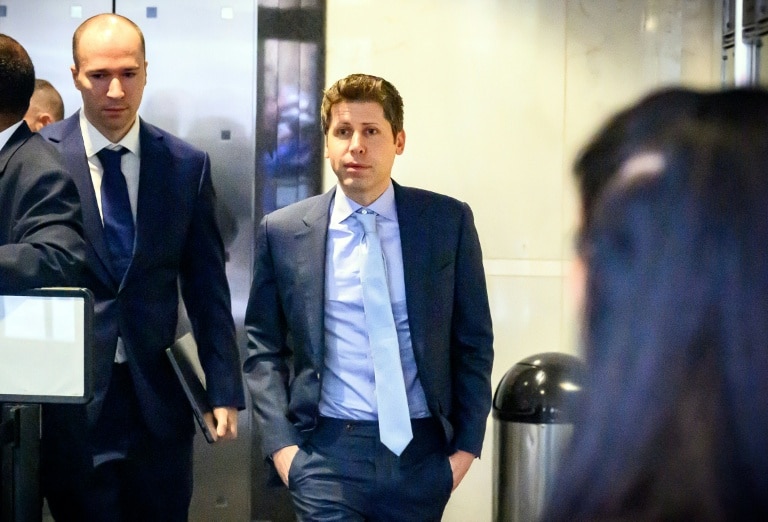
    One of the most closely watched legal showdowns in the global tech industry moved into a critical phase this week in Northern California, where OpenAI CEO Sam Altman is preparing to take the witness stand Tuesday to respond to explosive allegations brought by billionaire entrepreneur Elon Musk. The high-profile civil lawsuit, filed by the Tesla and SpaceX founder who also leads competing AI firm xAI, centers on accusations that Altman and OpenAI co-founder Greg Brockman misused Musk’s early $38 million in founding contributions after the company abandoned its original non-profit mission to transform into the for-profit juggernaut behind ChatGPT, the generative AI tool that sparked the current global AI boom.

    Musk’s legal team is pushing for a dramatic remedy: a court order forcing OpenAI to revert to its original non-profit structure. Industry analysts note that such a ruling would upend OpenAI’s position in the cutthroat global artificial intelligence race, where it currently competes against major players including Anthropic, Google DeepMind, and China’s Deepseek.

    OpenAI’s defense has pushed back sharply against Musk’s claims, arguing that the billionaire’s lawsuit is rooted in personal resentment rather than principle. OpenAI maintains that Musk abandoned his early role at the company after failing to negotiate a majority controlling stake, and now he is seeking petty revenge as he builds his own competing AI venture, xAI.

    The Oakland courtroom, located just outside the global tech hub of San Francisco, has played host to testimony from some of the wealthiest and most influential leaders in the technology sector this week. On Monday, Microsoft CEO Satya Nadella took the stand to defend his company’s landmark early investment in OpenAI, a partnership that has reshaped the global AI landscape.

    Nadella told the jury he remains “very proud” of Microsoft’s bet on OpenAI. The tech giant now holds roughly a 25% stake in OpenAI Group PBC, the parent company behind ChatGPT, with the original non-profit arm retaining a core ownership position. Nadella emphasized that the partnership has ultimately strengthened, rather than undermined, OpenAI’s original philanthropic goals, creating “one of the largest, most well-funded nonprofits in the world” that can advance public good through AI research.

    Musk’s legal team has argued that Microsoft always harbored commercial ambitions for its investment, pointing to internal company documents that they claim prove the tech giant prioritized profit over philanthropic AI development from the start. Microsoft’s initial $13 billion investment has grown exponentially in value, with current estimates placing the stake’s worth as high as $135 billion, a dramatic return on the company’s early risk.

    Nadella pushed back against that characterization, framing the investment as a straightforward good-faith bet on emerging technology. “It has worked out well because we took the risk,” Nadella told the court. “If the pie became larger, obviously the nonprofit would benefit as well with their mission — and that’s what in fact it’s proven.”

    Musk’s lawyers also highlighted Microsoft’s central role in OpenAI’s 2023 pivot to full commercial operation, pointing to a 2023 comment from Nadella in which he stated “We have the people, we have the compute, we have the data, we have everything.” The relationship between the two companies was further cemented during the chaotic 2025 OpenAI board crisis, when Nadella and Microsoft publicly backed Altman after he was temporarily ousted by the board. Following a five-day internal standoff, Altman was reinstated as CEO, with Microsoft gaining a non-voting observer seat on the restructured board.

    An advisory jury is expected to deliver its verdict on whether any wrongdoing occurred by the week of May 18. After receiving the jury’s non-binding opinion, Judge Yvonne Gonzalez Rogers will issue a final ruling on both liability and potential remedies. The judge has already indicated she is likely to follow the advisory jury’s recommendation in her final decision.

  • McIlroy has ‘clear road ahead’ to win more majors

    McIlroy has ‘clear road ahead’ to win more majors

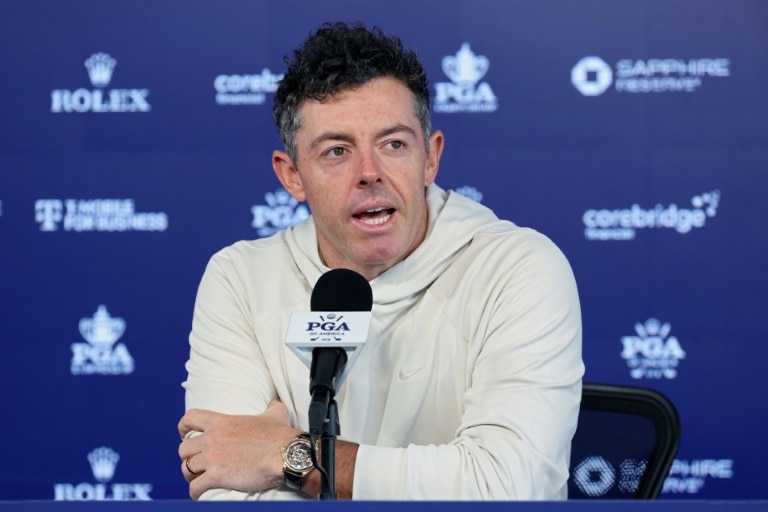
    As the 108th PGA Championship prepares to kick off this Thursday at Aronimink Golf Club, Northern Irish golf star Rory McIlroy arrives at the tournament with a sharper mental clarity and renewed sense of purpose than he carried 12 months ago, fresh off back-to-back Masters titles that cemented his status among the sport’s all-time greats.

    The 35-year-old world number two, whose 2024 Masters victory completed his career Grand Slam and snapped a decade-long dry spell in major championship wins, says he has successfully rested and reset his goals following his successful title defense at Augusta National last month. Unlike last year’s PGA, where he struggled to a 47th-place finish after hitting the career milestone of completing the Grand Slam, McIlroy says he now has unobstructed vision to chase more major silverware.

    “Coming into this tournament feels a lot different than what it did last year,” McIlroy told reporters on Tuesday. “I’ve got some nice clear road ahead to try to get some more of these majors.”

    A six-time major winner already, McIlroy is in position to claim his third PGA Championship title this week. Last year, shortly after achieving the career-defining Grand Slam, he stumbled to a 47th-place finish at Quail Hollow, his worst result in a major since 2021. The golfer attributes that underperformance to a lack of mental reset after reaching a long-held career goal, a mistake he has avoided this time around.

    “Especially after the last couple of years, I need to take the time after the Masters to reset and decompress and get myself in the right mental space again to get myself up for this tournament and keep going for the US Open and The Open Championship,” McIlroy explained. “I came into this tournament last year a little bit sort of uncertain of what my future was — I conquered this thing that I wanted to conquer for so long, and I still hadn’t really reset goals or found whatever that motivation was to keep going or go forward and set myself goals for the rest of my career. It probably took me a good few months to get to that point.”

    This season, McIlroy prioritized recovery and mental preparation immediately after his Masters win. He took three full weeks off from competitive golf following his Augusta victory, returning only last week for an event at Quail Hollow, where he has claimed four tournament titles over his career. In a break from competitive preparation, McIlroy skipped the PGA Tour event at Doral two weeks ago to attend a White House State Dinner, and even makes a cameo appearance in the upcoming film *The Devil Wears Prada 2*.

    The golf legend says he is intentional about savoring once-in-a-lifetime opportunities that come with his elite status, knowing his competitive run at the top of the sport will not last forever.

    “I know how fortunate I am and so lucky to be in this position in life, and sometimes you have to enjoy the perks because I know this isn’t going to last forever,” McIlroy said. “There’s going to be a day where I’m not competing for major championships, so I guess while I’m doing it, I have to enjoy it, as well. It has been amazing but there’s still a lot of things I want to achieve. If I can enjoy it along the way that’s a nice thing to do.”

    One key preparation step McIlroy has already checked off is an early practice round at Aronimink, scheduled around his attendance at the Washington D.C. State Dinner. The golfer says arranging an early scouting trip allowed him to become familiar with the course layout without feeling rushed or stressed ahead of the tournament’s official start.

    “I wanted to do the State dinner, and if I was going to do that, it was probably better I take that week to practice and prepare, come up here and see the golf course,” McIlroy said. “I wanted to just get an early look because I knew that was going to be my only opportunity. I definitely think courses we don’t see very often… it certainly has benefited me over the years.”

    McIlroy first tested the strategy of an early pre-tournament practice trip back in 2011, on the advice of golf legend Jack Nicklaus, ahead of the U.S. Open at Congressional. That trip paid off: McIlroy went on to win the tournament, claiming his first career major championship. He says the strategy has consistently worked out well for him throughout his decades-long career.

    “For the most part, when I have made an advanced trip, it has worked out well for me,” he added.

  • Flick extends contract with Barcelona

    Flick extends contract with Barcelona

    Barcelona head coach Hansi Flick has officially confirmed he has put pen to paper on a fresh two-year deal with the Catalan giants, with an optional extra 12-month extension built into the agreement, announced during a press conference on Tuesday.

    The 61-year-old German tactician just capped off a historic milestone for the club just two days before the announcement, securing back-to-back La Liga titles with Barcelona following a dominant 2-0 win over bitter rival Real Madrid this past Sunday. The results capped off a remarkable two-year run for Flick, who joined the club at the start of the 2024/25 season.

    Speaking to reporters ahead of Barcelona’s final league away match against Alaves scheduled for Wednesday, Flick expressed his delight with the new contract, framing the deal as a clear vote of confidence from the club’s hierarchy. “Obviously I’m very happy; it gives me the confidence to keep working for another year or two,” Flick said. “I think many coaches would be very happy to sign a three, four or five-year contract, but in this case, with Barca, I think it’s good to keep it limited and I appreciate that. We’ll continue until 2028. If all goes well, we’ll decide to carry on. I have the right to stop, and so does the club.”

    In his two full seasons at the Camp Nou, Flick has built an unprecedented domestic winning record, claiming every major Spanish domestic trophy: two consecutive La Liga crowns, one Copa del Rey title, and two Spanish Super Cups. The only major honor that has eluded the coach since his move to Catalonia is the UEFA Champions League, a competition Flick previously lifted in 2020 during his tenure at Bayern Munich.

    Barcelona’s 2025/26 Champions League run came to an abrupt end at the quarter-final stage this season, dropping a narrow elimination to Atletico Madrid. The season before, the club was eliminated in the semi-finals by Inter Milan after a thrilling 13-goal aggregate match that ended 7-6 in favor of the Italian side.

    Despite the repeated near-misses in Europe’s top club competition, Flick reaffirmed his commitment to chasing the title in the coming seasons. “It’s also a commitment on our part to work even harder than we did this season, if that’s possible, and to continue reaching the highest possible level with the team, achieving new goals and winning new titles,” Flick added. “This is important for Barca, because everyone has this dream of winning the Champions League. We’ve tried, we’ll try again, and that’s all I can say.”

  • $200m dementia boost in budget not enough, warns top expert

    $200m dementia boost in budget not enough, warns top expert

    Australia’s federal government’s latest $224.3 million funding injection for dementia care has earned praise from leading dementia researchers and advocates, who simultaneously issued a clear call for equal, sustained investment in scientific research to tackle the growing public health crisis.

    The funding package will expand critical support services across the nation: 20 new specialized dementia care programs will be launched, and a successful hospital transition initiative that helps older dementia patients move smoothly from acute hospital care to residential aged care will grow from 11 existing sites to 20. This new investment comes as part of a broader $3 billion national commitment to aged care with a targeted focus on dementia support.

    Henry Brodaty, named Senior Australian of the Year and co-director of the Centre for Healthy Brain Ageing (CHeBA) at UNSW Sydney, joined his co-director Perminder Sachdev in sharing their reaction to the budget announcement with media outlet news.com.au. Both leading neuroscience scholars described the funding as a welcome, long-overdue recognition of the growing scale and urgency of dementia across Australia.

    “This $3bn investment in aged care – with a clear emphasis on dementia – is both timely and necessary as we face a rapidly growing number of Australians living with this condition,” the pair said in a joint statement. “Dementia is one of the greatest health, social and economic challenges of our time.”

    While the pair welcomed the new care funding as an important foundational step, they stressed that this spending must be paired with ongoing, increased investment in dementia research. They emphasized that research is not a discretionary add-on to care efforts, but the core backbone of improving outcomes for people living with dementia.

    “Research is how we improve diagnosis, develop new and more effective interventions, and build care systems that are both high-quality and sustainable,” the professors explained. “Without ongoing investment in research and evidence, we simply cannot deliver the outcomes Australians deserve. We already know that even relatively small advances can make a major difference.”

    Brodaty is a key public figure leading the *Think Again* campaign, a joint initiative from news.com.au and *The Australian* launched in September 2025. The campaign works to challenge the widespread misconception that dementia only affects older people and is an inevitable part of aging, while also pushing for greater government investment and a more coordinated national approach to dementia care after diagnosis.

    New national data underscores the urgency of the call for action. Latest figures from the Australian Institute of Health and Welfare, released by Dementia Australia, show 446,500 Australians currently live with dementia, marking an increase of 13,500 new cases over the past year. Projections indicate that this number will more than double to nearly 1 million people by 2065, placing massive strain on national health and care systems.

    The data also confirms that dementia is not exclusively a condition of older age: almost 30,000 Australians under the age of 65 live with young-onset dementia, and roughly 1,500 children are living with childhood dementia.

    The CHeBA co-directors pointed to a major potential public health gain that research could unlock: delaying the onset of dementia by just 12 months could cut national prevalence by roughly 10%, delivering wide-ranging benefits for patients, their families, informal carers, and the entire health system. This kind of progress is only achievable through robust, well-funded research that is translated into real-world clinical and care practice, they said.

    “If Australia is serious about addressing dementia, then research must remain central to our national response – embedded across prevention, diagnosis and care,” the pair said. “With the right investment, we have the opportunity not only to improve how we care for people living with dementia, but to lead the world in reducing its impact across the entire care pathway.”

  • WHO chief says ‘work not over’ after hantavirus evacuation

    WHO chief says ‘work not over’ after hantavirus evacuation

    In the wake of a deadly hantavirus outbreak that killed three passengers on the cruise ship MV Hondius and triggered a multinational evacuation off Spain’s Canary Islands, World Health Organization Director-General Tedros Adhanom Ghebreyesus has warned that containment efforts are far from complete. The rare Andes variant of hantavirus — which can spread between humans and has no licensed vaccine or targeted cure — has sparked global unease after emerging on the Atlantic cruise, but public health leaders have moved quickly to dismiss comparisons to the early days of the Covid-19 pandemic, noting the current global risk remains low.

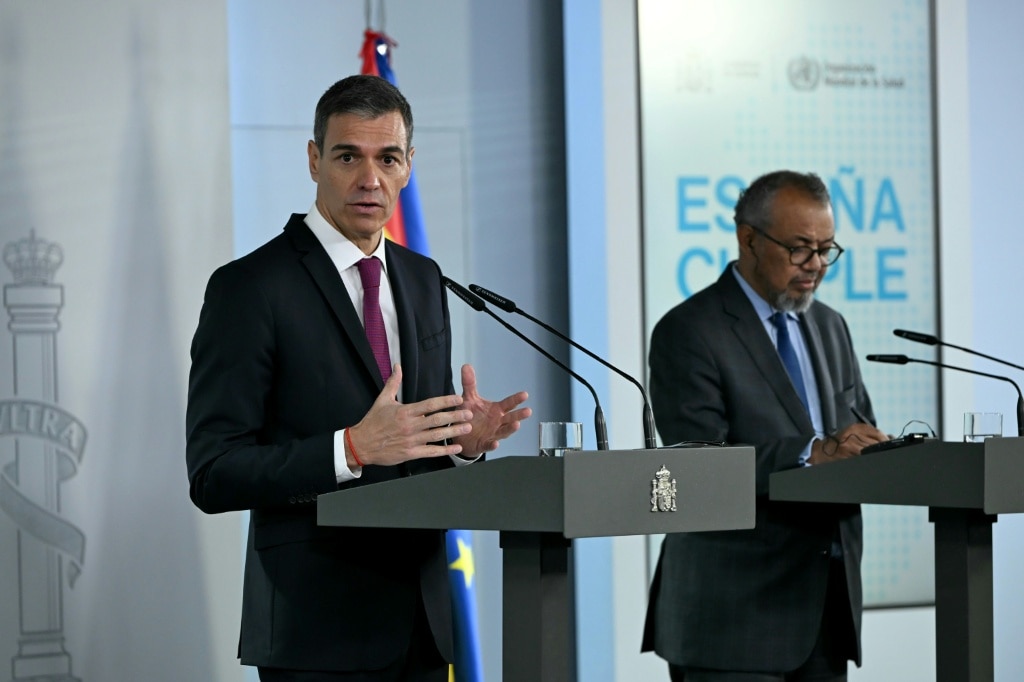
    Speaking at a joint press briefing with Spanish Prime Minister Pedro Sanchez in Madrid on Tuesday, following his oversight of the evacuation operation, Tedros emphasized that there is currently no evidence to suggest a large-scale global outbreak is imminent. “But of course the situation could change, and given the long incubation period of the virus, it’s possible we might see more cases in the coming weeks,” he added. As of the latest official counts compiled by Agence France-Presse, seven confirmed cases and one probable case remain among surviving passengers and crew members on the vessel, with affected individuals holding citizenship from six nations: the United States, United Kingdom, France, Spain, Switzerland, and the Netherlands.

    More than 120 passengers and crew members were repatriated from the Canary Islands over Sunday and Monday, with each country implementing its own public health measures aligned with WHO guidance. The UN health body’s recommendations call for a 42-day quarantine and continuous monitoring for high-risk contacts, matching the virus’s maximum six-week incubation period. Tedros urged all nations receiving evacuees to adhere to the organization’s guidance, while acknowledging that countries retain full authority to set their own public health protocols. On Tuesday, French Prime Minister Sebastien Lecornu added his voice to the conversation, calling for tighter coordination of health safety rules across the European Union to manage the situation.

    The MV Hondius outbreak has already created unexpected diplomatic strains, as nations negotiated over responsibility for hosting and treating the infected vessel. Initially, Cape Verde refused entry to the cruise ship, which was forced to anchor off the capital Praia while three critically ill patients were airlifted to Europe last week. Spain ultimately agreed to allow the vessel to anchor off the Canary Islands to complete the full evacuation of all passengers and crew, but the regional government of the Atlantic archipelago strongly pushed back against the decision. Defending his administration’s choice to accept the ship, Sanchez stressed that “the world does not need more selfishness or more fear. What it needs are countries that show solidarity and want to step forward.”

    After the evacuation wrapped up, the MV Hondius departed Tenerife on Monday with only a minimal skeleton crew on board. It is scheduled to arrive in the Netherlands, its home country, this Sunday, where it will undergo full professional disinfection. Hantavirus is typically transmitted to humans through contact with the urine, feces, and saliva of infected rodents, and the Andes variant is endemic to parts of South America. The MV Hondius began its transatlantic cruise from Argentina on April 1, bound for Cape Verde before the outbreak was detected.