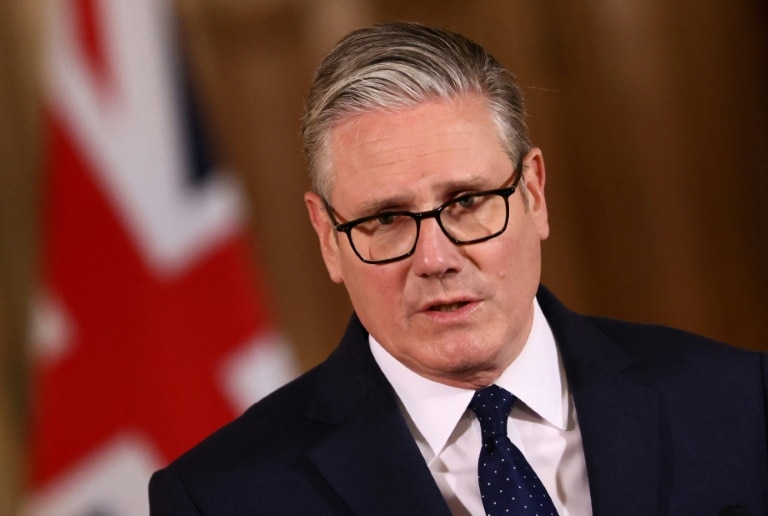
Less than a year after Keir Starmer took office as United Kingdom Prime Minister, the Labour leader is facing the deepest crisis of his premiership, with growing ranks of lawmakers and cabinet members demanding he step aside. During a high-stakes meeting with his top ministerial team on Tuesday, Starmer made his position clear: he would not voluntarily resign, and would continue fulfilling his governing mandate regardless of the mounting backlash.
The first crack in the government’s junior ranks emerged Tuesday, when Miatta Fahnbulleh became the first lower-tier minister to resign from Starmer’s administration, joining the growing chorus calling for him to outline a clear timeline for his exit. In her resignation call, Fahnbulleh urged Starmer to “do the right thing for the country and the party” by paving the way for an orderly leadership transition. Starmer pushed back against the pressure during the closed-door talks, noting that Labour’s official internal process for ousting a sitting leader has not yet been activated.
“The country expects us to get on with governing. That is what I am doing and what we must do as a cabinet,” Starmer told his ministers, on what has emerged as the most critical juncture of his premiership to date.
As of Tuesday, more than 70 of Labour’s 403 sitting members of Parliament have publicly called for Starmer’s immediate resignation or a public timetable for his departure. Starmer’s Monday vow to fight on and disprove his critics did little to quell the growing unrest within the party. The most high-profile rebuke to date came late Monday, when UK media reported that Interior Minister Shabana Mahmood — the most senior government figure to break ranks so far — had advised Starmer to reconsider his position. Multiple national newspapers have also reported that other top cabinet members, including Deputy Prime Minister David Lammy and Home Secretary Yvette Cooper, have privately raised questions about Starmer’s future with the leader directly.
The wave of pressure that has engulfed Starmer’s premiership was sparked by catastrophic local election results last week, where Labour lost hundreds of council seats to the hard-right Reform UK party and left-wing Green Party. The poor showing extended beyond local councils: Labour lost its century-long grip on power in Wales, and suffered a heavy defeat to the Scottish National Party in the devolved Scottish Parliament.
The election results compounded what has already been a turbulent few months for Starmer. He was already mired in controversy over his decision to appoint, then quickly sack, Peter Mandelson as UK Ambassador to the United States, after Mandelson’s long-standing ties to convicted American sex offender Jeffrey Epstein became public. That controversy already forced Starmer to fend off earlier resignation calls earlier this year. Compounding these challenges, Starmer has also failed to deliver on his campaign promise of accelerated economic growth to ease the severe cost-of-living crisis that continues to strain British household finances.
On Monday, Starmer attempted to shore up support by pledging that a Labour government under his leadership would deliver “better, bolder” policies to win over disillusioned voters who have grown impatient for meaningful change. Just 24 hours later, four more parliamentary private secretaries resigned their government positions, joining dozens of backbench Labour MPs in publicly calling for Starmer to step down. Joe Morris, former aide to Health Secretary Wes Streeting — a figure widely speculated to be weighing a leadership bid — wrote on social media platform X that “it is now clear that the prime minister no longer has the trust or confidence of the public to lead this change.”
Despite the growing mutiny, a bloc of senior cabinet ministers has publicly reaffirmed their support for Starmer in the wake of Tuesday’s crisis meeting. Technology Secretary Liz Kendall confirmed the prime minister holds her “full support”, while Business and Trade Secretary Peter Kyle praised Starmer for “showing really steadfast leadership” amid the chaos. Housing Minister Steve Reed echoed the prime minister’s framing, noting that no formal leadership challenge has been triggered under party rules, “so we all intend to get on with our jobs.”
Under Labour Party rule, any potential challenger to the sitting leader needs the backing of 81 Labour MPs — 20 percent of the party’s parliamentary caucus — to formally trigger a leadership contest. Starmer has already publicly vowed that he would fight any challenge that is brought, rather than step aside voluntarily. A formal contest would almost certainly plunge the party into damaging internal infighting, with left- and right-aligned factions jockeying to advance their preferred candidate or shore up support for Starmer’s retention of power.
Speculation over potential successors has been swirling for months, with Health Secretary Wes Streeting and former Deputy Prime Minister Angela Rayner widely named as the most likely candidates to launch a bid. Neither figure commands universal support across the fractious Labour party, however. Another popular contender, Greater Manchester Mayor Andy Burnham, is currently ineligible to stand for leader because he does not hold a seat in Parliament, leading some of Burnham’s backers to push for Starmer to announce a delayed departure date that would allow Burnham time to win a parliamentary seat before a contest.