标签: Oceania

大洋洲

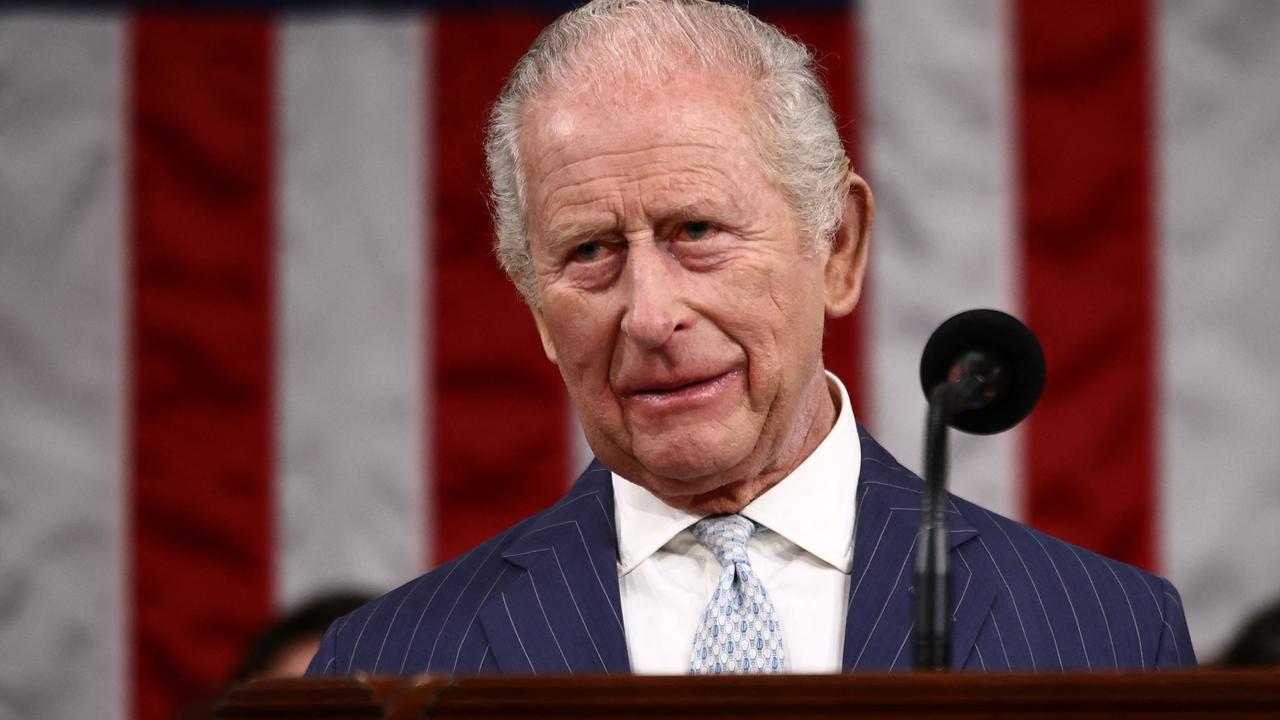
  • King Charles backs AUKUS defence pact in address to US Congress

    King Charles backs AUKUS defence pact in address to US Congress

    In a landmark address to the United States Congress — the first by a British monarch in more than 30 years — King Charles III has publicly thrown his support behind the trilateral AUKUS security partnership, framing the ambitious $368 billion submarine initiative as a cornerstone of collective long-term security for the three allied nations.

    The rare joint address to American lawmakers saw the monarch highlight deep existing defense cooperation between the United Kingdom and the United States, noting that thousands of service members and their families from each country are stationed across the other’s territory. Beyond the joint production of F-35 fighter jets, King Charles centered his remarks on AUKUS, the security pact between the UK, US and Australia that he called “the most ambitious submarine program in history.”

    As the reigning sovereign of Australia, the King emphasized personal pride in the partnership, stressing that the collaboration is not rooted in mere sentiment. “We do not embark on these remarkable endeavours together out of sentiment,” he told the assembled legislators. “We do so because they build greater shared resilience for the future, so making our citizens safer for generations to come.”

    King Charles’ endorsement of the pact comes just one day after a British parliamentary inquiry released a critical assessment warning that the ambitious $368 billion program faces significant risk due to a lack of consistent, high-profile political leadership. The inquiry’s report called on new UK Prime Minister Keir Starmer to step into a more public, active role in advancing the initiative, warning that ongoing political drift could ultimately derail the project.

    But top Australian officials have moved quickly to push back on these concerns, reaffirming that AUKUS remains on track and enjoys unified support across all three partner nations. Australian Prime Minister Anthony Albanese told reporters in Canberra this week that overwhelming backing for the pact exists from Starmer’s British government and UK defense leadership alike. Echoing a phrase used by former US President Donald Trump, Albanese declared: “AUKUS is … full steam ahead. And I’m very confident that it will be so.”

    Australian Defense Minister Richard Marles echoed this confidence, noting that recurring bipartisan and cross-national scrutiny of the initiative is a healthy, normal part of the process. Marles pointed out that the UK parliamentary review was ultimately broadly supportive of AUKUS, and emphasized that strong support for the program holds across all three member states. “That the program is put under constant scrutiny again in all three countries is an important thing to happen as well, and this is a part of that,” Marles told Sky News. He added that Australian officials are fully comfortable with the program’s current trajectory, and expect the UK government will act on the inquiry’s recommendations to keep the initiative moving forward.

    Under the terms of the AUKUS agreement, Australia will acquire three nuclear-powered Virginia-class submarines from the United States, with an option to acquire two additional modified boats if needed, as part of a broader plan to build up Western Indo-Pacific defense capabilities.
  • Germany holds breath as stranded whale ‘Timmy’ sets off in barge

    Germany holds breath as stranded whale ‘Timmy’ sets off in barge

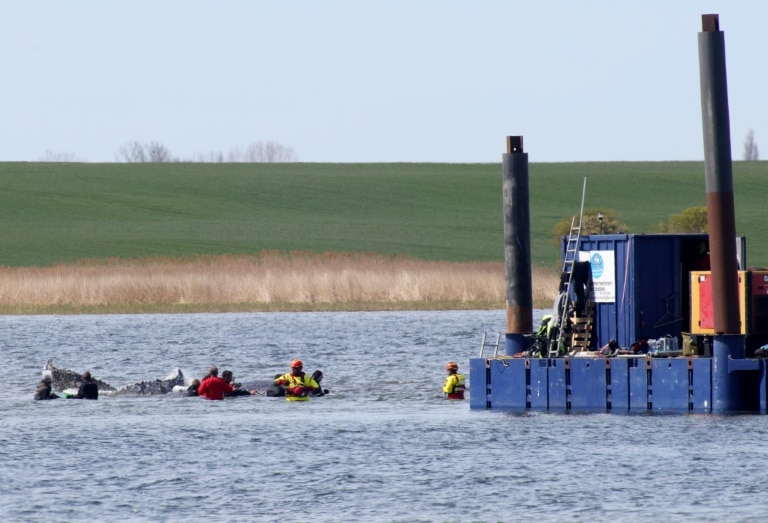
    For weeks, a lost humpback whale’s fight for survival has held the entire nation of Germany in suspense. On Tuesday evening, that saga took a pivotal turn: the 20-ton marine mammal, dubbed Timmy by local media, was successfully guided into a converted cargo barge fitted with a water-filled hold, and the vessel departed for the North Sea to carry out what many call a last-ditch effort to return the animal to its natural habitat.

    Timmy’s ordeal began in late March, when the young humpback – which normally makes its home in the cold, nutrient-rich waters of the Atlantic Ocean – strayed hundreds of kilometers off course and became stuck on a sandbank off the Baltic coast near the northern German city of Luebeck. After the whale freed itself only to become re-trapped multiple times, rescue teams attempted a series of interventions, from digging artificial escape channels to using inflatable flotation devices, but every attempt ended in failure. By early April, state officials formally abandoned rescue efforts, concluding that Timmy could not be saved.

    That decision sparked immediate public outcry, pushing authorities to reverse course and approve a new privately funded rescue plan put forward by two German entrepreneurs. The proposal, which involves transporting Timmy via barge to the North Sea for release if the animal remains strong enough, was dismissed by many marine experts as a long shot, with critics arguing that the stress of capture and transport would only worsen the whale’s condition and reduce any chance of survival.

    Despite the skepticism, rescuers pulled off a breakthrough earlier on Tuesday. Teams fitted stabilizing straps around the 13-meter whale, then guided it down a specially dug sand channel toward the waiting barge. With rescue divers swimming alongside, Timmy picked up speed and voluntarily swam into the water-filled hold, drawing cheers from on-site teams and spectators watching live streams and shore-side broadcasts.

    “I can’t even put my happiness into words,” Karin Walter-Mommert, one of the entrepreneurs backing the mission, told German tabloid Bild. “You could see that the whale was fighting, that he wanted to live. Knowing he’s now safely in the barge is simply wonderful – it proves the fight for Timmy was worth every effort.”

    The operation received official approval after government vets confirmed the whale was healthy enough to withstand the journey north to the North Sea, his intended release site. A temporary green net barrier has been fitted across the barge’s entrance to keep Timmy contained during the voyage. Till Backhaus, environment minister for the state of Mecklenburg-Western Pomerania where the stranding occurred, praised the round-the-clock work of rescue teams, saying “In the end, we have saved this animal.”

    Backhaus has defended the controversial mission against criticism from the scientific community. “I’ve always said: those who do nothing make no mistakes,” he told reporters Tuesday. “If the scientists who claimed this was all pointless had seen the young whale just now, how he swam into the barge all on his own, they would understand.” In a written statement responding to critics who accused officials of sidelining scientific input, Backhaus countered that authorities had always based their decisions on available evidence: “No one could tell us with certainty that the whale would die, or when. On the basis of these uncertain conclusions, we decided to allow the rescue attempt to go forward.”

    The weeks-long saga of Timmy the stranded whale has dominated German media, with rolling coverage on national television, constant updates from online news outlets, and widespread discussion across social media platforms. But the high-profile rescue has also sparked fierce public debate, angry exchanges between supporters and critics of the operation, and even the spread of unfounded conspiracy theories about the whale’s stranding and the rescue’s motives. As the barge carrying Timmy makes its way toward the North Sea, the entire country continues to hold its breath, waiting to see if the high-risk effort will end with the young whale swimming free.

  • Musk faces off with OpenAI in court over broken promises

    Musk faces off with OpenAI in court over broken promises

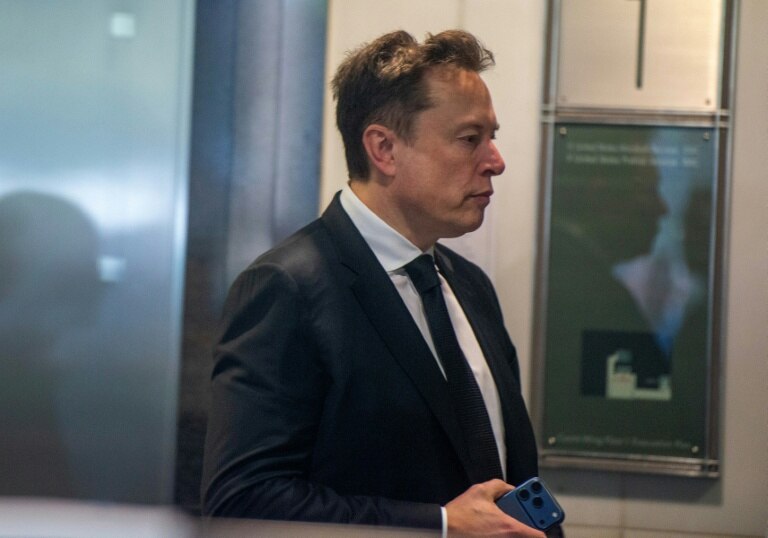
    A high-stakes legal battle that could reshape the future of the global artificial intelligence industry kicked off Tuesday in a California federal court, where Tesla and SpaceX CEO Elon Musk went head-to-head with OpenAI leader Sam Altman over allegations of broken founding promises. The Oakland trial, held just across the San Francisco Bay from OpenAI’s headquarters, is already being framed by industry observers as more than a corporate dispute: it is a fundamental clash over who gets to control the rapidly advancing AI sector, and for what ultimate purpose. Opening statements began Tuesday morning, with Musk’s legal team taking the podium first to lay out the tech billionaire’s case against OpenAI and its major backer Microsoft. Lead attorney Steven Molo told the nine-seat jury that the defendants “stole a charity” from its original mission of open, altruistic AI development for the public good. Molo acknowledged Musk’s polarizing public standing, telling jurors “He is a legend, like him or dislike him.” The jury selection process, completed Monday, laid bare the deep divide in American public opinion toward Musk: while the entrepreneur is celebrated globally for revolutionizing electric vehicles and commercial space travel, his sharp shift to conservative politics and public alliance with former President Donald Trump has alienated large swathes of the public. Just ahead of opening remarks, Judge Yvonne Gonzalez Rogers issued a rare public directive to both Musk and Altman: the two rivals would need to limit inflammatory social media posts for the duration of the trial. The order came after Musk unleashed a barrage of critical posts on X — the social platform he owns — on Monday, derisively referring to Altman as “Scam Altman.” What began as a professional partnership between the two men has curdled into open enmity, with Altman now widely regarded as Musk’s most high-profile nemesis in the global AI race. The roots of the feud stretch back to OpenAI’s founding in 2015, when Altman recruited Musk to join as a co-founder. At the time, the organization was billed as a non-profit research laboratory, with a stated mission to develop AI technology that “would belong to the world.” Musk put at least $38 million into the venture in its early days, but the pair split acrimoniously in 2018. One year later, the OpenAI Foundation launched a for-profit commercial subsidiary, and tech giant Microsoft stepped in with a series of large investments that have now grown to a total commitment of $13 billion. Today, Microsoft’s stake in OpenAI is valued at roughly $135 billion, and the company has become a commercial juggernaut worth $80 billion on paper, riding the unprecedented global success of its ChatGPT chatbot, which launched in 2022 and changed the public perception of AI overnight. OpenAI is now preparing for a high-profile initial public offering, though its unusual governance structure — which leaves ultimate control in the hands of a non-profit board, rather than commercial shareholders — has long made investors nervous. After exiting OpenAI, Musk launched his own rival AI research firm, xAI, which he merged into SpaceX in February of this year. SpaceX is currently valued at $1.25 trillion, and its own upcoming IPO, expected to launch in June, is projected to become the largest in U.S. history. In his lawsuit, Musk argues he was deliberately deceived about OpenAI’s commitment to its original non-profit, altruistic mission. Outside the courthouse Monday, OpenAI’s legal team pushed back against the claims, with attorney William Savitt saying co-founders Altman and Greg Brockman “are confident in their position and look forward to the facts being known.” In official court filings, OpenAI has countered that the 2018 split was caused by Musk’s own desire to seize total control of the organization, not any shift away from non-profit principles. The company has dismissed Musk’s lawsuit outright in public posts, calling it “nothing more than a harassment campaign that’s driven by ego, jealousy and a desire to slow down a competitor.” The trial will wrap up with a decision from Judge Gonzalez Rogers by late May, with the jury providing an advisory finding to guide her ruling. Musk’s legal team is asking the court to force OpenAI to reverse its transition to a hybrid commercial structure and return to being a pure non-profit, as well as remove Altman and OpenAI president Greg Brockman from their leadership roles. Though Musk initially sought up to $134 billion in damages, he has since said he would not keep any award, pledging to redirect any monetary settlement to the original OpenAI non-profit foundation. The outcome of the case could force OpenAI to fundamentally restructure its business model, sending ripples through the entire fast-growing global AI industry.

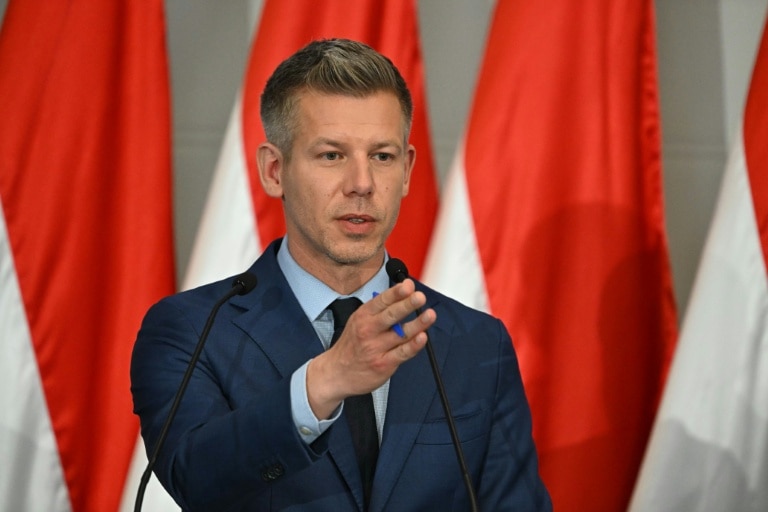
  • Hungary’s PM-elect Magyar offers to meet Ukraine’s Zelensky in June

    Hungary’s PM-elect Magyar offers to meet Ukraine’s Zelensky in June

    Fresh off his landmark election victory that ousted 16-year incumbent nationalist leader Viktor Orbán, Hungary’s incoming prime minister Peter Magyar has extended an formal proposal to meet Ukrainian President Volodymyr Zelenskyy in early June, in a bid to reset fractious bilateral ties between the two neighboring nations. In a public Facebook announcement made following a meeting with the mayor of the Ukrainian city of Berehove in Budapest, Magyar outlined his plan to host the talks in Berehove, a western Ukrainian city where ethnic Hungarians make up the majority of the population.

    Tensions between Hungary and Ukraine have simmered for more than a decade, hitting a new low in the months leading up to Hungary’s April 12 general election. At the core of the long-running dispute are questions over the rights of the sizeable ethnic Hungarian community based in Ukraine’s western Transcarpathia region, an area that was part of the Kingdom of Hungary until the conclusion of World War I.

    The diplomatic rift first emerged in 2017, when Kyiv passed legislation requiring Ukrainian to be the primary language of instruction in secondary education. Hungarian officials have argued for years that this policy disenfranchises the estimated tens of thousands of ethnic Hungarians who call Transcarpathia home. During Orbán’s final term in office, tensions escalated dramatically: the former nationalist prime minister repeatedly leveraged Hungary’s European Union veto power to block Brussels’ planned financial aid packages for Kyiv and new sanctions against Russia over its full-scale invasion of Ukraine.

    Magyar framed the proposed meeting as an opportunity to address both the long-standing ethnic rights dispute and launch a new era of cooperation between the two countries. “The purpose of the meeting is to help improve the situation of Hungarians in Transcarpathia and enable them to remain in their homeland,” he wrote. Magyar called on Ukraine to roll back the restrictive language rules that have been in place for more than 10 years, saying that the ethnic Hungarian community in Transcarpathia deserves full restoration of their cultural, linguistic, administrative, and higher education rights to guarantee their status as equal and respected citizens of Ukraine.

    “If we can resolve these issues, we can certainly open a new chapter in Ukrainian-Hungarian bilateral relations,” Magyar added. The proposed meeting, if it goes forward, would mark a major shift in Hungary’s approach to Ukraine after 16 years of Orbán’s Euroskeptic, Russia-friendly leadership that repeatedly frustrated Western efforts to present a unified front against Moscow’s invasion.

  • Trump hails British as ‘friends’ as king visits amid Iran tensions

    Trump hails British as ‘friends’ as king visits amid Iran tensions

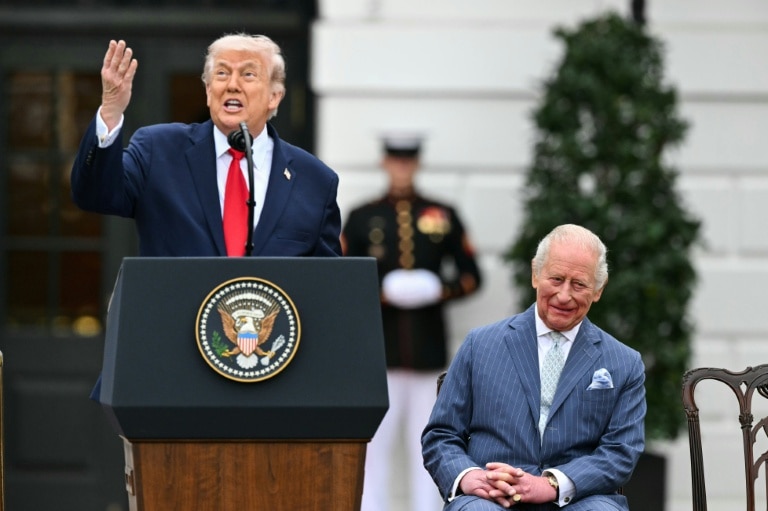
    On a rainy spring morning in Washington D.C., U.S. President Donald Trump formally welcomed Britain’s King Charles III to the White House on April 28, 2026, opening a four-day state visit framed by long-standing transatlantic friendship and simmering tensions over the ongoing war with Iran. The event, held on the White House South Lawn, unfolded against the backdrop of the 250th anniversary of the United States’ Declaration of Independence from British rule, offering a striking historical counterpoint to the warm diplomatic pageantry on display.

    In his opening remarks, Trump struck a conciliatory tone, a sharp shift from his recent public criticism of the British government over its refusal to join the U.S.-led military campaign against Tehran. “In the centuries since we won our independence, Americans have had no closer friends than the British,” Trump told the assembled crowd, reaffirming the decades-old mantra of the “special relationship” between the two nations, a phrase first popularized by Winston Churchill in the aftermath of World War II. “Nobody fought better together” than the U.S. and British militaries, the president added, a comment that came despite his earlier dismissal of Britain’s two aircraft carriers as worthless “toys.”

    The full ceremonial welcome included a traditional 21-gun salute, performances of both the British national anthem *God Save the King* and the U.S. *Star-Spangled Banner*, and a flyover of four U.S. military jets that roared overhead as Trump, King Charles, Queen Camilla, and First Lady Melania Trump watched from the dais. A contingent of reenactors in Revolutionary War-era uniforms, marking the 250th anniversary of U.S. independence, marched past playing fifes and drums, while faint construction noise from the $400 million presidential ballroom currently being added to the White House complex drifted across the lawn.

    Trump, a self-described long-time admirer of the British royal family, appeared in jovial spirits throughout the ceremony. He joked about the rainy weather, quipping “What a beautiful British day this is,” and lightheartedly recalled that his late mother “had a crush on Charles,” who is now 77 years old, two years younger than the 79-year-old U.S. president. Following the address, King Charles shook hands with senior members of the Trump administration, including Vice President JD Vance and Secretary of State Marco Rubio, before the two heads of state inspected a joint honor guard of all branches of the U.S. armed forces.

    The state visit comes at a particularly delicate moment in U.S.-UK relations. Trump has repeatedly launched public attacks against British Prime Minister Keir Starmer, not only over his government’s refusal to join the Iran conflict but also over London’s immigration and energy policies. Just days before the royal arrival, a shooting occurred at the White House Correspondents Dinner that Trump attended, prompting heavily tightened security across Washington for the duration of the visit.

    The first day of the visit featured low-key informal engagements, with the Trumps hosting Charles and Camilla for tea and pastries before touring the beehives on the South Lawn. On the second day of the visit, the centerpiece public event will see King Charles become the first British monarch to address a joint session of the U.S. Congress since his mother, Queen Elizabeth II, did so in 1991. Palace insiders indicate the king will use the 20-minute address to call for “reconciliation and renewal” to mend recent rifts between the two allies, while gently urging continued commitment to shared democratic values of liberty and equality. “Time and again, our two countries have always found ways to come together,” Charles is expected to say. Analysts note, however, that placating the mercurial U.S. president will be a significant long-term diplomatic challenge for the British monarchy and government. After closed-door talks in the Oval Office between the king and president on Tuesday, the day will conclude with a lavish state dinner hosted by the Trumps in honor of the royal visitors.

  • Peace efforts stall as US examines latest Iran proposal

    Peace efforts stall as US examines latest Iran proposal

    Diplomatic efforts to reach a permanent end to the ongoing Middle East conflict reached a deadlock this Tuesday, as the United States continues to review Iran’s latest proposal to reopen the strategically critical Strait of Hormuz, while Tehran rejects Washington’s claims to dictate the terms of any final agreement.

    Two months since the launch of the US-Israeli military offensive, Iran has maintained a blockade on the strait – a global chokepoint that carries roughly a fifth of the world’s daily oil and natural gas shipments. The closure has sent severe disruptions rippling through global energy markets, driving commodity prices sharply higher and stoking economic uncertainty worldwide.

    According to multiple reports, Iran’s offer would see Tehran gradually ease its restrictions on Hormuz shipping in exchange for the US lifting its own retaliatory blockade on Iranian commercial ports, while wider negotiations on more divisive issues – most notably Iran’s nuclear program – would continue in parallel. The proposal was delivered to Washington via written communications relayed through mediator Pakistan, which also outlined Iran’s non-negotiable red lines on both nuclear policy and control of the strait, Iran’s state-affiliated Fars News Agency confirmed.

    US President Donald Trump convened a meeting with his top national security advisors on Monday to assess the plan, but multiple anonymous sources familiar with the closed-door discussion told CNN that Trump has signaled reluctance to accept the framework. The President has insisted that the status of the strait remain on the negotiating table until a full resolution of the nuclear question is reached, leaving the next steps of the process unclear.

    Iran hit back at Washington’s positioning on Tuesday, with Defense Ministry spokesperson Reza Talaei-Nik stating that the US must abandon what he called its “illegal and irrational demands.” “The United States is no longer in a position to dictate its policy to independent nations,” he told Iranian state television.

    US Secretary of State Marco Rubio offered a mixed assessment of the proposal during an interview with Fox News, acknowledging that it was “better than what we thought they were going to submit” but questioning the sincerity of Iran’s commitments. “They’re very good negotiators,” Rubio said, adding that any final agreement must “definitively prevents them from sprinting towards a nuclear weapon.”

    Regional mediators have also stepped up warnings about the risks of an unresolved standoff. Qatar’s Foreign Ministry spokesperson Majed al-Ansari told reporters Tuesday that the international community must avoid the creation of a “frozen conflict” that could reignite at any moment over political disagreements. “We do not want to see a return to hostilities in the region anytime soon. We do not want to see a frozen conflict that ends up being thawed every time there is a political reason,” al-Ansari said, calling for negotiators to prioritize a “sustainable” long-term peace deal.

    Thus far, a temporary ceasefire between US and Iranian forces has held, but talks to lock in a permanent end to hostilities have failed to produce tangible progress. Pakistan, which has served as the primary mediator for the talks, hosted an initial round of negotiations that ended without breakthrough, and plans for a second round of talks over the weekend collapsed entirely. When asked about the path forward last week, Trump simply stated that “if Iran wants talks, they can call us.”

    Tehran has made clear that it will not offer new security guarantees for Gulf waterways without ironclad commitments from Washington and Tel Aviv that they will not launch new military attacks, Iran’s UN envoy said this week. An Iranian army spokesperson doubled down on that position Tuesday, telling state media that Tehran “does not consider the war to be over” and holds “no trust in America.”

    “We have many cards that we have not yet used… new tools and methods of fighting based on the experiences of the past two months of conflict, which will definitely allow us to respond to the enemy more decisively” if hostilities resume, said spokesperson Amir Akraminia.

    Speaking during a visit to Moscow this week, Iranian Foreign Minister Abbas Araghchi claimed the conflict had demonstrated Iran’s “true power” and regional stability, but the mood inside Iran remains far grimmer. Small business owner Farshad, speaking to AFP journalists in Tehran, described widespread economic disruption from the ongoing standoff. “Everything in the country is up in the air right now. I have not worked for a long time,” he said. “The country is in complete economic collapse.”

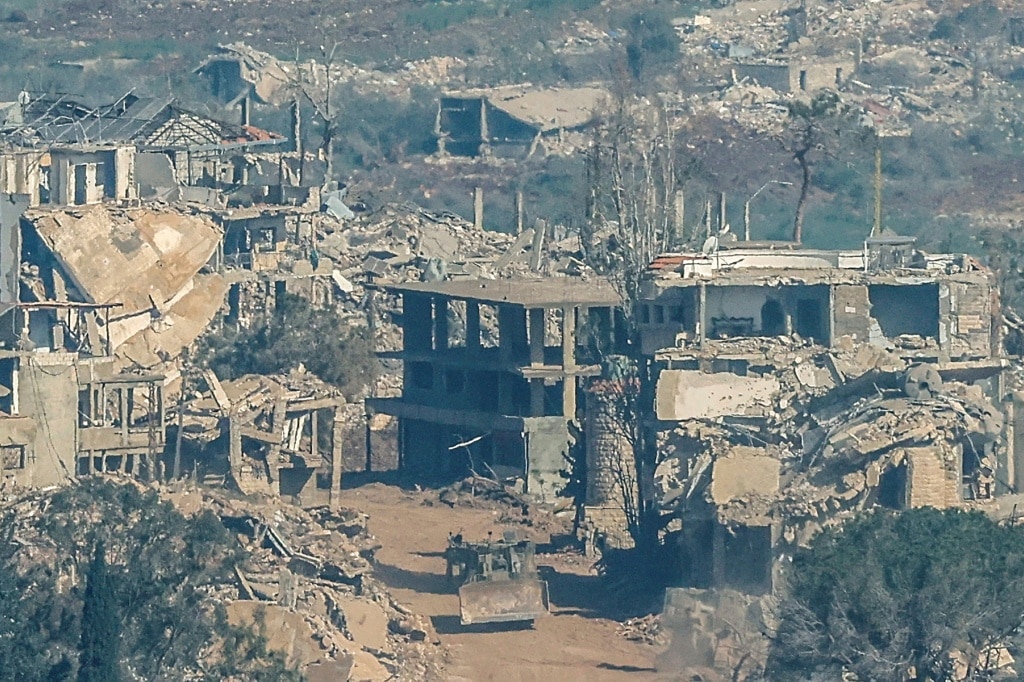
    Beyond the bilateral US-Iran standoff, violence continues to simmer on the conflict’s Lebanese front, where a recently extended ceasefire between Israel and Iran-backed Hezbollah has failed to stop all clashes. Hezbollah drew Lebanon into the broader conflict when it launched rocket attacks on Israel, prompting Israel to launch retaliatory airstrikes and a limited ground incursion into southern Lebanon.

    On Tuesday, the Israeli military issued evacuation orders for more than a dozen villages and towns in southern Lebanon, saying repeated “violations of the ceasefire” by Hezbollah left it no choice but to resume military action. Israeli Foreign Minister Gideon Saar emphasized that his country “has no territorial ambitions in Lebanon” and will withdraw its forces from border areas once Hezbollah and its armed factions are fully dismantled. The comment came a day after Hezbollah leader Naim Qassem reaffirmed the group’s commitment to the fight, vowing that it would “not back down” from its positions.

  • Mali faces advancing rebels in ‘difficult’ situation

    Mali faces advancing rebels in ‘difficult’ situation

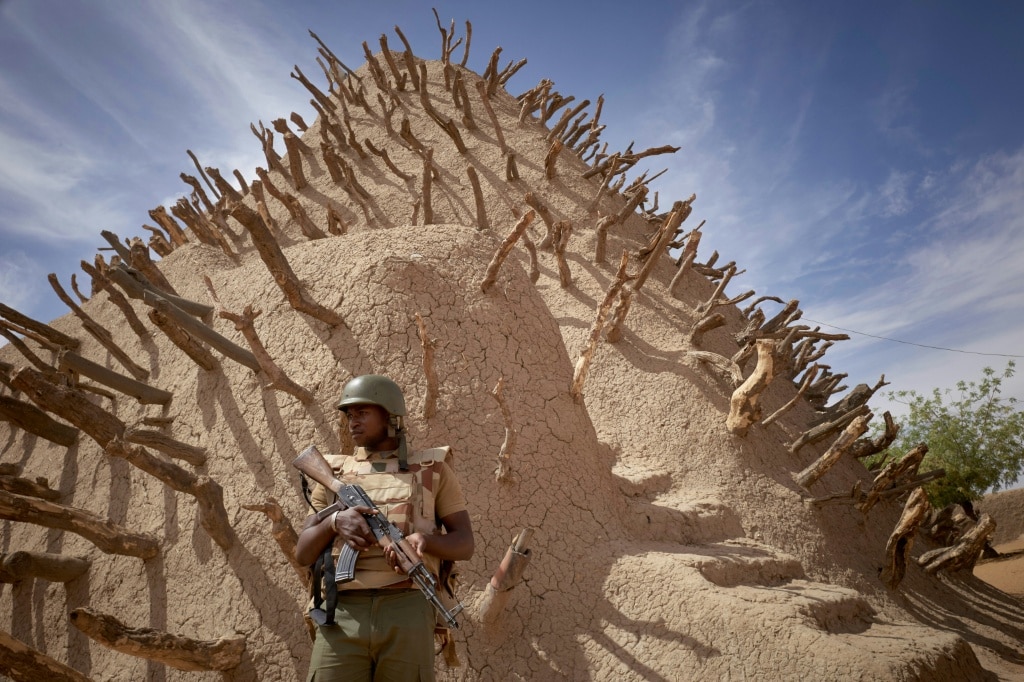
    Three days after launching the largest coordinated assault in nearly 15 years against Mali’s ruling military junta, a unified force of Tuareg separatists and al-Qaeda-linked jihadists continues advancing across northern Mali, with Russia’s defense ministry acknowledging Tuesday that the security situation “remains difficult”.

    The broad, dawn attacks launched Saturday targeted multiple strategic positions across the West African nation, including military sites near the capital Bamako. In a stunning development that has shaken junta leadership, Defense Minister Sadio Camara — widely regarded as the architect of the junta’s decision to pivot away from Western partners and align with Russia — was killed in fierce fighting against the joint force of the Azawad Liberation Front (FLA) Tuareg rebels and the jihadist Group for the Support of Islam and Muslims (JNIM).

    Junta chief Assimi Goita, who seized power in a 2020 coup on a promise to defeat Islamist insurgency, has not made any public appearance or statement since the attacks began. A Malian security source told Agence France-Presse that Goita is staying out of public view “for security reasons”, while an anonymous elected official in Bamako confirmed that military leadership is currently reassessing its strategy in the wake of the assault. This unexpected absence has fueled widespread uncertainty over the future of the country’s ruling military council.

    On Tuesday, Russian defense officials confirmed that fighters from the Moscow-controlled Africa Corps — the paramilitary force deployed to support the Malian junta — have withdrawn from the key northern town of Kidal, which is now fully under the control of the allied armed groups. The ministry also confirmed that rebel fighters launched attempts to seize high-priority targets in Bamako, most notably the presidential palace. Russia, which has been the junta’s primary foreign backer since 2022, stated that regrouping rebel forces remain active across the north, while the Kremlin separately said Moscow is urgently seeking a return to peace and stability for the Sahel nation.

    Local sources confirm that Malian government forces have already abandoned multiple outposts in the northern Gao region, the country’s second-largest military stronghold. One anonymous local politician reported that troops withdrew from the border town of Labbezanga near Niger and pulled back to the more defensible position of Ansogo. Late Monday, two large explosions were recorded near Bamako’s international airport by an AFP journalist on the ground, though the source of the blasts has not yet been confirmed. Local residents reported the blasts originated from the military Base 101 located at the airport, with no exchange of small arms fire reported before or after the detonations.

    Analysts note that this coordinated offensive marks an unprecedented milestone: two historic foes — Islamist insurgents seeking to establish religious rule and Tuareg separatists fighting for an independent state of Azawad — have set aside their differences to fight a common enemy in the junta and its Russian backers. This new alliance was formalized one year ago, echoing the 2012 crisis that first plunged Mali into ongoing conflict, when the same two groups briefly allied to seize control of northern Mali before turning on one another. At that time, former colonial power France intervened to repel the offensive, but French forces fully withdrew from Mali in 2022 after relations with the junta collapsed.

    Some analysts have framed the attacks near Bamako’s centers of power as a strategic diversion to draw junta forces away from Kidal, a longstanding stronghold of Tuareg pro-independence movements. Kidal was retaken by junta forces backed by Russian mercenaries from the Wagner Group — the predecessor to the current Africa Corps — in a 2023 offensive, but it fell back to rebel control in the recent assault. As of Tuesday, the security situation across central Mali’s Mopti region, which was also targeted in Saturday’s attacks, remains unclear and fluid.

    Mali has now faced more than a decade of persistent jihadist violence and overlapping insurgencies, which has displaced hundreds of thousands of people across the country and into neighboring nations including Mauritania, Niger and Burkina Faso. The large-scale offensive has raised serious new questions about the junta’s ability to contain the insurgency, despite repeated claims that its military strategy, partnership with Russia and increased troop deployments have successfully rolled back the jihadist threat.

  • UAE pulls out of OPEC oil cartels citing ‘national interests’

    UAE pulls out of OPEC oil cartels citing ‘national interests’

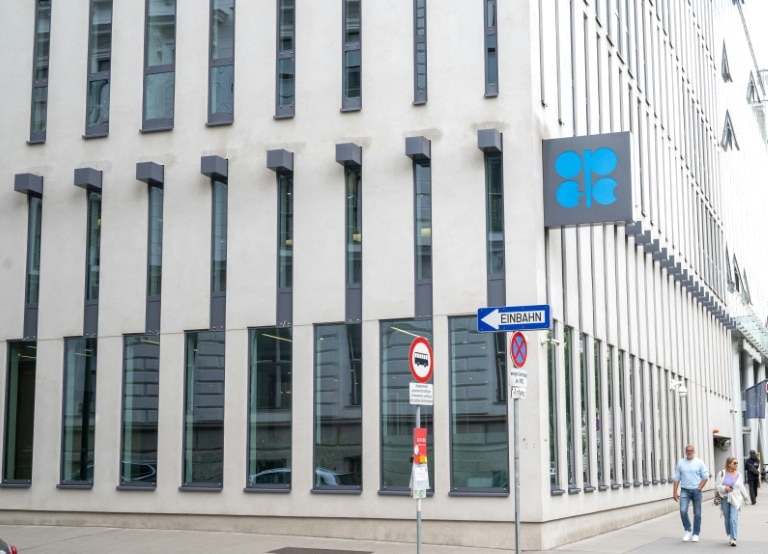
    In a move that sent immediate shockwaves through global energy markets already reeling from volatility sparked by ongoing Middle East conflict, the United Arab Emirates (UAE) announced Tuesday it will officially withdraw from both the OPEC cartel and the broader OPEC+ alliance this Friday, framing the decision as a necessary step to prioritize its independent national interests.

    A top-tier global oil producer with a decades-long history inside the organization, the UAE has quietly grown frustrated with OPEC’s binding production quota system in recent years, according to industry insiders. The nation’s official state news agency WAM carried the formal announcement, which confirms a major shakeup for the decades-old oil exporting bloc.

    The UAE’s membership in OPEC dates back to 1967, when the emirate of Abu Dhabi joined the organization four years prior to the formal unification and independence of the UAE from British protection. It becomes the second OPEC member to exit the bloc in recent years, following Angola’s departure in 2024.

    In its official statement outlining the decision, UAE officials emphasized that the move aligns with the nation’s long-term strategic and economic vision, as well as its rapidly evolving energy profile as it diversifies its output and invests in both fossil fuel expansion and renewable energy development. “During our time in the organisation, we made significant contributions and even greater sacrifices for the benefit of all,” the statement read. “However, the time has come to focus our efforts on what our national interest dictates.”

    Industry analysts warn the departure comes at an already fragile moment for global energy markets, representing the most significant shock to the oil order since the 1970s oil crisis. The exit is expected to weaken the influence of OPEC, which has long been dominated by Saudi Arabia, the UAE’s regional neighbor and long-running geopolitical rival. Already strained shipping lanes through the Strait of Hormuz—where roughly one-fifth of the world’s oil supplies pass—have been choked by an ongoing Iranian blockade, and the UAE has faced repeated Iranian attacks on its infrastructure in recent months. Frictions between Riyadh and Abu Dhabi have also intensified over backing for opposing factions in the years-long Yemeni civil war, further eroding cooperation within the bloc.

    Before the current outbreak of Middle East conflict, the UAE ranked as the fourth-largest producer in the 22-member OPEC+ alliance, trailing only Saudi Arabia, Russia and Iraq. Jamie Ingram, managing editor of the Middle East Economic Survey, noted that the departure strips OPEC of roughly 13 percent of its total production capacity, according to data from the International Energy Agency.

    Jorge Leon, senior energy analyst at research firm Rystad Energy, explained that the immediate impact on oil markets may be muted while Hormuz shipping remains restricted. However, he warned that the long-term implications are significant: free of OPEC+ production caps, the UAE can now ramp up output at will, calling into question the long-term sustainability of Saudi Arabia’s role as the global oil market’s primary stabilizer. “As OPEC’s capacity to smooth out supply imbalances diminishes, we face the prospect of a far more volatile global oil market moving forward,” Leon noted.

    Founded in 1960 to coordinate oil policy among producing nations, the Vienna-based OPEC bloc launched its expanded OPEC+ partnership with 10 independent non-member producers in 2016 to increase its collective market leverage. The group first rose to global prominence in 1973, when it imposed an oil embargo on nations allied with Israel during the Yom Kippur War, triggering the first global oil crisis that sent prices quadrupling in just a few months and cemented the cartel’s outsized influence over global energy security. In the 1980s, facing growing competition from non-OPEC producers, the group introduced its iconic production quota system to maintain price stability and market control—a framework that helped it weather major disruptions including the 2008 global financial crisis and the post-Covid-19 pandemic price shock, even as internal tensions among member states continued to grow.

  • Family-owned Aussie mattress retailer A.H. Beard collapses into voluntary administration

    Family-owned Aussie mattress retailer A.H. Beard collapses into voluntary administration

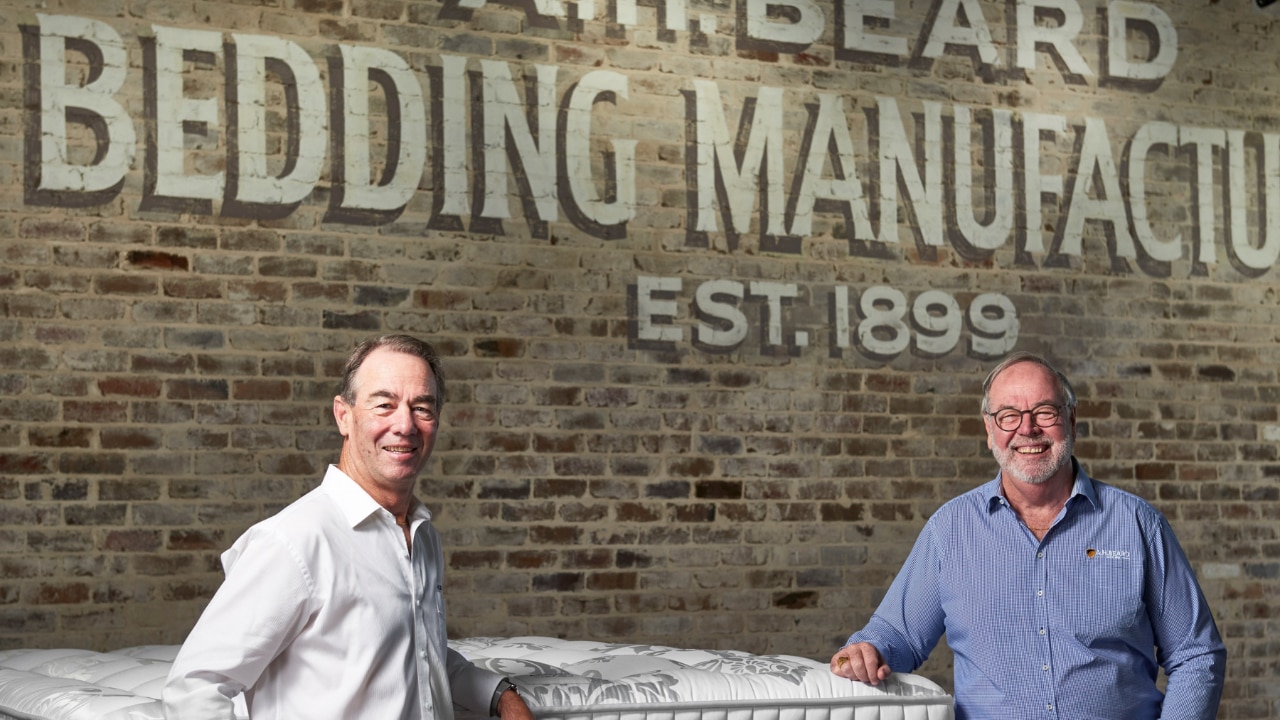
    After more than a century of continuous operation as a staple of Australian manufacturing, one of the country’s most storied family-owned mattress brands, A.H. Beard, has fallen into voluntary administration, closing a historic chapter for the nation’s bedding industry.

    Official notices published this week confirmed that insolvency practitioners Peter Lucas and Damien Lau from P.A Lucas & Co have been appointed as joint administrators to oversee the company’s restructuring process, which leaves the long-standing firm’s future hanging in the balance. According to reports from *The Daily Telegraph*, chairman Garry Beard was visibly emotional, breaking down in tears as he delivered the news to workers at the brand’s southwest Sydney manufacturing facility on Tuesday.

    The collapse has been pinned on a confluence of mounting economic headwinds that have squeezed domestic manufacturing in Australia in recent years. Plummeting discretionary household spending, as consumers cut back on big-ticket non-essential purchases amid cost-of-living pressures, has paired with skyrocketing raw material and operational production costs to erode the company’s profit margins. Compounding these challenges is a steady consumer shift toward lower-cost imported bedding products, which has undercut pricing for local manufacturers like A.H. Beard that prioritize domestic production.

    Beyond its iconic status as a multi-generational family business, A.H. Beard leaves a major legacy as a pioneer of sustainable industry practice in Australian bedding. Kylie Roberts-Frost, chief executive of the Australian Bedding Stewardship Council, described the news as a devastating loss for the entire sector, noting that the brand’s early voluntary commitment to green initiatives laid the foundation for the council’s industry-wide sustainability programs. “The scheme of getting manufacturers on board with voluntary green measures — using recyclable materials and getting beds out of landfills at the end of its life cycle — would not exist were it not for the voluntary efforts of A.H. Beard,” Roberts-Frost said. “What makes this so difficult to sit with is that A.H. Beard was doing the right thing. They were investing in sustainability, supporting a stewardship scheme, and taking responsibility for end-of-life at a time when many in the industry are not.”

    Founded in 1899, A.H. Beard has been led across three generations of the Beard family: currently, the business is run by chairman Garry Beard, his brother Allyn Beard, and Garry’s son Matthew Beard, who serves as chief executive officer. Over its 126 years of operation, the company estimates it has produced and sold more than 10 million mattresses. It built a reputation as a leading supplier to Australia’s hospitality sector, and even sold a specialized luxury mattress model to the Chinese market for upwards of $100,000. The brand’s collapse marks one of the most high-profile casualties of ongoing economic pressure on small and medium-sized domestic manufacturing businesses in Australia.

  • Anthony Albanese make surprise appearance on The Hundred with Andy Lee

    Anthony Albanese make surprise appearance on The Hundred with Andy Lee

    Australian Prime Minister Anthony Albanese made an unanticipated, memorable appearance on the ninth-season premiere of the hit Channel 9 comedy game show *The Hundred*, where he delivered a series of sharp, playful roasts of fellow panel guests and opened up about little-known personal anecdotes from his life before entering the nation’s top office.

    Hosted by beloved Australian comedian Andy Lee, *The Hundred* structures its episodes around 100 everyday Australians from across the country, who join the show remotely via Zoom to participate in on-air polls and interactive segments. For the opening episode of the new season, Albanese stepped into the program’s signature “hot seat” for a fun segment testing how many of the 100 participants could recognize the country’s sitting Prime Minister. Impressively, 98% of the respondents correctly identified Albanese – a result that prompted the Prime Minister to fire off a quick-witted quip, asking, “Who are the two people who are leaving Australia at this point in time?” The joke landed instantly with the studio audience and viewers watching at home alike.

    Beyond the recognition segment, Albanese leaned into the lighthearted tone of the night, sharing a throwback to a lesser-known gig he held years before entering politics: part-time event DJ. Going by the playful stage name “DJ Albo”, Albanese explained he spent many years spinning tracks for charity fundraisers hosted by Reclink, an Australian organization that uses sport and the arts to support community members facing disadvantage. “I haven’t done it for a while because I’m busy with other things,” he told the panel, adding a joking note about crowd reactions to his sets that drew more laughs from the room.

    Albanese also showcased one of his most well-known (and previously private) personal mannerisms during the appearance: his so-called “everything is fine face”. He told the audience this is the neutral, polite expression he pulls when greeting fellow politicians he does not agree with politically. To demonstrate the trick, host Andy Lee stepped into the role of a disagreeable political colleague, with Albanese greeting him with a firm handshake and a wide, unflappable grin – a performance that brought roars of laughter from the crowd.

    A long-running staple of Australian comedy television, *The Hundred* welcomes back regular panellists Mike Goldstein and Sophie Monk for its ninth season, alongside a rotating lineup of popular Australian comedians including Joel Creasey, Kate Langbroek, Pete Helliar, Denise Scott, Hamish Blake, Glenn Robbins and Dave Hughes. Albanese’s surprise opening-night guest spot kicks off a season packed with A-list celebrity guests, with upcoming appearances scheduled for Olympic swimmer and musician Cody Simpson, Boost Juice founder Janine Allis, Melbourne AFL captain Max Gawn and Australian actor-activist Samuel Johnson, according to entertainment outlet TV Blackbox.