In a move that sent immediate shockwaves through global energy markets already reeling from volatility sparked by ongoing Middle East conflict, the United Arab Emirates (UAE) announced Tuesday it will officially withdraw from both the OPEC cartel and the broader OPEC+ alliance this Friday, framing the decision as a necessary step to prioritize its independent national interests.
A top-tier global oil producer with a decades-long history inside the organization, the UAE has quietly grown frustrated with OPEC’s binding production quota system in recent years, according to industry insiders. The nation’s official state news agency WAM carried the formal announcement, which confirms a major shakeup for the decades-old oil exporting bloc.
The UAE’s membership in OPEC dates back to 1967, when the emirate of Abu Dhabi joined the organization four years prior to the formal unification and independence of the UAE from British protection. It becomes the second OPEC member to exit the bloc in recent years, following Angola’s departure in 2024.
In its official statement outlining the decision, UAE officials emphasized that the move aligns with the nation’s long-term strategic and economic vision, as well as its rapidly evolving energy profile as it diversifies its output and invests in both fossil fuel expansion and renewable energy development. “During our time in the organisation, we made significant contributions and even greater sacrifices for the benefit of all,” the statement read. “However, the time has come to focus our efforts on what our national interest dictates.”
Industry analysts warn the departure comes at an already fragile moment for global energy markets, representing the most significant shock to the oil order since the 1970s oil crisis. The exit is expected to weaken the influence of OPEC, which has long been dominated by Saudi Arabia, the UAE’s regional neighbor and long-running geopolitical rival. Already strained shipping lanes through the Strait of Hormuz—where roughly one-fifth of the world’s oil supplies pass—have been choked by an ongoing Iranian blockade, and the UAE has faced repeated Iranian attacks on its infrastructure in recent months. Frictions between Riyadh and Abu Dhabi have also intensified over backing for opposing factions in the years-long Yemeni civil war, further eroding cooperation within the bloc.
Before the current outbreak of Middle East conflict, the UAE ranked as the fourth-largest producer in the 22-member OPEC+ alliance, trailing only Saudi Arabia, Russia and Iraq. Jamie Ingram, managing editor of the Middle East Economic Survey, noted that the departure strips OPEC of roughly 13 percent of its total production capacity, according to data from the International Energy Agency.
Jorge Leon, senior energy analyst at research firm Rystad Energy, explained that the immediate impact on oil markets may be muted while Hormuz shipping remains restricted. However, he warned that the long-term implications are significant: free of OPEC+ production caps, the UAE can now ramp up output at will, calling into question the long-term sustainability of Saudi Arabia’s role as the global oil market’s primary stabilizer. “As OPEC’s capacity to smooth out supply imbalances diminishes, we face the prospect of a far more volatile global oil market moving forward,” Leon noted.
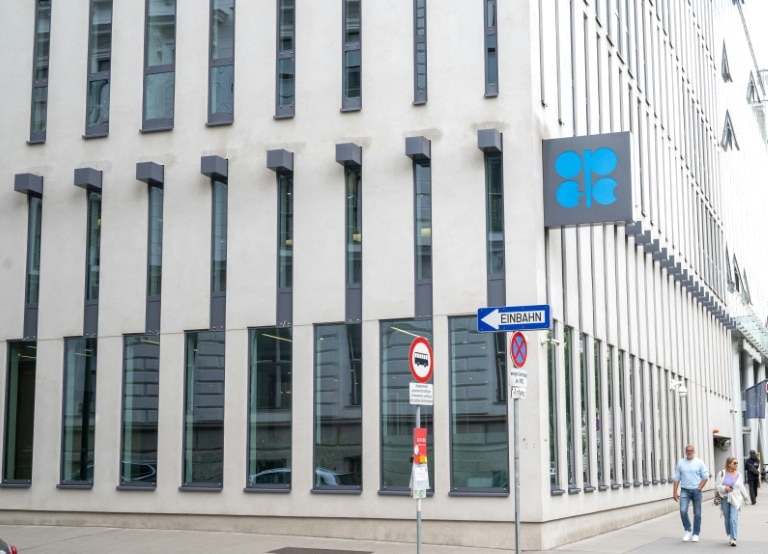
Founded in 1960 to coordinate oil policy among producing nations, the Vienna-based OPEC bloc launched its expanded OPEC+ partnership with 10 independent non-member producers in 2016 to increase its collective market leverage. The group first rose to global prominence in 1973, when it imposed an oil embargo on nations allied with Israel during the Yom Kippur War, triggering the first global oil crisis that sent prices quadrupling in just a few months and cemented the cartel’s outsized influence over global energy security. In the 1980s, facing growing competition from non-OPEC producers, the group introduced its iconic production quota system to maintain price stability and market control—a framework that helped it weather major disruptions including the 2008 global financial crisis and the post-Covid-19 pandemic price shock, even as internal tensions among member states continued to grow.