标签: Oceania

大洋洲

  • Customers spending less as businesses pinched by Iran war crisis

    Customers spending less as businesses pinched by Iran war crisis

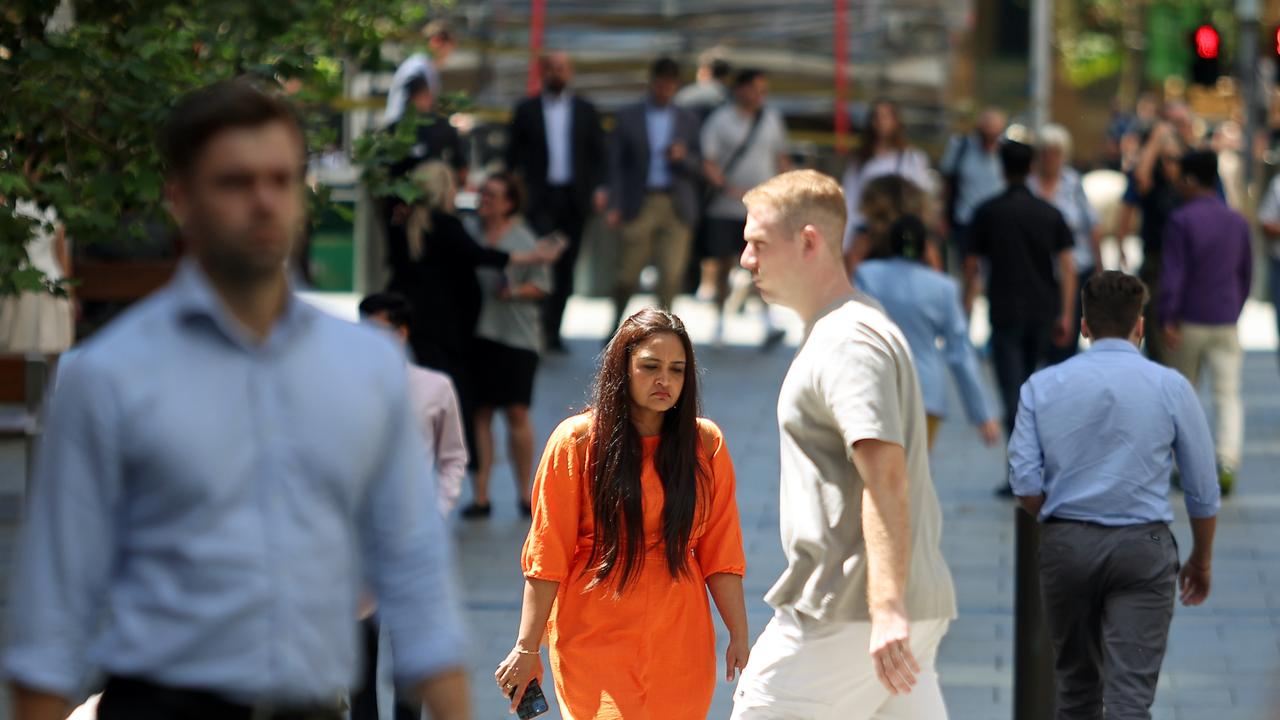
    Fresh data from Australia’s leading business industry body has highlighted a persistent downward trend in domestic consumer spending, even as the most severe disruptions from the Middle East fuel supply crisis have eased following a breakthrough diplomatic announcement. The Australian Chamber of Commerce and Industry’s latest bi-monthly analysis of fuel crisis impacts reveals that a growing share of businesses across four of Australia’s most populous states are reporting weaker customer demand, despite government interventions to lower fuel prices and a de-escalation of geopolitical tensions.

    In the survey, which polled more than 700 businesses across New South Wales, Victoria, South Australia, and Queensland between April 6 and 20, 55% of participating firms recorded weaker customer spending in April. This marks a notable 12 percentage point increase from the 43% of businesses that reported lower spending in March, a shift that occurred even after a temporary cut to Australia’s federal fuel excise took effect on April 1.

    While the share of businesses facing severe or major financial strain from elevated fuel costs dropped to 29% in April from 46% in March, an overwhelming 94% of respondents still reported experiencing at least some degree of negative impact from persistently high fuel prices. David Alexander, acting chief executive officer of the Australian Chamber of Commerce and Industry, noted that the combination of elevated fuel prices and successive interest rate increases has eroded household confidence, leading Australian consumers to pull back sharply on non-essential discretionary purchases.

    The survey also laid bare the widespread strain the fuel crisis has placed on Australian business operations. The share of companies that have chosen to absorb higher fuel costs rather than pass all increases on to consumers rose from 61% in March to 69% in April. Meanwhile, the proportion of businesses delaying planned investment or expansion projects climbed to 38% from 31% in the prior month, and more than 60% of all surveyed firms have cut their own non-essential operational spending to offset rising costs.

    Alexander warned that the economic fallout from global fuel supply disruptions is far from over, and will continue to drag on Australian business performance for the foreseeable future. “This is a worrying signal. Businesses pulling back on investment will impact economic growth in the months and years ahead,” he said.

    The survey’s release came just ahead of a landmark announcement from former U.S. President Donald Trump on Saturday evening, who confirmed an impending peace agreement with Iran that includes the full reopening of the Strait of Hormuz. The strategic waterway, which carries roughly one-fifth of the world’s total crude oil shipments, was closed by Iran amid escalating tensions, triggering a sharp spike in global fuel prices that hit Asia-Pacific markets particularly hard. The closure also sparked widespread fears of prolonged supply shortages for key products including refined diesel and agricultural fertilizer.

    The new report from the business chamber has called on Australian policymakers to maintain targeted support for affected businesses, to ensure that recent temporary drops in fuel prices translate into long-term improvement in business conditions and broader national economic activity. Additional findings from the survey show that 63% of businesses have seen transport and freight costs surge due to higher fuel prices, 43% have reported intensifying cash flow pressures, and 36% have ultimately passed at least part of their increased fuel costs through to end consumers.

  • Man killed in shark attack off Australia’s north-east coast

    Man killed in shark attack off Australia’s north-east coast

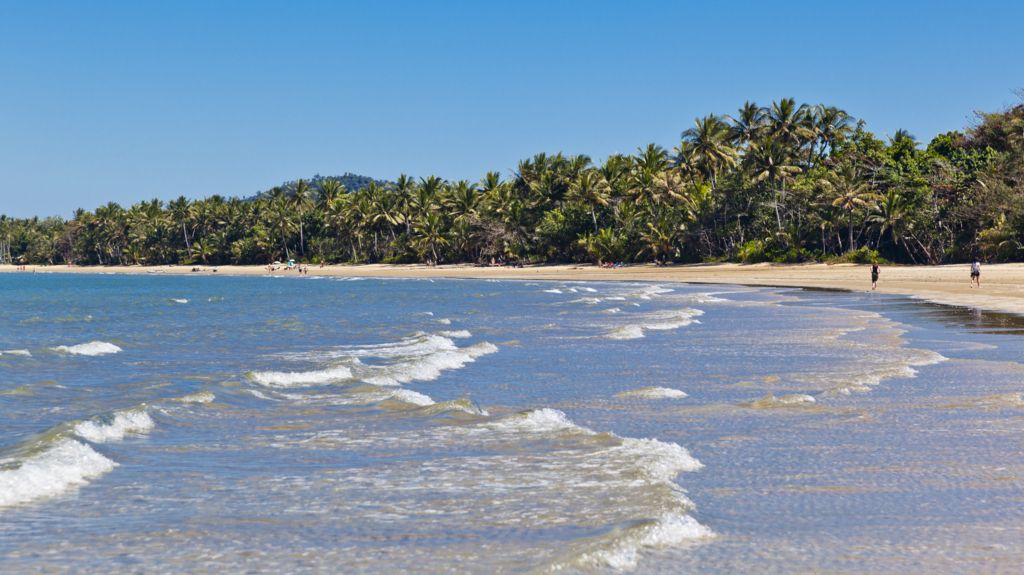
    Australian law enforcement has officially confirmed that a 39-year-old man has become the second person killed by a shark attack in Australian waters within a 14-day window, following an incident off the Cassowary Coast in Queensland’s northeastern region.

    Local emergency dispatch received a distress call shortly before noon on Sunday, responding to reports of a shark bite at a boat ramp located between the major northern cities of Cairns and Townsville. Witnesses reported the attack occurred while the man was swimming at a shoal located a short distance from shore. First responders pulled the victim from the water, but he could not be saved, succumbing to the injuries he sustained in the encounter.

    This latest fatality comes just one week after another deadly shark attack off the coast of Western Australia, near the city of Perth. That incident claimed the life of a 38-year-old man who was spearfishing in the area when he was bitten on his lower legs; emergency medics were unable to resuscitate him after pulling him from the water.

    Queensland Police have not released any further details about the most recent victim, including the specific nature of his injuries or his personal identity, per standard protocol for cases under coronial review. Law enforcement confirmed it will prepare a full report on the “sudden and non-suspicious” death for the coroner, noting that no additional comments will be made while the matter is officially open.

    While Australia records more shark-human interactions than most other coastal regions globally, fatal outcomes remain relatively rare. Data from the Australian Shark-Incident Database shows that in January of this year alone, four confirmed shark encounters were documented across the country, with only one resulting in a fatality. Most high-traffic coastal areas popular with swimmers and surfers maintain dedicated protective measures to reduce the risk of unprovoked attacks.

  • ‘Party in the back’: Competitors vie for European mullet crown

    ‘Party in the back’: Competitors vie for European mullet crown

    Hundreds of bold-haired enthusiasts flocked to southern Belgium this weekend to compete in the 4th annual European Mullet Championship, a joyful celebration of the iconic divisive hairstyle that has staged a surprising cultural comeback in recent years. Famed for its timeless tagline “business in the front, party in the back”, the mullet balances sharp, cropped sections at the front and sides with long, unapologetically flowing hair at the nape of the neck. First catapulted to mainstream popularity in the 1980s, the style quickly fell out of favor and was widely mocked for decades before reemerging as a subversive, countercultural statement among fans around the world.

    The Belgian competition, inspired by a similar event launched in Australia, drew aspiring contenders from across Europe this year, with participants traveling from as far as France, Spain and England to showcase their takes on the cut. For the community that has rallied around the hairstyle, the mullet is far more than a passing fashion trend—it is a core part of identity and a way of life. “The mullet is open—to others, to difference, to adventure. It has a wild side,” explained event spokesperson David Hubert, who competes under the pseudonym Edgar Funkel.

    Unlike typical hair competitions that judge only technical skill or aesthetic perfection, the European Mullet Championship prioritizes personality and shared values alongside styling. Hopefuls first completed a detailed personal questionnaire to help judges get to know them beyond their hair. “Of course, we choose a great hairstyle, but what we really want is to choose a wonderful person,” said 39-year-old jury member Lolita Demoustiez, who goes by Dalita. “What matters is that the person carrying the mullet truly embodies values such as tolerance, kindness and the freedom to be oneself.”

    For many participants, the cut has had tangible, life-changing impacts. Christine, a 60-year-old Belgian competitor, shared that her striking silver grey mullet helped her navigate a recent period of intense personal hardship. “It feels absolutely brilliant, and I still haven’t taken any antidepressants,” she said, grinning as she showed off her hairstyle. “Long live the mullet!”

    After preliminary selections, roughly 50 finalists took the stage to show off their mullets for a cheering crowd of spectators. Judges awarded titles across multiple categories, including junior mullet, traditional mullet, unusual mullet and veteran mullet, to celebrate the diversity of styles within the community. When the final votes were counted, the 2026 overall European crown went to the duo of 44-year-old Berenice and 46-year-old Samuel, who are known to their fans by their shared nickname BesaMulet.

  • AFL 2026: Collingwood ace Jamie Elliott has an ACL injury

    AFL 2026: Collingwood ace Jamie Elliott has an ACL injury

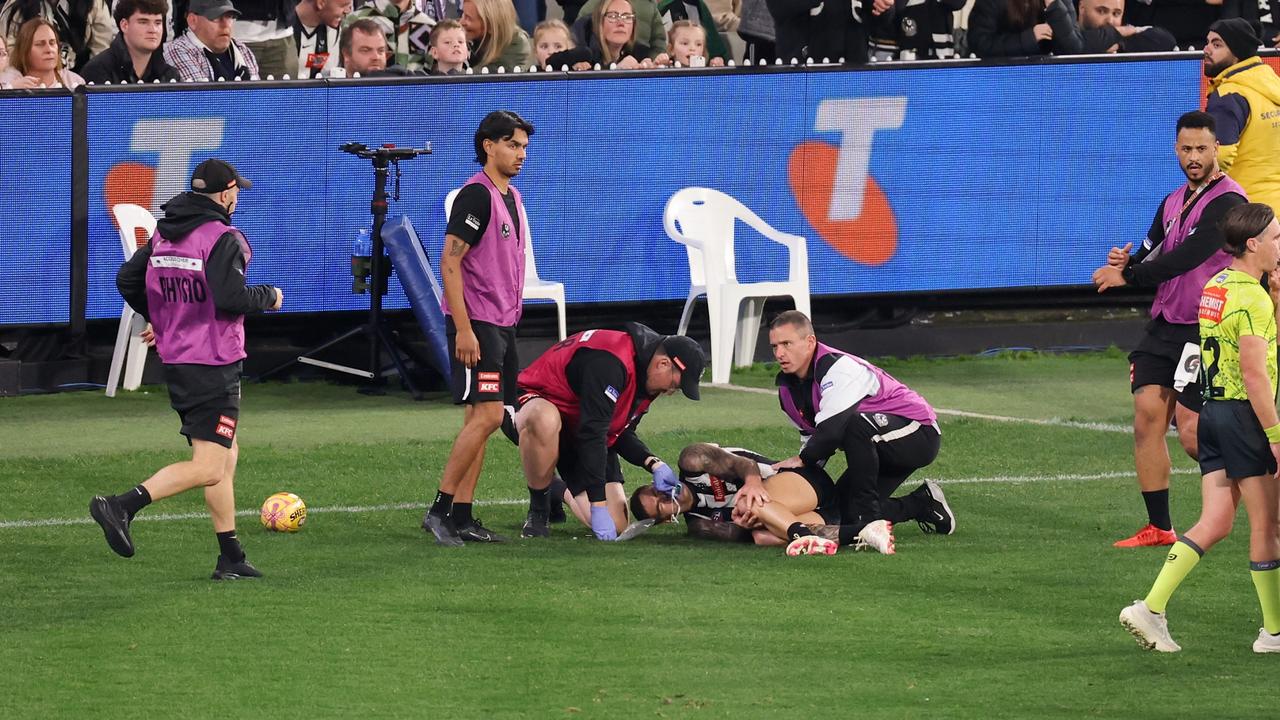
    Collingwood Football Club’s star forward Jamie Elliott will spend the vast majority of his upcoming contract term sidelined after medical scans confirmed a full anterior cruciate ligament (ACL) rupture, a devastating injury that ended his 2025 Australian Football League campaign before it can progress far.

    Elliott suffered the injury in the final minutes of Collingwood’s hard-fought victory against West Coast on Saturday, a result that was overshadowed by the setback even as the club celebrated Scott Pendlebury’s historic 433rd career match, a milestone for the veteran player. In the immediate aftermath of the game, Collingwood’s coaching and medical staff held out cautious hope that the injury would prove less severe, but Sunday’s full imaging revealed the worst-case scenario the club had feared.

    Typically, athletes recovering from a full ACL rupture require a 12-month rehabilitation and strength-building period before they can return to elite competitive play. Elliott, 33, signed a two-year contract extension with the Magpies at the end of 2024, meaning even if his recovery progresses ahead of schedule, he will only have a handful of weeks remaining on his contract when he is eligible to step back onto the AFL field.

    In a media statement following the scan results, Collingwood’s general manager Charlie Gardiner expressed the club’s solidarity with the injured star. “We are all incredibly disappointed for Jamie,” Gardiner said. “Scans confirmed that he has ruptured his ACL and also sustained significant bone bruising in the knee. Across his long career with the Magpies, Jamie has already endured a string of major injury setbacks, so this latest blow is incredibly unfortunate for him, his family, and our entire club.”

    Gardiner emphasized that Elliott remains a core part of the Collingwood program even as he recovers, noting “He is a much-loved and respected leader in our playing group, and the whole club is thinking of him right now. We will certainly miss his impact on the field this season, but there is no doubt he will continue to contribute to our club in meaningful ways throughout his recovery.”

    The injury toll for Collingwood does not end with Elliott. Key defender Darcy Moore is also sidelined with a moderate-grade hamstring strain, while rookie small forward Will Hayes suffered a dislocated shoulder in the final quarter of Saturday’s match, adding three significant injury blows to the Magpies’ post-victory narrative.

  • Wild photos reveal carnage after allegedly drunk driver crashed onto South Australian beach

    Wild photos reveal carnage after allegedly drunk driver crashed onto South Australian beach

    Shocking images have been made public showing the extensive damage left by an alleged drunk driving incident that sent a car careening through safety barriers and onto a popular South Australian beach over the weekend.

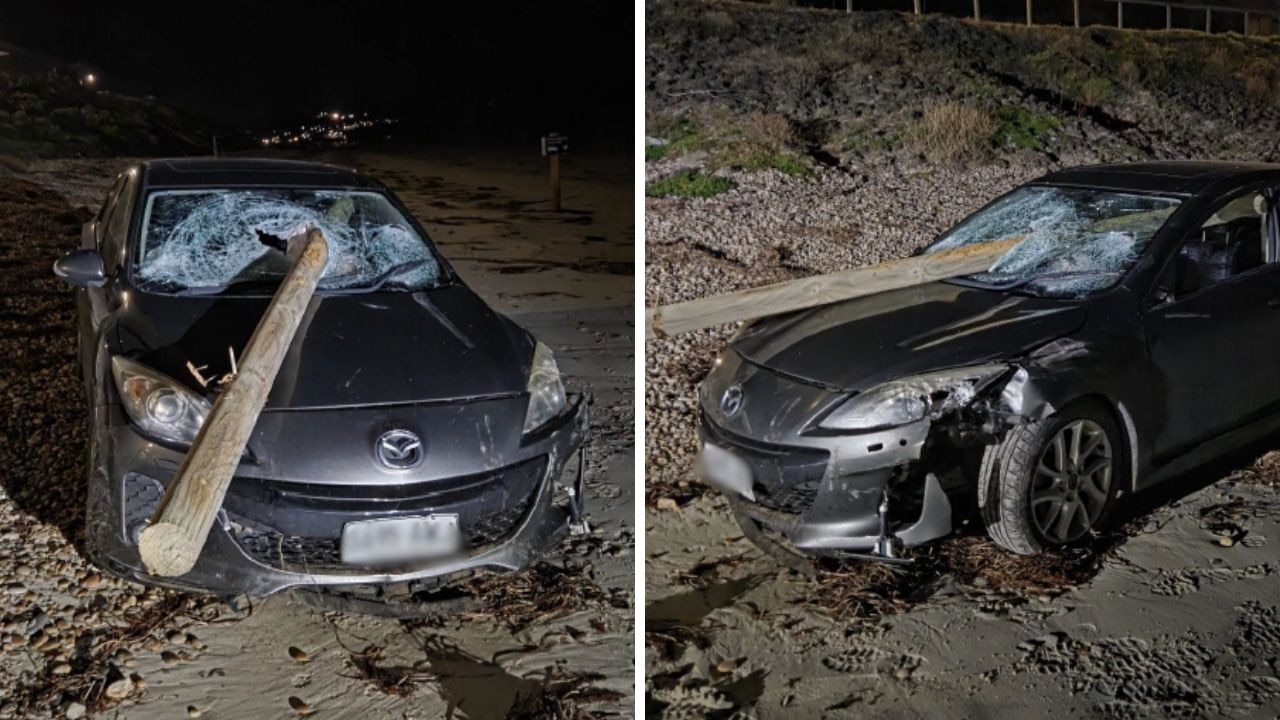
    The crash unfolded at approximately 12:30 a.m. on Sunday at Aldinga Beach, a coastal spot located roughly 45 kilometers south of the state capital Adelaide. According to South Australia Police reports, a 32-year-old female driver was operating a Mazda Sedan when she failed to negotiate the road along the Esplanade, slamming into a heavy timber guardrail. The force of the impact pushed the vehicle over the edge of the elevated road, sending it rolling down a steep embankment before coming to a stop on the sand of the beach below.

    Graphic photographs released by law enforcement capture the severe wreckage caused by the collision. One image shows a section of the wooden guardrail piercing all the way through the car’s front windscreen, leaving the glass completely shattered and scattered across the vehicle’s interior and surrounding sand. Miraculously, the driver was able to exit the vehicle on her own and walked away from the violent crash with no reported physical injuries.

    Once officers arrived at the scene to respond to the crash, they administered a standard breath alcohol test to the driver. The test returned a reading of 0.110, more than double the legal blood alcohol limit for driving in Australia. Police subsequently took the woman into custody and charged her with multiple drunk driving offenses. As an immediate penalty, her driver’s license was suspended on the spot for a period of six months.

    Following the incident, the wrecked vehicle was removed from the beach via towing to clear the public recreational area. Authorities have issued a public call for any members of the public who may have witnessed the crash or have additional information about the incident to come forward and assist with the ongoing investigation. The accused driver is scheduled to appear at a local court at a future date to answer the charges against her.

  • David Pocock refuses to rule out lower house pivot as independents eye One Nation rise

    David Pocock refuses to rule out lower house pivot as independents eye One Nation rise

    Australia’s political landscape is facing growing turbulence as Pauline Hanson’s right-wing populist One Nation party surges in recent polling, and high-profile independent Senator David Pocock is refusing to rule out a cross-party shift as like-minded centrist and progressive independents explore forming a unified political bloc to counter the far-right party’s growth.

    A former professional Super Rugby player for the ACT Brumbies, Pocock entered federal parliament as an independent senator for the Australian Capital Territory in 2022, quickly emerging as one of the upper house’s most vocal crossbench figures. In recent months, he has led high-profile advocacy for two key policy priorities: implementing a 25 percent tax on gas exports and pressuring the ruling Labor government to deliver long-delayed gambling regulation reform.

    In an interview with the Australian Broadcasting Corporation, Pocock addressed growing speculation about independents organizing into a formal registered party to challenge the dominance of Australia’s major parties and respond to One Nation’s rising poll numbers. He framed the question of independent coordination as a critical priority for Australia’s current political climate, asking: “As an independent, how do you be part of changing our country for the better?”

    “For me, at the moment, that is serving people in the ACT, engaging on each issue, bringing solutions, using whatever power I have in the Senate to actually work on behalf of the people that have sent me there,” Pocock said. “As to what that looks like in the future, who knows. I think we’re in a real time of flux politically, and there’s people actually looking for candidates who are going to come to Canberra and actually put them first, put them ahead of vested interests.”

    When asked about ongoing discussions between independents about launching a new party, Pocock confirmed that informal talks are a constant occurrence in the current political environment, noting he is always open to conversations about the future direction of Australian governance. For now, he said he remains fully committed to his current Senate role, which he says offers ample opportunity to deliver for constituents and advance policy change.

    Pressed repeatedly on whether he would consider leaving the Senate to run for a seat in the House of Representatives, Australia’s lower house of parliament, Pocock declined to close the door on a future shift. “I don’t know why you’d rule something out,” he said, adding: “But, certainly at the moment, I’m committed to doing what I’m doing, and my hope is that there’ll be really great candidates” running for office across the country as independents.

    Pocock pushed back against the modern political focus on charismatic personalities and rhetorical flair, arguing that effective governance relies on consistent, grounded work that prioritizes public good. That, he said, is exactly what community-backed independent candidates have already proven they can deliver once in office.

    Addressing One Nation’s unexpected surge, new polling released Saturday suggests the party could win as many as 59 federal parliamentary seats if an election were held tomorrow. Pocock argued that the party’s rise is a symptom of a larger failure among Australia’s established major parties, who he says have refused to tackle pressing national challenges in good faith.

    He listed a range of long-term policy failures that have eroded public trust in major parties: no coherent long-term plan for immigration and population growth, no actionable strategy to address the ongoing national housing and homelessness crisis, and a constant focus on short-term three-year election cycles rather than planning for Australia’s needs over the next 10 to 20 years.

    “No wonder we’re lurching from crisis to crisis,” Pocock said. “What I’ve seen is major parties who aren’t willing to engage in that, in that debate.”

  • Labor minister Andrew Charlton grilled over trust, start-up over CGT reform

    Labor minister Andrew Charlton grilled over trust, start-up over CGT reform

    Australia’s Albanese government’s proposed capital gains tax (CGT) reforms have landed a senior cabinet minister in the hot seat, as he faced intense public questioning over his personal financial arrangements while defending the policy. Speaking in a televised interview on Sky News on Sunday, Cabinet Secretary and Assistant Technology Minister Andrew Charlton pushed back against critics, arguing the changes to Australia’s capital gains tax framework will create a fairer system and boost long-term economic growth.

    Under the current system, Australian taxpayers are eligible for a 50 percent discount on capital gains for assets held over 12 months. Labor’s reform proposal would adjust this discount to be pegged to inflation, extending the new rule across all asset classes including residential property, publicly traded shares and startup business ventures.

    Charlton has rejected widespread claims that the new framework would push Australia’s burgeoning startup sector to relocate overseas in search of more competitive tax treatments. He argued that comparisons between Australia’s proposed new system and international capital gains tax regimes are misleading, noting that the new Australian model taxes only real gains adjusted for inflation, while many other nations tax nominal gains without adjusting for rising prices. “In many cases, our regime will be more generous to assets that have experienced high inflation over a long holding period, a benefit that does not exist in other countries’ systems,” he explained.

    The minister framed the reforms as a targeted adjustment that discourages unproductive short-term housing speculation while creating more even taxation across all asset groups. “Some people will pay less under the new system, and others will pay more,” he said. “But overall, the entire system becomes fairer because every investor is taxed evenly on the actual gains they earn, rather than artificial gains driven by inflation. We are not incentivizing the short-term speculation that the old, overly generous CGT framework encouraged.”

    Pressed on how the reforms would have impacted his own sale of a private startup he founded earlier in his career, Charlton acknowledged he has held a diverse portfolio of assets over his professional life. “I have built and sold my own business, and I have owned property like many Australians,” he said. “Some of the assets I have held would be treated more generously under the new CGT framework, and others less so. Even with that personal impact, I can say this is a fairer system overall – I would lose out on some sales, gain on others, but the system as a whole is much more equitable.”

    The interview also turned to Charlton’s personal use of a discretionary trust, an arrangement that has drawn criticism from opponents who argue it is a common tax workaround. Charlton flatly denied that his trust was established for tax minimization purposes. He explained that setting up a trust alongside a new proprietary limited company is an extremely standard step for Australian entrepreneurs following their accountant’s advice. “The primary purpose of a trust in this context is asset protection, not tax reduction,” he said. “This is exactly what many small business owners across the country do when they launch a new venture, and that was my reason for setting it up.”

    Charlton did acknowledge that trusts are sometimes used to reduce tax liabilities, saying “that is precisely why these reforms are needed” while adding that trusts hold a legitimate role in Australian business structure for asset protection purposes. He confirmed all details of his financial dealings are already disclosed on the official government register of ministerial interests.

    The Albanese government has faced growing pressure from the business community over the potential impact of CGT reforms on the startup and small business sectors, and recently committed to ongoing consultation with industry stakeholders as part of the latest federal budget. It has also faced criticism over potential impacts of the reforms on trust structures, and the government has not ruled out introducing additional tax exemptions for certain trust arrangements. Responding to questions after Charlton’s interview, opposition housing shadow spokesperson Andrew Bragg disclosed he has never held a personal trust.

  • Missile strikes pound Kyiv after Russia vows retaliation

    Missile strikes pound Kyiv after Russia vows retaliation

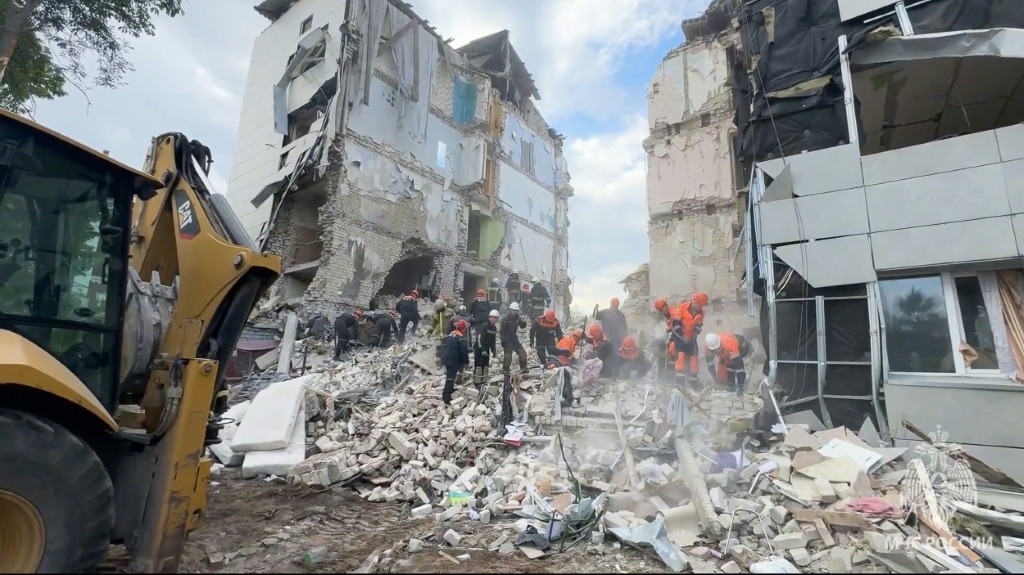
    In an early Sunday attack that followed explicit Russian threats of retaliation for a deadly Ukrainian drone strike on Russian-occupied eastern Ukraine, a large-scale ballistic missile barrage slammed into Ukraine’s capital Kyiv, leaving at least five people wounded, local officials confirmed.

    AFP correspondents on the ground reported hearing multiple loud explosions across the city, which rattled a residential structure located close to Kyiv’s government district. Dozens of panicked residents rushed to take shelter in underground metro stations in the city’s central core as the attack unfolded.

    Tymur Tkachenko, head of the Kyiv City Military Administration, announced the mass attack via his official Telegram channel, confirming that blasts had impacted at least four districts across the capital: Shevchenkivsky, Dniprovsky, and Podilsky. Initial assessments documented multiple blazes and structural damage to civilian residential buildings. As the attack continued, Tkachenko warned that additional drone strikes were still ongoing and the threat of more ballistic missile launches remained active, urging all residents to remain in secured shelters.

    Kyiv Mayor Vitali Klitschko later confirmed the casualty count, noting that five people had been hurt, with one person admitted to a local hospital for treatment. Klitschko added that response teams had been deployed to Podilsky district in northwest Kyiv, where missile debris fell on a non-residential plot of land, while a separate fire broke out adjacent to a residential building in Shevchenkivsky district.

    The Sunday strike came as no surprise to Ukrainian and international authorities, who had explicitly warned of imminent large-scale Russian retaliation in the 24 hours leading up to the attack. The escalation followed a major Ukrainian drone barrage launched overnight between Thursday and Friday against Starobilsk, a city held by Russian forces in the occupied Lugansk region. Russian officials claimed the strike hit a college dormitory, pushing the confirmed death toll to 18 with an additional 42 people wounded after rescuers pulled two more bodies from the rubble on Saturday. Leonid Pasechnik, the Moscow-appointed governor of occupied Lugansk, reported that most of the fatalities were young women born between 2003 and 2008.

    Ukrainian officials have rejected Russia’s claims of targeting civilians, asserting that the strike was focused exclusively on a Russian military drone unit based in the Starobilsk area.

    Within days of the strike, the Russian Ministry of Foreign Affairs vowed that those responsible would face “inevitable and severe punishment”, setting off warnings from Ukrainian leadership. On Saturday, Ukrainian President Volodymyr Zelenskyy posted a public alert on social media noting that intelligence showed clear preparations for a combined large-scale strike across Ukrainian territory, with a specific focus on Kyiv that could include deployment of the Oreshnik, Russia’s nuclear-capable hypersonic missile. The United States Embassy in Kyiv echoed the warning hours later, confirming it had received credible intelligence of a potentially major air attack that could strike at any point within the following 24 hours.

    The United Nations issued a statement Friday condemning all attacks on civilians and civilian infrastructure regardless of location, though the organization added it could not independently verify casualty and targeting details due to restricted access to occupied Ukrainian territories.

    This latest exchange of heavy strikes fits within a broader pattern of escalating cross-border attacks that has defined the 4-year full-scale Russian invasion of Ukraine. Kyiv has significantly expanded its domestic drone production capabilities in recent months, allowing it to step up strikes against both Russian-occupied Ukrainian territory and undisputed Russian soil, targeting military positions, energy infrastructure, and logistics hubs. For its part, Russia has launched near-daily mass missile and drone barrages across Ukraine since it launched its full-scale invasion in 2022, causing widespread damage to civilian infrastructure and thousands of civilian casualties. Like Ukraine, Russia denies intentionally targeting civilian populations.

    Starobilsk, the site of last week’s fatal drone strike, sits roughly 40 miles from the active front line in eastern Ukraine and was captured by Russian forces in the early weeks of the 2022 full-scale invasion.

    International diplomatic efforts to end the conflict, led by the United States, have stalled in recent months as U.S. political and military attention has been diverted to the ongoing conflict in the Middle East, leaving little momentum for new peace negotiations.

  • China rescuers search for missing after mine blast kills 82

    China rescuers search for missing after mine blast kills 82

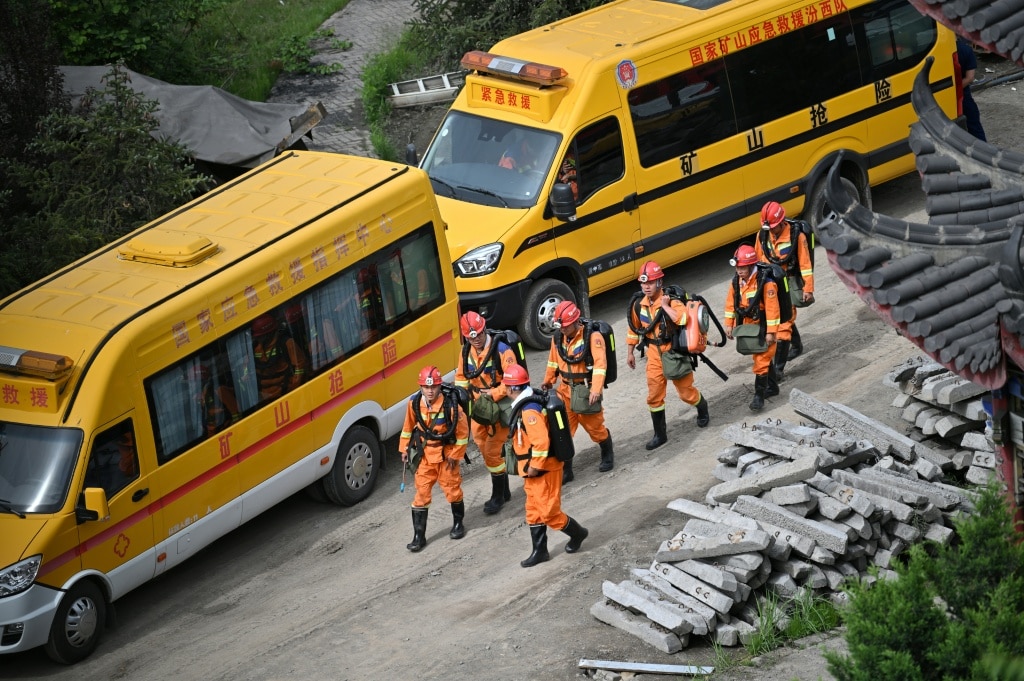
    Two days after a devastating gas explosion ripped through the Liushenyu coal mine in northern China’s Shanxi province, emergency response teams continued a desperate search operation Sunday for the last two missing workers, after the blast claimed the lives of 82 people. The explosion, which occurred Friday, ranks as China’s deadliest mining disaster in nearly 20 years, and unfolded when 247 miners were working underground at the shaft, according to official Chinese state media. Hundreds of rescuers have been deployed to the remote accident site, with medical teams evacuating 12 injured people to nearby hospitals by Saturday evening. Late Saturday, AFP correspondents observed a heavy police cordon blocking all access roads to the mine, with only credentialed emergency and official vehicles permitted entry. State media reports confirm teams of helmeted rescue workers rotated shifts descending into the damaged mine shaft overnight to continue the hunt for the two missing workers. “As long as there is hope, we will make every possible effort,” one rescue worker told China’s official Xinhua News Agency. In the wake of the disaster, Chinese national and provincial authorities have launched a full formal investigation into what caused the blast. Preliminary investigations have already uncovered “serious illegal violations” on the part of the company that operates the mine, officials told a press conference carried live on state-run China Central Television (CCTV). Authorities have pledged that anyone found responsible for the accident will face strict punishment under Chinese laws and regulations. Xinhua also confirmed that a senior leader of the operating company has already been taken into police custody. China’s national cabinet, the State Council, has responded to the disaster by ordering immediate sweeping nationwide safety crackdowns on violations common in the country’s mining sector, including falsification of workplace safety data, unreported underground worker headcounts, and unregulated illegal contracting of mining work. One survivor of the blast, Wang Yong, recounted his harrowing escape to CCTV, saying he detected no loud explosion but noticed a strong sulphur odor right before toxic smoke filled the mine tunnel. “I didn’t hear any sound at all, but then a cloud of smoke appeared. When I smelled it, it was the smell of sulphur like when people set off firecrackers. When the smoke came down, I shouted for people to run,” he told reporters. Wang recalled seeing multiple fellow miners overcome by toxic smoke before he lost consciousness. “After more than an hour, I came to on my own, and then I woke up the person next to me” before the pair escaped the mine, he said. Shanxi, one of China’s less economically developed provinces, is the core of the country’s national coal mining industry, producing much of the fossil fuel that powers China’s industrial grid. While national mine workplace safety has improved markedly over the past three decades, deadly accidents still occur with some regularity, as many smaller operations cut corners on safety protocols and regulatory enforcement remains inconsistent in many regions. Just last year, an open-pit coal mine collapse in the northern region of Inner Mongolia killed 53 workers. Beyond the human cost of the disaster, the accident draws renewed attention to China’s ongoing reliance on coal: the country is the world’s largest consumer of coal, and the world’s top greenhouse gas emitter, even as it expands renewable energy capacity at a global record pace.

  • Security forces swarm White House after shots fired

    Security forces swarm White House after shots fired

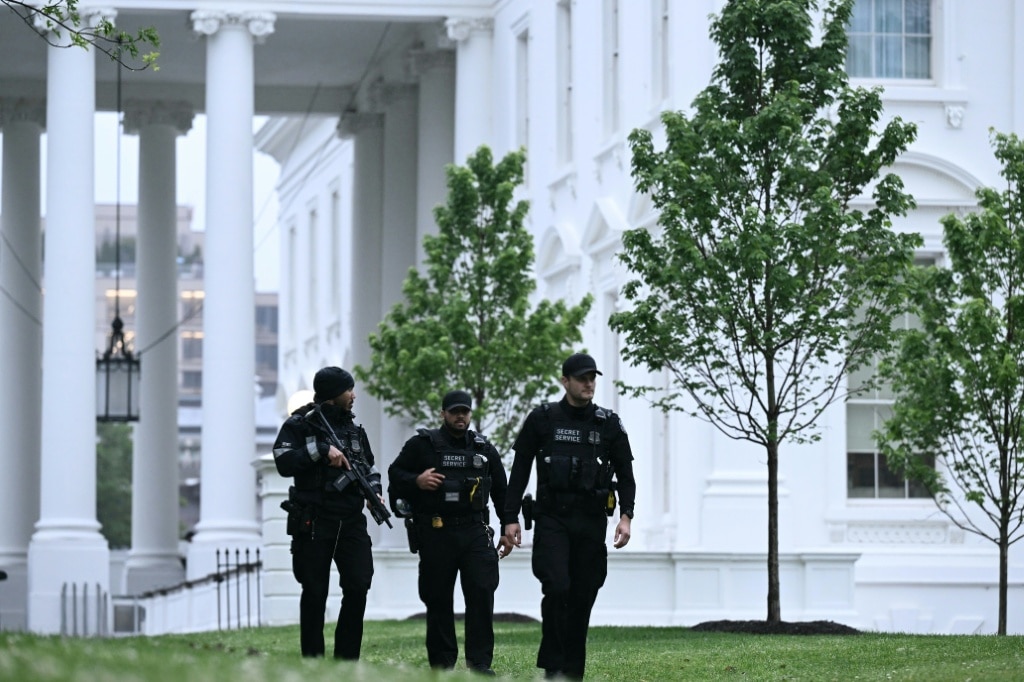
    On a Saturday evening when U.S. President Donald Trump was inside the White House negotiating a diplomatic agreement with Iran, a shooting incident near the executive residence triggered a massive emergency response from law enforcement and security agencies, sending the complex into immediate lockdown.

    Within minutes of reports of gunfire, heavily armed police and security forces converged on the site, establishing cordons to block public and media access to the downtown Washington area. National Guard troops deployed to the perimeter prevented an Agence France-Presse (AFP) reporter from entering the secured zone, as multiple federal agencies coordinated their response to the threat.

    FBI Director Kash Patel confirmed via social media platform X that the bureau was on site assisting the U.S. Secret Service, which leads security operations for the White House. Fox News anchor Bret Baier, citing an anonymous senior administration official, shared key details of the incident: an unidentified gunman approached the White House’s west perimeter and fired three shots. Secret Service agents returned fire, striking the attacker, while an unrelated bystander was hit by gunfire during the exchange. Crucially, the official confirmed the gunman never managed to breach the White House’s layered security perimeter.

    Witnesses on the ground described scenes of chaos and panic as the shooting unfolded. Canadian tourist Reid Adrian, who was visiting the area, told AFP that the group heard what they initially mistook for 20 to 25 fireworks, only to realize the sounds were gunshots, prompting a mass rush of evacuating civilians. Reporters working on the White House North Lawn at the time received urgent orders to run for shelter, and all gathered in the locked-down press briefing room.

    ABC News correspondent Selina Wang was recording a social media update when the gunfire began. Her on-location recording captured the sound of shots as she dove for cover, and she later posted on X that the gunfire sounded like dozens of separate shots. As of initial reporting, a U.S. Secret Service spokesperson told AFP via text that the agency was still actively collecting details and confirming facts about the incident, with no immediate update on the conditions of the gunman and the injured bystander.

    This latest shooting near President Trump marks the fourth alleged assassination attempt against the 79-year-old commander-in-chief in less than a year. The string of threats began in April 2024, when an armed individual tried to force his way through a security checkpoint at a Washington hotel where Trump was speaking at a media gala. That attacker never reached the former candidate or other event attendees.

    In July 2024, a far more severe attack unfolded during a Trump campaign rally in Butler, Pennsylvania. A shooter opened fire on the crowd, killing one attendee and striking Trump in the ear with a bullet, leaving him with a minor wound. Just a few months after that rally attack, law enforcement arrested another armed man on a golf course in West Palm Beach, Florida, where Trump was playing a round of golf.

    Following Saturday’s incident, House Republicans released a statement on X confirming that President Trump was unharmed. “Thank God President Trump is safe,” the statement read. “Endless gratitude to the Secret Service for their immediate, heroic response. Political violence has to stop.”