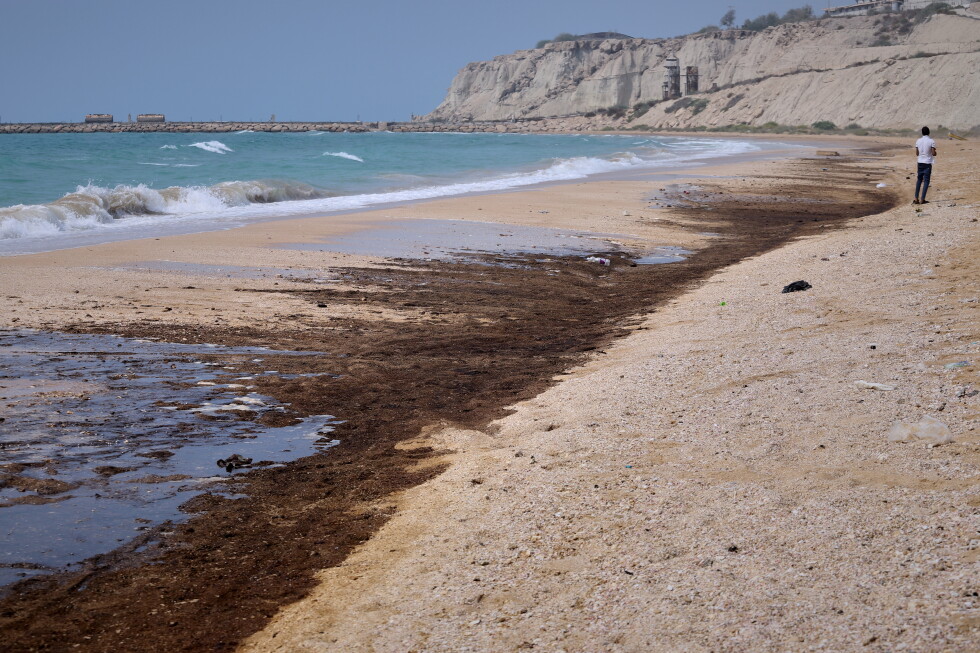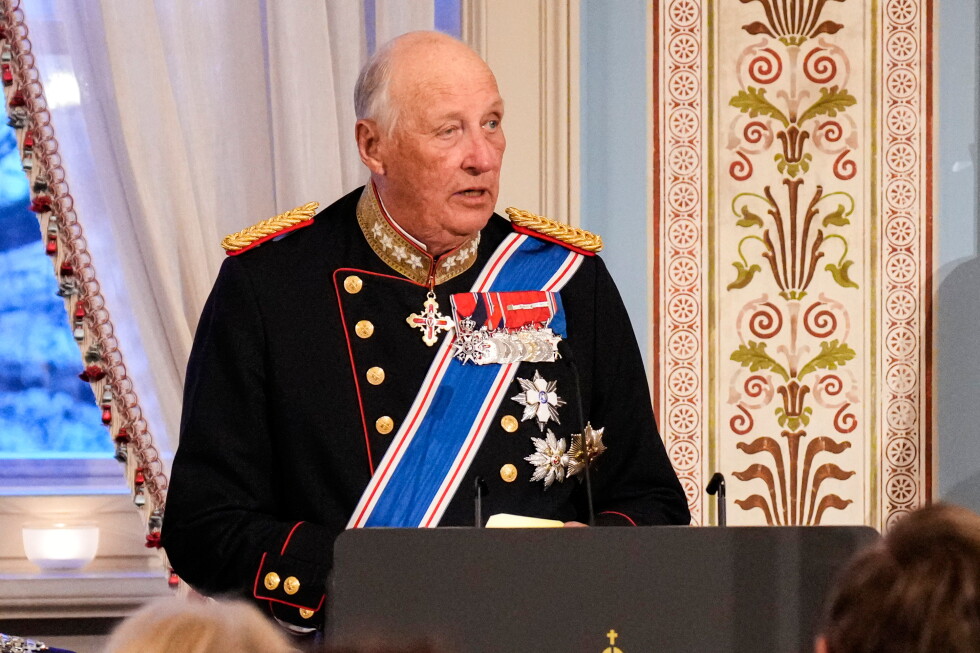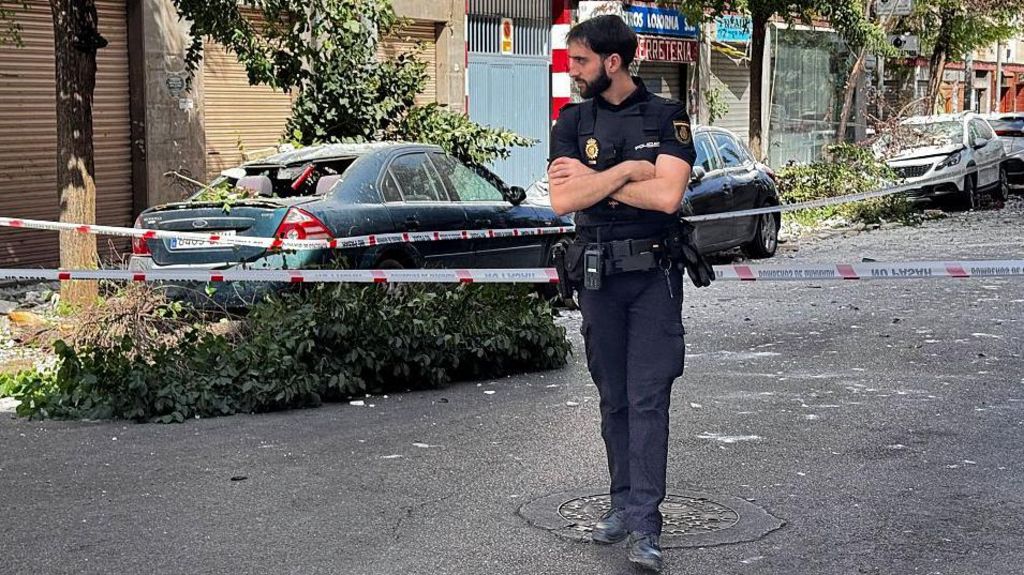
A tense political impasse is unfolding in Turkey’s capital Ankara this Sunday, as the bulk of the Republican People’s Party (CHP), the country’s largest opposition bloc, remains locked in a standoff blocking the new court-ordered interim leadership from entering the party’s central headquarters. The standoff stems from a controversial appeals court ruling issued last Thursday, which annulled the party’s November 2023 internal congress that saw Ozgur Ozel win election to succeed long-time CHP leader Kemal Kilicdaroglu.
标签: Europe
欧洲
-

One dead, multiple injured after Russia launches wave of strikes on Ukraine
A devastating large-scale assault combining missile and drone attacks launched by Russia against Ukraine’s capital city Kyiv has left one civilian dead and 21 other people wounded, according to local officials. Blasts echoed across every district of the city early Sunday, leaving widespread destruction that damaged civilian infrastructure including private residential buildings and a local school.
Kyiv Mayor Vitali Klitschko announced via the messaging platform Telegram that a 15-year-old boy was counted among the injured, with 13 patients transferred to local medical facilities. Three of those hospitalized remain in critical condition as of Sunday morning. The overnight assault, which targeted more than 40 separate locations across Kyiv, sent debris crashing into populated areas that ignited destructive blazes at apartment blocks, storage warehouses, a neighborhood supermarket and a large shopping center, Klitschko added.
The attack comes directly after Russian President Vladimir Putin publicly promised retaliation for what he called a deadly Ukrainian strike on a student dormitory in the occupied eastern Ukrainian town of Starobilsk last Friday, an incident that Russia claims killed 18 people. Ukraine’s General Staff has confirmed it conducted a military strike in the Starobilsk area overnight Friday, but explicitly states the target was a deployed Russian military unit, not civilian student housing.
Tymur Tkachenko, head of Kyiv’s military administration, confirmed in an early post-strike Telegram update that the capital had sustained a massive ballistic missile attack, warning that additional Russian launches could still be imminent. The single confirmed fatality occurred when a nine-story residential building in Kyiv’s central Shevchenko district was directly hit, sparking an uncontrolled blaze that broke out across the building’s top floors. In the same district, a strike near a school’s air raid shelter blocked the entrance with fallen rubble, trapping multiple people inside the facility.
Emergency response teams have been deployed across the capital to respond to dozens of damaged sites, working to extinguish ongoing fires, clear blocked routes and debris, and provide emergency medical care to those wounded. “Cleanup operations to remediate the aftermath of the shelling are still underway,” Tkachenko said, noting that official details on temporary aid distribution centers would be released shortly. The attack did not come as a complete surprise: one day prior, on Saturday, Ukrainian President Volodymyr Zelenskyy warned that intelligence shared from Ukrainian, European and U.S. sources indicated Russia was preparing to launch a major combined strike across Ukrainian territory, with Kyiv as a primary target.
In his warning, Zelenskyy specifically highlighted that Russia could potentially deploy the new Oreshnik missile in the assault, a weapon that is reported to travel at over 10 times the speed of sound and is currently believed to be impossible for existing Ukrainian air defense systems to intercept.
-

Russia pounds Kyiv with missiles and drones, shaking city center and injuring 10
Overnight Sunday, the Ukrainian capital Kyiv came under a sustained, large-scale Russian attack combining cruise missiles and attack drones, triggering widespread panic and damaging multiple civilian and state sites across the city center, local Ukrainian officials confirmed on the record. Based on preliminary casualty counts released by municipal authorities, at least 10 people were wounded in the strikes, which sent plumes of smoke rising over multiple districts and kept the entire city on high alert through the pre-dawn hours.
Reporters with the Associated Press, who were on the ground in Kyiv, documented multiple powerful detonations concentrated near central Kyiv, in close proximity to key government administrative buildings. As of sunrise on Sunday, the assault was still ongoing, with Ukrainian air defense officials warning that additional incoming projectiles were expected to reach the capital imminently.
Tymur Tkachenko, head of Kyiv’s military administration, announced via a Telegram public post that visible damage to infrastructure had been confirmed across at least nine of the capital’s districts, with multiple residential apartment buildings among the impacted sites. Kyiv Mayor Vitalii Klitschko added that a school building in the city’s central Shevchenko district suffered structural damage during the attack, at a time when local civilians were sheltering inside the facility to avoid incoming strikes. Beyond public and residential sites, local officials also confirmed that multiple supermarkets and logistics warehouses scattered across Kyiv suffered damage from shrapnel, blast waves, and direct hits.
Mykola Kalashnyk, governor of Kyiv Oblast, added that residential and civilian communities across the wider regional area outside the capital city limits also recorded damage from the overnight assault.
The attack comes just after Ukrainian leadership issued explicit warnings about a potential new Russian strike using the advanced hypersonic Oreshnik ballistic missile. Ukrainian President Volodymyr Zelenskyy noted that he based the warning on intelligence shared by the United States and other Western allied partners, and Ukraine’s Air Force followed the president’s statement with an official advisory of a possible Oreshnik launch. As of Sunday morning, it remains unconfirmed whether the Oreshnik system was actually deployed in the overnight attack on Kyiv.
Russia first deployed the multiple-warhead Oreshnik missile against Ukrainian infrastructure in the city of Dnipro in November 2024, with a second strike using the weapon carried out in Ukraine’s western Lviv region this past January. Russian President Vladimir Putin has publicly emphasized the capabilities of the new system, whose name translates to “hazelnut tree” in Russian. He claims the missile travels at Mach 10—10 times the speed of sound— and can penetrate reinforced underground bunkers three, four, or more levels below the surface. Putin has described the weapon as moving like a meteorite, noting that it is impervious to all existing Western and Ukrainian missile defense systems. He added that even a small number of Oreshnik missiles armed with conventional warheads can generate destructive power on par with a nuclear strike, according to his public comments on the weapons system.
-

Rosenberg: Luhansk strike sparks Russian accusations and vow to retaliate
A devastating incident that reduced a five-story college building in Starobilsk to mounds of rubble has plunged the ongoing Russia-Ukraine conflict into a new phase of escalating tensions, triggering mutual accusations between Moscow and Kyiv, an urgent emergency gathering of the UN Security Council, and open threats of harsh retaliation from the Kremlin.
Starobilsk sits within the Luhansk region of eastern Ukraine, an area that has been under Russian military occupation since Moscow launched its full-scale incursion in 2022, and that Russia controversially claims to have formally annexed. Early Friday, the structure that collapsed housed the Starobilsk Professional College, a branch of Luhansk Pedagogical University, leaving a scene of widespread destruction visible in footage broadcast on Russian state television. Rescue crews could be seen working methodically through piles of concrete and twisted metal to pull survivors and victims from the wreckage.
Russian authorities have publicly blamed Ukraine for the carnage, framing the event as a deliberate drone strike targeting the college’s student dormitory. As of the latest official updates from Moscow, the death toll has climbed to 21, with 42 additional people sustaining injuries of varying severity. Russian state media has shared firsthand accounts from survivors, including 21-year-old Olga Kovaleva, who was trapped under fallen debris for hours before being pulled out alive and transported to a local hospital for treatment. The outlet also published a full list of the deceased students, alongside their dates of birth, to confirm the identities of those killed.
Russian President Vladimir Putin has labeled the incident a “terrorist strike”, rejecting any suggestion that the building was hit accidentally by Russian air defense or electronic warfare systems. “There had been no military facilities, intelligence service facilities or related services in the vicinity,” Putin stated, arguing this eliminates any plausible defense of unintended collateral damage from Russian operations. He has since formally ordered Russia’s Ministry of Defence to draft a comprehensive set of retaliatory measures in response to what Moscow calls an unacceptable attack on civilian targets.
Kyiv has pushed back entirely against Russia’s narrative. In an official statement released by the General Staff of Ukraine’s Armed Forces, the military confirmed it did conduct a targeted strike near Starobilsk overnight between May 21 and 22, but clarified that the attack hit a Russian military unit stationed in the area, not a civilian college dormitory. To date, Ukraine has not acknowledged any civilian casualties from the strike.
Within hours of the incident, Russia submitted an official request to the United Nations for an emergency meeting of the Security Council to address the attack. At the session, Russian Ambassador to the UN Vasily Nebenyza presented graphic photos of the destroyed college to council members, arguing that the strike “constitutes a war crime” under the standards of international humanitarian law.
Not all council members backed Russia’s framing of the event, however. Denmark’s representative to the UN pushed back against Russia’s call for condemnation, pointing to the widespread destruction and civilian casualties that Russia’s own military campaign has inflicted across Ukraine since 2022. “If we were to apply the same logic behind Russia’s call for today’s meeting, we would need twice-daily emergency Security Council meetings — including on the weekends — to only scratch the surface of the terror, death and destruction inflicted across Ukraine by Russia,” the Danish representative noted.
The incident has also emboldened hawkish, pro-Kremlin voices to push for aggressive retaliation that extends beyond Ukrainian territory. Sergey Karaganov, honorary chairman of the presidium of the Council on Foreign and Defence Policy, told Russian state outlet Vesti that Moscow should not limit its response to targets inside Ukraine. “We need to start punishing Europe for things like this, including with strikes,” Karaganov said. “Symbolic [strikes] to start with. Then, perhaps, less symbolic ones.”
By late Saturday, Russian emergency officials confirmed that search and rescue operations at the site had been fully completed, bringing an official end to efforts to recover additional victims or survivors from the rubble.
-

Britain’s navy prepares to clear mines in the Strait of Hormuz while waiting for a peace deal
Positioned off the sunbaked coast of the British Overseas Territory of Gibraltar, hundreds of Royal Navy personnel aboard the Royal Fleet Auxiliary landing ship Lyme Bay are in a holding pattern, their impending mine-clearing deployment to the crisis-stricken Strait of Hormuz hanging in the balance amid ongoing diplomatic negotiations over a ceasefire with Iran.
The tense standoff traces back to February 28, when the United States and Israel launched military action against Iran. In retaliation, Tehran effectively choked off access to the strait — a strategic global chokepoint through which roughly 20 percent of the world’s daily oil supplies, critical natural gas shipments and fertilizer cargoes pass. The closure has paralyzed international commercial shipping, driven global energy prices sharply higher, and inflicted widespread economic disruption across the world.
U.S. President Donald Trump has repeatedly pressured U.S. allies, particularly the United Kingdom, to take a more active lead in securing the waterway. Back in March, Trump publicly told NATO allies that they should “go get your own oil” and take responsibility for securing the strait themselves. He has also lashed out at London, dismissing Britain’s Royal Navy as “toys” and dismissing Prime Minister Keir Starmer as an unworthy successor to wartime leader Winston Churchill. During remarks over the weekend, Trump confirmed that a peace deal to end the conflict has been “largely negotiated” following diplomatic calls with Israel and regional partners, though final details remain to be ironed out. “Final aspects and details of the Deal are currently being discussed, and will be announced shortly,” Trump announced on social media Saturday, offering no specific timeline for the agreement. This is not the first time in recent weeks that a deal has been framed as imminent, leaving military planners and diplomatic observers in a state of waiting.
To demonstrate Britain’s readiness to lead an international mine-clearing coalition alongside France, UK Armed Forces Minister Al Carns recently invited a small group of journalists to tour the Lyme Bay as the vessel receives final pre-deployment preparations. Docked at the gateway between the Atlantic Ocean and Mediterranean Sea at the southern tip of the Iberian Peninsula, the amphibious ship is currently being stocked with ammunition and cutting-edge mine-hunting autonomous sea drones fitted with high-resolution sonar systems. Once diplomatic clearance is given, the Lyme Bay will sail from Gibraltar to link up with the Royal Navy destroyer HMS Dragon and allied aircraft providing overwatch, before transiting the Suez Canal en route to the Persian Gulf.
Responding to questions about whether the deployment amounts to a performative gesture to appease Washington, Carns pushed back on that suggestion. “Which other country can pull together 40 nations and come up with a solution to deal with a complex problem that we couldn’t predict because we weren’t involved?” he asked, referencing the UK’s ability to rally a broad multilateral coalition for the mission. He noted that more than 6,000 commercial vessels have been blocked from transiting the strait since the conflict began, and while some mines may have already drifted away or been destroyed, commercial shipping insurers require absolute confirmation that the waterway is safe before they will agree to underwrite voyages through the strait. “That’s what this capability will provide,” he said.
Commander Gemma Britton, who leads the Royal Navy’s Mine and Threat Exploitation Group, outlined the serious range of hazards the mission could face. She warned that Iran could have deployed a “huge” variety of mine types across the strait, from rocket-propelled drifting mines to fixed culled mines and seabed-laid devices triggered by sound, water movement or light.
Unlike traditional mine-clearing operations that rely on crewed vessels to map hazard zones, the Lyme Bay carries a suite of autonomous systems that can survey the seabed and water column in half the time of traditional missions. The sonar-equipped sea drones generate detailed imagery of underwater objects, ranging from discarded fishing traps to buried energy pipelines, that teams use to pinpoint potential mines. Once a device is identified, advanced acoustic sensors and remote cameras are deployed to confirm its identity. Many of these systems can be loaded onto smaller auxiliary vessels, launched from the Lyme Bay (which acts as a remote mother ship stationed outside the perimeter of suspected minefields) and operated autonomously, drastically reducing the risk to personnel.
Traditionally, after a mine is located, a diver must swim into the hazard zone to place an explosive charge before retreating to detonate it. However, the Lyme Bay is testing a new remotely operated vehicle (ROV) that can dive to the seabed, place the charge next to the mine, and trigger the detonation without putting any service member in harm’s way.
Britton explained that the mission’s first priority will be to clear a single outbound transit lane through the strait to allow the roughly 700 commercial vessels that have been stranded since the closure to depart. Once that lane is operational, teams will shift to clearing a second inbound lane for incoming cargo ships. She cautioned, however, that clearing the entire 21-mile-wide strait of all potential hazards could take months or even years of sustained work.
Even with all preparations complete, major uncertainty remains: there has been no definitive confirmation of how many mines (if any) are actually deployed in the strait, and no final green light has been given for the coalition deployment. The entire international mine-clearing operation is contingent on a finalized peace deal and a full cessation of hostilities.
“We don’t know when the Americans, Iranians and Israelis are going to come up with a suitable solution,” Carns acknowledged. For now, the crew of the RFA Lyme Bay remains on standby off Gibraltar, fully prepared to mobilize the moment the diplomatic process reaches a successful conclusion. “In the meantime, we will be waiting and will be really, really ready,” he said.
-

Intrigue over Barcelona great Putellas’ next move amid interest from Kang’s club in London
OSLO, Norway – In a moment heavy with unspoken questions about her future, Barcelona’s iconic captain Alexia Putellas walked to collect the Women’s Champions League trophy on Saturday, and a brief, loaded interaction with the owner of title runners-up OL Reign and London City Lionesses Michele Kang has amplified widespread transfer rumors linking the two-time Ballon d’Or winner to a surprise new club.
As Putellas made her way along the official receiving line toward the silver trophy, she passed Kang, the high-profile American investor who has rapidly emerged as one of the most significant backers of women’s professional soccer across the globe. Multiple reports from football outlets in England and Spain have claimed Kang is on the cusp of adding Putellas to her portfolio of European clubs, with the fast-rising London City Lionesses, the second-tier English side Kang owns, heavily tipped to pull off a transformative blockbuster signing that would shake up women’s football.
Widely regarded as the greatest women’s player of her generation, Putellas is set to become a free agent when her current 14-year tenure at Barcelona expires next month. Over her career with the Catalan giants, she has lifted four Champions League titles, 10 Spanish league crowns, and claimed two back-to-back Ballons d’Or in recognition of her status as the world’s best player.
Speculation that her time at the club is drawing to a close has been building for months, fueled by a January visit Putellas made to watch a London City Lionesses match in person, and amplified by her emotional exit from the pitch after Saturday’s final. When a Catalunya Radio reporter asked when the world would learn her plans for next season, Putellas offered only a teasing, noncommittal response: “You will all see.”
The 32-year-old Spanish star remained tight-lipped about her future when speaking to reporters on the confetti-strewn pitch after the win, even as she acknowledged her emotional state. Speaking to Disney+ broadcaster with visible tears in her eyes, Putellas said, “I don’t look it, or people don’t believe it, but I am a sensitive person.” She declined to address any off-field contract talks, emphasizing that the moment was reserved for celebrating her team’s hard-won triumph.
“Today we have to be present, to savor this moment, because it is so difficult to get here,” she said. “It is a day to be proud of this team and all we have done over the years.” As her teammates celebrated around her, with the trophy at their feet and glittering confetti covering the turf, Putellas joined in a rousing performance of the Barcelona club anthem, calling out the iconic “Barca! Barca! Barca!” crescendo alongside the rest of the squad.
Barcelona club official Rafa Yuste also declined to comment on Putellas’ future when pressed by reporters immediately after the final. Though Barcelona have two remaining Spanish league matches to play next week, the title is already secured, marking Putellas’ 10th domestic league trophy with the club.
Before the trophy presentation, Kang, who had just watched her OL Reign side fall 2-0 to Barcelona in the final, was spotted warmly consoling retiring American midfielder Lindsey Heaps, who confirmed she will return to the United States to join the upcoming NWSL expansion side Denver Summit. Kang applauded graciously as the Barcelona team stepped forward to collect their medals and trophy, before leaving the celebratory pitch to Putellas and her champion teammates after the ceremony, with an aide handing her dark sunglasses before she exited the stadium.
AP writer Joseph Wilson contributed reporting from Barcelona.
-

Dimarco caps Serie A MVP honor with a stunning free kick in Inter Milan’s finale
The final curtain fell on the 2023-24 Serie A regular season for Inter Milan on Saturday, as a rotated Nerazzurri side played out a thrilling six-goal 3-3 draw against Bologna at Bologna’s Stadio Renato Dall’Ara. The match carried no competitive stakes for either side: Inter had already locked up both the Scudetto and Italian Cup weeks earlier, while Bologna had no remaining path to qualify for continental European competition in the 2024-25 season.
With multiple Inter stars set to join their national squads for the upcoming World Cup, interim head coach Cristian Chivu opted to rest key first-team players including Hakan Calhanoglu, Manuel Akanji, Marcus Thuram and Denzel Dumfries, granting the group an additional week of vacation ahead of their international duty. Captain Lautaro Martínez was named in the starting lineup, however, as the Argentine striker looked to build match fitness following a recent spell on the injury list.
The pre-match spotlight fell on Federico Dimarco, who was officially presented with the Serie A Most Valuable Player award ahead of kickoff. The Inter left midfielder marked the honor in spectacular fashion, opening the scoring just minutes into the contest with a blistering 25-yard free-kick that curled into the top right corner of Bologna’s net.
Bologna responded quickly, drawing level just three minutes later via Federico Bernardeschi. The hosts then turned the scoreline in their favor shortly before halftime, when Tommaso Pobega’s volley took two fortunate deflections past Inter’s goalkeeper. Early in the second half, Bologna extended their lead when Inter midfielder Piotr Zieliński accidentally turned a cross into his own net, putting Chivu’s side on track for a defeat in their final outing.
The young, rotated Inter side did not let the deficit stand, however. In the 64th minute, Pio Esposito cut the gap, tapping home a rebound after Andy Diouf’s initial shot crashed off the goalpost. Diouf completed the comeback 12 minutes before full time, slotting home to level the match at 3-3, where the score stayed until the final whistle.
Saturday’s fixture was the only Serie A final-round match played this weekend before the full conclusion of the campaign. Lazio was scheduled to face already-relegated Pisa later Saturday, and the remaining 18 clubs will wrap up their seasons on Sunday evening. The final matchday still holds high stakes for multiple sides: four top clubs are locked in a tight battle for the two remaining UEFA Champions League qualification spots, while two teams are fighting to avoid the second relegation spot left to fill this term.
-

Bordeaux rout Leinster in Champions Cup final and seal a French treble of European titles
On a rainless Saturday at Bilbao’s iconic San Mamés Stadium in northern Spain, French rugby union side Bordeaux Bègles delivered a devastating first-half performance to crush Irish powerhouse Leinster 41-19, claiming the 2024 European Rugby Champions Cup title and cementing France’s total dominance of men’s top-tier European rugby this season. The victory marks the second consecutive Champions Cup crown for a French club, and completes a historic hat-trick of major European titles for French sides in 2024, following France’s Six Nations championship win over Ireland in March and Montpellier’s lopsided 59-26 victory over Ulster in the second-tier Challenge Cup final the previous night. This historic win also extends France’s unprecedented streak to six consecutive European Cup titles, a run of continental dominance that has few parallels in modern rugby. From the opening kickoff, the match took an unexpected turn when Leinster starting wing Tommy O’Brien, who earned a starting nod over Irish international star James Lowe, crossed the try line for an early score to put the Irish side up 7-0. What followed over the next 28 minutes was a masterclass in offensive rugby from Bordeaux, as the French side ran in five converted tries to put the match almost out of reach before the halftime whistle. Scrumhalf and team captain Maxime Lucu got Bordeaux on the board with a sharp sniping try from close range, before breakout star wing Louis Bielle-Biarrey notched two tries, pushing his tournament total to 10 for the campaign. Bielle-Biarrey’s standout form throughout the competition earned him player of the tournament honors, adding to his player of the Six Nations award earned earlier this year, capping a breakout season for the young French talent. Just before the first half wrapped up, Bordeaux put the final nail in the first-half coffin when center Yoram Moefana intercepted a pass from Leinster fly-half Harry Byrne and sprinted the length of the pitch to score, pushing the French lead to a commanding 35-7 at the break. Lucu turned in a player-of-the-final winning performance, orchestrating Bordeaux’s lethal attack and nailing all seven of his kicking attempts, including a long-range penalty from his own half. Even a first-half yellow card for a hair-pulling incident on Leinster lock Joe McCarthy did little to slow Bordeaux; Leinster managed only one try during Lucu’s time in the sin bin, with McCarthy diving over for a score that remained the only Irish points of the opening 40 minutes. Speaking after the match, Bordeaux assistant coach Noel McNamara highlighted the team’s hunger to back up last year’s Champions Cup win, drawing inspiration from golf legend Rory McIlroy to motivate the squad ahead of the knockout rounds. “We spoke about Rory McIlroy in the lead-up to the quarterfinal against Toulouse. Good players win one green jacket, great players win two. We have fantastic players. They made the decision that one Champions Cup is not enough,” McNamara told the BBC. Leinster captain Caelan Doris credited Bordeaux’s dominant first-half display as the difference in the match. “You have to credit Bordeaux. Some of their attack in the first half was incredibly hard to deal with,” Doris told Premier Sports after the full-time whistle. The result extends a painful run of final heartbreak for Leinster, which has now lost five Champions Cup finals since claiming its fourth and most recent European title in 2018, falling once again to the dominant French side that have ruled European club rugby for the past half-decade.
-

France bans Israeli minister Itamar Ben-Gvir after ‘unspeakable’ flotilla detainee taunts
In a significant diplomatic rebuke, France announced Saturday that it has issued an entry ban against Itamar Ben-Gvir, Israel’s far-right national security minister, over what French officials call “unspeakable” aggressive behavior toward detained activists from a Gaza-bound aid flotilla.
French Foreign Minister Jean-Noël Barrot confirmed the ban in a public post on the social platform X, stating that the entry prohibition is effective immediately. The measure follows Ben-Gvir’s widely condemned actions against French and European citizens who were among the passengers of the Global Sumud Flotilla, an initiative aimed at challenging Israel’s long-standing naval blockade of the Gaza Strip.
“We cannot tolerate that French nationals can be threatened, intimidated or brutalized in this way — all the more so by a public official,” Barrot wrote, adding that he has called on the European Union to implement collective sanctions against Ben-Gvir. Notably, the French foreign minister also made clear that Paris does not support the flotilla’s direct blockade-breaking approach, noting that the action “produces no useful effect and places an additional burden on diplomatic and consular services.”
The controversy ignited earlier this week when Ben-Gvir publicly shared a series of videos showing his interactions with detained flotilla participants, triggering widespread global outrage. The footage captures Ben-Gvir taunting bound detainees: in one clip, he waves a large Israeli flag over hunched, restrained captives; in another, he shouts the Hebrew phrase “Am Yisrael Chai” (The nation of Israel lives) at a kneeling activist with zip-tied wrists; a third clip shows dozens of detainees forced to lie face-down on the ground in an open-air pen, surrounded by armed guards as the Israeli national anthem plays.
The 50-vessel flotilla was intercepted by Israeli forces in international waters approximately 400 kilometers off Israel’s coast earlier this month, with around 430 activists taken into custody. Detained participants have accused Israeli security personnel of systematic mistreatment, including beatings, the use of tasers, and deployment of attack dogs against the group.
France is not the first democratic country to move against Ben-Gvir over the incident. On Thursday, Poland announced a five-year entry ban against the minister, with Polish Foreign Minister Radek Sikorski noting in a social post that “In the democratic world we do not abuse and gloat over people in custody.” Even within Israel’s own governing coalition, Prime Minister Benjamin Netanyahu joined other foreign leaders in condemning Ben-Gvir’s on-camera conduct toward the detainees.
The Associated Press has reached out to Ben-Gvir’s spokesperson and Netanyahu’s office for comment on the new French ban, and no response has been released publicly as of Saturday. The entry ban comes amid ongoing international scrutiny of Israeli policy toward Gaza and actions by far-right members of the Israeli cabinet, as global actors continue to track stalled negotiations over a ceasefire to end the months-long devastating conflict in the enclave.
-

French pair held until trial after boys abandoned by road in Portugal
A Portuguese court has ruled that a French woman and her partner will continue to be held in pre-trial custody following allegations that they abandoned the woman’s two young sons along a rural roadside in the country’s south. The disturbing case unfolded earlier this month, drawing cross-border attention from both French and Portuguese authorities and media outlets.
The two boys, aged four and five, were discovered on the evening of Tuesday last week, huddled and crying beside a highway near the town of Alcacer do Sal, located roughly 100 kilometers south of Portugal’s capital Lisbon. According to accounts shared with local media by the mother of the motorist who found the children, one of the boys told rescuers their mother had blindfolded them, luring them to search for a hidden toy. When the children removed their blindfolds, she had already disappeared.
Two days after the boys were found, law enforcement apprehended the pair — identified by official sources as 41-year-old Marine R, the children’s mother, and her 55-year-old partner Marc B — in the central Portuguese pilgrimage town of Fatima. Under Portuguese legal regulations, all criminal suspects must be brought before a judge within 48 hours of arrest to determine whether they will remain in custody or be released pending trial.
When the pair arrived at the Setubal District Courthouse on Saturday morning, observers documented unusual public behavior: Marc B shouted “I love you” to onlookers in French, while Marine R sang aloud to herself. After closed-door proceedings, the judge issued an order remanding both suspects to pre-trial detention, as confirmed by reports from both French and Portuguese media. The couple face a trio of criminal charges: aggravated assault, child endangerment, and willful abandonment of minors.
Prior to their disappearance, the boys had been living full-time with their mother in Colmar, a city in northeastern France, according to local media reports shared with the court. The children’s biological father only held limited, supervised visitation rights, and he officially reported the boys and their mother missing to French authorities on May 11. That missing person report triggered a cross-border search, which led to a European arrest warrant being issued for the mother before the children were found in Portugal. Investigators have noted that the couple appears to have no pre-existing ties or connections to Portugal, leaving their motive for traveling to the country with the children still unclear.
The couple’s professional backgrounds have sparked particular public interest in both countries. Marine R’s public LinkedIn profile lists her as a sexologist specializing in body-focused therapy, psychotrauma treatment, and developmental dynamics. Marc B, meanwhile, is a former officer with the French national gendarmerie who left the force in 2010. Local Portuguese newspaper Correio da Manhã has also reported that prison staff have overheard the pair shouting at each other through the walls of their separate holding cells. Since their arrest, both suspects have undergone several hours of questioning by investigating officers.
For the time being, the two young boys have been placed in the care of a French foster family based in Lisbon, and authorities are arranging for them to return to France in the coming days to be reunited with their biological father, according to official updates.