标签: Asia

亚洲

  • Hong Kong government employee denies ordering surveillance of UK dissidents

    Hong Kong government employee denies ordering surveillance of UK dissidents

    A high-profile trial at London’s Old Bailey central criminal court has entered a critical phase as Chung Biu “Bill” Yuen, a former Hong Kong police superintendent, testified against allegations of orchestrating surveillance operations targeting Hong Kong dissidents in Britain. Yuen, who holds dual British and Hong Kong citizenship, categorically denied instructing his co-defendant Chi Leung “Peter” Wai—a former UK Border Force officer—to monitor pro-democracy activists residing in London.

    The court heard how Yuen transitioned from his law enforcement career in Hong Kong to relocating in the UK in 2015, subsequently securing employment as an office manager at the Hong Kong Economic and Trade Office (HKETO) in central London. His testimony revealed that following the 2019 pro-democracy protests in Hong Kong, the London HKETO premises became a regular site for demonstrations, significantly altering his security responsibilities.

    Yuen described escalating tensions outside the diplomatic mission, including an incident where protesters inserted flares through the building’s letterbox. He particularly highlighted the November 2019 visit of Hong Kong’s Secretary for Justice Teresa Cheng, alleging she received inadequate police protection and sustained a broken wrist after being pushed to the ground by protesters.

    According to Yuen’s account, these security concerns prompted him to seek private security assistance, leading to his restaurant meeting with Wai in Chinatown. Yuen stated he believed Wai was an active police officer operating a parallel private security business, unaware that his superintendent identification credentials were fabricated.

    The prosecution presented video evidence showing Wai positioned in the front passenger seat of Hong Kong Financial Secretary Christopher Hui’s vehicle during 2023 protests, where demonstrators blocked the official car. Yuen recalled sitting in the rear during this incident, describing how one protester specifically targeted him with personal threats and familial curses.

    Both defendants plead not guilty to charges of assisting a foreign intelligence service and engaging in foreign interference activities. Wai additionally denies misconduct in public office allegations related to unauthorized searches of Home Office databases. The trial continues with expectations of concluding next month.

  • Kazakh man facing life-threatening complications saved by Chongqing doctors

    Kazakh man facing life-threatening complications saved by Chongqing doctors

    A complex medical rescue operation spanning international borders has concluded successfully at the First Affiliated Hospital of Chongqing Medical University, where a 60-year-old Kazakh national received life-saving treatment following a failed intestinal cancer operation in his home country.

    The patient, identified under the pseudonym Mirza, arrived at the Chinese medical facility in critical condition after his initial surgery resulted in severe complications including respiratory arrest and incomplete removal of diseased intestinal tissue. The case was further complicated by the patient’s pre-existing health conditions including obesity, abdominal adhesions, hypertension, and cardiac issues.

    Under the leadership of Dr. Qian Kun, Deputy Director of Gastrointestinal Surgery, a multidisciplinary medical team devised a comprehensive treatment strategy utilizing cutting-edge 3D high-definition laparoscopic technology. The advanced surgical approach, combined with enhanced recovery protocols, allowed the medical team to successfully complete the complex intestinal procedure that had previously failed.

    “The integration of sophisticated technology with personalized patient care enabled us to navigate this medically challenging case,” stated Dr. Qian. “Our objective extends beyond technical excellence to encompass complete patient support throughout the treatment journey.”

    The patient’s family expressed profound gratitude for the comprehensive care received, noting that the medical team alleviated their anxieties throughout the treatment process. Mirza’s remarkable recovery enabled his discharge and return to Almaty, Kazakhstan, merely five days post-operation, with the hospital arranging continuous follow-up care to ensure sustained recovery.

    This successful international medical collaboration highlights China’s growing prominence in providing world-class healthcare services and advanced medical technology to international patients, particularly in complex surgical cases that require highly specialized expertise.

  • Turkey seeks off-ramp to war through US-Iran negotiations

    Turkey seeks off-ramp to war through US-Iran negotiations

    Turkish diplomatic channels have activated intensively to de-escalate mounting tensions between the United States and Iran, with Foreign Minister Hakan Fidan engaging in a comprehensive round of multilateral discussions aimed at establishing negotiation pathways. According to sources within Turkey’s Foreign Ministry, Ankara is pursuing a strategic off-ramp to the conflict through coordinated dialogue with both Western and regional powers.

    Throughout Sunday, Minister Fidan conducted a diplomatic marathon, holding separate telephone consultations with counterparts from Iran, Egypt, and several European nations. These discussions focused specifically on developing concrete measures to terminate hostilities. Simultaneously, Fidan engaged senior US officials, potentially including envoys Steven Witkoff and Jared Kushner, followed by additional conversations with diplomatic representatives from Saudi Arabia, Qatar, Iraq, and Pakistan to evaluate conflict resolution initiatives.

    Ankara’s proposed solution centers on implementing a temporary ceasefire to create operational space for negotiations. This approach would allow all parties to resume military actions should diplomatic efforts prove unsuccessful. Turkish officials explicitly identified Israel’s potential role as a spoiler in peace efforts, with Fidan noting that Prime Minister Benjamin Netanyahu’s administration appears committed to prolonging hostilities to inflict maximum damage on Iranian infrastructure.

    According to sources familiar with Turkey’s mediation strategy, Ankara is constructing a unified regional front combining European, Gulf, and other Middle Eastern actors to counterbalance Israeli influence. This initiative gains urgency following Iranian threats against critical Gulf energy infrastructure and desalination plants, which have heightened security concerns across the region.

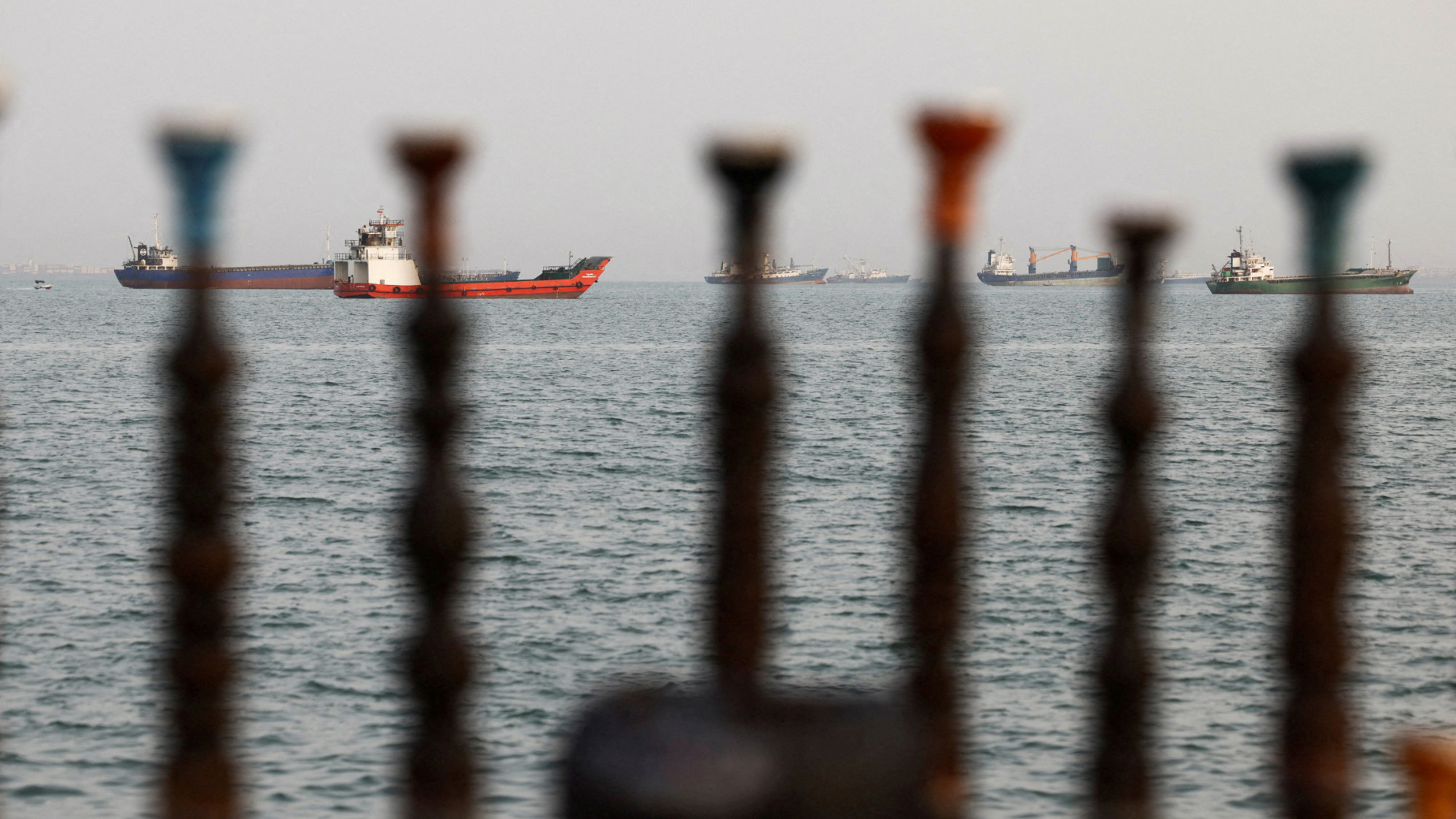
    The negotiation framework faces significant challenges, particularly regarding Gulf states’ insistence on preventing future Iranian control over the Strait of Hormuz. Meanwhile, Iran’s primary demands include security guarantees against additional attacks and financial compensation for wartime losses. One potential solution involves permitting Iran access to revenue from its oil trade, facilitated by the Trump administration’s recent sanctions relief on 140 million barrels of Iranian crude valued at approximately $14 billion.

    Despite these diplomatic efforts, Ankara insiders express skepticism about achieving a comprehensive agreement, citing Israel’s apparent commitment to its ‘mowing the lawn’ strategy of periodic military strikes against Iranian capabilities. Additional complications include President Trump’s demand for zero Iranian nuclear enrichment and the question of negotiation venues, with Washington having dismissed Oman as a viable location. Russia has emerged as a potential guarantor for future negotiations, given its maintained relationships with all involved parties including Iran, Israel, the UAE, and Saudi Arabia.

  • Guangdong’s Wuyi University opens school to promote region’s cultural symbol chenpi

    Guangdong’s Wuyi University opens school to promote region’s cultural symbol chenpi

    In an unprecedented move for China’s agricultural sector, Wuyi University in Jiangmen has established the nation’s first academic institution entirely dedicated to the study and promotion of a regional specialty: Chenpi, or dried tangerine peel. The newly inaugurated Chenpi School represents a significant commitment to preserving and advancing this cultural heritage through academic rigor.

    The institution, situated in Guangdong province’s Pearl River Delta region, will leverage the university’s established strengths in biomedicine and health sciences to conduct comprehensive research on this traditional product. According to the university’s official statement, the school will serve as a crucial research base specifically designed to support local distinctive industries.

    The curriculum and research initiatives will be meticulously aligned with the developmental requirements of Xinhui’s renowned chenpi industry. The school aims to achieve breakthroughs in key research areas while facilitating technology commercialization. This multidisciplinary approach will provide substantial talent development and technical support to enhance the industry’s quality-driven growth.

    Xinhui district’s chenpi holds national acclaim as both a cultural symbol of the Lingnan region and a traditional remedy valued for its medicinal properties. Generations of local residents have incorporated aged tangerine peel into various aspects of daily life—from therapeutic teas and culinary applications to traditional soups, congee, and preserved fruits. The establishment of this specialized academic institution marks a formal recognition of chenpi’s cultural, economic, and health significance, ensuring its preservation and innovation through scientific advancement.

  • Nato ‘cannot confirm’ Iran behind attack on UK-US base after Iranian denial

    Nato ‘cannot confirm’ Iran behind attack on UK-US base after Iranian denial

    Nato Secretary General Mark Rutte has publicly stated that the military alliance lacks sufficient evidence to corroborate claims by Israel and Britain regarding an alleged Iranian missile attack targeting the joint UK-US military installation on Diego Garcia. This declaration introduces significant uncertainty into a rapidly developing international security situation.

    The controversy originated with a Wall Street Journal report citing anonymous US officials who claimed Iran launched two intermediate-range ballistic missiles toward the Indian Ocean base, with one allegedly failing in flight and another purportedly intercepted by a US warship. Subsequently, Israeli military officials escalated these claims, asserting Iran had deployed an advanced intercontinental ballistic missile capable of reaching European capitals including Berlin, Paris, and Rome.

    Iran’s government has categorically denied targeting the Diego Garcia base, characterizing such allegations as baseless. Despite Tehran’s denials, British Communities Secretary Steve Reed publicly accused Iran of the attack, stating that according to UK assessment, one missile failed while another was successfully intercepted.

    The situation is further complicated by Britain’s recent decision to permit US forces to utilize British bases for potential strikes against Iranian targets in defense of maritime security in the Strait of Hormuz. Iranian Foreign Minister Seyyed Abbas Araghchi condemned this arrangement as ‘participation in aggression’ during a phone conversation with British Foreign Secretary Yvette Cooper, warning that such actions would be recorded as hostile acts in bilateral relations.

    The British Foreign Office reported that Cooper condemned Iran’s regional activities during the call, characterizing UK operations as defensive responses to Iranian aggression. Cooper specifically warned Iran against targeting UK bases, territory, or interests directly. This diplomatic exchange occurs against the backdrop of a previous drone attack on Britain’s Akrotiri base in Cyprus, which the UK attributed to elements in Lebanon.

  • Trump halts US strikes on power plants after ‘very good conversations’ with Iran

    Trump halts US strikes on power plants after ‘very good conversations’ with Iran

    In a significant de-escalation of tensions, former U.S. President Donald Trump has suspended military operations targeting Iranian energy infrastructure following what he characterized as constructive diplomatic engagement. The decision emerged from what Trump described as “very good and productive conversations” between American and Iranian representatives concerning Middle East hostilities.

    Through his Truth Social platform, Trump announced he directed the Pentagon to postpone all planned strikes against Iranian power facilities for a five-day window, citing the positive tone of recent negotiations. The diplomatic dialogue, focused on achieving “a complete and total resolution of our hostilities in the Middle East,” is expected to continue throughout the week according to Trump’s statement.

    The financial markets responded immediately to the geopolitical development. Brent Crude Oil prices plummeted over eight percent, while natural gas witnessed a three percent decline. Wall Street futures surged approximately two percent, and Europe’s STOXX 600 index reversed earlier losses to trade positively alongside precious metals.

    The Iranian perspective, communicated through its Kabul embassy and Fars news agency, presented an alternative narrative, suggesting Trump’s reversal came after Tehran issued a firm warning that Iranian retaliation would target all power plants throughout West Asia. This development follows Trump’s Saturday ultimatum threatening to destroy Iranian power plants if Tehran didn’t fully reopen the Strait of Hormuz to all shipping within 48 hours.

    The temporary reprieve remains contingent upon continued diplomatic progress, with Trump noting the suspension is “subject to the success of the ongoing meetings and discussions.”

  • Israel destroys key bridge in southern Lebanon, stoking fears of ‘ground invasion’

    Israel destroys key bridge in southern Lebanon, stoking fears of ‘ground invasion’

    Israeli military forces intensified their campaign in southern Lebanon on Sunday by demolishing a strategically vital bridge near Tyre, effectively severing a crucial transport link between the southern region and the remainder of the country. This offensive action, authorized by Defense Minister Israel Katz, targeted all crossings over the Litani River and multiple residential structures in proximity to the Israeli frontier.

    According to Lebanon’s National News Agency (NNA), three consecutive Israeli strikes inflicted substantial damage upon the Qasmiyeh Bridge, rendering it completely inoperable. The assault additionally caused significant disruption to local electricity infrastructure while devastating adjacent commercial establishments, agricultural orchards, and public parks. In a subsequent development on Monday, another essential bridge connecting Nabatieh and al-Hujair valley met similar destruction.

    Defense Minister Katz explicitly stated that Israel is implementing identical tactical approaches previously deployed during its Gaza operations, where extensive demolition of civilian infrastructure created buffer zones. “Prime Minister Binyamin Netanyahu and I have directed the IDF to immediately eliminate all Litani River bridges utilized for terrorist activities,” Katz declared, asserting these measures would prevent Hezbollah’s southward movement of militants and weaponry.

    Israeli military spokespersons signaled further escalation, with Effie Defrin indicating expanded ground operations would commence within days. Chief of Staff Eyal Zamir characterized the conflict as “prolonged,” emphasizing that current actions represent merely the initial phase of a comprehensive campaign against Hezbollah.

    Lebanese President Joseph Aoun condemned the bridge attacks as “flagrant violations of Lebanon’s sovereignty” and potential precursors to full-scale ground invasion. He accused Israel of pursuing “suspicious schemes to establish a buffer zone” that would effectively consolidate territorial occupation.

    The current hostilities erupted following Hezbollah’s retaliation for the killing of Iran’s Supreme Leader Ali Khamenei in a joint US-Israeli operation. The Shia organization has claimed responsibility for approximately sixty attacks that have killed at least two Israeli soldiers. Meanwhile, Lebanese health authorities report over 1,029 fatalities and one million displaced persons, with UNICEF revealing that children have been suffering classroom-equivalent casualties daily.

  • Iran questions Africa’s silence as US-Israeli war grinds on

    Iran questions Africa’s silence as US-Israeli war grinds on

    A notable diplomatic silence from African nations regarding US-Israeli military actions against Iran has sparked allegations from Tehran that Israel is utilizing its growing continental influence to suppress criticism of Middle Eastern operations. Since hostilities escalated in late February, the majority of African states alongside pan-continental organizations like the African Union (AU) have predominantly avoided direct commentary on the crisis, opting instead for generalized appeals for de-escalation while specifically condemning Iranian retaliatory measures in the Gulf region.

    Analysts point to Africa’s constrained geopolitical leverage and vulnerability to global economic disruptions as primary reasons for this cautious approach. However, Iran’s Ambassador to South Africa, Mansour Shakib Mehr, offers a more accusatory interpretation. In statements to Middle East Eye, Mehr asserted that Israel is leveraging its relationships with African nations to obfuscate its historical actions in Palestine and West Asia, attempting to ‘reverse the roles of oppressor and victim.’

    Scholars monitoring Israel-Africa relations acknowledge that while Tehran’s claims are politically motivated, they contain elements of truth. Raouf Farrah, co-author of a significant work on African solidarity with Palestine, confirmed that Israel has methodically expanded its diplomatic and political footprint across Africa over the past twenty years. This expansion continues unabated despite the ongoing conflict in Gaza, evidenced by recent diplomatic advancements in regions like Somaliland and a persistent push for AU observer status—a move previously thwarted by South Africa and Algeria.

    Underpinning Africa’s reserved stance, experts argue, is a palpable concern over potential punitive measures from the United States. Farrah notes that new agreements with the US in critical sectors like digital infrastructure and health data systems create structural dependencies that heighten the political cost of adopting positions that might endanger these strategic partnerships. The perceived transactional and unpredictable nature of US foreign policy under the current administration further encourages this continental restraint, pushing many states toward strategic ambiguity to avoid diplomatic or economic repercussions.

    The African Union’s official responses mirror this cautious calculus. Commission Chairperson Mahmoud Ali Youssouf has expressed concern over US-Israeli strikes while simultaneously issuing strong condemnations of Iranian retaliatory actions. An AU spokesperson emphasized the body’s consistent calls for restraint and adherence to international law in all global conflicts. Nonetheless, governance experts like the University of Pretoria’s Tendai Mbanje contend that the AU’s institutional and financial reliance on Western donors significantly limits its capacity to adopt a more forceful position. The absence of consensus among member states—with nations like South Africa condemning Israeli actions while others benefit from Israeli or US cooperation—further entrenches neutrality as the default, lowest-risk diplomatic stance.

  • ‘They burned everything’: Israeli settlers torch West Bank clinics, homes and cars

    ‘They burned everything’: Israeli settlers torch West Bank clinics, homes and cars

    A surge of coordinated settler violence has erupted across the occupied West Bank, targeting Palestinian communities in one of the most extensive attack campaigns in recent memory. Over the weekend, armed Israeli settlers launched systematic assaults on multiple towns, resulting in widespread destruction, numerous injuries, and significant property damage.

    The violence commenced with raids on educational institutions, including a boys’ secondary school in Hawara where settlers replaced the Palestinian flag with an Israeli banner and inscribed death threats on school walls. The attacks rapidly escalated into coordinated nighttime assaults involving hundreds of settlers moving in organized groups through Palestinian communities.

    In al-Fandaqumiya and Silat ad-Dhahr south of Jenin, more than 200 settlers participated in simultaneous attacks, setting homes and vehicles ablaze with Molotov cocktails. Hussam al-Zu’bi returned to find his home completely destroyed by fire, with roof tiles torn away and incendiary devices thrown through windows. Similar scenes unfolded in Silat al-Dhahr where settlers sprayed racist graffiti and issued explicit threats to burn residents inside their homes.

    The medical infrastructure suffered deliberate targeting, with clinics torched in Burqa and Jalud, where the Medical Relief Society building sustained significant fire damage. Emergency response was systematically hindered by Israeli military forces who blocked main entrances to affected towns, preventing firefighting vehicles and ambulances from reaching victims of smoke inhalation and injuries.

    According to local residents, the attacks displayed military-level coordination, with settlers advancing on foot in organized groups and striking multiple locations simultaneously. The violence resulted in at least nine injuries in Deir al-Hatab alone, including gunshot wounds, with additional reports of skull fractures and serious burns among Palestinian residents.

    The escalation follows social media calls by settler groups for demonstrations protesting the death of a settler in a vehicle-related incident. Palestinian authorities have issued travel warnings amid ongoing attacks on roadways, where settlers have stoned vehicles and blocked major transit routes, stranding numerous Palestinians overnight.

    This represents a significant intensification of settler violence that has surged since October 2023, with at least six Palestinian fatalities attributed to settler attacks since the beginning of the recent regional conflict.

  • US lobby firm secures $2m contract to whitewash image of Libya’s Haftar

    US lobby firm secures $2m contract to whitewash image of Libya’s Haftar

    A prominent Washington lobbying firm with deep ties to the Trump administration has entered into a $2 million agreement to represent Libyan military commander Khalifa Haftar, whose forces face extensive allegations of human rights violations. Ballard Partners, staffed by former Trump administration officials, will advocate for Haftar and his son Saddam, deputy commander of the Libyan Arab Armed Forces (LAAF), according to lobbying disclosures obtained by the Washington Post.

    Human Rights Watch has documented grave abuses within detention centers operated by Haftar’s security forces, including systematic torture, extrajudicial killings, and mutilation of corpses. The organization has called for investigations into these violations, noting that political dissidents have been subjected to unlawful detention, torture, and forced displacement.

    Haftar faces multiple legal challenges in US courts, where Libyan families have accused him of war crimes and deliberate torture. While some cases have been dismissed, a 2022 US court ruling found him liable for war crimes against several families. His legal representatives deny all allegations.

    The lobbying agreement coincides with Haftar’s consolidation of power in eastern Libya, where his five sons hold key positions. Recent diplomatic engagements include meetings between Saddam Haftar and US officials, including Trump’s Arab and African affairs advisor Massad Boulos and US charge d’affaires Jeremy Brent.

    Hanan Salah, HRW’s assistant director for the Middle East and North Africa, criticized the normalization of relations with figures implicated in abuses, stating it undermines accountability efforts. Meanwhile, Africa Intelligence reports suggest US officials are considering a power-sharing arrangement that would maintain Haftar’s military control while preserving Abdul Hamid Dbeibah’s civilian leadership, potentially bypassing elections.