A groundbreaking culinary movement emerging from Southwest China’s Xizang Autonomous Region is turning heads across the global coffee landscape: small-batch coffee brands weaving centuries-old Tibetan flavor traditions into unique roasts are building growing international followings, opening new doors for cultural exchange on the world stage.
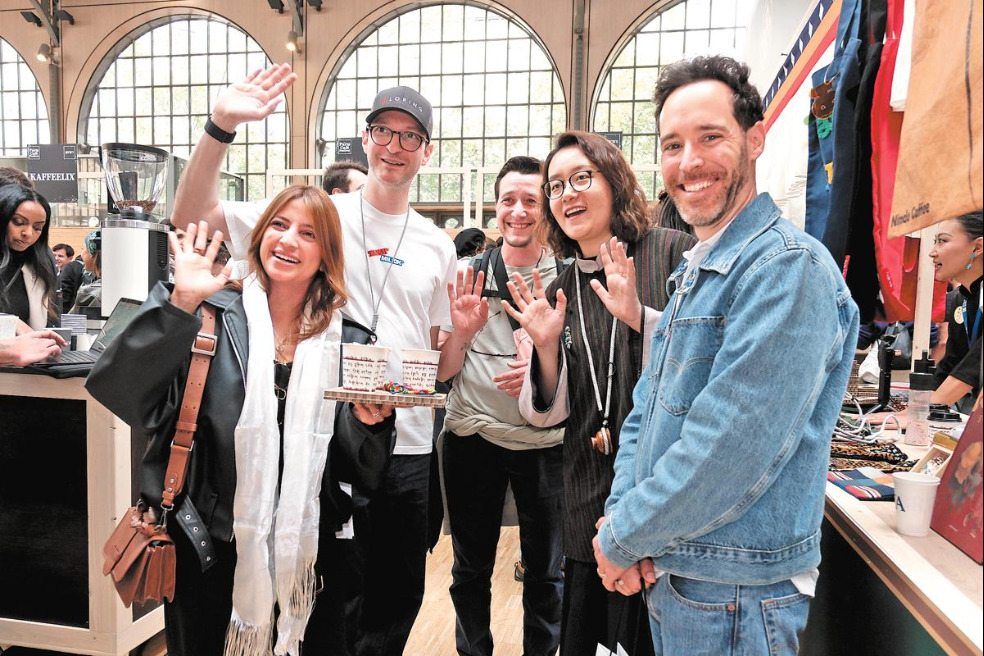
At the forefront of this movement is Nindo Coffee, an independent Xizang-based brand that recently captured widespread acclaim at the 2025 Paris Coffee Festival, held from April 11 to 13. The appearance marked the brand’s second major European showcase, following a successful debut at a London coffee exhibition in 2024. For Tsomo, Nindo Coffee’s founder, this global momentum is the product of eight years of deliberate, sustained experimentation, not a sudden break into international markets.
Unlike many novelty fusion products that tack exotic regional elements onto existing coffee recipes, Nindo Coffee’s signature blends are rooted in a deep reimagining of Xizang’s culinary identity. Drawing on beloved local flavor profiles such as creamy salty milk tea and the hearty, textured ingredients of high-altitude Tibetan diets, the roasts redefine what specialty coffee can taste like, rather than just adding a cultural gimmick. To complement the unique flavor experience at the Paris festival, the brand brought immersive Tibetan visual culture to its booth, displaying traditional incense cloths and Tibetan opera masks to give attendees a full sensory introduction to the region behind the beans.
The immersive offering resonated far more than casual novelty: attendees returned to the booth repeatedly, sharing their new favorite find with other guests and sparking genuine organic enthusiasm among coffee lovers. Industry experts echoed that praise, with support from the International Culture Association of the Xizang Autonomous Region helping amplify the brand’s presence on the global stage. Angie Molina, 2025 World Brewers Cup France champion, described the brand’s viral salted milk tea dirty blend as one-of-a-kind, noting it struck a perfectly balanced profile of sweet, rich depth that left a lasting impression.
Looking ahead, Nindo Coffee has ambitious plans to embed Xizang more deeply in the global professional coffee community. The brand aims to launch the first Xizang Autonomous Region coffee festival, creating a space for domestic and international coffee roasters to collaborate and exchange ideas. It is also set to host the Lhasa regional qualifying round of the 2026 China Brewers Cup, the official selection pathway for the World Brewers Cup, bringing top-tier global coffee competition infrastructure to the region.
Nindo Coffee’s success is part of a larger booming coffee culture across Xizang, where neighborhood street-side cafes have quickly become central hubs for social connection, remote work, and leisure. Local industry leaders note that fusion coffee creations that blend global coffee culture with Tibetan heritage — from tsampa-infused roasts to rich butter coffee — have already become beloved local staples, earning widespread recognition as distinctive cultural emblems of Xizang. For local coffee enthusiasts like Lhasa resident Tashi Dundrup, the international acclaim for Nindo Coffee marks a major milestone: it not only shares Tibetan coffee culture with the world but also creates pathways for global industry professionals to visit Xizang, build connections, and help the region’s unique coffee identity carve out a permanent place on the global coffee map.