标签: Asia

亚洲

  • Blossoms fuel village’s tourism and vitalization

    Blossoms fuel village’s tourism and vitalization

    The picturesque landscape of Jinlong village in Chongqing’s Nanchuan district has undergone a remarkable transformation, with vast expanses of cherry blossoms creating a spectacular pink canopy against vibrant yellow rapeseed fields. This breathtaking natural spectacle has become a powerful engine for rural tourism development and economic revitalization in the region.

    During the recent Cherry Blossom Festival, Daguan town launched an extensive program of cultural activities designed to enhance visitor experiences. The festivities included elaborate float parades, innovative cultural markets, interactive family activities, and traditional village singing competitions. These events have successfully created an immersive cultural tourism environment that extends beyond simple flower viewing.

    Huang Hua, a visitor from a neighboring urban center, expressed her admiration: “The countryside during spring offers an unparalleled sensory experience. The vibrant colors and serene atmosphere provide the perfect escape from city life.”

    This floral phenomenon represents a broader national trend where rural destinations are experiencing unprecedented tourism growth. As urban dwellers increasingly seek authentic agricultural experiences and natural beauty, villages like Jinlong are capitalizing on this demand to generate substantial local income.

    Nanchuan district’s strategic advantages—including abundant natural resources, exceptional ecological preservation, and developed transportation infrastructure—have enabled the successful integration of agricultural production with tourism services. This synergistic approach has established the region as a national model for recreational agriculture and sustainable rural development.

    The village’s transformation gained official recognition in 2022 when the Ministry of Culture and Tourism designated Jinlong as one of China’s key rural tourism villages. This prestigious acknowledgment came in response to the community’s successful transition from traditional crop cultivation to a modern leisure industry model.

    Village Party Secretary Luo Chunlan highlighted the dramatic changes: “Our agricultural focus has evolved from staple crops like rice and corn toward tourism-oriented development. This shift has created diverse employment opportunities while significantly enhancing our village’s aesthetic appeal and living standards.”

    Local residents have embraced this economic transformation by establishing various hospitality businesses including restaurants, tea houses, and specialty coffee shops. The area’s enhanced natural beauty has also attracted external investment in premium accommodation facilities, particularly boutique homestays that cater to discerning tourists seeking authentic rural experiences.

  • HK fire-hit get a window for retrieval

    HK fire-hit get a window for retrieval

    Hong Kong’s administration has unveiled a comprehensive 15-day operation to enable residents displaced by last year’s catastrophic Wang Fuk Court fire to retrieve their personal possessions. From April 20 to May 4, over 1,700 affected households will be permitted staged access to their fire-damaged residences in the Tai Po district complex.

    The massive logistical undertaking will involve approximately 1,000 government personnel daily, totaling 15,000 staff members throughout the operation period. These officials will provide on-site assistance, crowd management, emotional support, and emergency response capabilities during the retrieval windows.

    Deputy Chief Secretary for Administration Warner Cheuk Wing-hing detailed the arrangements at a Friday press briefing, noting that access times are scheduled from 9:00 AM to 1:00 PM and 2:30 PM to 6:30 PM daily. Each household may send up to four representatives simultaneously, with visits limited to a maximum of three hours. However, units with significant structural damage will restrict entry to just one person per household.

    The November 26 blaze, which claimed 168 lives and completely destroyed seven of the eight high-rise buildings in the residential complex, represents one of Hong Kong’s most devastating residential fires in recent history. The upcoming retrieval operation follows a brief 90-minute access period granted in early December exclusively for residents of Wang Chi House, the sole tower spared from complete destruction.

    Practical challenges remain significant, as Mr. Cheuk confirmed that building elevators remain inoperable, requiring residents to navigate staircases. Those who resided in upper-floor units may face climbs of 20 to 30 stories, prompting authorities to advise elderly individuals, people with health or mobility limitations, and children to avoid participation.

    Security Secretary Chris Tang Ping-keung announced complimentary shuttle bus services running at 15-minute intervals from 8:15 AM between Wang Fuk Court and Tai Po Market MTR station to facilitate transportation.

    Regarding long-term resettlement prospects, Secretary for Home and Youth Affairs Alice Mak Meikuen provided updates on restoration efforts for Wang Chi House, indicating that rehabilitation work has proven more complex than initially projected. Critical repairs including external wall restoration and construction of a new emergency exit are estimated to require at least nine and three months respectively, with total costs anticipated to exceed HK$10 million (approximately US$1.28 million).

    The government has engaged professional consultants to ensure safe reoccupation conditions and will conduct information sessions starting mid-April to address resident concerns regarding the rehabilitation timeline and process.

  • Israel launches strikes as diplomacy shatters

    Israel launches strikes as diplomacy shatters

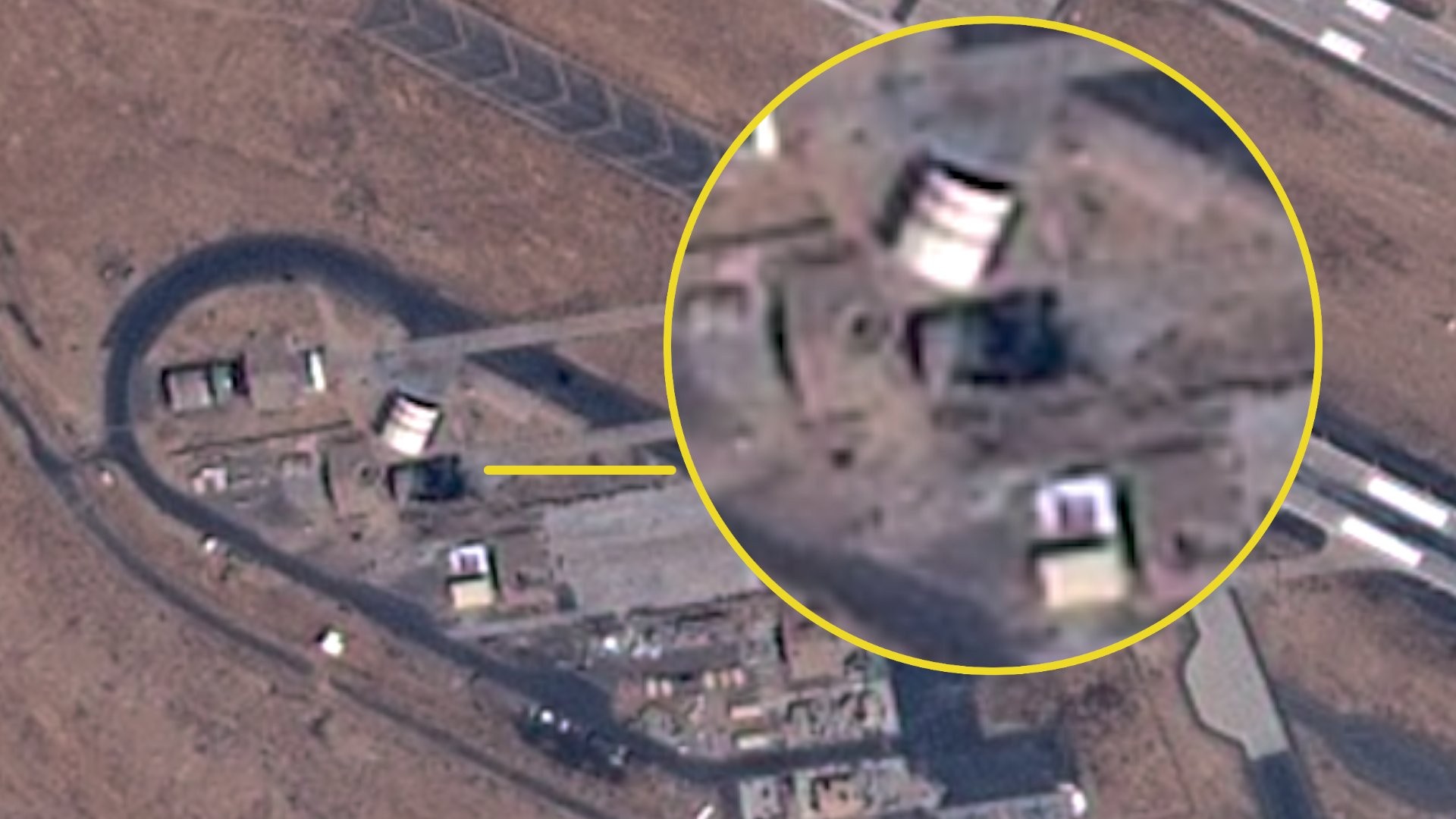
    The Middle East conflict escalated dramatically as Israel executed extensive airstrikes against Iranian targets, striking both military installations and civilian areas. The offensive, described by observers as unprecedented in scale, targeted ballistic missile production facilities and air defense systems across multiple Iranian regions including Tehran, Qom, and Urmia.

    Simultaneously, diplomatic efforts between Iran and the United States reached a critical impasse. President Donald Trump extended his deadline for Iran to reopen the Strait of Hormuz until April 6, 2026, threatening the destruction of Iranian energy plants if compliance isn’t met. Tehran had previously rejected a US peace proposal as “one-sided and unfair.”

    Iran responded with continued drone and missile attacks against Israeli positions and US military facilities in the Gulf region. The Islamic Revolutionary Guard Corps announced it had turned back three ships attempting to transit the Strait of Hormuz, declaring shipping to allies of “Israeli-American enemies” prohibited.

    The conflict’s economic repercussions intensified as oil prices surged to $107 per barrel—a 45% increase since hostilities began on February 28. Asian markets retreated following Wall Street’s worst single-day performance since the conflict’s inception. Finnish President Alexander Stubb warned the confrontation could trigger a “self-inflicted global recession” with potentially more severe consequences than the COVID-19 pandemic.

    Military preparations accelerated as the US deployed approximately 2,500 Marines and 1,000 paratroopers from the 82nd Airborne Division to the region. Reports indicated the Pentagon is considering sending up to 10,000 additional ground troops. Iran claimed readiness to deploy over one million fighters to create “a historic hell for Americans” should a ground invasion occur.

    International concern mounted as IAEA Director General Rafael Grossi expressed “deep concern” over military strikes near Iran’s Bushehr Nuclear Power Plant, warning of potential radiological consequences. The UN Security Council scheduled emergency consultations to address strikes on Iranian civilian infrastructure.

  • ‘Shooting gallery’: How a US invasion of Iranian islands might unfold

    ‘Shooting gallery’: How a US invasion of Iranian islands might unfold

    A potential US military operation to capture Iranian islands in the Gulf would confront American forces with a hazardous combat environment characterized by vulnerable supply lines and ambiguous strategic objectives, according to former US military officials and analysts interviewed by Middle East Eye.

    The operational blueprint would commence with electronic warfare campaigns to disrupt Iranian radar and communications, followed by intensive aerial bombardment to dismantle coastal defenses. Seth Krummrich, former chief of staff for US special operations in the Middle East, emphasized the necessity of preliminary isolation efforts before any ground assault.

    Primary targets under consideration include Kharg Island, responsible for 90% of Iran’s oil exports; Abu Musa and its associated islands, subject to territorial disputes with the UAE; and Qeshm Island, the largest and most fortified location containing tunnel networks for drones and missiles.

    Military strategists note significant operational challenges distinct from historical Pacific island campaigns. Daniel Davis, former US Army lieutenant colonel, asserts that Iran’s control over the Strait of Hormuz would necessitate airborne insertion rather than amphibious landing due to the vulnerability of naval vessels. Potential transportation would involve V-22 Osprey aircraft, Chinook, and Black Hawk helicopters deploying troops from bases in Gulf partner nations.

    The invasion force would comprise approximately 2,500 Marines from expeditionary units and 3,000 paratroopers from the 82nd Airborne Division. However, analysts highlight the critical dependency on basing rights from Gulf states including Saudi Arabia, UAE, and Kuwait—cooperation that remains politically complex.

    Military experts draw concerning parallels to Britain’s 1982 Falklands campaign while noting more severe contemporary challenges. The geographical compression of the Gulf region and advancements in drone warfare create particularly adverse conditions. Kalev Sepp of the US Naval Postgraduate School noted that technological and geographical factors make such an operation more difficult than historical precedents.

    Upon establishment of beachheads, US forces would face Iran’s decentralized ‘mosaic defense’ structure implemented by the Islamic Revolutionary Guard Corps. This guerrilla warfare approach, featuring 31 provincial commands with autonomous strike capabilities, would prevent conventional engagement and necessitate sustained defensive support from already stretched air and naval assets.

    Logistical complications present another critical vulnerability. The requirement of approximately nine support personnel for every combat soldier—excluding maritime control and air cover—creates massive supply chain vulnerabilities under the umbrella of Iranian missile and drone capabilities. US bases throughout the Gulf have demonstrated vulnerability to Iranian strikes, with reporting indicating significant damage to regional facilities.

    Experts suggest Iran could escalate through proxy forces like the Houthis targeting strategic waterways including the Bab al-Mandeb Strait, potentially triggering global energy price spikes. Additionally, seizure of economically critical islands like Kharg could prompt Iranian counter-escalation against regional energy infrastructure despite damaging their own economic interests.

    Analysts conclude that most Iranian islands offer minimal strategic advantage unavailable through existing US bases in the region, questioning the fundamental operational rationale while highlighting extreme risks to personnel and regional stability.

  • China targets US trade barriers amid Section 301 probes

    China targets US trade barriers amid Section 301 probes

    In a significant escalation of trade tensions, China has initiated dual investigations into United States trade practices that Beijing alleges are disrupting global supply chains and unfairly targeting its green technology exports. The Chinese Ministry of Commerce announced on March 27 that these probes will examine whether US measures—including import restrictions, export controls, and investment limitations—have adversely affected Chinese enterprises and hindered the development of renewable energy sectors.

    The investigations represent a direct response to the US Trade Representative’s recent Section 301 investigations launched in early March, which targeted 16 economies for industrial overcapacity in steel, semiconductors, and automobiles, plus 60 additional economies over alleged forced labor practices. Although framed as broad actions, analysts note these measures predominantly focus on China.

    China’s commerce ministry spokesperson expressed strong opposition to the US actions, stating: “China is strongly dissatisfied with and firmly opposed to the USTR’s actions. We will proceed with investigations according to China’s Foreign Trade Law and take corresponding measures to safeguard our legitimate rights and interests.”

    Two primary investigation areas have been identified:

    1. Global Supply Chain Disruptions: Preliminary evidence suggests the US has implemented measures restricting Chinese market access, limiting high-tech exports to China, and curbing bilateral investment in critical sectors.

    2. Green Trade Barriers: Initial findings indicate US actions have restricted green product exports, delayed renewable energy project deployment, and limited technological cooperation in sustainable industries.

    The ministry contends these practices may violate WTO regulations and bilateral trade agreements, potentially causing significant harm to Chinese commercial interests. Investigation methods will include questionnaires, hearings, and on-site inspections, with completion expected within six months (extendable to nine months in special circumstances).

    This development follows President Trump’s March 26 social media announcement of planned China visits on May 14-15, though Beijing hasn’t confirmed these dates. The original March 31 meeting was postponed following US-Israeli strikes against Iran.

    Analysts suggest China’s investigation strategy leverages its substantial market influence—with 2025 goods trade totaling $6.3 trillion—and increasingly diversified trade relationships with ASEAN, Africa, and Latin America, reducing US dependency and enhancing resilience against trade restrictions.

    The current trade truce between Trump and Xi, set to expire November 10, 2026, coincides with US midterm elections on November 3, creating political pressure to avoid escalating tensions that might destabilize the economy and impact Republican congressional control.

    This isn’t China’s first trade-barrier investigation against the US. A 2011 probe into American renewable energy subsidies concluded the measures violated WTO rules, though subsequent US tariffs on Chinese solar panels prompted manufacturers to relocate production to Southeast Asia.

    The announcement follows China’s recent completion of a separate trade investigation into Mexico’s tariff increases (up to 35%) on imports from non-free-trade agreement countries, which particularly affected China’s automotive sector with estimated $9 billion losses. Mexico’s alignment with US trade objectives reflects the complex dynamics of North American supply chain integration under the US-Mexico-Canada Agreement.

  • Formula 1: Antonelli and Russell 1-2 in qualifying for the Japanese Grand Prix

    Formula 1: Antonelli and Russell 1-2 in qualifying for the Japanese Grand Prix

    SUZUKA, Japan — Mercedes’ teenage sensation Kimi Antonelli continued his spectacular emergence in Formula 1 by capturing pole position for Sunday’s Japanese Grand Prix, building on his breakthrough victory just two weeks prior in China. The 19-year-old Italian clocked a blistering 1:28.778 on Suzuka’s challenging 5.8-kilometer circuit during Saturday’s qualifying session.

    Antonelli will be joined on the front row by teammate George Russell, who secured the season-opening victory in Australia, cementing Mercedes’ early supremacy in the 2026 championship. The second row features an intriguing mix of McLaren’s Oscar Piastri—making his first start this season after technical setbacks—alongside Ferrari’s Charles Leclerc. The third row positions Lando Norris (McLaren) beside Lewis Hamilton (Ferrari).

    Reflecting on his performance, Antonelli remarked: ‘It was a clean session with strong car feel. I’m thoroughly satisfied with our execution and now shift focus to race strategy.’

    The qualifying gap proved significant by F1 standards, with Antonelli outpacing Russell by three-tenths of a second—a substantial margin under the new technical regulations. Russell acknowledged his teammate’s excellence despite grappling with inconsistent car performance throughout the session.

    This season introduces revolutionary technical specifications, with powertrains now equally split between battery and combustion energy, coupled with more compact, agile chassis designs. These changes have facilitated overtaking in initial races, though Suzuka’s traditional layout—characterized by narrow passages and limited straights—presents distinct challenges.

    Antonelli anticipates strategic complexity: ‘The racing could remain engaging but undoubtedly more demanding than in China or Melbourne. Overtaking opportunities will be scarce, making initial positioning critical.’

    Notable developments include Red Bull’s four-time champion Max Verstappen qualifying a disappointing 11th after reporting fundamental handling issues, while Piastri celebrates McLaren’s competitive resurgence after earlier mechanical misfortunes.

    Optimal spring conditions graced Saturday’s proceedings, with similar weather forecast for Sunday’s main event.

  • Nepal police arrest former prime minister and former home minister over September protest deaths

    Nepal police arrest former prime minister and former home minister over September protest deaths

    Nepalese authorities have taken former Prime Minister Khadga Prasad Oli into custody alongside ex-Home Minister Ramesh Lekhak, marking a significant development in the pursuit of accountability for September’s lethal protest suppression. The arrests occurred during early morning operations at their Kathmandu residences, where specialized police units transported both officials to district headquarters for processing.

    This judicial action follows the conclusive findings of an official government commission that recommended substantial prison sentences—potentially extending to a decade—for those responsible for authorizing lethal force against demonstrators. The September uprising, characterized by widespread youth mobilization against systemic corruption and governance failures, resulted in 76 fatalities and over 2,300 casualties while culminating in the arson of multiple government facilities.

    Home Minister Sudan Gurung emphasized the constitutional nature of these arrests through official social media channels, stating: ‘Legal accountability transcends political status. This constitutes neither vendetta nor retaliation, but rather the foundational implementation of judicial fairness.’

    The timing coincides with the inauguration of a new administration led by Balendra Shah, whose Rastriya Swatantra Party achieved a decisive electoral victory this month. This political transition represents Nepal’s first national election since the revolutionary events of September, which previously compelled high-ranking officials to evacuate via military aircraft amid widespread civil unrest.

    Notably, the protest movement catalyzed the historic appointment of Sushila Karki as Nepal’s inaugural female prime minister, who presided over the interim government until these recent elections. The current administration has prioritized justice for victims and institutional reform as central governance objectives.

  • Nepal’s ex-PM arrested over fatal protest crackdown

    Nepal’s ex-PM arrested over fatal protest crackdown

    In a significant political development, Nepal’s former Prime Minister KP Sharma Oli has been taken into custody alongside ex-Home Minister Ramesh Lekhak for their alleged roles in authorizing lethal force against demonstrators during last year’s widespread civil unrest. The arrests follow conclusive recommendations from an independent investigative commission that found both officials culpable of criminal negligence during the September crisis.

    The fatal crackdown resulted in over 70 casualties, predominantly protesters fatally shot by law enforcement personnel. The initial demonstrations erupted in response to a government-imposed social media blackout but rapidly escalated into mass protests fueled by deep-seated public frustration over systemic corruption and dire economic conditions.

    Police authorities confirmed the detentions occurred Saturday morning, though formal charges have not yet been filed. The investigation panel has additionally recommended prosecuting former police chief Chandra Kuber Khapung for his command decisions during the civil disturbances.

    This dramatic political shift follows the recent inauguration of new Prime Minister Balen Shah, a former rapper whose election was directly precipitated by last year’s crisis. The new administration has signaled its commitment to accountability, with recently appointed Home Minister Sudan Gurung—a prominent figure during the protests—publicly endorsing the arrests on social media. Minister Gurung emphasized these actions represent the foundational application of justice rather than political retribution.

  • ‘Suicide of a Nation’: Matt Goodwin’s AI-assisted screed on Muslims and Britain

    ‘Suicide of a Nation’: Matt Goodwin’s AI-assisted screed on Muslims and Britain

    Matt Goodwin’s latest literary endeavor, ‘Suicide of a Nation: Immigration, Islam, Identity,’ immediately confronts readers with an unconventional typographical presentation that some might find visually challenging. The self-published work, which has achieved bestseller status on Amazon, carries a dedication to what the author terms the ‘Forgotten Majority’—a telling preface to the controversial content that follows.

    Dr. Goodwin, formerly respected for his academic rigor demonstrated in his 2018 work ‘National Populism: The Revolt Against Liberal Democracy,’ has undergone a remarkable transformation from dispassionate political scientist to active participant in right-wing politics. His recent unsuccessful parliamentary campaign as a Reform UK candidate for the Gorton and Denton constituency, followed by his current role as a GB News presenter, marks this dramatic shift in professional trajectory.

    The book’s methodology raises significant questions about academic integrity. With merely twelve footnotes throughout the entire volume—two containing ChatGPT source code and five referencing his own Substack publications—the work departs dramatically from scholarly standards. More troubling still, multiple quotations attributed to historical figures including Cicero, Friedrich Hayek, and Sir Roger Scruton have been identified as potentially fabricated.

    Goodwin’s central thesis revolves around what he characterizes as deliberate ‘demographic replacement’ orchestrated by unnamed elites. He presents alarming projections suggesting Muslims will constitute one-quarter of Britain’s population by 2100, while the white British majority will lose its numerical dominance among young people by 2050. These demographic shifts, Goodwin argues, threaten to erase Britain’s cultural distinctiveness and historical continuity.

    Notably absent from his analysis is any substantive discussion of the British Empire’s role in shaping modern British identity—a curious omission given how imperial history fundamentally influenced Britain’s multicultural dimensions. The work further demonstrates conceptual confusion regarding British identity, simultaneously insisting ethnic minorities must integrate while suggesting they cannot achieve the same ‘instinctive, emotional connection’ as those with multi-generational British ancestry.

    The book contains numerous factual inaccuracies, including misrepresented quotations from politicians, incorrect political context regarding Boris Johnson’s position in 2019, and unverified claims about classrooms with minimal English speakers. These errors substantially undermine the work’s credibility.

    Contrary to Goodwin’s portrayal of segregated Muslim communities with limited integration, recent polling data from Opinium reveals British Muslims demonstrate stronger support for democratic principles (85%) than the general population (71%), greater endorsement of equal treatment under the law (94% versus 80%), and higher reported loyalty to the UK (70% versus 50%). Additionally, 80% report frequent interactions with non-Muslims.

    Despite these empirical contradictions, Goodwin concludes with apocalyptic warnings about Britain’s imminent cultural demise, employing rhetoric that frames criticism as elite persecution while proposing restrictive measures targeting religious dress in public spaces—a position that would impact multiple religious communities.

    The transformation of an academic once praised for balanced analysis into a purveyor of alarmist ethnic politics represents a concerning development in British political discourse, particularly given Goodwin’s continued media platform and influence within right-wing circles.

  • Indonesia starts implementing social media restrictions for children under 16

    Indonesia starts implementing social media restrictions for children under 16

    JAKARTA, Indonesia — Indonesia has initiated a groundbreaking digital protection measure, enforcing a comprehensive ban on social media and gaming platform access for children under 16. The new regulation, officially implemented this Saturday, represents Southeast Asia’s first major governmental intervention against digital risks facing minors.

    The policy targets prominent platforms including YouTube, TikTok, Facebook, Instagram, Threads, X, Bigo Live, and Roblox. This strategic move aligns with global efforts—following Australia’s precedent last year—to reclaim parental authority from technology conglomerates and safeguard adolescent wellbeing.

    Communication and Digital Affairs Minister Meutya Hafid revealed the measure will impact approximately 70 million Indonesian children within the nation’s 280-million population. High-risk platforms were identified through rigorous assessment criteria evaluating exposure to strangers, predatory risks, harmful content prevalence, exploitation vulnerabilities, and data security threats.

    Despite the progressive intent, Minister Hafid acknowledged implementation complexities. ‘This is certainly a task. But we must take steps to save our children,’ she stated, emphasizing the challenges of ensuring platform compliance and monitoring under-16 account deactivations.

    The policy has generated mixed reactions among its intended beneficiaries. Maura Munthe, a 13-year-old social media user, expressed ambivalence: ‘I feel kind of 50-50 about it.’ While concerned about losing entertainment access, she recognized the protective rationale.

    Parental perspectives reflect broader societal concerns. Leni Sinuraya, a 47-year-old mother, observed: ‘Nowadays, when we see kids sitting in a restaurant, they have a phone right in front of them. Mealtime is supposed to be for chatting with people around us.’

    Child protection experts emphasize balanced approaches. Diena Haryana of Jakarta-based SEJIWA foundation noted digital platforms’ educational benefits while advocating for ‘right time, right age, and right guidance’ principles. She predicted initial confusion but urged parents and schools to ‘encourage children to engage with the real world.’

    Platform responses have been cautiously compliant. X explicitly references Indonesia’s 16-year age requirement on its safety page, while YouTube expressed support for ‘risk-based frameworks addressing online harms.’

    This development positions Indonesia within an international movement—including Spain, France, and the UK—considering similar restrictions amid growing concerns about unregulated social media’s impact on youth mental health.