Tucked away in the southern tip of East China’s Anhui Province, the city of Huangshan stands as a breathtaking fusion of millennia-old cultural heritage, unparalleled natural beauty, and time-honored holistic wellness traditions. Far more than just the home of the iconic Yellow Mountain peaks that draw global visitors each year, this region weaves together human history, artisanal craft, fertile land, and wellness practices into a one-of-a-kind travel experience that highlights the deep harmony between people and the natural world.
One of the most immersive windows into Huangshan’s living history is Tunxi Old Street, a centuries-old commercial hub that retains all the bustle and charm of its golden age. As visitors step onto the uneven cobblestones that have been worn smooth by generations of footsteps, they are surrounded by traditional wooden archways and century-old storefronts that once hosted silk and tea merchants traveling along ancient trade routes. The air here is thick with the inviting scents of local Anhui cuisine: savory braised chicken simmered for hours, the bold, distinctive aroma of stinky mandarin fish, a beloved local specialty, and the sweet, floral fragrance of freshly baked osmanthus pastries.
Beyond its food offerings, Tunxi Old Street is a living repository of Huangshan’s world-famous traditional craftsmanship. Most notable among these are the ink stones carved from unique stone deposits in nearby Shexian County. For centuries, these ink stones have been prized not just as essential tools for Chinese calligraphy and ink painting, but also as intricate collectible works of art. Learning the painstaking, detail-oriented process of crafting these ink stones offers a deep look into the region’s centuries-long commitment to preserving traditional artistry.
Neighboring storefronts along the old street also showcase exquisitely crafted Huangshan lacquerware, adorned with intricate hand-carved patterns and glossy, durable finishes that reflect hundreds of years of refined craftsmanship. These handcrafted pieces are far more than generic travel souvenirs; they carry the intangible cultural spirit that has been passed down through generations of local artisans.
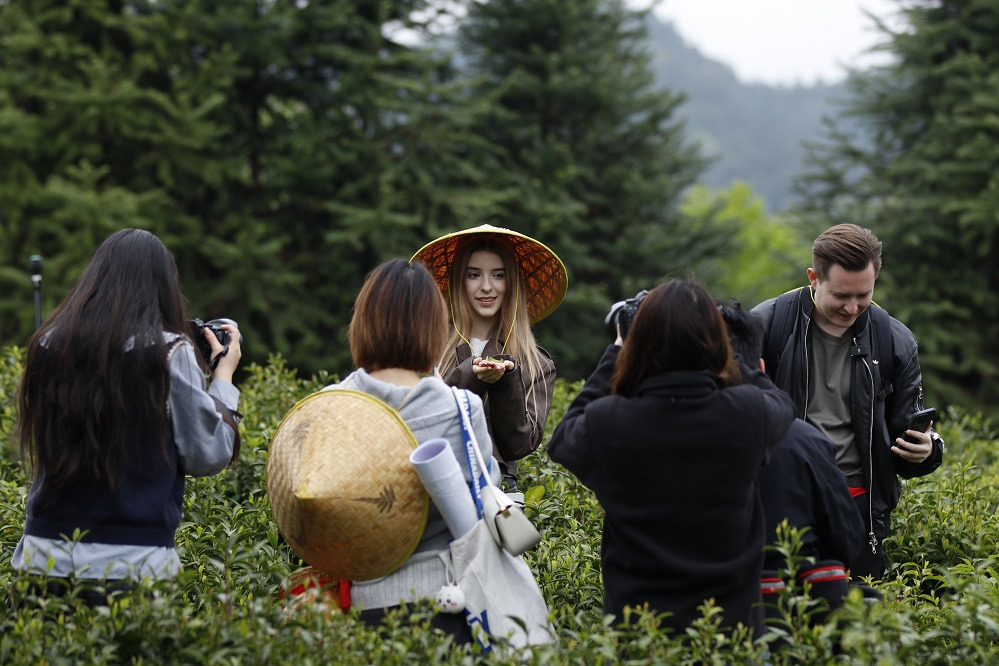
Huangshan’s natural bounty extends far beyond its dramatic mountain landscapes. Mist-shrouded terraced plantations spread across the region’s hillsides, producing some of the most revered teas in the world. Iconic varieties including Huangshan Maofeng green tea and Qimen black tea, also known as Keemun, draw tea connoisseurs from across the globe, drawn by their delicate flavors and the generations of cultivation knowledge that go into every harvest. For international visitors like British journalist Joe Burns, who tried traditional Chinese pulse diagnosis at Huangshan’s Xin’an Wellness Center during an April 22 visit, the region offers more than scenic views — it offers a chance to experience holistic wellness traditions rooted in thousands of years of Chinese medicine.
For travelers seeking an experience that blends history, natural beauty, culture, and relaxation, Huangshan emerges as a standout destination that captures the very best of China’s diverse cultural and natural heritage.