标签: Asia

亚洲

  • Pakistani PM’s special representative: China creating mutual opportunities

    Pakistani PM’s special representative: China creating mutual opportunities

    At the thematic forum ‘Telling Stories Well: From Empathetic Communication to Cultural Identity’ held on March 28, Zafar Uddin Mahmood, Special Representative of the Pakistani Prime Minister on China Affairs, delivered a significant address on China’s global economic influence. The high-ranking diplomat emphasized that China’s reform and opening-up policies have generated substantial development opportunities with global ramifications, creating a paradigm of mutual advancement rather than unilateral benefit.

    Mahmood articulated that China’s global engagement operates through a dual-channel mechanism: while foreign entities continue to enter the Chinese market, Chinese citizens and businesses are simultaneously expanding their global footprint. This bidirectional exchange, according to the Pakistani representative, facilitates cross-cultural understanding and promotes shared economic prosperity through mutual learning and collaboration.

    The address highlighted how China’s development model has evolved into a catalyst for international economic synergy, with Mahmood noting that the reciprocal nature of these opportunities distinguishes China’s global economic approach. The Pakistani official’s remarks underscore the strengthening Sino-Pakistan relations and reflect broader recognition among international partners of China’s evolving role in the global economic landscape.

  • Flag-raising ceremony at Potala Palace Square in Lhasa marks 18th Serfs Emancipation Day

    Flag-raising ceremony at Potala Palace Square in Lhasa marks 18th Serfs Emancipation Day

    Lhasa witnessed a solemn flag-raising ceremony at Potala Palace Square on Saturday as the Xizang Autonomous Region commemorated its 18th official Serfs Emancipation Day. The March 28 observance, established in 2009, recognizes the historic democratic reforms implemented in 1959 that abolished feudal serfdom throughout the region.

    The ceremony attracted participants from diverse social backgrounds who gathered to reflect on Xizang’s transformative journey. Regional government chairman Karma Tsetan delivered a televised address on Friday evening, emphasizing the significance of the 67th anniversary of emancipation for approximately one million former serfs.

    Karma Tsetan characterized the 1959 reforms as a watershed moment that eradicated what he described as ‘dark, cruel, barbaric, and backward theocratic feudal serfdom.’ He contrasted contemporary conditions with historical circumstances, noting that current life expectancy has dramatically increased from 35.5 years prior to 1959 to 72.5 years today. The chairman also highlighted that childhood mortality rates have substantially decreased from approximately 40% during the pre-reform era.

    ‘Present-day Xizang residents experience comprehensive human rights protections that stand in stark opposition to the historical reality of serfs living in perpetual fear and dignity deprivation,’ Karma Tsetan stated during his address.

    Seventy-one-year-old Lhasa resident Tsewang, who learned about pre-reform conditions through elder accounts, acknowledged the region’s developmental progress. ‘Although I never personally endured the sufferings of old Xizang,’ he remarked, ‘the continuous improvement of living standards demonstrates how contemporary happiness emerges from hard-won achievements.’

    Various commemorative activities have been organized across Xizang to mark the anniversary, fostering public reflection on the region’s socioeconomic evolution and current prosperity.

  • Yemen’s Houthis launch first missile strike on Israel since Iran war began

    Yemen’s Houthis launch first missile strike on Israel since Iran war began

    In a significant escalation of regional hostilities, Yemen’s Houthi forces launched ballistic missiles toward Israeli territory on Saturday, marking their first direct attack on Israel since the outbreak of the Iran-Israel conflict one month prior. The operation represents a dramatic expansion of the ongoing Middle Eastern tensions beyond their immediate borders.

    Military spokesperson Yahya Saree confirmed the offensive action in a video address, stating the group had targeted “sensitive Israeli military sites in southern occupied Palestine” with a barrage of ballistic missiles. The Iranian-backed militia framed the attack as both retaliation for recent strikes against Iran and as an act of solidarity with Palestinian resistance movements.

    Israeli defense systems successfully intercepted the projectiles, with military authorities reporting no casualties or structural damage resulting from the incident. The Israeli Defense Forces issued a statement acknowledging they had “identified the launch of a missile from Yemen toward Israeli territory” and confirmed their aerial defense systems were “operating to intercept the threat.”

    This development follows earlier warnings from the Houthi leadership threatening direct involvement should the conflict broaden to include additional nations alongside the United States and Israel. The group had specifically cautioned against utilizing the Red Sea for “hostile operations”—a critical maritime corridor that has become increasingly strategic since Iran’s effective closure of the Strait of Hormuz.

    The Houthi engagement in regional conflicts dates to October 2023, when they initiated attacks on international commercial shipping in the Red Sea following Israel’s military operations in Gaza. Over the subsequent eighteen months, the group has conducted approximately 250 assaults on military and commercial vessels while periodically launching long-range missile attacks toward Israeli territory.

    These maritime aggressions have profoundly disrupted global trade patterns, forcing commercial vessels to abandon the efficient Suez Canal route in favor of the considerably longer and more expensive passage around Africa’s Cape of Good Hope. Consequently, maritime traffic through the Gulf of Aden has plummeted by seventy percent over a two-year period, creating substantial economic repercussions for international shipping and energy markets.

    The strategic importance of the Red Sea has been further amplified by Saudi Arabia’s diversion of significant oil exports to the port of Yanbu, establishing the waterway as an essential alternative energy corridor amid regional instability.

  • China planning human research program at space station

    China planning human research program at space station

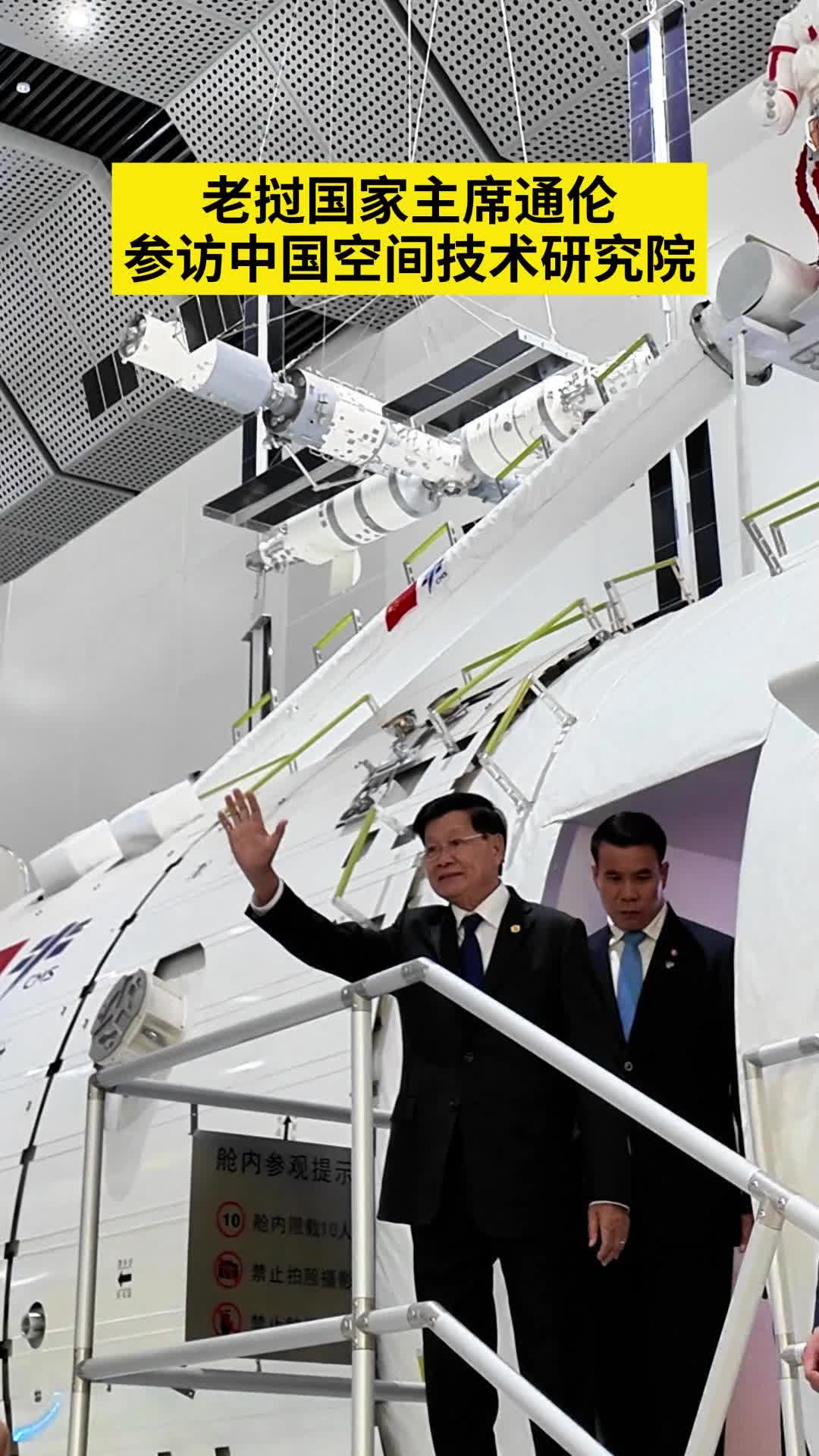
    China has announced a groundbreaking initiative to advance human space research aboard its Tiangong space station, marking a significant leap in preparing for extended orbital missions and future lunar exploration. The China Manned Space Agency revealed plans to solicit scientific proposals beginning April 1, 2026, targeting fundamental biological and physiological challenges facing humans in space environments.

    The comprehensive research program will focus on creating a detailed space human atlas and establishing an extensive biomedical database. Scientists will analyze human samples, organoids, and cellular structures to investigate microgravity’s effects on musculoskeletal systems, cardiovascular health, metabolic processes, cognitive function, and aging mechanisms during prolonged spaceflight.

    This initiative represents China’s strategic commitment to establishing itself as both an aerospace and technological powerhouse. The research outcomes are expected to benefit not only taikonauts undertaking year-long orbital missions but also contribute to terrestrial medical advancements. Current plans include hosting two crew rotations aboard Tiangong this year, with one astronaut scheduled to complete a record-breaking orbital stay exceeding twelve months.

    Space medicine has emerged as a critical research domain aboard China’s orbiting laboratory. Since initial solicitations in June 2023, the program has received 387 project submissions, with 53 already undergoing experimentation in the microgravity environment. Notable achievements include pioneering work on space organ chips and the world’s first artificial blood vessel tissue chip research in space.

    According to Li Yinghui, a lead researcher at the China Astronaut Research and Training Center, these innovations have already provided theoretical frameworks and technological platforms for studying terrestrial health challenges including cardiovascular diseases, neurodegenerative disorders, and pharmaceutical development. The program aligns with China’s broader ambitions for crewed lunar landings by 2030, addressing growing public concern about astronaut welfare during increasingly extended space missions.

  • Why US hasn’t dared try to take the Hormuz Strait

    Why US hasn’t dared try to take the Hormuz Strait

    The strategic Strait of Hormuz has become a critical flashpoint in the ongoing military confrontation between the United States, Israel, and Iran that commenced in late February. Iran’s retaliatory measures have targeted commercial vessels transiting this vital maritime corridor, effectively disrupting global energy shipments and triggering a worldwide fuel crisis despite some ships managing limited passage.

    US President Donald Trump has issued a firm ultimatum demanding Iran fully reopen the crucial waterway to oil and gas transportation while simultaneously rallying NATO allies for collaborative efforts. Naval expert Jennifer Parker, a veteran with 20 years of service in the Royal Australian Navy, provides critical insight into the complex military requirements for restoring safe commercial navigation and explains Washington’s strategic hesitation.

    The geographical dynamics significantly complicate defensive operations. Iran maintains dominant control over the northern Persian Gulf, the Strait of Hormuz, and the Gulf of Oman, enabling them to employ cost-effective weaponry like drones against maritime targets. Establishing secure shipping conditions necessitates a two-phase campaign: first, eliminating Iran’s offensive capabilities through either diplomatic coercion or targeted destruction of coastal infrastructure including radar installations, command centers, and weapons storage facilities; second, implementing comprehensive reassurance measures involving continuous aerial surveillance and naval protection.

    The United States possesses advanced air power and intelligence capabilities to neutralize most fixed targets, but the proliferation of easily concealed drone technology presents particular challenges. Subsequent security operations would require sophisticated coordination of airborne early warning systems, maritime patrol aircraft, combat air patrols, and warship escorts.

    Four primary factors deter immediate military intervention to secure the strait: diversion of essential assets from primary war objectives, the necessity of securing both maritime and coastal territories potentially requiring risky ground operations, the substantial naval resources required for effective escort missions, and the risk-benefit analysis of exposing warships and their crews to Iran’s asymmetric threats before reducing coastal dangers.

    The potential mining of the strait introduces additional complications. While physical evidence remains unconfirmed, the psychological threat alone effectively deters commercial shipping. Mine clearance operations could span weeks or months, though experts question Iran’s incentive to extensively mine waters crucial for their own oil exports from Kharg Island.

    Currently, US military priorities focus on four key objectives: destroying Iran’s ballistic missile capabilities, eliminating nuclear infrastructure, neutralizing naval forces (largely accomplished), and dismantling proxy networks including Hezbollah. Redirecting resources to secure the strait could compromise these strategic goals, explaining Washington’s cautious approach despite the significant economic implications of the ongoing maritime disruption.

  • Beijing Daxing Airport bolsters global hub status with 1,000+ planned daily flights

    Beijing Daxing Airport bolsters global hub status with 1,000+ planned daily flights

    Beijing Daxing International Airport is poised to significantly enhance its global aviation footprint as it prepares to implement its 2026 summer-autumn flight schedule commencing Sunday, March 29. The airport will achieve a historic milestone by operating over 1,000 scheduled flights daily for the first time, marking a substantial 3.79% increase compared to the previous year’s equivalent period.

    The new seasonal schedule, spanning 210 days through October 24, represents a strategic expansion of both domestic and international connectivity. A diverse consortium of 44 airlines will facilitate travel between Daxing Airport and 133 domestic destinations alongside 44 international and regional locations, solidifying its position as a premier global aviation hub.

    This operational expansion coincides with China’s nationwide transition to summer-autumn flight schedules, a biannual aviation industry practice designed to optimize route networks according to seasonal demand patterns, weather considerations, and international scheduling conventions.

    Domestically, the airport will introduce new routes to Jiaxing in Zhejiang province, along with Hami and Turpan in the Xinjiang Uygur Autonomous Region. Additionally, flight frequencies will be augmented to nearly 40 cities including Guangzhou, Xiamen, Chengdu, Guiyang, Changchun, and Hulun Buir.

    Internationally, Daxing will strengthen its global reach with enhanced services to major destinations including Singapore, Kuala Lumpur, Bangkok, Seoul, London, Amsterdam, Istanbul, Moscow, Hong Kong, and Macao. Several carriers have announced significant route developments: China Southern will inaugurate a new Helsinki service while increasing flights to Dushanbe and Istanbul; China Eastern will launch a Wuhan-Sydney route via Daxing; Air China will establish new connections to Frankfurt and Milan; and Xiamen Airlines will resume its Daxing-Doha service.

    Further international expansion includes increased flight frequencies by Royal Air Maroc and S7 Airlines, while Uzbekistan Airways will commence operations at Daxing with scheduled flights to Tashkent. This comprehensive network enhancement underscores the airport’s growing prominence in global aviation and responds to increasing outbound travel demand from Chinese passengers.

  • Air China to average 1,766 daily flights as summer-autumn schedule begins

    Air China to average 1,766 daily flights as summer-autumn schedule begins

    China’s flag carrier Air China has unveiled an ambitious expansion strategy for its 2026 summer-autumn flight season, commencing March 29th. The airline will operate an average of 1,766 daily flights across its network—a substantial 12% year-on-year increase—demonstrating robust recovery in China’s aviation sector following pandemic-era disruptions.

    The comprehensive schedule encompasses 461 routes serving 198 cities across 49 countries and regions, including 110 international and 12 regional pathways. International operations show particularly strong growth with 249 daily flights planned, representing a 15% capacity increase compared to 2025.

    A centerpiece of the expansion involves the extended deployment of China’s domestically developed C919 narrow-body aircraft. The jetliner will commence new commercial services to Harbin and Xiamen, marking another milestone in China’s aviation manufacturing capabilities.

    Domestically, Air China will introduce six new routes while enhancing frequency on over 80 existing corridors, particularly those connecting Beijing and Chengdu with major economic hubs. This represents a 9% increase in domestic capacity.

    Internationally, the carrier will boost frequencies on European routes including Beijing–Warsaw, Milan, and Budapest. New services will connect Chongqing with Manila and Wenzhou with Jeju, while the Beijing–Delhi route resumes after a prolonged hiatus.

    The airline’s dual-hub strategy receives significant reinforcement with optimized operations at Beijing’s Capital and Daxing airports. Beijing Daxing will gain new international connections to Frankfurt and Milan, strengthening its position as an emerging global aviation hub. Similarly, Chengdu’s dual-airport system (Shuangliu and Tianfu) will see enhanced coordination to accommodate growing passenger demand.

    This expansion builds upon the record-breaking performance during China’s recent Spring Festival travel period, which saw unprecedented passenger volumes and signaled strong recovery in both business and leisure travel demand across the region.

  • Chengdu seen as frontier for Malaysian exporters

    Chengdu seen as frontier for Malaysian exporters

    Chengdu is emerging as a strategic gateway for Malaysian exporters seeking to expand their footprint in western China’s lucrative consumer markets. The growing economic significance of the region was highlighted during the 114th China Food and Drinks Fair (CFDF), where Malaysia established a dedicated pavilion showcasing premium products to Chinese consumers.

    Malaysia’s Consul General to Kunming, Muhamad Akmal Abdul Wahab, emphasized the deliberate strategic focus on Chengdu during the event’s opening ceremonies. “Our presence here in Chengdu is not coincidental,” Wahab stated. “Malaysia is demonstrating its commitment to capitalize on the escalating demand for high-quality, safe, and premium products throughout western China.”

    The trade relationship between Malaysia and China continues to strengthen, with China maintaining its position as Malaysia’s largest trading partner for 17 consecutive years. Notably, Sichuan province ranked as Malaysia’s 10th largest provincial trading partner last year, recording bilateral trade worth $4.66 billion.

    This year’s Malaysia pavilion featured ten exhibition booths representing nine leading Malaysian companies specializing in premium food and health products. The assortment included luxury bird’s nest products, health supplements, ready-to-eat meals, traditional sauces, and premium snacks specifically curated for Chinese consumer preferences.

    Wahab emphasized that events like CFDF serve as crucial platforms for building commercial bridges beyond mere product sales. The initiative creates valuable opportunities for Malaysian small and medium enterprises (SMEs) to establish reliable partnerships within China while simultaneously allowing Chinese consumers to access Malaysia’s finest export offerings.

    Among participating companies, BRB Foods introduced a range of coconut-based products including coconut cookies, coconut palm sugar, and coconut nectar. Managing Director Raidee HJ Baharum expressed strong optimism about entering the Chinese market, noting that the company’s current objective involves identifying suitable buyers, distributors, and wholesalers to facilitate market penetration. “China represents an enormous market opportunity,” Baharum remarked, reflecting the positive sentiment among Malaysian exporters regarding their commercial prospects in the region.

  • US lawmakers say they’ll visit Taiwan before Trump’s summit with China’s Xi

    US lawmakers say they’ll visit Taiwan before Trump’s summit with China’s Xi

    A bipartisan congressional delegation comprising four U.S. senators is scheduled to undertake a significant diplomatic tour across East Asia, with planned visits to Taiwan, Japan, and South Korea. The delegation, led by Senator Jeanne Shaheen (D-N.H.), who chairs the Senate Foreign Relations Committee, includes Senators John Curtis (R-Utah), Thom Tillis (R-N.C.), and Jacky Rosen (D-Nev.).

    This strategic diplomatic mission, announced on Saturday, aims to reinforce American partnerships in the Indo-Pacific region at a critical juncture in U.S.-China relations. The senators’ itinerary notably includes Taipei, a destination that consistently draws diplomatic protest from Beijing due to China’s persistent claims over the self-governing island nation.

    The congressional visit precedes President Donald Trump’s rescheduled summit with Chinese President Xi Jinping in Beijing this May, where Taiwan policy is expected to feature prominently in discussions. Analysts from both nations anticipate President Xi will leverage the leadership summit to encourage a softening of the U.S. stance toward Taiwan.

    Senator Shaheen emphasized the enduring nature of congressional commitment to regional alliances, stating that bipartisan cooperation demonstrates American dedication that ‘will endure well beyond any one administration.’ The delegation plans high-level meetings with political leaders and defense officials throughout their tour, signaling Washington’s continued security engagement in the region.

    Senator Curtis reinforced the strategic importance of U.S.-Taiwan relations, describing the partnership as ‘one of the most strategically and morally significant partnerships America has in the Indo-Pacific.’

    The diplomatic mission occurs against a complex backdrop of global tensions, including U.S. interventions in Venezuela and Iran, which some lawmakers worry might create strategic openings for Chinese and Russian geopolitical maneuvering. Additionally, the substantial economic dimension of U.S.-Taiwan relations remains under administration scrutiny, particularly regarding the critical semiconductor supply chain that contributed to a $127 billion trade imbalance through November 2025. A February trade agreement successfully eliminated 99% of existing trade barriers between the two nations.

  • Hi Five China: Inside the vertical drama boom

    Hi Five China: Inside the vertical drama boom

    Zhengzhou has solidified its position as China’s undisputed capital for vertical micro-drama production, earning the industry moniker ‘Vertical Hollywood’ for its burgeoning ecosystem of compact, mobile-friendly content creation. What began as a sector characterized by modest budgets and rough production values has evolved into a sophisticated industry producing grounded, refined narratives that resonate with contemporary audiences.

    The transformation extends beyond mere production quality. In a remarkable case study, a 600-year-old village has been entirely repurposed into a professional filming complex, demonstrating how the vertical drama boom is revitalizing local communities. The economic impact is tangible—even local villagers’ donkeys now command 500 yuan ($72.3) per day as animal extras, creating unexpected revenue streams in traditionally agricultural areas.

    China Daily reporter Yan An’s firsthand investigation, including working undercover as an extra, revealed an industry rapidly professionalizing while maintaining its authentic connection to everyday stories. This cultural phenomenon aligns with China’s 15th Five-Year Plan period (2026-30), representing a unique fusion of technological accessibility, cultural expression, and economic development.

    The sector’s maturation signals a broader shift toward higher production standards and global audience appeal, positioning these vertically-formatted dramas as a significant force in the evolving landscape of digital storytelling.