Madagascar’s national authorities have uncovered an alleged plot to destabilize the country’s new administration, leading to the arrest of a retired French service member and the expulsion of a senior French diplomat, according to official announcements from the island nation. The case comes just six months after a military-backed leadership change ousted the former president, deepening political friction between Madagascar and its former colonial ruler France.
Madagascar’s chief prosecutor Nomenarinera Mihamintsoa Ramanantsoa confirmed the charges in an official video address to the public Tuesday evening. The French national, a former military personnel, faces a raft of criminal accusations including organized criminal conspiracy, sabotage of critical national infrastructure, and inciting rebellion against the sitting government. Prosecutors say the plot targeted core energy infrastructure—specifically national power grids and thermal energy facilities—with planned actions scheduled for April 18.
Ramanantsoa added that the conspiracy network extends beyond the French detainee: a serving Malagasy army officer has also been charged in connection with the scheme, alongside multiple young Malagasy citizens who were taken into custody this week. Evidence presented by authorities includes communications from a WhatsApp chat group titled “Revolution of the Brave Citizens,” where prosecutors say conspirators mapped out plans to orchestrate widespread power outages, coax active-duty security personnel to mutiny against the current government, and mobilize youth groups to spark widespread civil unrest.
In a parallel move, Madagascar’s Ministry of Foreign Affairs has expelled a French diplomat accused of covert involvement in the destabilization plot. France has swiftly rejected all allegations of involvement, and launched a formal diplomatic response Wednesday: the French foreign ministry summoned Madagascar’s chargé d’affaires in Paris to issue a strong protest over the expulsion, dismissing all claims of French interference as baseless. In an official statement, the ministry emphasized that France has a long record of consistent, tangible support for Madagascar, calling the accusations “not only unfounded, but also incomprehensible.”
Additional charges against the accused include distribution of misinformation to disrupt public order and concealment of individuals wanted by Malagasy law enforcement. As of Wednesday, the French former serviceman remains in custody at a high-security penitentiary, while the young Malagasy suspects have been placed under court-ordered supervision pending trial.
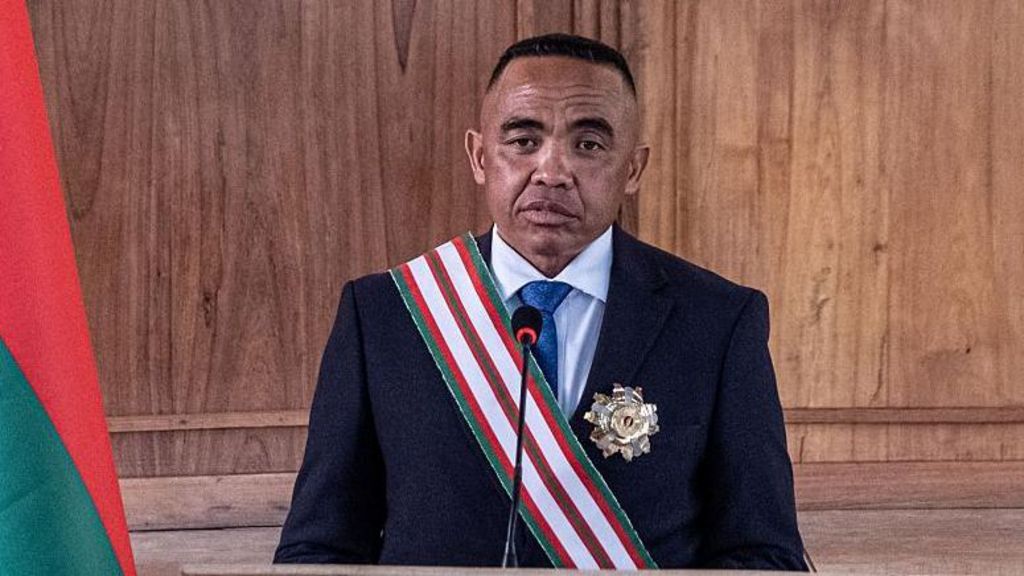
The uncovered plot unfolds against a volatile political backdrop in Madagascar. Last September, the Indian Ocean island nation saw weeks of mass youth-led protests that ultimately toppled long-serving president Andry Rajoelina. The coup was led by Colonel Michael Randrianirina, who was formally sworn in as the country’s new head of state in October 2025. Since the leadership transition, however, a rift has emerged between Randrianirina and many of the young activists who spearheaded the original protests, with the youth organizers accusing Randrianirina of hijacking their popular rebellion for personal power.
A former French colony that gained independence in 1960, Madagascar has long maintained close political and economic ties with France, but has also faced repeated cycles of political instability and leadership turnover over the decades of post-independence rule. The current confrontation marks the most significant diplomatic rift between the two nations in recent years, as Randrianirina’s new administration works to consolidate its control amid lingering domestic opposition.