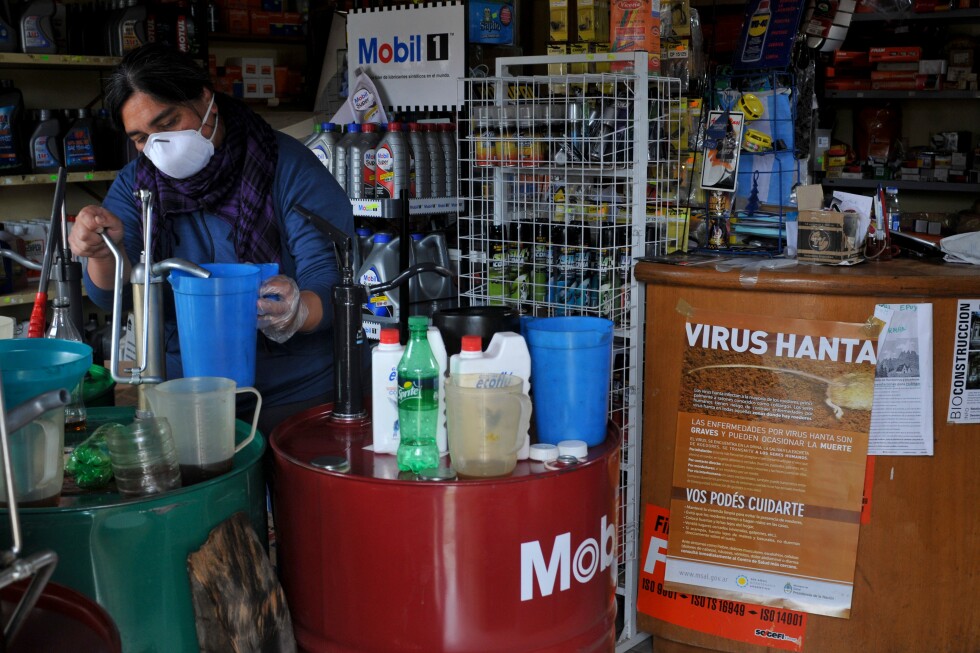
A rare rodent-borne hantavirus outbreak is suspected to have occurred aboard an Atlantic cruise ship, leaving three people dead and multiple others ill, international health authorities confirmed recently. As investigations into the source and spread of the outbreak continue, public health officials are reminding communities of the core risks and prevention measures for this little-understood pathogen.
Hantaviruses have circulated among animal populations for centuries, with early recorded outbreaks documented across Asia and Europe. In the Eastern Hemisphere, the virus is most commonly associated with hemorrhagic fever with renal syndrome, a condition marked by kidney failure and internal bleeding. It was not until the early 1990s that a new strain of hantavirus was identified in the southwestern United States, where it causes a severe respiratory illness now named hantavirus pulmonary syndrome.
This virus re-entered public focus last year following the death of Betsy Arakawa, wife of the late legendary actor Gene Hackman, who contracted a hantavirus infection in New Mexico.
In a formal statement released Sunday, the World Health Organization confirmed that comprehensive investigations into the cruise ship outbreak are still ongoing. The process includes expanded laboratory testing, full epidemiological tracing to identify the origin of the infection, and ongoing genetic sequencing of the virus to confirm its strain.
As a zoonotic disease, hantavirus is primarily transmitted to humans through direct contact with rodents, or contact with their urine, saliva, and feces. The highest infection risk occurs when infected organic material is disturbed, releasing viral particles into the air that people can inhale. Most human exposures occur in enclosed, low-ventilation spaces such as rural cabins, outbuildings, or infrequently cleaned homes where rodent populations have established nests. While extremely rare, the WHO confirms that limited person-to-person transmission of hantavirus has been documented in past outbreaks.
The U.S. Centers for Disease Control and Prevention established formal national tracking for hantavirus after a major 1993 outbreak in the Four Corners region, the intersection of Arizona, Colorado, New Mexico and Utah. The outbreak was first identified by a sharp Indian Health Service physician who noticed an unusual cluster of unexplained deaths among otherwise healthy young patients, a pattern that had gone unrecognized by larger health systems at the time.
Today, most confirmed hantavirus cases in the U.S. are concentrated in Western states, with New Mexico and Arizona longstanding hotspots for infection. Michelle Harkins, a pulmonologist at the University of New Mexico Health Sciences Center who has spent decades researching hantavirus and treating infected patients, explains the higher case rate is tied to increased interactions between humans and wild rodent populations in rural areas of these states.
Early hantavirus infection presents with generic flu-like symptoms, including fever, chills, muscle aches and headaches, making early diagnosis extremely difficult. “Early in the illness, you really may not be able to tell the difference between hantavirus and having the flu,” explained Dr. Sonja Bartolome, an infectious disease specialist at UT Southwestern Medical Center in Dallas.
Symptoms of hantavirus pulmonary syndrome typically develop between one and eight weeks after exposure to an infected rodent. As the infection progresses, it causes fluid to build up in the lungs, leading to severe chest tightness and respiratory failure. The alternate form of the disease, hemorrhagic fever with renal syndrome, develops much more quickly, with symptoms appearing within one to two weeks of exposure.
Mortality rates for hantavirus infection vary widely based on the strain. According to CDC data, hantavirus pulmonary syndrome kills approximately 35% of all people it infects, while hemorrhagic fever with renal syndrome has a mortality rate ranging between 1% and 15%.
Decades of research have yet to resolve many critical questions about hantavirus, and no targeted antiviral treatment or cure currently exists for infection. Even so, experts emphasize that early supportive medical care significantly improves a patient’s chance of survival. Harkins notes that core gaps in knowledge remain, including why the virus causes mild, asymptomatic infection in some people and life-threatening illness in others, as well as how the human body develops protective antibodies after exposure. She and her team have conducted long-term cohort studies of recovered patients to uncover insights that could lead to new treatments. “A lot of mysteries,” Harkins said, adding that the one clear takeaway from existing research is that limiting exposure to rodents is the single most effective way to prevent infection.
Public health officials advise that the core prevention step is to minimize contact with rodents and their waste. When cleaning up areas with rodent droppings, people must wear disposable protective gloves and use a bleach solution to decontaminate surfaces. Experts strongly warn against sweeping or vacuuming droppings, as these actions stir viral particles into the air, drastically increasing inhalation risk.