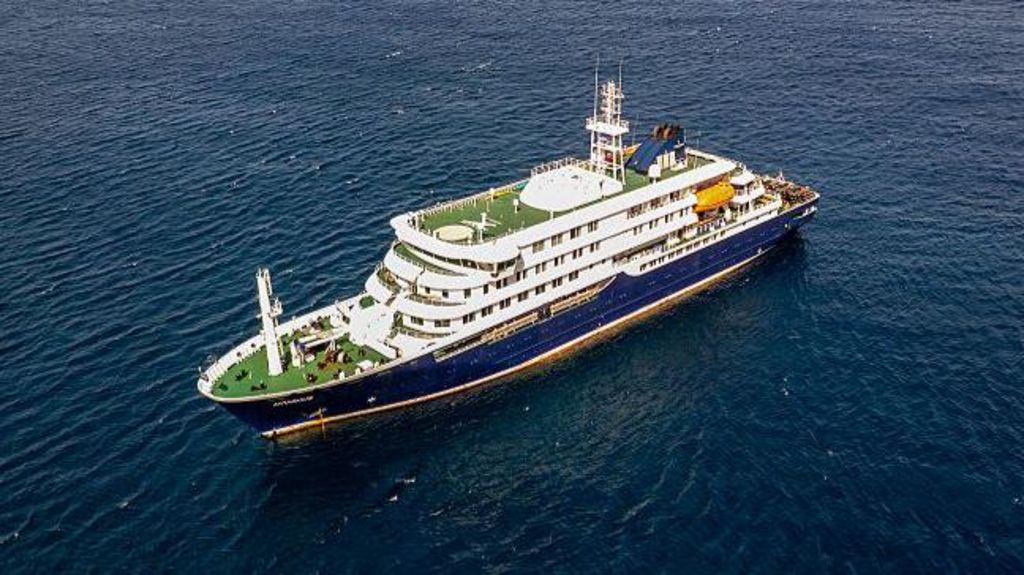
A suspected hantavirus outbreak on an Atlantic Ocean cruise ship has left three people dead, the World Health Organization (WHO) has confirmed. Of the six reported cases linked to the incident, one has received formal laboratory confirmation, while the remaining five are still being examined as part of ongoing investigations.
The outbreak unfolded aboard the MV Hondius, a cruise vessel operating on a voyage from Argentina to the West African island nation of Cape Verde. WHO spokespeople told the BBC that detailed epidemiological inquiries, including additional rounds of laboratory testing, are still underway to clarify the full scope of the transmission event.
To contextualize the public health risk, hantaviruses are a family of pathogens naturally hosted by rodent populations. The United States Centers for Disease Control and Prevention (CDC) explains that most human infections occur when people inhale aerosolized particles contaminated with virus from dried rodent urine, droppings, or saliva. Rare secondary transmission routes include bites or scratches from infected rodents.
Infection with hantavirus can progress to one of two life-threatening syndromes. The first, Hantavirus Pulmonary Syndrome (HPS), begins with non-specific early symptoms including fatigue, elevated body temperature, and muscle pain, often followed by headaches, chills, dizziness, and gastrointestinal discomfort. Once the virus progresses to attack the respiratory system, CDC data places the mortality rate at roughly 38%.
The second, more severe form of disease is Hemorrhagic Fever with Renal Syndrome (HFRS), which primarily targets kidney function. Advanced cases can lead to dangerously low blood pressure, internal bleeding, and acute kidney failure. Data from the U.S. National Institutes of Health estimates 150,000 new cases of HFRS are recorded globally each year, with the vast majority concentrated in Europe and Asia; over half of all annual cases occur in China. In the United States, where systematic hantavirus surveillance launched in 1993, just 890 confirmed cases were reported across the 30-year period ending in 2023. Still, one globally distributed common strain, Seoul virus, carried by widespread brown (Norway) rat populations, is present across the United States and most other regions of the world.
Unlike many viral pathogens, no targeted antiviral treatment or vaccine exists for hantavirus infection. Current clinical guidance from the CDC centers on supportive care tailored to a patient’s symptoms: this may include supplemental oxygen therapy, mechanical respiratory support, antiviral drugs, and kidney dialysis for patients experiencing renal failure. Severe cases require admission to hospital intensive care units, with many critically ill patients needing intubation to support breathing.
Public health officials emphasize that prevention focuses entirely on eliminating human contact with rodent populations. Core recommendations include sealing structural gaps in basements and attics that allow rodents to enter residential buildings, and wearing properly fitted protective equipment when cleaning up areas with rodent droppings to avoid inhaling contaminated dust.
This cruise ship outbreak marks the second high-profile hantavirus death recorded this year. In February 2025, Betsy Arakawa, wife of Oscar-winning American actor Gene Hackman, died from a respiratory illness caused by HPS, the most common strain of hantavirus in the U.S. Investigators found rodent nests and dead rodent specimens in outbuildings on Arakawa’s property, where she had been staying before her death. Police documents show Arakawa searched online for information comparing flu and COVID-19 symptoms in the days before her death, highlighting the challenge of distinguishing hantavirus’s early non-specific symptoms from more common respiratory illnesses.