标签: Africa

非洲

  • Changing geopolitics are in focus as France’s Macron kicks off Kenya visit for an Africa summit

    Changing geopolitics are in focus as France’s Macron kicks off Kenya visit for an Africa summit

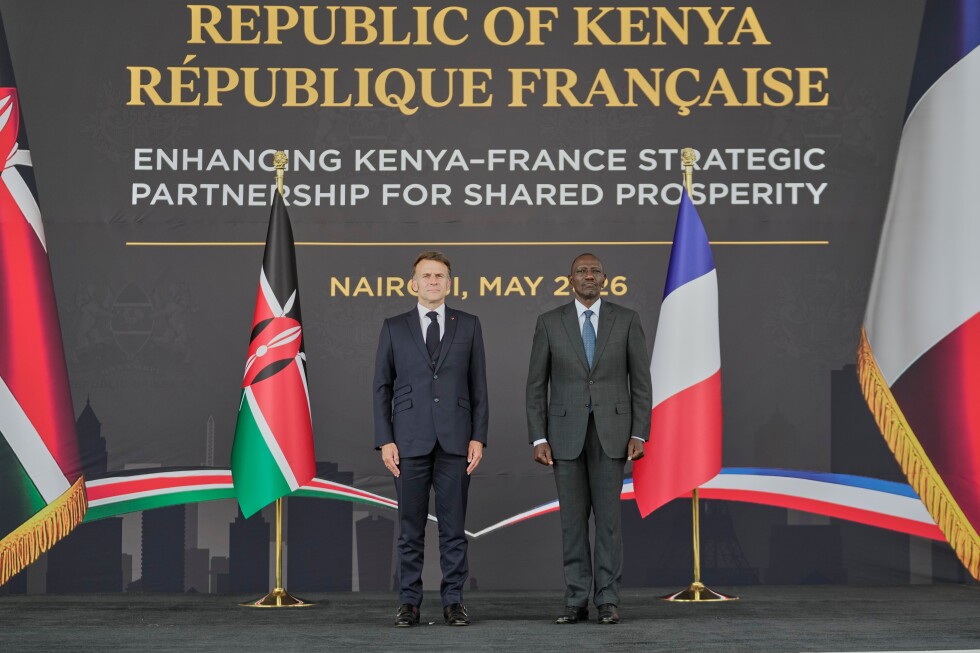
    On a Sunday morning in Nairobi, Kenya, French President Emmanuel Macron touched down to kick off a high-stakes diplomatic visit, setting the stage for the first-ever Africa Forward Summit — a landmark event designed to introduce France’s long-teased revised policy approach to the African continent. After decades of criticism over its colonial-era paternalistic influence across the region, Paris is positioning this summit as a formal break from the past, rebranding its relationship with African nations as one between equal partners rather than a dominant power and subordinate states.

    The 2024 summit carries historic weight: it marks the first time this kind of major France-led African diplomatic gathering has been hosted in an Anglophone nation, a deliberate shift that comes on the heels of France’s full withdrawal of all military troops from West Africa completed in 2023, a move that followed years of steadily waning French political and military influence across the Sahel region. Analysts and African leaders alike are closely watching the summit to see how Macron will frame this exit and what commitments France will make to its revised vision for the continent.

    For nearly 60 years after most former French African colonies gained independence, Paris maintained a system of economic, political, and military dominance across the region known colloquially as Françafrique. This system included the permanent stationing of thousands of French troops across multiple West and Central African states, a policy that drew repeated backlash from sitting African leaders and opposition figures alike. Critics across the continent have long decried Françafrique as demeaning and overly heavy-handed, arguing that it undermined African sovereignty and perpetuated neocolonial power structures.

    Kenyan President William Ruto, Macron’s host for the summit, has framed the gathering as a potential turning point for Franco-African relations. Speaking ahead of the two-day event, which is scheduled to begin Monday and expects to welcome 30 sitting heads of state from across the continent, Ruto noted that both he and Macron share the goal of building a more equitable collaborative partnership.

    Addressing shifting global geopolitical dynamics, Macron struck a conciliatory tone, acknowledging that while France may hold policy disagreements with some West African governments, it maintains unwavering respect for African populations. Ruto, for his part, pushed back against narratives that Kenya is aligning with either Western or Eastern power blocs, stating that Nairobi’s diplomatic priority is pursuing progressive, mutually beneficial relationships with all global partners, regardless of geographic or ideological orientation.

    Not all reaction to the summit and its Kenyan host venue has been positive, however. Kalonzo Musyoka, leader of Kenya’s main opposition bloc, has publicly condemned the decision to host the gathering in Nairobi. He argued that the country currently faces a deepening democratic crisis ahead of the 2027 national general election, noting what he calls escalating attacks on opposition voices, widespread human rights violations, and deep political divisions that undermine any claim of national cohesion. “There will be an air of pretense that we are a cohesive nation,” Musyoka said, adding “We know that is far from the truth.”

    On the first day of Macron’s visit, Kenya and France signed 11 new bilateral agreements covering cross-sector investment partnerships. Key projects include an ambitious new nuclear energy facility, upgrades to national transport infrastructure, and expanded investment in sustainable agricultural development. Macron emphasized that these investments are aligned with the summit’s core focus: supporting innovation across the continent and investing in Africa’s rapidly growing young population by strengthening human capital.
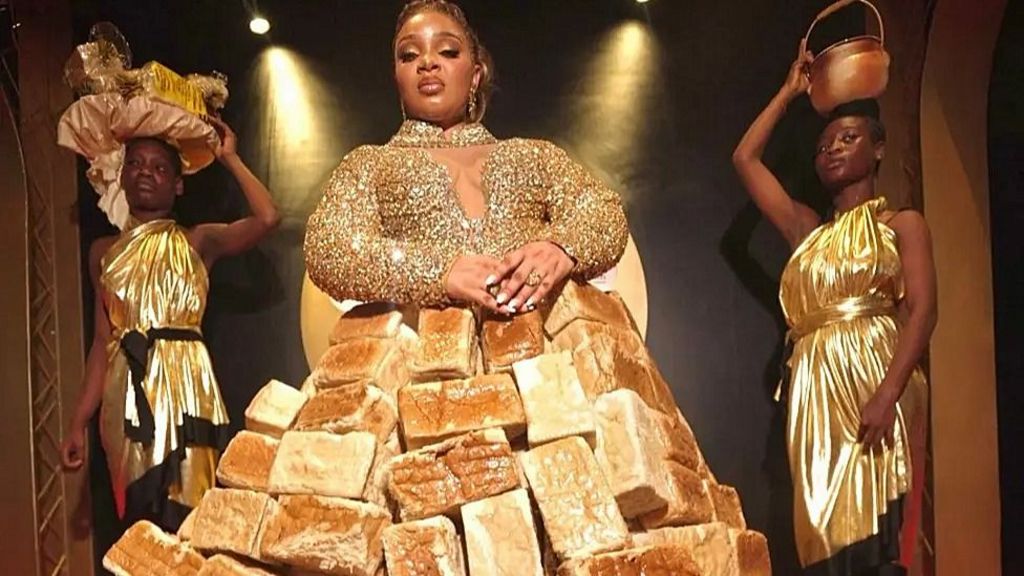

  • Bread dresses and gowns inspired by cathedrals at Nigeria fashion spectacle

    Bread dresses and gowns inspired by cathedrals at Nigeria fashion spectacle

    Widely hailed as Africa’s most prestigious red-carpet gathering for film and fashion, the 12th edition of the Africa Magic Viewers’ Choice Awards (AMVCA) touched down in Lagos, Nigeria, last weekend, turning a traditional awards ceremony into a global showcase of African creative excellence. Hosted at the iconic Eko Hotel and Suites, the annual event balances two core missions: honoring standout achievements in African film, television, and digital storytelling, while giving creators and celebrities a high-profile platform to test boundary-pushing fashion designs that spark conversation across the continent. This year, the red carpet leaned into unapologetic, over-the-top creativity, with many stars bringing large entourages to help navigate crowds of photographers and screaming fans while maneuvering oversized, elaborate ensembles.

    One of the most viral looks of the night came from reality TV personality Queen Mercy Atang, who turned heads in a custom gown crafted entirely from more than 500 loaves of bread. Flanked by two attendants carrying additional bread trays and a team of assistants to support the heavy outfit as she walked the carpet, Atang admitted the design left her barely able to move freely — but explained the look was a deliberate marketing move for her own bread-baking business, not just a stunt for attention. “What better stage to promote my brand than the AMVCA?” she told reporters. The design, created by renowned Nigerian designer Toyin Lawani of Tiannah’s Empire, launched a new trend Lawani termed “everyone wear your business,” and quickly dominated social media discussion around the event. While some fans praised the clever entrepreneurial branding, others criticized the design as a waste of food — a claim Atang quickly rejected.

    Ghanaian fashion icon Nana Akua Addo, long known for her dramatic AMVCA appearances, delivered another showstopping moment with a structured silver gown inspired by Germany’s Cologne Cathedral. The architectural design featured hand-painted details mimicking cathedral windows, sweeping cathedral-shaped extensions, and coordinated silver accessories, with Addo’s team on hand to help carry the largest sections of the piece. Designer Abasswoman revealed the creative process began back in November 2025, with final touches completed just 48 hours before the ceremony, built to mirror the centuries-old landmark’s grandeur and meticulous craftsmanship.

    Nigerian actress Uche Montana, who also took home the night’s Trailblazer Award — an honor recognizing rising talents making unique contributions to African entertainment — arrived in a fiery red-and-gold feathered ensemble designed to symbolize “fire and the rebirth of the phoenix.” Montana shared that the look had been in development since the start of 2026, and that she invested a significant personal sum to bring the vision to life, pushing back against the common misconception that all celebrity red-carpet looks are provided for free by brands. “So much financial and emotional work goes into creating these looks,” she explained.

    Beyond the red carpet spectacle, the night delivered emotional and historic moments that celebrated the very best of African storytelling. Bucci Franklin earned the award for Best Supporting Actor for his turn as Oboz, a brash, unapologetically loyal cybercrime boss in the feature *To Kill a Monkey*, a role deeply rooted in the street culture of Nigeria’s Benin region. To prepare for the part, Franklin immersed himself in local influencers, music, and dialect, a commitment that earned widespread praise from audiences for its raw realism. In a moving acceptance speech, Franklin dedicated the win to his mother, who passed away just one week before the film’s premiere. *To Kill a Monkey* also took home the award for Best Cinematography.

    Linda Ejiofor made AMVCA history as the first performer ever to win two of the ceremony’s biggest acting awards in a single night: Best Lead Actress for *The Serpent’s Gift* and Best Supporting Actress for *The Herd*. The star told reporters she had only dared to hope for one win, but her husband had predicted the double victory ahead of the ceremony. She also thanked her mother, who worked with her to refine her Igbo language delivery for her roles until she felt fully confident in the performances.

    The critically acclaimed drama *My Father’s Shadow* capped its historic awards run by taking home three of the night’s top honors: Best Movie, Best Director, and Best Writing, for filmmaker Akinola Davies Jr. The project, which explores themes of paternal love, estrangement, and grief, made history earlier this year as the first Nigerian film ever selected for the official lineup at the Cannes Film Festival, and has already screened in theaters across Nigeria and the United Kingdom. It beat out fan favorites including *The Herd*, *The Serpent’s Gift*, and *Gingerrr* to claim the top prize.

    Additional acting honors went to Uzor Arukwe, who took home Best Lead Actor for *Colours of Fire*, while industry veterans Sola Sobowale and Kanayo O. Kanayo received Lifetime Achievement Awards for their decades-long contributions to Nollywood. Kanayo O. Kanayo leaned into his iconic on-screen persona as a stylish, powerful godfather for his red-carpet look, describing the tailored ensemble as a celebration of “old money godfatherism and tailored mafia” style, styled by Prinz Innovation.

    Many stars used the red carpet to celebrate African cultural heritage, with Nollywood favorite Stan Nze — known for his work centering Igbo culture — stepping out in a sleek black ensemble paired with his signature traditional engraved horse-hide hand fan. Reality star and actor Tobi Bakre channeled Yoruba royalty in a handcrafted agbada by designers Deji and Kola, paired with a custom brass ceremonial staff. Actress and producer Monica Friday used her look to make a political statement, wearing a purple ball gown embroidered with the flags of seven nations including Iran, which she described as a tribute to conflict zones around the world and a call for global peace.

    Even without an official best-dressed category this year, fan favorite Osas Ighodaro — a multiple-time winner of the award — delivered one of the most anticipated looks of the night, stepping out in a flowing silver corset gown by Veekee James encrusted with hundreds of crystals and gemstones. Emerging creators from across the continent also brought bold creativity to the red carpet: Angolan actress Lesliana Pereira wowed in a floor-length black gown featuring a half-butterfly wing embellished with shimmering gold and silver stones, while reality star OJ Posharella showcased her own design work in a multi-layered colorful look paired with an oversized statement bow perched on her head.

    As the 12th AMVCA draws to a close, the event once again solidified its reputation as Africa’s leading cultural gathering, highlighting both the growing global influence of Nollywood and the unmatched creativity of African fashion designers.

  • Hantavirus-stricken cruise ship arrives at Tenerife in Spain’s Canary Islands

    Hantavirus-stricken cruise ship arrives at Tenerife in Spain’s Canary Islands

    TENERIFE, Spain — A cruise ship impacted by a hantavirus outbreak, carrying over 140 passengers and crew members, has safely reached the port of Tenerife, the largest island in Spain’s Canary Islands archipelago located off the western coast of Africa. Preparations are now underway for a controlled disembarkation process for passengers and a portion of the vessel’s crew.

    According to joint statements from the World Health Organization (WHO), Spanish national and local health authorities, and the ship’s operator Oceanwide Expeditions, none of the people currently remaining on board the MV Hondius are exhibiting any clinical signs of hantavirus infection at this time. The outbreak has already claimed three lives, and five former passengers who departed the vessel at an earlier stage of the journey have tested positive for the pathogen, which is known to cause severe, potentially fatal respiratory or renal illness in humans.

    High-level officials including WHO Director-General Tedros Adhanom Ghebreyesus, alongside Spain’s Minister of Health and Minister of the Interior, were on site to oversee the coordinated evacuation operation. Spanish authorities have emphasized strict biosecurity protocols to prevent community spread: all disembarking passengers and crew will remain completely isolated from the local Tenerife population at all times. No one will be allowed to leave the ship until chartered evacuation flights are fully prepared to transport each individual directly back to their home countries.

  • Rwanda-backed rebels accuse the US of falling short as a peace mediator in Congo’s conflict

    Rwanda-backed rebels accuse the US of falling short as a peace mediator in Congo’s conflict

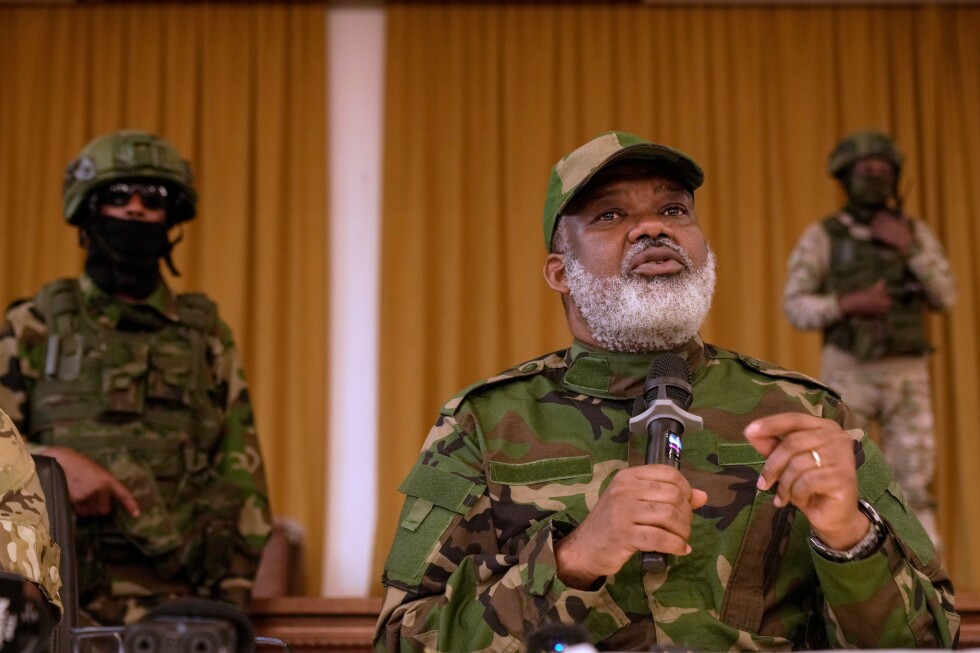
    In a scathing rebuke of Washington’s role as a peace broker in the Democratic Republic of the Congo, a coalition of Congolese rebels led by the Congo River Alliance has accused the Trump administration of failing to uphold impartial mediation amid ongoing bloodshed in the country’s mineral-rich eastern region. The open criticism, delivered via a formal letter addressed to U.S. Secretary of State Marco Rubio and obtained by the Associated Press on Saturday, comes months after a high-profile U.S.-brokered peace agreement between the DRC and neighboring Rwanda, a deal the Trump administration has repeatedly touted as a landmark diplomatic success.

    The 2024 accord, hailed by then-U.S. President Donald Trump after negotiations with Congolese President Felix Tshisekedi and Rwandan President Paul Kagame, was designed not only to end decades of cyclic conflict in eastern Congo but also to lay the groundwork for a trilateral economic partnership that would open the region’s untapped rare earth mineral reserves to American government access and private sector investment. Despite Trump’s repeated claims of a diplomatic win, active hostilities have continued unabated across eastern Congo, with armed factions and government forces trading blame for repeated violations of the ceasefire terms.

    The rebel coalition, which includes the Rwanda-backed M23 movement — the most powerful armed group operating in eastern Congo — argues that Washington has consistently turned a blind eye to alleged peace commitment violations by the Tshisekedi administration in Kinshasa, while disproportionately targeting opponents of the Congolese government and Rwandan entities with punitive sanctions. Last week, the U.S. imposed new sanctions on former Congolese President Joseph Kabila, accusing him of funding and supporting rebel activities; earlier this year, Washington also blacklisted Rwanda’s military and four senior Rwandan officials over their documented support for M23. The letter charges that no comparable punitive measures or even public warnings have been issued against Tshisekedi’s government for its own breaches of the peace deal.

    “Your administration has neither imposed any sanctions nor issued even a simple warning to the leaders in Kinshasa, whose intransigent and arrogant attitude calls into question the impartiality and neutrality of the American Facilitator/Mediator,” the letter reads. It adds that the lack of consistent corrective action undermines confidence in U.S. mediation, noting that “the absence of clearly identifiable corrective measures fuels questions regarding the facilitation’s ability to preserve, over time, the requirements of impartiality and neutrality that are essential to its credibility.”

    Long-standing instability has plagued eastern Congo for generations, driven in large part by competition over control of the region’s vast deposits of critical minerals that underpin global technology and clean energy supply chains. More than 100 armed factions operate in the area, with M23 emerging as the most militarily capable. U.N. estimates show the group has grown from just a few hundred fighters in 2021 to roughly 6,500 today, a rapid expansion that the DRC government, U.S., and United Nations experts attribute to ongoing military support from Rwanda — a claim Rwanda has repeatedly denied. M23 launched a major offensive across eastern Congo in early 2024, seizing the regional capital Goma and other key population centers before the U.S.-brokered deal was reached.

    Independent regional conflict experts agree that while U.S. mediation reduced cross-border tensions between the DRC and Rwanda, it has failed to curb the escalating ground conflict. “While U.S. mediation has helped cool regional tension it has not stopped the escalating fighting on the ground,” Kristof Titeca, a University of Antwerp professor specializing in Central African governance and conflict, told the AP. The rebel letter’s public criticism adds new pressure on the Trump administration’s diplomatic efforts in the Great Lakes region, at a time when Washington is pushing to advance American economic interests in the region’s critical mineral sector. The Associated Press contributed reporting from Bonn, Germany, for this story.

  • ‘Ghost of the forest’ returns to Kenya as conservationists reintroduce rare antelope into the wild

    ‘Ghost of the forest’ returns to Kenya as conservationists reintroduce rare antelope into the wild

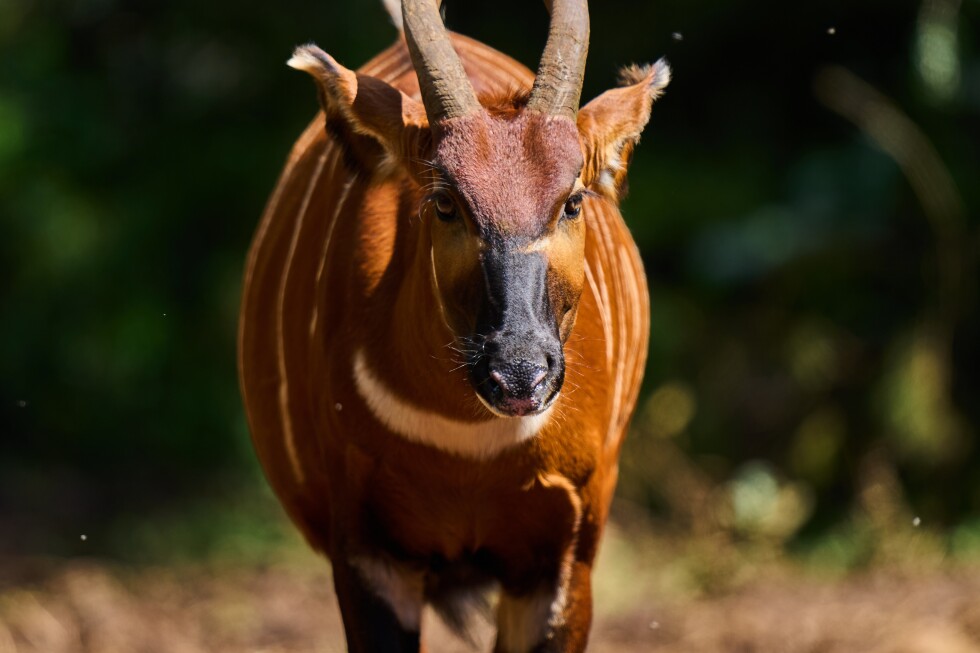
    Deep within the dense, mist-shrouded forests of Kenya, an elusive creature once known only as the “ghost of the forest” is one step closer to making a lasting comeback. The mountain bongo, a rare striped antelope unique to East Africa’s highland woodlands, has teetered on the edge of extinction for decades, but a dedicated team of Kenyan conservationists is working to reverse its decline through a carefully managed captive breeding and rewilding initiative.

    Characterized by its rich chestnut-brown coat, distinct vertical white stripes, and spiraled horns, the mountain bongo is a master of camouflage, able to disappear into thick undergrowth in seconds. This shy nature helped it evade predators for centuries, but it could not escape the dual threats of disease outbreak and habitat loss that collapsed its wild population by the late 20th century. Today, fewer than 100 mountain bongos remain in undisturbed wild habitats across Kenya, making the conservation program at the 1,250-acre Mount Kenya Wildlife Conservancy—perched on the forested slopes of Mount Kenya near Nanyuki—one of the most critical endangered species recovery efforts on the African continent.

    Last week, the initiative gained a major boost with the arrival of four new male bongos, imported from the European Association of Zoos and Aquaria via the Czech Republic. The new arrivals are currently undergoing strict quarantine and round-the-clock veterinary monitoring, before they are integrated into the conservancy’s existing breeding population. Their addition is intentional: the conservancy’s existing herd traces its roots to 18 bongos imported from the United States in 2004, and introducing new genetic lines will eliminate the risk of harmful inbreeding, a common threat to small captive populations of endangered animals.

    Dr. Robert Aruho, head of the Mount Kenya Wildlife Conservancy, emphasized that genetic diversity is as important as overall population size for long-term survival. “We want bongos that are not only strong in body, but strong in the genes they pass to the next generation,” he explained. This focus on genetic health builds on a recovery plan that stretches back to the 1980s, when conservationist Don Hunt made the controversial decision to export 36 wild mountain bongos to U.S. zoos as an “insurance population” after disease outbreaks in the 1960s had killed thousands of individuals in Kenya. That proactive move saved the species from total extinction, creating a global captive population that could be used to rebuild wild herds once habitat conditions improved. When the conservancy launched its formal program in 2004, it received the first 18 descendants of those original exported bongos, growing the captive herd to 102 individuals today. The long-term goal is bold: establish a sustainable wild population of 750 mountain bongos across their native range by 2050.

    Before any bongo is released into the wild, the conservancy’s team puts each candidate through months of rigorous training and monitoring to prepare it for life outside human care. Captive-bred bongos must learn to forage for their own food, recognize and escape native predators, and build natural immunity to wild diseases—skills their wild ancestors knew instinctively. Program officials also prioritize shyer, more elusive individuals for release: more docile bongos are far more likely to fall prey to leopards and other predators in the open forest.

    That preparation is already paying off. In 2022, the conservancy made history by releasing the first 10 bongos into the Mount Kenya Forest, the first time the species had roamed its native slopes here since the last confirmed wild sighting in 1994. Today, those released bongos thrive among the orange climber vines and dense shrubs they prefer, and the program celebrated a major milestone last year with the birth of the fourth wild bongo calf on conservancy-managed protected land. For the team, that calf’s birth was more than a win for the bongo—it was proof that rewilding works.

    Beyond its importance for the species itself, the recovery of the mountain bongo is deeply tied to Kenya’s environmental health. The antelope is native to four key Kenyan forest ecosystems: Mount Kenya, Aberdare, Eburu, and Mau, all of which are critical sources of the country’s fresh water supply. Protecting habitat for the bongo also safeguards these vital watersheds that support millions of Kenyans. The project has also changed local perspectives on the rare antelope: for Caroline Makena, a gardener at the conservancy who grew up in the Mount Kenya region, she only heard stories of bongos as a traditional source of bush meat from her grandmother, until she saw the animals in person at the conservancy. “I never knew the bongos were this beautiful, and I think my community loved them not just for the meat but because of their beauty,” she said.

    Challenges remain: mountain bongos have a nine-month gestation period, which slows population growth, and the species is far more sensitive to changes in vegetation and weather than other antelope species that share its ecosystem. The conservancy team continues to supplement the diet of released and captive bongos with nutrient-dense pellets to support their health. But for conservationists, local community members, and the thousands of tourists who visit the conservancy each year to catch a glimpse of the “ghost of the forest,” the slow progress offers hope: a species once written off can return to its native home, if humans act proactively to save it.

  • WHO head will oversee evacuation of passengers, crew from hantavirus-stricken cruise ship

    WHO head will oversee evacuation of passengers, crew from hantavirus-stricken cruise ship

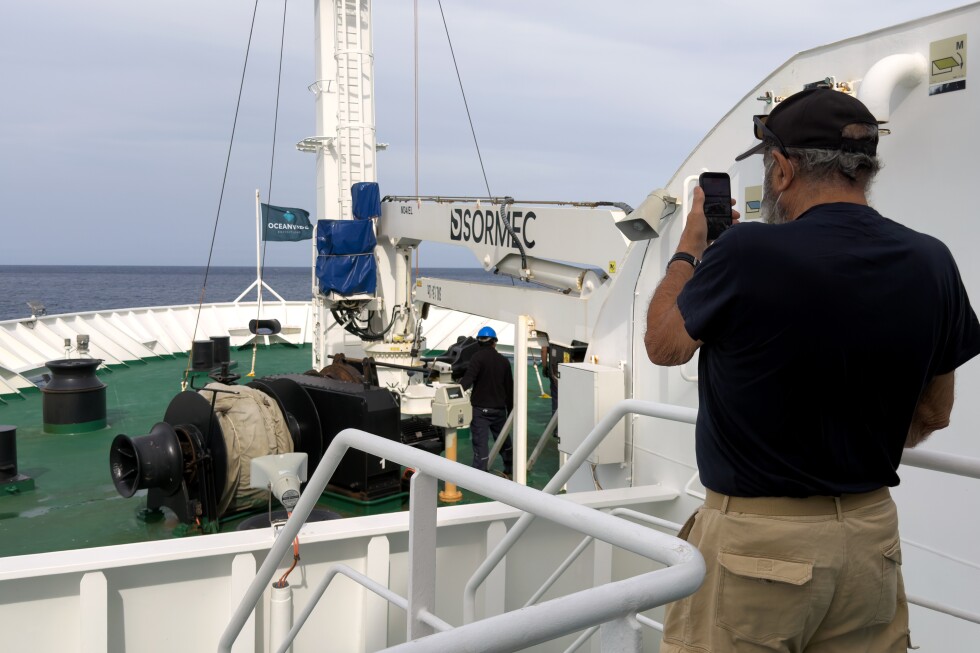
    In a coordinated global response to an unprecedented hantavirus outbreak on a Dutch-flagged Antarctic cruise ship, World Health Organization Director-General Tedros Adhanom Ghebreyesus arrived in Spain on Saturday to lead the safe evacuation of more than 140 passengers and crew currently aboard the MV Hondius. The vessel, which has been linked to three fatalities and five confirmed infections among passengers who previously disembarked, is scheduled to dock off the coast of the Canary Islands’ Tenerife in the early hours of Sunday.

    Tedros is set to travel to Tenerife alongside Spain’s top health and interior officials to oversee the disembarkation process, which has been planned in close consultation with European public health agencies. In a public post on X, the WHO chief confirmed that no one currently aboard the vessel has developed observable hantavirus symptoms, adding that the organization remains committed to active monitoring, cross-border coordination, and transparent updates for both member states and the general public. “So far, the risk for the population of Canary Islands and globally remains low,” he emphasized.

    Spain’s activation of the EU Civil Protection Mechanism has put a specially equipped medical evacuation plane, designed to handle high-consequence infectious diseases, on standby for the operation. Per a letter from Dutch foreign and health ministers to the Dutch parliament, if any passenger or crew member falls ill during or after disembarkation, the aircraft will transport the affected person to specialized care on the European mainland immediately. Once they leave the ship, all people on board will be moved to a fully isolated, cordoned-off quarantine area to prevent potential spread. After medical screening, asymptomatic non-Dutch nationals will be repatriated by their home countries – both the U.S. and U.K. have already confirmed they will deploy charter flights to retrieve their citizens. Asymptomatic Dutch passengers and crew will complete a six-week home quarantine under continuous monitoring by local Dutch health services, and the Netherlands has offered temporary quarantine accommodation for other nationalities if needed, given the vessel’s Dutch registration.

    The outbreak has triggered a massive global contact tracing effort spanning four continents, as public health officials work to track more than two dozen passengers who left the MV Hondius before the hantavirus infection was officially confirmed. The first passenger death on the ship occurred on April 24, but health authorities only formally confirmed hantavirus in a passenger sample on May 2 – a two-week gap that left more than 20 passengers from 12 countries disembark at various ports without proper contact tracing protocols.

    One notable case that sparked global public concern involved a KLM flight attendant who fell ill after sharing a flight with an infected cruise passenger. The passenger, a Dutch woman whose husband had died from the virus on the ship, was too sick to complete her April 25 flight from Johannesburg to Amsterdam and was taken off the plane in Johannesburg, where she later died. On Friday, the WHO announced the flight attendant had tested negative for hantavirus, a result that WHO spokesman Christian Lindmeier said should ease unfounded public fears. “The risk remains absolutely low. This is not a new COVID,” Lindmeier noted.

    As of Friday, public health agencies have reported new suspected cases in two locations. U.K. health authorities confirmed a third British former passenger is suspected of having hantavirus, currently located on the remote British overseas territory of Tristan da Cunha, where the cruise ship stopped in April. No update has been released on the individual’s condition. In Spain, a woman in the southeastern province of Alicante who shared a flight with the deceased Dutch infected passenger is currently being tested for the virus after developing symptoms consistent with hantavirus infection.

    Two British former passengers have already tested positive for the virus: one is hospitalized in the Netherlands, and the second is receiving care in South Africa. South African health officials are currently tracing all contacts of passengers who disembarked in the country, with a particular focus on passengers who took an April 25 flight from St. Helena to Johannesburg. U.S. state health authorities are also monitoring a small number of U.S. residents who were passengers on the cruise and have already returned home; none have developed symptoms to date.

    Hantavirus, the pathogen at the center of the outbreak, is most commonly transmitted to humans through inhalation of air contaminated by rodent droppings, and does not spread easily between people. However, the specific strain detected in this outbreak – Andes virus – has been documented to spread between people in rare cases, prompting heightened precautionary measures from global health authorities. Symptoms of hantavirus typically develop between one and eight weeks after exposure to the virus.

  • Fuel shortages and high prices push adoption of EVs in Africa, led by Ethiopia

    Fuel shortages and high prices push adoption of EVs in Africa, led by Ethiopia

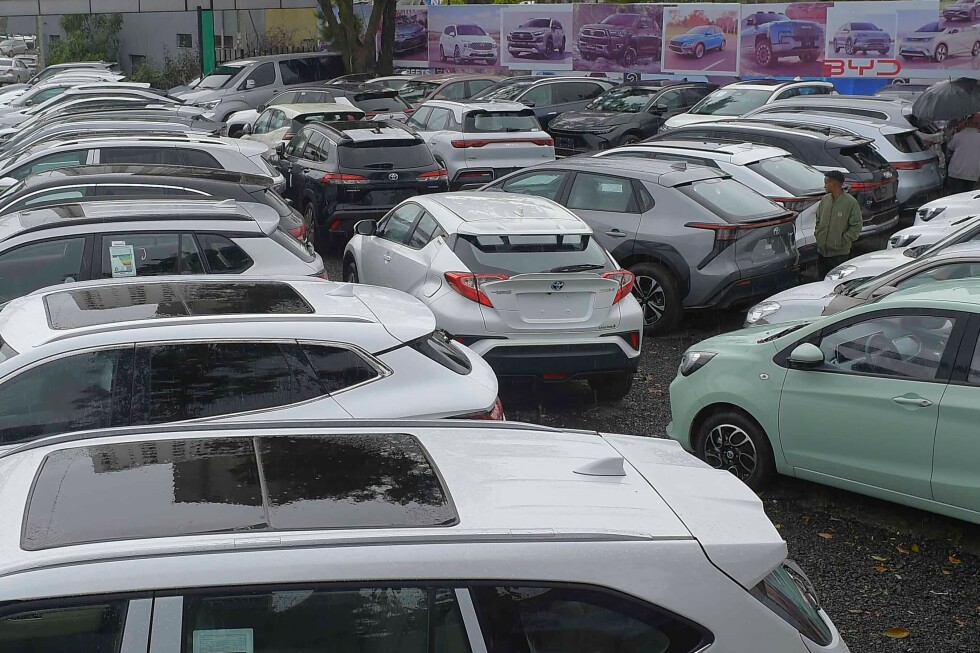
    Across the African continent, electric vehicle adoption is accelerating at an unprecedented rate, driven largely by policy and energy security action in Ethiopia. Severe fuel shortages and skyrocketing global oil prices, worsened by ongoing disruptions tied to the Iran war, have pushed East African nations to accelerate a shift from fossil fuel-powered transport to cleaner, cheaper electric alternatives.

    New data from China’s Ministry of Commerce underscores this rapid growth: total African electric vehicle imports from China jumped to 44,358 units in 2025, more than doubling the 19,386 units imported just one year prior. These shipments carry a total value of over $200 million, with demand concentrated heavily in Ethiopia. In 2024, Addis Ababa implemented a full ban on new imports of gasoline and diesel-powered vehicles, a policy that has reshaped the country’s automotive market. Today, more than 115,000 EVs operate on Ethiopian roads, accounting for roughly 8% of the nation’s entire vehicle fleet. In 2025 alone, Ethiopia accounted for one-third of all African EV imports from China, outpacing major regional markets including South Africa, Egypt, Morocco and Nigeria to claim the top spot.

    The urgency of Ethiopia’s transition stems from deep economic and energy strains. Each year, the country spends roughly $4.2 billion on fossil fuel imports, a burden that has severely drained its limited foreign currency reserves. It also spends up to $128 million monthly on fuel subsidies to cushion consumers from price volatility. The ongoing conflict in Iran has disrupted global oil supplies through the Strait of Hormuz, the strategic waterway that carries roughly one-fifth of all Gulf region oil exports, leaving Ethiopia with a shortfall of more than 180,000 metric tons of fuel annually.

    Faced with these persistent supply shocks, the Ethiopian government has doubled down on its campaign to speed up EV adoption, framing the transition as a critical buffer against external energy market volatility. Industry analysts say the strategy offers clear long-term benefits for the country’s energy sovereignty.

    “From a general perspective, it is sustainable,” explained Hiten Parmar, executive director of The Electric Mission, a South Africa-based e-mobility advocacy organization. “By replacing imported fuel with domestically generated electricity, Ethiopia is strengthening its energy security position.”

    Ethiopia holds a unique advantage in its energy mix that supports a large-scale EV transition: over 90% of its national electricity production comes from renewable sources, primarily hydroelectric and solar power. The Grand Ethiopian Renaissance Dam, the largest hydroelectric project on the continent, is expected to double the country’s total power generation capacity once fully operational, even as the facility has sparked a decade-long transboundary water dispute with downstream neighbors Egypt and Sudan. Parmar notes that this abundant domestic clean energy generation creates a solid foundation for a widespread shift to electrified transport.

    “It allows EVs to be powered by locally produced clean energy, rather than costly imports,” Parmar said. “By gradually adopting EVs, that intensive fuel import expenditure can be reduced and redirected into other critical development needs.”

    This trend is not isolated to Ethiopia. Governments across the African continent are rolling out policy frameworks and investment plans to support EV adoption: Egypt, South Africa and Morocco have all introduced a mix of consumer incentives, manufacturing investment commitments and clean energy buildout to speed their own energy transitions. According to the Africa E-Mobility Alliance, this early transition is already starting to ease regional pressure on global fuel demand.

    “That’s over 100,000 vehicle owners who are no longer directly exposed to pump price shocks,” said Bob Wesonga, policy and investments lead at the alliance. “In the medium to long term, this creates a buffer against global oil volatility.”

    For consumers and operators that have already made the switch, the cost savings are dramatic. “A private EV owner now spends roughly $4 a month on charging compared to about $27 previously spent on fuel,” Wesonga said. “For public transport operators, the difference is even more striking.”

    Despite these clear benefits and rapid growth, the EV transition across Africa faces significant structural barriers, analysts warn. While EV technology itself is already mature, scaling the necessary supporting infrastructure across vast, often rural landscapes remains a major challenge.

    Ethiopia has begun rolling out ultra-fast charging hubs in its capital Addis Ababa, but expanding this network to every region will require billions in new investment and years of construction. “The biggest hurdle is the last-mile power distribution,” Wesonga explained. “While Ethiopia has a surplus of generation, getting that power reliably to where it’s needed, especially outside Addis Ababa, remains a challenge.”

    Frequent power outages and administrative delays in connecting high-capacity charging stations have slowed infrastructure construction, even as consumer demand for EVs continues to climb. Today, most charging infrastructure remains heavily concentrated in the capital and along a small number of major intercity transport corridors, limiting widespread EV use outside of urban centers and creating a bottleneck for future growth.

    Ethiopia is attempting to address another major barrier, affordability, by building out domestic EV assembly capacity. Official data shows 17 EV assembly plants are already in the national pipeline, with plans to grow that number to 60 by 2030. The strategy is designed to localize production, cut vehicle costs and make EVs accessible to more consumers.

    Even so, affordability remains a major constraint for most households. While operating costs for EVs are far lower than fossil fuel vehicles, upfront purchase prices remain well out of reach for the majority of the population, relative to average national incomes. At the same time, the ban on new fossil fuel vehicle imports has pushed up prices for used combustion engine vehicles, creating additional financial barriers for low-income households looking to purchase any form of private transport.

    Parmar notes that this dynamic could create unintended social consequences if the transition is not carefully managed to protect vulnerable groups. “A national fleet transition is always gradual,” he said. “Existing combustion vehicles will remain in use for some time, and the transition needs to account for livelihoods tied to that system.”

    Even with these near-term challenges, both analysts agree the long-term trajectory of EV adoption across Africa is irreversible. Over time, lower operating and maintenance costs for EVs are expected to bring down overall transport costs, reduce the price of consumer goods and expand access to economic opportunity for millions across the continent. Ethiopia is already drawing lessons from leading EV markets such as China and Norway, where targeted policy support, large-scale infrastructure investment and consumer incentives have driven rapid mass adoption.

    “This is not just about transport,” Wesonga said. “It’s about reshaping how the country uses energy, and who benefits from that shift.”

  • Botswana mourns death of Festus Mogae, the former president who prioritized HIV/AIDS fight

    Botswana mourns death of Festus Mogae, the former president who prioritized HIV/AIDS fight

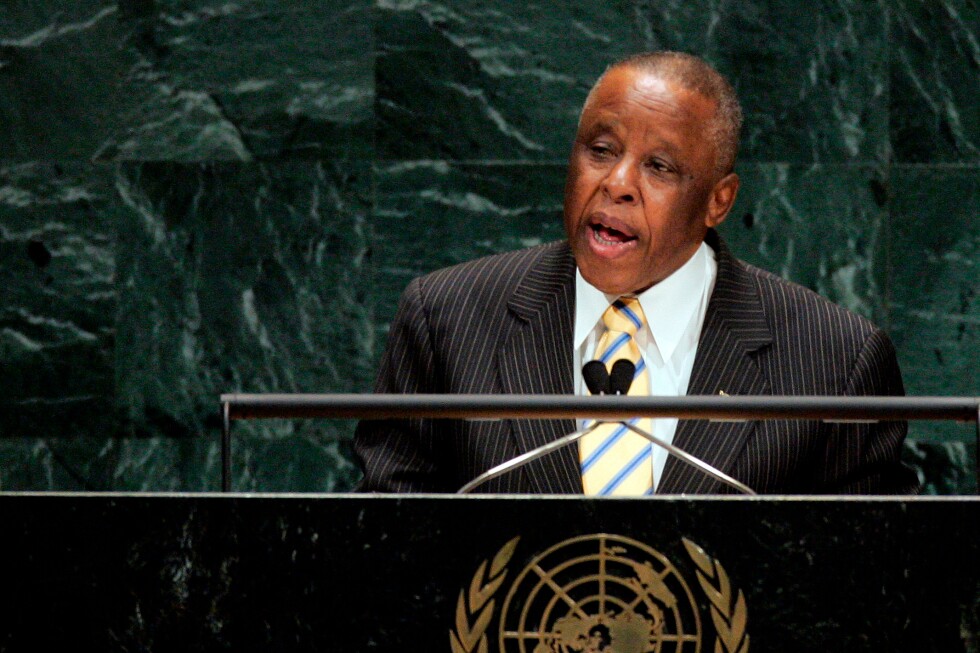
    GABORONE, Botswana – Botswana’s government announced Friday the passing of former president Festus Mogae, the country’s respected leader who ruled from 1998 to 2008 and shaped the nation’s response to one of Africa’s worst public health crises. He was 86 years old, and no immediate cause of death has been disclosed.

    Current Botswana President Duma Boko honored Mogae’s legacy in a national address, noting that under his tenure, Botswana gained global acclaim for its consistent commitment to democratic governance and prudent, principled economic stewardship. To mark the former leader’s contributions, Boko declared three days of national mourning across the southern African nation.

    A sparsely populated, arid country in southern Africa, Botswana holds an outsize position in the global diamond industry: it is the world’s top diamond producer by value, and ranks second only to Russia in terms of production volume. Per International Monetary Fund data, the diamond sector generates roughly 80% of Botswana’s total exports and accounts for one-quarter of the country’s gross domestic product. Over the past 10 years, Botswana has recovered all of the world’s largest rough diamonds, including a 2,492-carat stone unearthed in 2023 that stands as the second-largest mined diamond in recorded history and the largest discovery in more than 100 years.

    Mogae’s most enduring legacy lies in his pioneering work to combat HIV and AIDS in Botswana, which at the peak of the epidemic faced one of the highest national infection rates globally. Mogae placed the fight against the disease at the top of his administration’s national agenda, rolling out free access to life-saving antiretroviral treatment at public health facilities across the country in 2002. That program was later expanded to cover non-citizens in 2019, and the policy drove a dramatic reduction in national HIV prevalence, saving tens of thousands of lives in the process.

    Before his presidency, Mogae, a trained professional economist, served as governor of the Bank of Botswana, laying the groundwork for his later focus on stable economic growth. For his commitment to democratic rule and the peaceful transfer of executive power after leaving office in 2008, Mogae was awarded the Ibrahim Prize for Achievement in African Leadership, one of the most distinguished honors recognizing excellence in African governance.

    Boko remembered Mogae as a statesman who represented Botswana with dignity on the global stage, and remained a unifying voice for reason and progress across the country throughout his lifetime. “Today Botswana mourns a distinguished statesman, a patriot whose life was devoted to the service of his country,” Boko told the nation.

  • South Africa’s top court revives Ramaphosa cash scandal, paving way for impeachment

    South Africa’s top court revives Ramaphosa cash scandal, paving way for impeachment

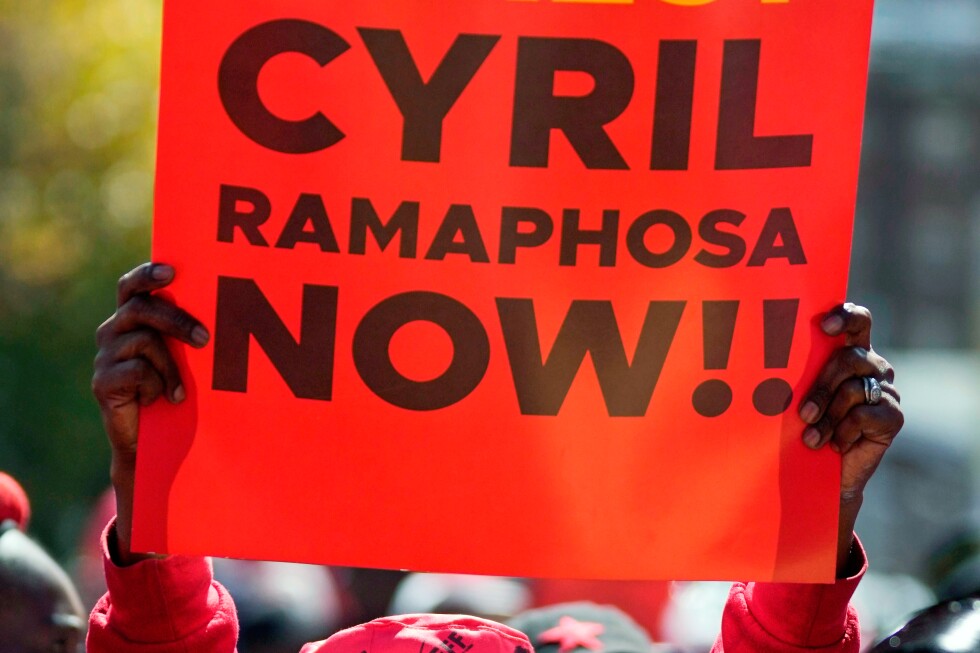
    JOHANNESBURG – South Africa’s Constitutional Court, the nation’s highest judicial body, has delivered a landmark ruling overturning a 2022 parliamentary vote that dismissed an inquiry report finding credible evidence of misconduct by President Cyril Ramaphosa connected to the years-long Phala Phala cash scandal. The decision clears all legal barriers to launch formal impeachment proceedings against the sitting head of state.

    The controversy at the center of the case stems from the 2020 discovery that roughly $580,000 in untraceable cash was hidden inside a sofa at Ramaphosa’s private Phala Phala game farm, where the money was later stolen. A parliamentary investigative panel produced a damning report in 2022 recommending a full impeachment inquiry into the incident, but Ramaphora’s ruling African National Congress (ANC) used its then-parliamentary majority to block the recommendation and kill the probe, allowing Ramaphosa to survive an initial impeachment motion that year.

    Opposition parties, including the hardline Economic Freedom Fighters (EFF), challenged the parliamentary vote in court, arguing that ANC lawmakers abused their majority to shield Ramaphosa from accountability for his alleged actions. On Friday, Chief Justice Mandisa Maya upheld the opposition’s challenge, ruling that the inquiry’s original report must now be sent to a dedicated impeachment committee to conduct a full, formal investigation. If the committee finds sufficient evidence of misconduct after its probe, it will move forward with a vote on whether to impeach Ramaphosa. “In the event that the panel of inquiry concludes that sufficient evidence exists, the matter must be referred to the impeachment committee,” Maya outlined in the court’s ruling.

    Following the ruling, EFF leader Julius Malema, a longstanding vocal critic of Ramaphosa, reiterated calls for the president to step down immediately and demanded impeachment proceedings get underway without delay. Addressing a gathering of his supporters, Malema claimed the coming investigation would produce irrefutable evidence of wrongdoing, stating “Ramaphosa is going to jail. With the amount of shenanigans and evidence that will come out of that impeachment process, there is no way that Ramaphosa is not going to jail.”

    Ramaphosa has repeatedly denied any wrongdoing in connection with the scandal, insisting the cached cash was legitimate proceeds from the private sale of buffalo from his farm. He told investigators he reported the theft to his head of security rather than formal law enforcement, but the original parliamentary inquiry rejected this account and stood by its recommendation for a full impeachment investigation.

    The scandal has lingered as a major political liability for Ramaphosa for years, as opposition groups have continuously pushed for his resignation. The political landscape shifted dramatically for the ANC in 2024, when the party lost its parliamentary majority for the first time since it took power following the end of apartheid in 1994. Ramaphosa is currently serving his final term as president, and faces additional allegations beyond the cash theft incident, including claims of tax evasion, money laundering, and violations of national currency regulations. Critics have repeatedly questioned why proceeds from a legal business transaction would be hidden in a couch at a private farm.

    In a statement released Friday, Ramaphosa’s spokesperson Vincent Magwenya said the president has remained fully cooperative with all previous investigations into the matter, and will continue to comply with all legal processes moving forward. “President Ramaphosa maintains that no person is above the law and that any allegations should be subjected to due process without fear, favour or prejudice,” Magwenya said. It is worth noting that two separate prior inquiries, one conducted by South Africa’s reserve bank and another by a public anti-corruption watchdog, previously cleared Ramaphosa of all wrongdoing.

  • A government critic dies in custody in Rwanda, drawing calls for an independent probe

    A government critic dies in custody in Rwanda, drawing calls for an independent probe

    KAMPALA, UGANDA – The death of prominent Rwandan academic and government critic Aimable Karasira in custody, just days before he was set to be released from prison, has triggered urgent calls for an independent international investigation from leading human rights advocates, who are questioning the official account of his death.

    Rwandan authorities confirm Karasira died Wednesday at Kigali’s Nyarugenge District Hospital following what they describe as an overdose of prescription medication for a preexisting chronic condition. In a statement provided to local Rwandan newspaper The New Times, prison system spokesperson Hillary Sengabo claimed Karasira consumed a large excess dose of medication that had been issued to him by prison health services.

    But Human Rights Watch has openly challenged this official narrative, calling on the global community to prioritize this case and pushing for a committee of independent international experts to conduct a full, unfiltered probe into the circumstances of Karasira’s death.

    “There are countless grounds to question the circumstances surrounding Aimable Karasira’s death in custody, not least the years of targeted harassment and systematic persecution he faced at the hands of Rwandan authorities,” explained Clémentineine de Montjoye, a researcher for Human Rights Watch. “The Rwandan government carries the legal and moral burden of proving Karasira was not unlawfully killed while in their custody.”

    Karasira’s path to arrest began in 2020, when he published a YouTube video discussing the loss of his relatives both during the 1994 Rwandan genocide and in its aftermath, following the rise to power of the rebel front that ended the mass killings. Human Rights Watch documentation shows that after the video’s release, Karasira faced sustained pressure from Rwandan intelligence services and anonymous threats from unknown actors.

    He was taken into custody in 2021, facing multiple charges including genocide denial and inciting ethnic division. He was convicted on some counts and acquitted on others, but prosecutors launched an appeal of the acquittals, demanding a 30-year prison sentence that was still pending at the time of his death. Because Karasira had already served four years of a five-year total sentence while awaiting trial proceedings, his release was scheduled for May 6, just days after his death was announced.

    Michela Wrong, a British historian who has extensively documented alleged human rights abuses under the current Rwandan government, said Karasira’s death reveals deep-rooted issues within the country’s criminal justice and political system. “He told multiple visitors he was being beaten and tortured while in custody,” Wrong wrote on social platform X. “Prison eventually proved a fatal experience, as it has for so many dissidents in Rwanda. Now officials claim he died of an overdose of his own prescription medicine.”

    Human Rights Watch has drawn parallels between Karasira’s death and the 2020 in-custody death of Kizito Mihigo, a popular Rwandan singer and fellow government critic. The organization noted both figures held significant moral authority that resonated widely with the Rwandan public, presenting a unique challenge to the ruling government.

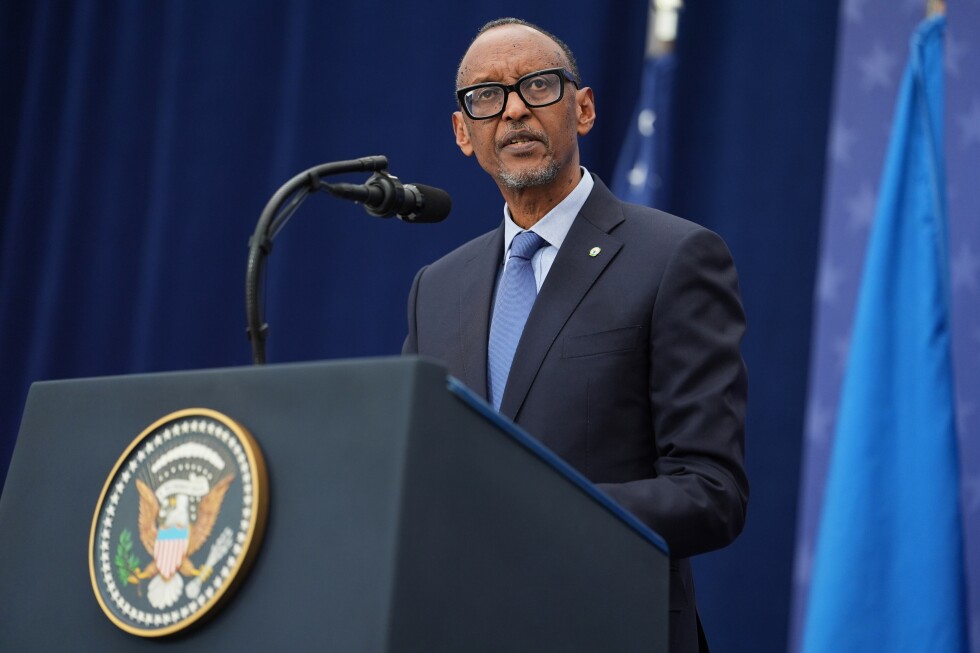
    President Paul Kagame’s political party has controlled Rwandan governance since the end of the 1994 genocide. The government has enacted sweeping policy measures to heal ethnic divides, including removing ethnic identifiers from national ID cards and integrating genocide education into national school curricula. Every April, the country holds nationwide solemn commemorations to honor genocide victims, and hundreds of community initiatives led by government and civic groups work to promote national unity. Kagame is widely credited by international supporters with establishing decades of relative stability and economic growth after the genocide.

    However, critics have long accused Kagame’s administration of systematically eliminating all political dissent. Detractors characterize his rule as an authoritarian regime that has erased nearly all organized opposition, with opponents regularly imprisoned, forced into exile, disappeared, or dying under suspicious circumstances while in state custody.