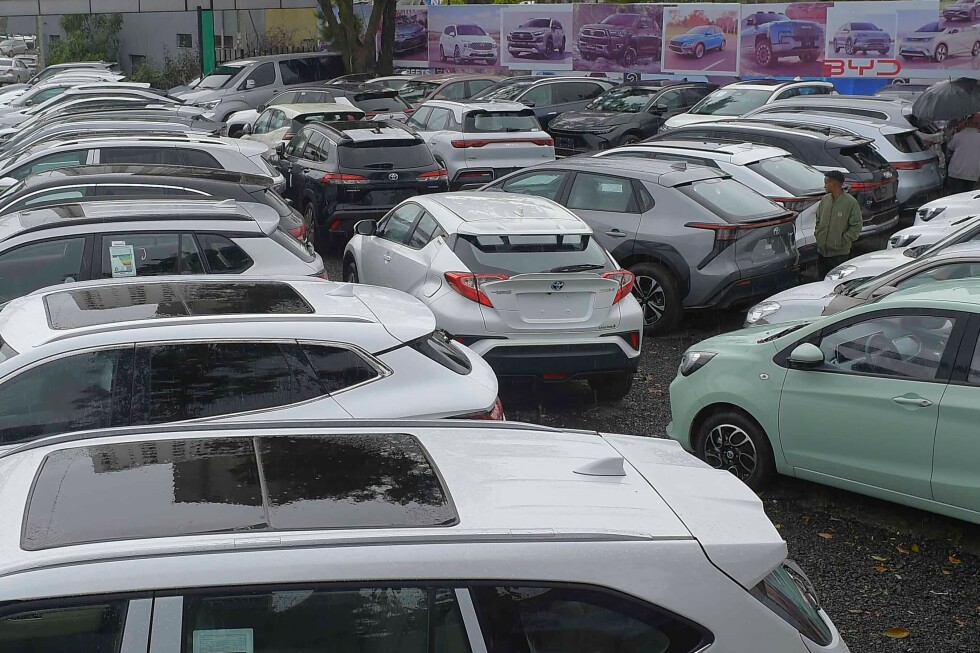
Across the African continent, electric vehicle adoption is accelerating at an unprecedented rate, driven largely by policy and energy security action in Ethiopia. Severe fuel shortages and skyrocketing global oil prices, worsened by ongoing disruptions tied to the Iran war, have pushed East African nations to accelerate a shift from fossil fuel-powered transport to cleaner, cheaper electric alternatives.
New data from China’s Ministry of Commerce underscores this rapid growth: total African electric vehicle imports from China jumped to 44,358 units in 2025, more than doubling the 19,386 units imported just one year prior. These shipments carry a total value of over $200 million, with demand concentrated heavily in Ethiopia. In 2024, Addis Ababa implemented a full ban on new imports of gasoline and diesel-powered vehicles, a policy that has reshaped the country’s automotive market. Today, more than 115,000 EVs operate on Ethiopian roads, accounting for roughly 8% of the nation’s entire vehicle fleet. In 2025 alone, Ethiopia accounted for one-third of all African EV imports from China, outpacing major regional markets including South Africa, Egypt, Morocco and Nigeria to claim the top spot.
The urgency of Ethiopia’s transition stems from deep economic and energy strains. Each year, the country spends roughly $4.2 billion on fossil fuel imports, a burden that has severely drained its limited foreign currency reserves. It also spends up to $128 million monthly on fuel subsidies to cushion consumers from price volatility. The ongoing conflict in Iran has disrupted global oil supplies through the Strait of Hormuz, the strategic waterway that carries roughly one-fifth of all Gulf region oil exports, leaving Ethiopia with a shortfall of more than 180,000 metric tons of fuel annually.
Faced with these persistent supply shocks, the Ethiopian government has doubled down on its campaign to speed up EV adoption, framing the transition as a critical buffer against external energy market volatility. Industry analysts say the strategy offers clear long-term benefits for the country’s energy sovereignty.
“From a general perspective, it is sustainable,” explained Hiten Parmar, executive director of The Electric Mission, a South Africa-based e-mobility advocacy organization. “By replacing imported fuel with domestically generated electricity, Ethiopia is strengthening its energy security position.”
Ethiopia holds a unique advantage in its energy mix that supports a large-scale EV transition: over 90% of its national electricity production comes from renewable sources, primarily hydroelectric and solar power. The Grand Ethiopian Renaissance Dam, the largest hydroelectric project on the continent, is expected to double the country’s total power generation capacity once fully operational, even as the facility has sparked a decade-long transboundary water dispute with downstream neighbors Egypt and Sudan. Parmar notes that this abundant domestic clean energy generation creates a solid foundation for a widespread shift to electrified transport.
“It allows EVs to be powered by locally produced clean energy, rather than costly imports,” Parmar said. “By gradually adopting EVs, that intensive fuel import expenditure can be reduced and redirected into other critical development needs.”
This trend is not isolated to Ethiopia. Governments across the African continent are rolling out policy frameworks and investment plans to support EV adoption: Egypt, South Africa and Morocco have all introduced a mix of consumer incentives, manufacturing investment commitments and clean energy buildout to speed their own energy transitions. According to the Africa E-Mobility Alliance, this early transition is already starting to ease regional pressure on global fuel demand.
“That’s over 100,000 vehicle owners who are no longer directly exposed to pump price shocks,” said Bob Wesonga, policy and investments lead at the alliance. “In the medium to long term, this creates a buffer against global oil volatility.”
For consumers and operators that have already made the switch, the cost savings are dramatic. “A private EV owner now spends roughly $4 a month on charging compared to about $27 previously spent on fuel,” Wesonga said. “For public transport operators, the difference is even more striking.”
Despite these clear benefits and rapid growth, the EV transition across Africa faces significant structural barriers, analysts warn. While EV technology itself is already mature, scaling the necessary supporting infrastructure across vast, often rural landscapes remains a major challenge.
Ethiopia has begun rolling out ultra-fast charging hubs in its capital Addis Ababa, but expanding this network to every region will require billions in new investment and years of construction. “The biggest hurdle is the last-mile power distribution,” Wesonga explained. “While Ethiopia has a surplus of generation, getting that power reliably to where it’s needed, especially outside Addis Ababa, remains a challenge.”
Frequent power outages and administrative delays in connecting high-capacity charging stations have slowed infrastructure construction, even as consumer demand for EVs continues to climb. Today, most charging infrastructure remains heavily concentrated in the capital and along a small number of major intercity transport corridors, limiting widespread EV use outside of urban centers and creating a bottleneck for future growth.
Ethiopia is attempting to address another major barrier, affordability, by building out domestic EV assembly capacity. Official data shows 17 EV assembly plants are already in the national pipeline, with plans to grow that number to 60 by 2030. The strategy is designed to localize production, cut vehicle costs and make EVs accessible to more consumers.
Even so, affordability remains a major constraint for most households. While operating costs for EVs are far lower than fossil fuel vehicles, upfront purchase prices remain well out of reach for the majority of the population, relative to average national incomes. At the same time, the ban on new fossil fuel vehicle imports has pushed up prices for used combustion engine vehicles, creating additional financial barriers for low-income households looking to purchase any form of private transport.
Parmar notes that this dynamic could create unintended social consequences if the transition is not carefully managed to protect vulnerable groups. “A national fleet transition is always gradual,” he said. “Existing combustion vehicles will remain in use for some time, and the transition needs to account for livelihoods tied to that system.”
Even with these near-term challenges, both analysts agree the long-term trajectory of EV adoption across Africa is irreversible. Over time, lower operating and maintenance costs for EVs are expected to bring down overall transport costs, reduce the price of consumer goods and expand access to economic opportunity for millions across the continent. Ethiopia is already drawing lessons from leading EV markets such as China and Norway, where targeted policy support, large-scale infrastructure investment and consumer incentives have driven rapid mass adoption.
“This is not just about transport,” Wesonga said. “It’s about reshaping how the country uses energy, and who benefits from that shift.”