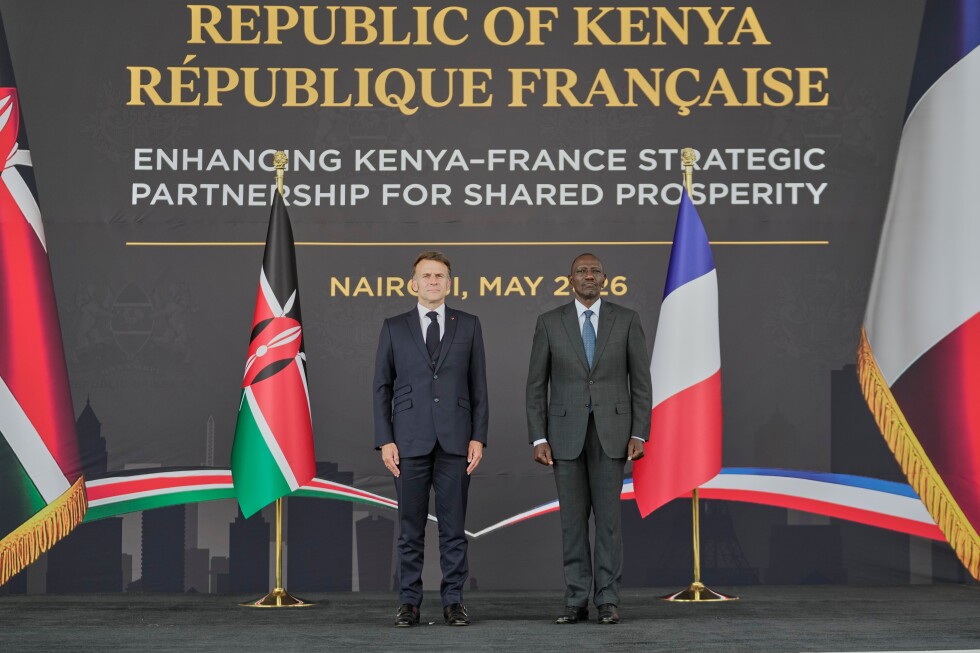
On a Sunday morning in Nairobi, Kenya, French President Emmanuel Macron touched down to kick off a high-stakes diplomatic visit, setting the stage for the first-ever Africa Forward Summit — a landmark event designed to introduce France’s long-teased revised policy approach to the African continent. After decades of criticism over its colonial-era paternalistic influence across the region, Paris is positioning this summit as a formal break from the past, rebranding its relationship with African nations as one between equal partners rather than a dominant power and subordinate states.
The 2024 summit carries historic weight: it marks the first time this kind of major France-led African diplomatic gathering has been hosted in an Anglophone nation, a deliberate shift that comes on the heels of France’s full withdrawal of all military troops from West Africa completed in 2023, a move that followed years of steadily waning French political and military influence across the Sahel region. Analysts and African leaders alike are closely watching the summit to see how Macron will frame this exit and what commitments France will make to its revised vision for the continent.
For nearly 60 years after most former French African colonies gained independence, Paris maintained a system of economic, political, and military dominance across the region known colloquially as Françafrique. This system included the permanent stationing of thousands of French troops across multiple West and Central African states, a policy that drew repeated backlash from sitting African leaders and opposition figures alike. Critics across the continent have long decried Françafrique as demeaning and overly heavy-handed, arguing that it undermined African sovereignty and perpetuated neocolonial power structures.
Kenyan President William Ruto, Macron’s host for the summit, has framed the gathering as a potential turning point for Franco-African relations. Speaking ahead of the two-day event, which is scheduled to begin Monday and expects to welcome 30 sitting heads of state from across the continent, Ruto noted that both he and Macron share the goal of building a more equitable collaborative partnership.
Addressing shifting global geopolitical dynamics, Macron struck a conciliatory tone, acknowledging that while France may hold policy disagreements with some West African governments, it maintains unwavering respect for African populations. Ruto, for his part, pushed back against narratives that Kenya is aligning with either Western or Eastern power blocs, stating that Nairobi’s diplomatic priority is pursuing progressive, mutually beneficial relationships with all global partners, regardless of geographic or ideological orientation.
Not all reaction to the summit and its Kenyan host venue has been positive, however. Kalonzo Musyoka, leader of Kenya’s main opposition bloc, has publicly condemned the decision to host the gathering in Nairobi. He argued that the country currently faces a deepening democratic crisis ahead of the 2027 national general election, noting what he calls escalating attacks on opposition voices, widespread human rights violations, and deep political divisions that undermine any claim of national cohesion. “There will be an air of pretense that we are a cohesive nation,” Musyoka said, adding “We know that is far from the truth.”
On the first day of Macron’s visit, Kenya and France signed 11 new bilateral agreements covering cross-sector investment partnerships. Key projects include an ambitious new nuclear energy facility, upgrades to national transport infrastructure, and expanded investment in sustainable agricultural development. Macron emphasized that these investments are aligned with the summit’s core focus: supporting innovation across the continent and investing in Africa’s rapidly growing young population by strengthening human capital.